
Selecting the right injury support and braces depends on the nature of your joint discomfort, your level of instability, and the physical demands of your sport. A brace is designed to manage swelling, limit harmful ranges of motion, or provide structural reinforcement, but choosing the wrong type can restrict your natural movement or fail to protect a vulnerable joint. By evaluating your symptoms, understanding the differences between compression sleeves, wraps, and rigid supports, and matching the material to your local climate, you can find a supportive tool that aids your recovery without hindering your performance.
Assess Your Joint Symptoms and Injury Severity
Before purchasing any injury support and braces, you must evaluate the physical state of your joint. Mild soreness typically presents as a dull, localized ache that occurs after physical exertion but does not prevent you from performing daily tasks or walking normally. This level of discomfort often stems from minor muscle fatigue or mild tendon irritation, which generally responds well to rest and light compression.
Moderate sprains involve a partial tear of a ligament or tendon, resulting in noticeable swelling, localized warmth, and a throbbing pain that worsens when you try to use the joint. You might notice that the joint feels slightly loose or weak, making you hesitant to pivot or bear full weight. In these cases, a brace serves to protect the healing tissues from sudden, sharp movements while allowing controlled mobility.
Products mentioned in this guide
Prices are valid at publication and may change. Please refer to the product page for the latest price.
Severe joint instability is characterized by a complete ligament tear or structural displacement, which often produces an audible pop or snap at the moment of injury. If your knee or wrist gives way entirely when you attempt to use it, or if you observe a visible deformity, you are dealing with a severe injury. Other critical red flags include immediate, severe swelling, an inability to bear any weight, or a cold, numb sensation in your fingers or toes.
These severe symptoms require immediate professional medical evaluation rather than self-treatment with an over-the-counter brace. Attempting to manage a major structural tear with a simple support sleeve can lead to chronic joint laxity, premature osteoarthritis, and permanent mobility limitations. A brace is a supportive aid designed to assist your recovery journey, but it cannot repair torn ligaments or replace a comprehensive physical therapy program.
Match Your Symptoms to the Right Brace Category
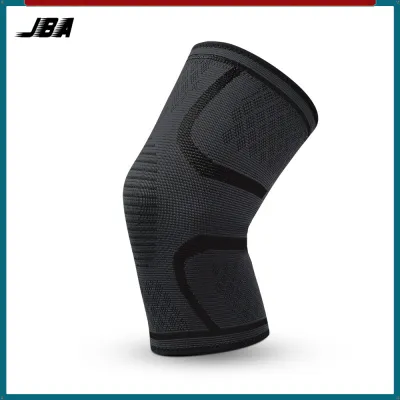
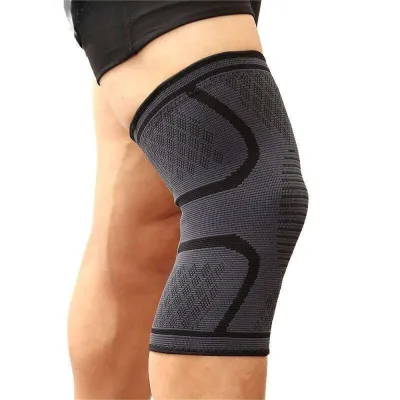
Selecting the correct category of support is essential to balance protection with mobility. For knee issues, compression sleeves are the most basic option, knitted from elastic or neoprene materials to provide mild compression and warmth. These sleeves are ideal for managing minor swelling, improving joint awareness during movement, and soothing dull aches from chronic overuse.

If your pain is concentrated directly below the kneecap, a patella strap or band may be more appropriate. This narrow strap applies targeted pressure to the patellar tendon, helping to distribute forces more evenly and improve tracking during repetitive bending motions. It offers minimal lateral support but is highly effective for localized tendon discomfort without restricting your overall range of motion.
For moderate to severe instability, or when recovering from a ligament sprain, you will need a wraparound or hinged brace. Wraparound designs utilize adjustable hook-and-loop straps to allow a customizable fit, which is particularly useful when joint swelling fluctuates throughout the day. Hinged braces feature rigid plastic or metal side stays that physically prevent the knee from bending sideways, protecting the collateral ligaments while allowing natural forward and backward bending.
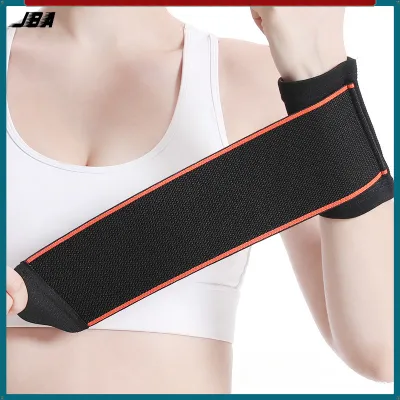
Wrist supports follow a similar spectrum of stabilization to address different levels of strain. A simple elastic wrist sleeve or light wrap offers mild compression and warmth, which is excellent for soothing minor fatigue during repetitive tasks like typing or racket sports. These wraps allow full finger and thumb mobility while providing a reassuring layer of surface tension around the carpal bones.
When you require strict immobilization, such as during recovery from a severe wrist sprain or tendonitis flare-up, a rigid splint is necessary. These braces contain a metal or hard plastic palmar stay that keeps the wrist in a neutral, straight position, preventing the flexion and extension that can aggravate inflamed tissues. While highly protective, rigid splints significantly restrict your hand function and are typically worn during rest or specific non-athletic tasks.
Adjustable wrist wraps with thumb loops offer a middle ground, allowing you to customize the tightness and support level during active sports. You can tighten the wrap during heavy lifting or high-impact movements and loosen it during rest periods to maintain healthy circulation. The primary trade-off across all brace categories is that greater stabilization always results in a more restricted range of motion, meaning you should only use as much support as your specific injury requires.
Align the Brace With Your Sport and Movement Needs
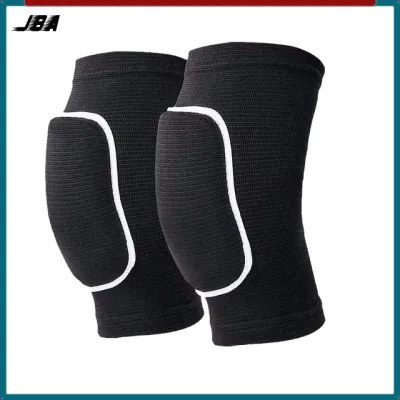
Your choice of brace must also align with the specific biomechanical demands and environmental conditions of your sport. High-impact and multi-directional sports, such as basketball, tennis, badminton, or football, involve sudden deceleration, lateral cutting, and jumping. These activities place immense shear stress on your knees and wrists, requiring braces with secure, non-slip strapping systems and robust lateral supports that will not shift during explosive movements.
In contrast, linear and endurance sports like running, cycling, or distance walking involve repetitive, single-plane movements. For these activities, heavy, rigid braces can alter your natural gait and lead to secondary strain in your hips or ankles. Runners and cyclists should prioritize lightweight, low-profile compression sleeves or flexible wraps that offer joint feedback without adding unnecessary bulk or restricting your natural stride.
Environmental factors, particularly in warm and humid climates like the Philippines, play a critical role in material selection. Neoprene is highly durable and provides excellent heat retention, which can soothe stiff joints, but it can quickly become uncomfortably hot and trap sweat against your skin. This trapped moisture can lead to skin chafing, rashes, and bacterial buildup during long training sessions in tropical weather.
To combat this, look for braces constructed from engineered performance knits, spacer fabrics, or perforated neoprene. These materials facilitate airflow and actively wick moisture away from your skin, keeping the joint cool and dry. Additionally, check for silicone grip strips along the inner cuffs of knee sleeves to prevent the support from sliding down your leg as you sweat.
Ensure Proper Fit and Know When to Skip the Brace
An improperly fitting brace can do more harm than good, making accurate sizing a critical step in your selection process. To find your correct size, use a flexible measuring tape to measure the circumference of your joint at the specific points recommended by the manufacturer. For a knee brace, this usually involves measuring around the center of the kneecap, as well as a few inches above and below the joint line.
When measuring your wrist, wrap the tape snugly around the narrowest part of your wrist, just below the bony protrusions. Avoid pulling the tape too tight or leaving it loose, and always measure your joint when any acute swelling has subsided to ensure a realistic baseline. If your measurements fall between two sizes, it is generally safer to opt for the larger size if the brace has adjustable straps, or the smaller size if you are buying a simple compression sleeve that needs to fit snugly.
Once your brace arrives, perform a few simple fit verification checks before heading out to play. Put the brace on and walk, bend, or mimic your sporting movements to ensure it stays securely in place without sliding or bunching behind the joint. Check for signs of restricted circulation, such as coldness in your fingers or toes, a tingling sensation, or deep red indentations left on your skin after a few minutes of wear.
It is equally important to recognize when you should skip using a brace altogether. If you are experiencing mild, transient fatigue or slight stiffness that disappears after a proper warm-up, buying a brace is often unnecessary. In these instances, dedicating time to dynamic stretching, correcting your athletic technique, and allowing adequate rest will yield better long-term results than relying on an external support.
Frequently Asked Questions (FAQ)
Can I wear a knee or wrist brace all day?
Wearing a sports brace continuously throughout the day is generally not recommended unless specifically prescribed by a healthcare professional. Prolonged wear can cause your surrounding muscles to become lazy and dependent on the external support, ultimately weakening the joint and increasing your risk of re-injury. Additionally, keeping a brace on for extended periods, especially in humid conditions, can trap sweat and lead to severe skin irritation or breakdown. It is best to wear the brace primarily during physical activity or periods of acute pain, and remove it during rest, sleep, or sedentary tasks to allow your muscles to engage and your skin to breathe.
How do I clean and maintain my sports brace?
Proper maintenance is essential to preserve the elasticity of the technical fabrics and prevent unpleasant odors from sweat accumulation. Always hand-wash your brace in cool water using a mild, liquid detergent, avoiding harsh bleaches or fabric softeners that can degrade elastic fibers. Gently squeeze out excess water without wringing or twisting the material, as this can warp internal stays or stretch out the fabric. Lay the brace flat on a clean towel to air-dry in a well-ventilated indoor area away from direct sunlight and high heat sources like hair dryers or clothes dryers, which can melt synthetic materials or ruin hook-and-loop fasteners.
Should I wear a brace on both sides if only one joint is injured?
You should not wear a brace on both sides if only one joint is injured, as symmetrical bracing for unilateral injuries is generally unnecessary and can be counterproductive. Wearing a support on a healthy joint can restrict its natural range of motion and alter your body’s biomechanics, potentially causing you to overcompensate and place abnormal stress on other areas like your hips or lower back. Instead of bracing both sides, focus your efforts on targeted rehabilitation, strength training, and flexibility exercises for the injured joint to restore its natural stability. Keep your healthy joint unbraced so it can move freely and maintain its natural strength and proprioception.
Community discussion
Share your experience or ask a question. Comments are reviewed before publication.