
Selecting the proper knee protection or support is a critical decision for any athlete, fitness enthusiast, or active individual. The correct choice depends entirely on whether your specific sport demands impact protection from falls, mild compression for joint warmth, targeted tendon pressure for repetitive jumping, or rigid mechanical stabilization for ligament recovery. Choosing the wrong type can lead to restricted movement, wasted money, or inadequate protection. Finding the correct knee pad support or brace is essential to keeping your joints safe without hindering your athletic performance.
In the humid, tropical climate of the Philippines, selecting the right gear also requires balancing support with breathability. Sweat buildup inside thick, non-ventilated materials can lead to skin irritation, chafing, and rapid degradation of the elastic fibers. Understanding the mechanical differences between various supports ensures you protect your joints while staying comfortable during intense physical activity.
Quick Diagnostic: Find Your Knee Support Category
Before diving into specific product specifications, it is helpful to route your needs based on your primary symptoms and the physical demands of your sport. This diagnostic matrix serves as a practical starting point for self-assessment, helping you narrow down your options before making a purchase.
Products mentioned in this guide
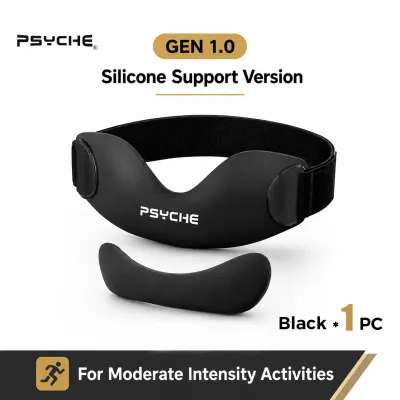
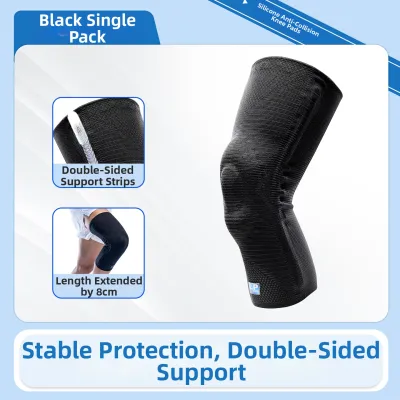
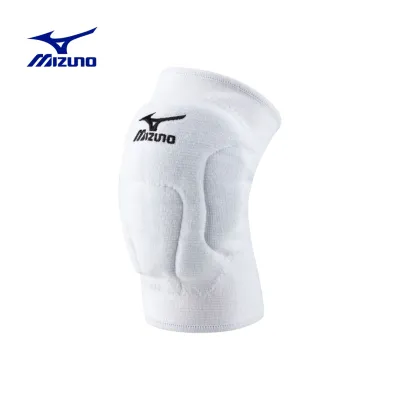
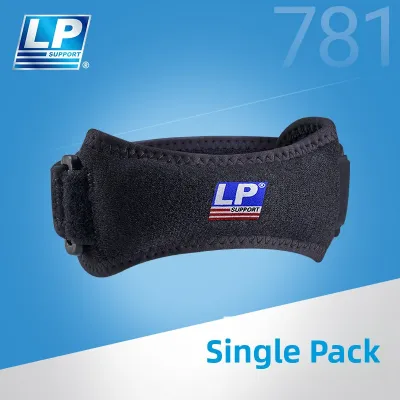
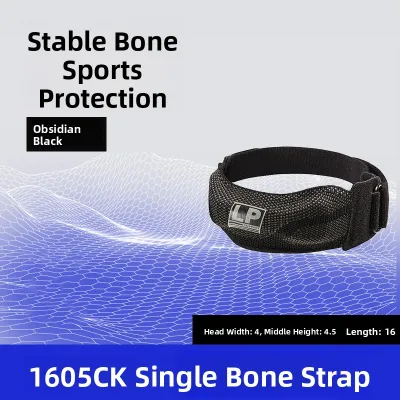
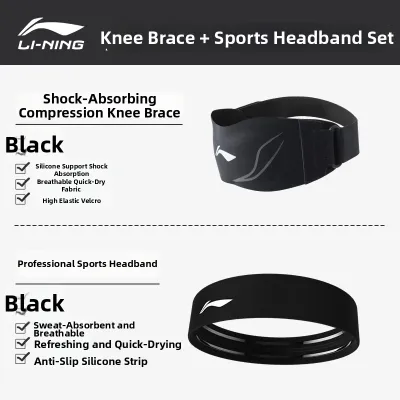
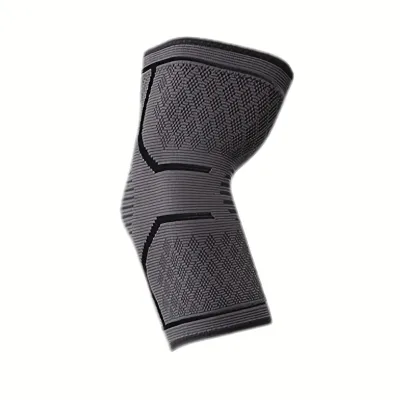
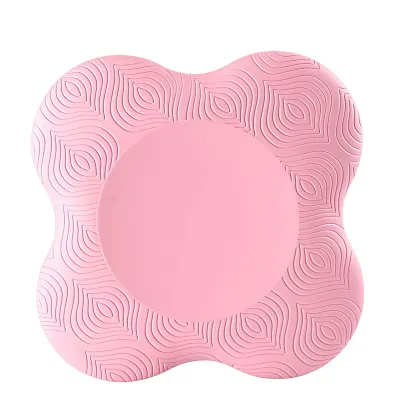
Prices are valid at publication and may change. Please refer to the product page for the latest price.
| Primary Goal or Symptom | Common Sports & Activities | Recommended Gear Category | Primary Benefit |
|---|---|---|---|
| Preventing bruises, floor burns, and direct impact injuries | Volleyball, skateboarding, indoor/outdoor basketball, martial arts | Padded Knee Pads | Absorbs and dissipates external kinetic energy from falls |
| Managing mild stiffness, minor swelling, or joint fatigue | Running, cycling, gym workouts, badminton, walking | Compression Sleeves | Enhances blood flow and improves joint position awareness |
| Sharp, localized pain directly below the kneecap during jumps or runs | Basketball, volleyball, tennis, distance running | Patellar Tendon Straps | Alters the biomechanical load on the patellar tendon |
| Severe joint instability, ligament recovery, or heavy load-bearing | Powerlifting, rugby, soccer, post-surgery rehabilitation | Hinged Braces or Wraparound Stabilizers | Restricts lateral movement and prevents joint hyperextension |
This matrix is designed for self-assessment and preventative care. If you are recovering from an acute injury or experiencing severe, persistent pain, this routing should not replace a professional medical evaluation.
Impact Protection vs. Joint Stability: Choosing the Right Knee Pad Support
To make an informed choice, you must first distinguish between external impact protection and internal structural stability. Many athletes mistakenly purchase compression sleeves to protect against falls, or buy thick padded pads to fix a wobbly joint. These two product categories serve entirely different mechanical purposes.

Knee Pads are engineered primarily for external shielding. They feature thick layers of high-density foam, shock-absorbing gel, or hard plastic shells positioned directly over the patella. When you dive for a volleyball, slide on a basketball court, or fall from a skateboard, the pad absorbs and dissipates the kinetic energy of the collision. This prevents deep bone bruises, skin abrasions, and patellar fractures. However, standard knee pads offer virtually no structural support to the ligaments or tendons inside the joint; they do not prevent the knee from twisting or hyperextending.
Knee Supports (Sleeves, Straps, and Braces) are designed for internal structural aid. Instead of shielding the outside of the joint from collisions, they work by applying compression, limiting specific ranges of motion, or altering how the kneecap tracks during movement. These mechanisms reduce the strain on your ligaments, tendons, and cartilage, helping to prevent structural wear and tear.
In some sports, these needs overlap. For instance, basketball players on concrete outdoor courts frequently experience both joint fatigue and painful floor burns. In these scenarios, a hybrid knee pad support—which combines a flexible compression sleeve with a low-profile padded front—offers the ideal balance of warmth, joint awareness, and minor impact protection.
Matching Knee Support Types to Your Sport and Symptoms
Choosing the right gear requires looking closely at the design, material, and target application of each support type. Matching these features to your specific sport and physical symptoms will ensure you get the protection you need without restricting your natural movement.
Compression Sleeves and Padded Knee Pads
Compression sleeves are typically made from elasticized knit fabrics or neoprene. They slip over the foot and slide up the leg to provide uniform compression around the entire knee joint. This pressure promotes local blood circulation, which helps manage minor swelling and keeps the joint warm during rest periods. Additionally, sleeves enhance proprioception—your brain’s subconscious awareness of the joint’s position—which can improve movement mechanics during repetitive activities like running, cycling, or weight training.
For sports involving direct ground contact, padded knee pads are indispensable. High-density EVA foam or specialized shock-absorbing gels are integrated into these pads to cushion the knee. In the Philippines, where many local basketball and volleyball games take place on hard concrete barangay courts rather than polished wood, a durable padded support is crucial for preventing painful friction burns and impact contusions.
When choosing these items, consider the local climate. Thick neoprene sleeves trap heat and sweat, which can cause skin chafing and fungal buildup in hot, humid conditions. For outdoor tropical use, prioritize 3D-knitted elastic fabrics that offer high breathability and moisture-wicking properties. Do not rely on standard, unpadded compression sleeves if your primary risk is hard-court impact, and avoid using them as a solution for severe ligament instability.
Patellar Straps for Targeted Tendon Relief
Patellar straps, also known as jumper’s knee straps, are narrow bands that wrap tightly around the leg just below the kneecap. Unlike full sleeves, they do not cover the entire joint. Instead, they feature a firm internal tube or gel pad that applies direct, localized pressure to the patellar tendon.
This localized pressure slightly alters the angle at which the tendon pulls on the kneecap, effectively shortening the lever arm of the extensor mechanism. By redistributing the mechanical force across a wider area, the strap reduces the localized strain on the tendon’s attachment point. This makes it highly effective for managing patellar tendinitis, commonly known as jumper’s knee.
This support is ideal for sports that require repetitive jumping, explosive acceleration, or sudden deceleration on hard surfaces, such as basketball, volleyball, tennis, and distance running. The primary signal that you need a patellar strap is sharp, localized pain directly below the kneecap that intensifies during or immediately after jumping. Keep in mind that patellar straps are highly specialized tools; they do not provide lateral stability, joint warmth, or protection against direct impact.
Hinged Braces and Wraparound Stabilizers for Maximum Support
When a joint has suffered structural damage or is subjected to extreme mechanical loads, soft sleeves and straps are insufficient. Hinged braces and wraparound stabilizers provide the highest level of external support by incorporating rigid or semi-rigid structural elements.
Hinged Braces feature offset metal or composite hinges on both sides of the knee. These hinges mimic the natural bending motion of the joint while physically blocking lateral (side-to-side) movement and preventing hyperextension. They are primarily indicated for athletes recovering from major ligament injuries, such as tears to the anterior cruciate ligament (ACL) or medial collateral ligament (MCL), or those returning to contact sports like rugby or soccer after surgery.
Wraparound Stabilizers offer a middle ground. They typically use a combination of adjustable hook-and-loop straps and flexible spiral steel side stays. This design allows you to customize the compression level and provides moderate lateral support without the bulk and weight of a fully hinged rigid brace. They are highly suited for heavy powerlifting, functional fitness training, or managing moderate joint discomfort from osteoarthritis during daily activities.
Because hinged braces physically alter joint mechanics, they should ideally be selected and adjusted based on the recommendation of a physical therapist or orthopedic specialist. Using an improperly configured hinged brace can alter your gait and potentially lead to secondary injuries in your hips or ankles.
Red Flags: When to Stop and Consult a Professional
While knee supports and pads are excellent tools for injury prevention and managing minor discomfort, they are not cures for structural damage. Masking severe pain with a tight brace to continue playing can turn a minor tear into a chronic, debilitating injury. Stop your activity immediately and seek professional medical evaluation if you experience any of the following red flags:
- An inability to bear weight on the affected leg or take more than a few steps without severe pain.
- Immediate, significant swelling or visible deformity of the joint after a fall or collision.
- A distinct, audible "pop" or tearing sensation inside the knee at the moment of injury.
- Mechanical locking, catching, or a sensation that the knee is completely "giving way" or sliding out of its socket during normal walking.
- Persistent pain, throbbing, or swelling that continues to worsen despite rest, ice, elevation, and the use of over-the-counter supports.
Knee pads and braces are designed to assist healthy or recovering joints; they cannot replace intact ligaments or repair torn cartilage. Correct diagnosis from a healthcare professional is essential before attempting long-term self-treatment.
How to Verify Fit and Maintain Your Knee Gear
To ensure your knee support performs its job effectively without causing secondary issues, you must verify that it fits correctly and maintain it properly. An improperly fitted support can restrict blood circulation, cause skin lesions, or fail to protect the joint during a critical movement.
Fit Verification Steps
When trying on a knee sleeve, strap, or brace, follow these three checks to ensure a safe and effective fit:
- The Two-Finger Rule: Once the support is pulled up or strapped in place, you should be able to slide two fingers comfortably under the top and bottom hems. If you cannot fit your fingers underneath, the band is too tight.
- Circulation Check: Wear the support for ten to fifteen minutes while sitting. If you experience numbness, tingling, a pins-and-needles sensation, or if your lower leg or foot feels cold or looks slightly blue, the gear is restricting your blood flow. You must loosen the straps or size up immediately.
- Anatomical Alignment: For supports with open-patella designs or integrated gel rings, ensure your kneecap sits perfectly centered within the opening. If the support shifts or twists during a few basic bodyweight squats, it is either the wrong size or requires readjustment.
Care and Maintenance
Sports gear accumulates sweat, body oils, and dead skin cells, which can break down elastic fibers and harbor bacteria. Proper care extends the lifespan of your investment:
- Washing: Always hand wash your knee supports in cool or lukewarm water using a mild, liquid detergent. Avoid fabric softeners, as they leave a residue that coats elastane fibers and destroys their stretch and recovery properties. If using a washing machine, place the support in a mesh laundry bag and use the gentlest cycle.
- Drying: Squeeze out excess water gently without wringing or twisting the fabric. Air dry the support flat or hang it in a well-ventilated, shaded area. Keep it away from direct, intense tropical sunlight and never use a tumble dryer; high heat degrades rubber, neoprene, and elastic components rapidly.
- Inspection: Regularly inspect hook-and-loop fasteners (Velcro) for lint buildup, and check metal hinges for alignment. Replace your support immediately if you notice frayed stitching, stretched-out bands that no longer compress, or cracked padding that could cause skin abrasions.
Frequently Asked Questions (FAQ)
Can I wear a compression knee sleeve all day?
You should avoid wearing a tight compression knee sleeve continuously throughout the day and night. Prolonged, unbroken compression can restrict healthy blood flow, cause fluid retention in the lower leg, and lead to skin irritation or rashes—especially in warm, humid environments. Remove the sleeve during sleep and periods of prolonged sitting or inactivity, unless a medical professional has specifically instructed you to wear it for post-surgical recovery.
Do knee pads prevent ligament tears?
No, standard padded knee pads do not prevent ligament tears, such as ACL or MCL ruptures. Knee pads are designed solely to absorb and dissipate external impact forces, protecting the skin, kneecap, and bones from direct contact injuries. Preventing ligament tears requires structural joint stabilization—which is provided by rigid hinged braces—combined with proper movement biomechanics, sport-specific training, and targeted muscular strengthening of the hamstrings and quadriceps.
Should I wear knee support on both knees if only one hurts?
Generally, you should only wear a supportive brace or targeted strap on the specific knee that is injured or experiencing symptoms. This allows your healthy leg to move naturally without unnecessary restriction. However, in high-load, symmetrical sports like heavy powerlifting or Olympic weightlifting, athletes often wear matching compression sleeves on both knees. In this scenario, the bilateral sleeves are used to provide uniform joint warmth, equal proprioceptive feedback, and balanced physical sensations across both legs during heavy lifts.
Community discussion
Share your experience or ask a question. Comments are reviewed before publication.