
Finding the right knee pain relief brace depends entirely on the location of your discomfort, the level of joint instability, and your daily activity requirements. In the Philippines, where daily life often involves navigating uneven pavements, climbing steep footbridges, or playing high-impact sports like basketball on concrete neighborhood courts, knee pain is a common issue that can severely limit your mobility. However, wrapping any generic support around your leg is rarely the answer. A brace that is highly effective for a runner experiencing patellar tendon strain may do absolutely nothing for someone recovering from an anterior cruciate ligament (ACL) tear or managing chronic osteoarthritis.
To find lasting relief and protect your joint from further harm, you must match the physical design of the brace to the specific biomechanical failure causing your pain. This means analyzing your symptoms, understanding how different brace structures interact with your anatomy, and choosing materials that suit both your injury and the local tropical climate. Using the wrong support can not only prove uncomfortable in high humidity but can also restrict your natural movement patterns, potentially transferring stress to your hips or ankles and worsening your overall physical condition.
When to See a Doctor Before Using a Knee Brace
Before purchasing a knee pain relief brace, you must establish whether your condition is safe for self-management or requires immediate medical evaluation. A knee brace is a supportive tool designed for symptom management, joint warmth, and stability; it is not a medical cure, nor can it structurally repair torn tissue or replace professional physical therapy.
Products mentioned in this guide
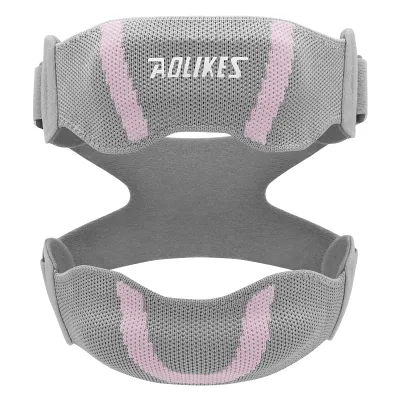
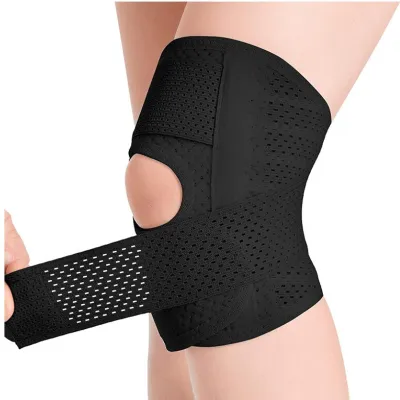
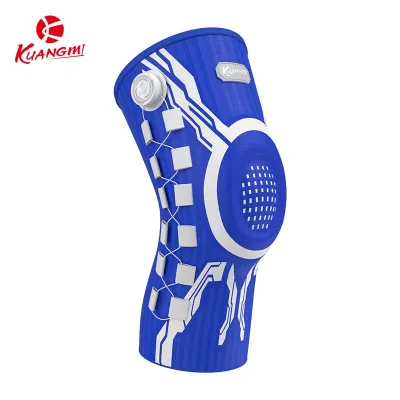
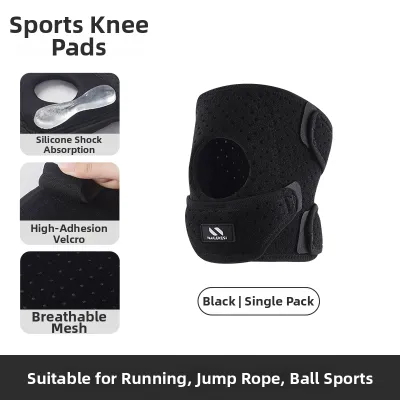
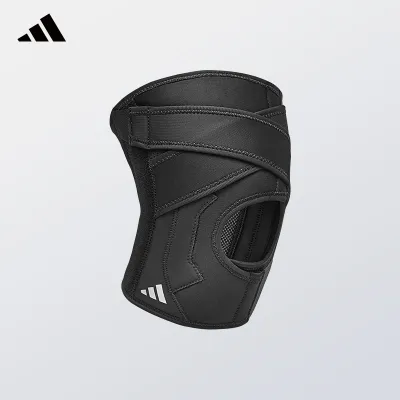
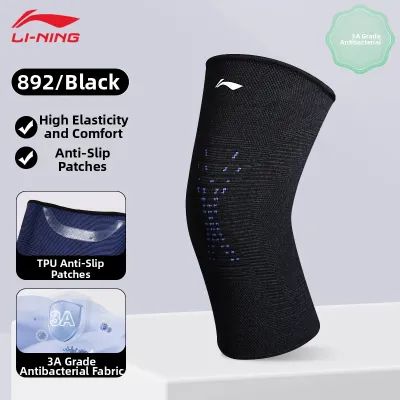
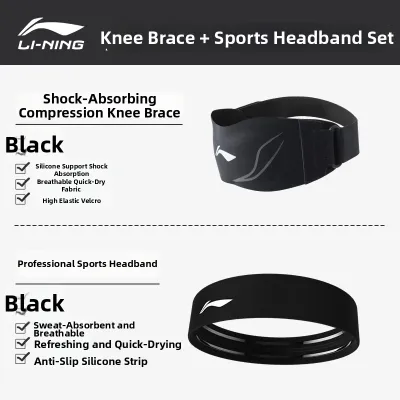
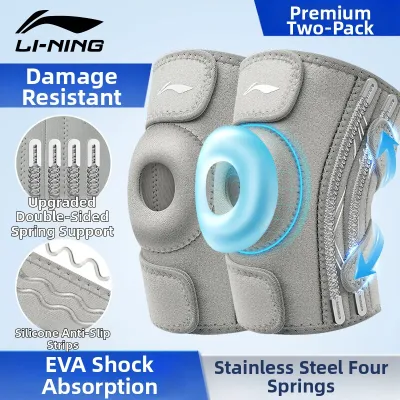
Prices are valid at publication and may change. Please refer to the product page for the latest price.
You should bypass self-treatment and consult an orthopedic specialist or physical therapist immediately if you experience any of the following “red flag” symptoms:
- Inability to Bear Weight: You cannot bear weight on the affected leg or walk more than a few steps without severe pain.
- Visible Deformity: The kneecap has shifted completely out of place, or the joint appears bent at an unnatural angle.
- Severe, Rapid Swelling: Swelling occurs within hours of an acute injury, which often indicates internal bleeding or a major ligament tear.
- Joint Locking: The knee is locked in a bent position, making it physically impossible to fully straighten or bend the leg, or the joint completely gives way under you.
- Signs of Infection: Redness, localized heat, and throbbing pain are accompanied by a fever, which are common indicators of a joint infection rather than mechanical strain.
If your pain is chronic but you decide to try a supportive brace, monitor your progress closely. If your symptoms do not improve within two weeks, or if the pain and swelling worsen despite wearing the support, discontinue use and schedule a professional medical assessment.
Identify Your Knee Pain: A Self-Assessment Guide
To choose the correct knee pain relief brace, you must first identify where the pain originates and what triggers it. Knee pain is rarely uniform, and different structural issues within the joint manifest in distinct ways. By paying close attention to your body’s signals during daily movements, you can categorize your discomfort and narrow down your options.

Localized Pain Below the Kneecap
If you experience a sharp, localized ache directly beneath your kneecap, your pain is likely related to the patellar tendon. This discomfort typically intensifies during activities that require sudden deceleration, jumping, running, or deep knee bends. You might notice it flare up when walking down stairs, stepping off a high curb, or squatting to lift an item from the floor.
In athletic circles, this is commonly referred to as “jumper’s knee” or patellar tendinitis, and it is caused by repetitive strain on the tendon that connects your kneecap to your shinbone. The pain is highly localized; pressing directly on the soft tissue just below the bony kneecap will usually trigger immediate tenderness.
General Ache, Stiffness, or Mild Swelling
Perhaps your discomfort is not sharp or localized, but rather a diffuse, dull ache that spreads across the entire knee joint. This type of pain is often accompanied by stiffness, especially when you first wake up in the morning or after sitting for long periods in an air-conditioned office or vehicle.
The joint may feel tight, warm, or slightly puffy, but it does not feel unstable or loose. This generalized discomfort is highly characteristic of mild osteoarthritis, age-related wear and tear, or general post-workout muscle and joint soreness. It typically responds well to gentle compression and retained body heat, which help promote blood circulation and soothe irritated nerve endings.
Instability, Ligament Strain, or Post-Surgery Recovery
A more serious category of knee pain involves structural instability. If you feel like your knee might “give out” or buckle when you try to pivot, change directions, or step off a jeepney, you are likely dealing with a ligament issue.
This sensation of wobbling, side-to-side looseness, or severe stiffness often follows an acute injury, such as a twist or collision on the sports field. It is common during recovery from sprains of the medial collateral ligament (MCL) or lateral collateral ligament (LCL), as well as during the rehabilitation phases following minor arthroscopic surgeries. In these scenarios, your joint lacks the mechanical integrity to keep itself aligned, meaning you require physical structural restriction rather than simple compression.
Match Your Symptoms to the Right Knee Pain Relief Brace
Once you have categorized your symptoms, you can match them to one of the four primary knee brace designs available on the market. Each design serves a specific mechanical purpose, and selecting the right one ensures you get the necessary support without unnecessarily restricting your mobility.
Patellar Straps for Targeted Tendon Relief
A patellar strap is a narrow, low-profile band that wraps tightly around the leg just below the kneecap. It features a dense silicone or foam tube that applies focused, localized pressure directly to the patellar tendon. By compressing this tendon, the strap slightly alters the angle at which the tendon pulls on the kneecap, effectively distributing the mechanical load and reducing the strain placed on the irritated tissue during movement.
This design is the ideal match for localized pain below the kneecap, such as patellar tendinitis or mild runner’s knee. Because it is small and lightweight, it is highly comfortable to wear in hot, tropical climates, as it leaves the back of the knee open to breathe and sweat freely. However, its primary limitation is that it offers zero structural joint stability, lateral support, or overall compression. If your pain stems from arthritis or ligament laxity, a patellar strap will not provide any relief.
Compression Sleeves for Warmth and Mild Support
Compression sleeves are elastic, pull-on tubes made from neoprene, knit fabric, or spandex blends. They slide over your foot and sit snugly around your entire knee joint, providing uniform compression, retaining body heat, and improving proprioception—your brain’s awareness of your joint’s position in space.
This design is the best match for general aches, mild swelling, and chronic stiffness associated with mild osteoarthritis. When shopping in the Philippines, look for 3D circular-knit fabric sleeves rather than thick neoprene. While neoprene is excellent for heat retention, it can trap sweat and cause severe skin irritation, heat rashes, or fungal infections in high-humidity environments. Breathable knit sleeves offer the same compression benefits while allowing airflow. The main limitation of a compression sleeve is its lack of mechanical restriction; it cannot prevent abnormal lateral shifting or hyperextension of the joint.
Wraparound Braces for Adjustable Swelling Control
Wraparound braces feature an open design with adjustable Velcro straps that wrap around the front and back of the knee. This allows you to customize the compression level to accommodate fluctuating swelling throughout the day. It also eliminates the need to pull a tight sleeve over a painful, swollen foot and calf, making it highly accessible for individuals with limited hand strength or mobility.
This style is the ideal choice for mild, acute injuries accompanied by moderate swelling, or for older adults managing chronic joint inflammation. You can loosen the straps when resting to prevent restricted circulation and tighten them when you need to stand or walk. However, wraparound braces tend to be bulkier than sleeves, making them difficult to wear discreetly under tight clothing. They also require frequent readjustment during vigorous physical activity, as the Velcro can shift or loosen under heavy sweat and repetitive motion.
Hinged Braces for Maximum Stability and Protection
Hinged braces represent the highest level of external joint support. They feature rigid side bars made of lightweight metal or hard plastic, connected by mechanical hinges that align with the natural bending point of your knee. These hinges allow the leg to bend and straighten naturally while completely blocking abnormal side-to-side (lateral) movements and preventing dangerous hyperextension.
This design is the definitive match for moderate-to-severe ligament recovery (such as MCL or LCL sprains), severe joint instability, or post-surgery protection. Because they are heavy, bulky, and structurally restrictive, they should generally only be used under the guidance of an orthopedic doctor or physical therapist. Improper alignment of the brace’s hinges with your anatomical joint can cause abnormal friction, worsen your pain, or even lead to secondary joint damage. Additionally, because of their size, they can be hot to wear, so look for models with open-back designs to maximize ventilation.
How to Ensure a Proper Fit and Safe Usage
To get the maximum benefit from your knee pain relief brace, you must ensure it fits correctly and is used safely. An ill-fitting brace can cause skin damage, restrict blood circulation, or fail to provide any functional support, rendering your investment useless.
To determine your correct size, do not rely on your general clothing size or a simple measurement of your kneecap. Instead, use a soft tape measure to record the circumference of your mid-thigh (typically 15 centimeters above the center of your kneecap) and your mid-calf (typically 12 to 15 centimeters below the kneecap). Compare these specific measurements to the manufacturer’s sizing chart, as sizing standards vary significantly between brands. If your measurements fall between two sizes, it is generally recommended to opt for the larger size to avoid excessive constriction, especially if you are prone to swelling.
When wearing your brace, follow these essential safety and care guidelines:
- Limit Wearing Duration: Wear your brace primarily during physical activity, standing, or walking. Unless specifically instructed by a medical professional, remove the brace when resting, sitting for long periods, or sleeping to allow your skin to breathe and prevent circulation issues.
- Maintain Skin Hygiene: In hot and humid tropical climates, sweat and bacteria accumulate rapidly beneath a brace. Wash your brace regularly by hand using mild soap and cool water, then allow it to air dry completely before wearing it again. Regularly inspect the skin beneath the brace for signs of redness, chafing, or heat rashes.
- Observe Safety Stop Conditions: Immediately remove the brace and consult a healthcare professional if you experience numbness, tingling, a "pins and needles" sensation, coldness in your toes, visible skin discoloration, or an increase in localized pain. These symptoms indicate that the brace is too tight, misaligned, or restricting blood flow and nerve conduction.
Frequently Asked Questions (FAQ)
Can I wear a knee brace all day?
While lightweight, highly breathable compression sleeves can often be worn for extended periods during your waking hours, tight wraparound braces and rigid hinged braces should not be worn all day. Restricting your joint’s movement and compressing the tissue for too long can lead to skin breakdown, severe moisture buildup, and restricted blood circulation. Always remove your brace during periods of prolonged rest or sleep to allow your tissues to recover and stay dry.
Will wearing a knee brace weaken my knee muscles?
A knee brace itself does not directly cause muscle atrophy, but relying on it as a permanent crutch can lead to muscle weakness over time. If you use a brace to completely bypass the natural work your muscles should be doing, your quadriceps, hamstrings, and calves may gradually weaken. To prevent this, view your brace as a temporary supportive aid. It should be used to facilitate movement and exercise, not replace active rehabilitation, muscle strengthening, and mobility training prescribed by a physical therapist.
Community discussion
Share your experience or ask a question. Comments are reviewed before publication.