
Selecting the right knee sleeve is not a one-size-fits-all decision. The ideal sleeve depends entirely on matching the specific biomechanical demands of your sport with the correct material thickness, compression level, and design features. While a heavy-duty, thick sleeve provides the rigid stability needed to secure a lifter’s joints under a heavy barbell, that same sleeve will restrict a runner’s stride, trap sweat, and cause painful chafing within the first kilometer. Conversely, a lightweight, highly breathable sleeve designed for endurance running will fail to offer the structural reinforcement required during a heavy squat or a sudden lateral cut on the basketball court. To optimize your performance and protect your joints, you must evaluate how different sleeve types handle compression, heat, and movement.
Understanding Knee Sleeve Support Levels and Materials
Knee sleeves generally fall into three compression categories: mild, moderate, and firm. Mild compression sleeves, often made of thin knit fabrics, are designed primarily to increase local blood flow and provide proprioception—the sensory feedback that helps you feel your joint’s position in space. Moderate compression sleeves balance flexibility and support, making them highly versatile for dynamic activities. Firm compression sleeves, typically constructed from dense neoprene, offer maximum joint stabilization by physically resisting joint deviation under heavy loads. Choosing between these levels requires balancing your need for unrestricted athletic movement against the level of joint protection your sport demands.
Material choice is equally critical, especially when training in warm, humid environments like the Philippines. Neoprene is the industry standard for structural support and heat retention, which keeps joints lubricated but can trap sweat during intense workouts. Nylon and spandex blends offer superior breathability and moisture-wicking properties, keeping your skin dry and reducing the risk of bacterial buildup. Some modern sleeves feature copper-infused fabrics or specialized synthetic weaves designed to minimize odor, though you should always verify these performance claims against the manufacturer’s care instructions rather than assuming permanent efficacy.
Products mentioned in this guide
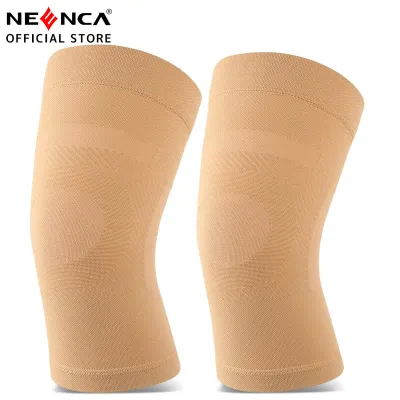
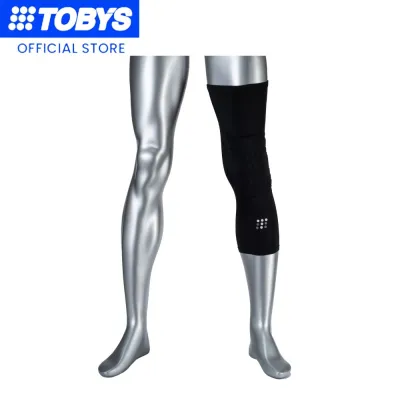
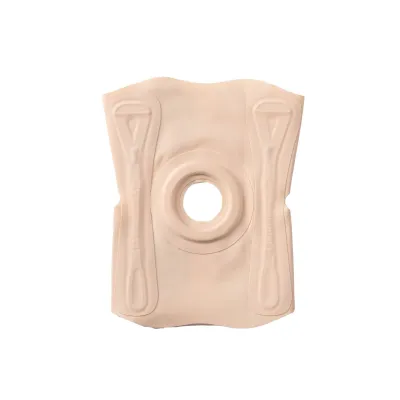
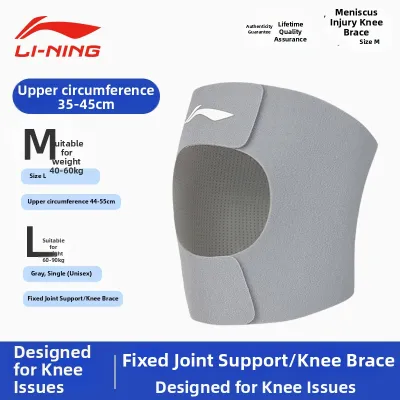
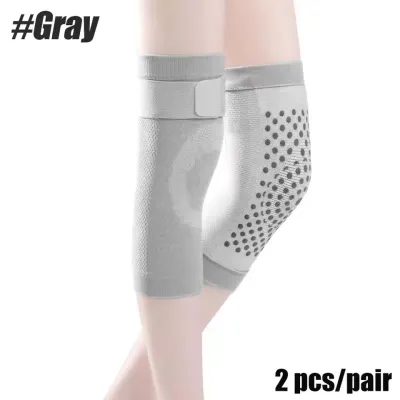
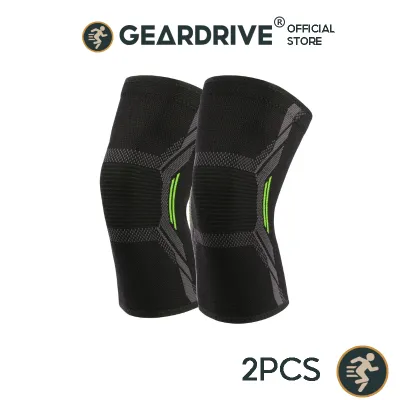
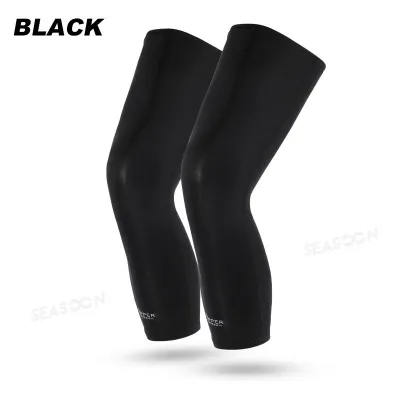
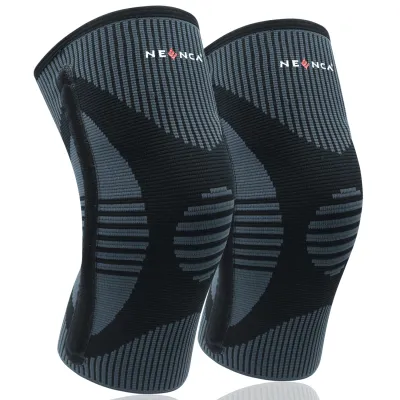
Prices are valid at publication and may change. Please refer to the product page for the latest price.
Thickness specifications, usually ranging from 3mm to 7mm, serve as a direct indicator of a sleeve’s rigidity. A 3mm sleeve is highly flexible and lightweight, ideal for endurance sports where movement restriction must be minimized. A 5mm sleeve serves as a versatile middle ground, offering moderate support for general gym training, cross-training, or casual sports. A 7mm sleeve is thick and rigid, designed specifically to provide maximum mechanical support during heavy, linear lifting. Always check the manufacturer’s product label to confirm the exact thickness and material composition before purchasing.
Best Knee Sleeve Features for Weightlifting
Weightlifting and powerlifting place immense axial loads on the knee joints, requiring a sleeve that prioritizes maximum stability and warmth. For these activities, a 7mm neoprene sleeve is generally the standard choice. The thick neoprene compresses the joint tightly, which helps maintain patellar alignment and retains therapeutic heat to keep the synovial fluid in the joint warm and viscous. This structural reinforcement is highly beneficial during deep squats, clean and jerks, and snatches, where the knees experience peak forces at the bottom of the movement.

However, this high level of support comes with flexibility limits that you must manage. A sleeve that is too rigid or poorly designed can pinch behind the knee, restrict blood flow, or alter your natural lifting mechanics. When trying on a lifting sleeve, perform a bodyweight squat to ensure you can reach full depth without the material bunching excessively or cutting off circulation. The sleeve should feel tight and supportive, but it should never cause numbness, tingling, or sharp pain in your lower legs.
To ensure the sleeve functions correctly, accurate fit verification is essential. To find your size, use a flexible measuring tape to measure the circumference of your knee joint, typically around the center of the patella or just below it with your leg slightly bent at a 30-degree angle. Always compare your exact measurement to the manufacturer’s specific sizing chart, as sizing standards vary significantly between brands. Avoid the temptation to size down for “extra support,” as an overly tight sleeve can damage the seams, restrict circulation, and degrade the material prematurely.
Ideal Knee Sleeve Designs for Running
Running is a repetitive, high-impact activity that requires a knee sleeve designed for long-term comfort, moisture management, and mild to moderate joint tracking. Unlike weightlifters, runners do not need heavy mechanical stabilization; instead, they require a lightweight, highly breathable sleeve that moves naturally with each stride. A 3mm nylon or spandex blend is ideal for running, as it provides light compression to aid circulation and joint awareness without adding unnecessary weight or trapping excessive heat during long runs in tropical humidity.
For runners dealing with minor patellar discomfort, specialized designs featuring built-in patella tracking support are highly beneficial. Look for sleeves that incorporate a circular silicone gel pad or targeted 3D knitting around the kneecap. These features help distribute impact forces more evenly across the joint and encourage proper patellar alignment as your leg repeatedly flexes and extends. This targeted compression can help manage the repetitive vibrations associated with running on hard asphalt or concrete surfaces.
Anti-chafing features are another critical consideration for endurance athletes. Because your legs perform thousands of identical strides during a single run, any minor friction point can quickly turn into a painful blister or rash. Look for sleeves with seamless flatlock stitching and integrated silicone grip strips along the top and bottom hems. These grip strips keep the sleeve securely in place, preventing it from sliding down your thigh or bunching behind your knee, which are common causes of skin irritation during long-distance training.
Choosing Knee Sleeves for Basketball
Basketball is a dynamic sport characterized by explosive vertical jumps, sudden deceleration, and rapid lateral cuts. These multi-directional movements subject the knees to complex shear forces, requiring a sleeve that offers a balance of agility, impact protection, and lateral stability. A 5mm neoprene sleeve or a heavy-duty, structured knit sleeve is often the ideal choice for basketball players, providing enough structural support to protect the joint during hard landings while remaining flexible enough for fast breaks and defensive slides.
To manage the intense lateral forces of cutting and pivoting, look for basketball-specific sleeves that feature integrated side stabilizers. These can include flexible plastic stays, coiled steel springs, or adjustable cross-straps built into the sides of the sleeve. These stabilizers help reinforce the medial and lateral ligaments of the knee without locking out your ability to bend and straighten your leg. Adjustable strap designs allow you to customize the tightness and support level based on your immediate comfort and the intensity of the game.
Durability and court grip are also vital when playing on hard court surfaces, whether indoor hardwood or outdoor concrete. Basketball players frequently dive for loose balls or make contact with other players, which can subject the sleeve to severe abrasion. Choose sleeves constructed with reinforced outer panels, such as Kevlar or high-density nylon weaves, to prevent tearing. Additionally, ensure the inner lining features high-quality anti-slip properties so the sleeve remains securely positioned even when your legs are heavily covered in sweat.
Cross-Sport Compatibility: Can One Sleeve Do It All?
If you participate in multiple sports or enjoy general fitness training, you might wonder if a single knee sleeve can handle all your activities. A medium-thickness 5mm neoprene sleeve or a high-quality, structured knit sleeve with adjustable compression wraps offers the best compromise for general gym use. This middle-ground option provides enough warmth and stability for moderate squats and lunges, while remaining flexible and breathable enough for short treadmill runs or a casual pickup game of basketball.
However, a single compromise sleeve has clear limitations when pushed to sport-specific extremes. If your primary focus is heavy powerlifting, a 5mm sleeve will not provide the rigid mechanical rebound of a 7mm lifting sleeve. Conversely, if you run long distances, a 5mm neoprene sleeve will quickly become hot, heavy, and prone to causing chafing. A practical decision framework is to allocate your budget based on your primary, highest-impact sport. If you spend 80% of your training time lifting weights, buy a dedicated 7mm lifting sleeve first, and consider a cheaper, lighter knit sleeve for occasional cardio sessions.
Stop using a general-purpose sleeve and invest in specialized gear the moment you experience persistent joint discomfort, movement restrictions, or if the sleeve interferes with your sport’s specific mechanics. For example, if a thick sleeve prevents you from achieving a natural running stride, or if a thin running sleeve fails to keep your knee stable during heavy lifts, using the wrong gear can do more harm than good. Specialized equipment is designed to match specific movement patterns, and forcing a single sleeve to do everything can compromise both your safety and performance.
Fit, Care, and When to Replace Your Knee Sleeve
Properly donning and doffing your knee sleeve is the first step in preserving its lifespan. Avoid grabbing the sleeve by the top edge and pulling with force, as this stretches out the elastic fibers and can tear the seams over time. Instead, fold the sleeve in half inside-out, slide it up your calf until the bottom edge sits just below your knee, and then unfold the top half up over your thigh. When removing the sleeve, slide it down from the top in a controlled, rolling motion to minimize stress on the fabric.
To maintain hygiene and preserve material integrity, always follow the manufacturer’s care labels. Most knee sleeves should be hand-washed in cold water using a mild detergent to break down sweat oils and bacteria. Avoid using bleach, fabric softeners, or harsh chemicals, which can degrade neoprene and synthetic elastics. After washing, gently squeeze out excess water without wringing the sleeve, and lay it flat to air-dry in a well-ventilated area away from direct tropical sunlight, as extreme heat can cause neoprene to crack and lose its elasticity.
Even with meticulous care, knee sleeves are subject to wear and tear and will eventually need replacement. Key signals that your sleeve has reached the end of its functional life include a noticeable loss of compression, stretched-out hems, or cracked silicone grip strips that no longer keep the sleeve in place. Additionally, if the material has thinned significantly at the kneecap or if the sleeve retains a persistent, sour odor even after a thorough wash, it is time to replace it. Continuing to use a worn-out sleeve offers little to no joint support and can lead to skin irritation.
Frequently Asked Questions (FAQ)
Should I wear a knee sleeve on both knees or just the injured one?
If you are recovering from a minor strain or have a history of localized joint discomfort, wearing a sleeve on just the affected knee is generally sufficient to provide targeted support and warmth. However, many athletes choose to wear sleeves on both knees during high-intensity training to maintain bilateral symmetry and ensure balanced sensory feedback. Wearing a sleeve on only one side can sometimes cause you to unconsciously favor one leg, potentially altering your movement mechanics and placing uneven stress on your joints.
Can wearing a knee sleeve weaken my knee muscles over time?
No, wearing a standard compression knee sleeve will not cause your muscles to atrophy or weaken. Unlike rigid medical braces or casts that completely immobilize the joint and offload the muscles, a flexible knee sleeve simply provides compression, warmth, and sensory feedback while allowing your muscles to fully engage. However, a sleeve is not a substitute for targeted strength training; you must continue to perform exercises that strengthen the quadriceps, hamstrings, and glutes to ensure long-term joint health.
How tight should a knee sleeve feel during a workout?
A properly fitting knee sleeve should feel snug, offering firm, even compression around the entire joint without restricting your range of motion. It should stay securely in place during movement without sliding down, but it should never pinch, bunch painfully behind the knee, or cut off your circulation. If you experience coldness in your feet, numbness, tingling, or deep red marks on your skin after removing the sleeve, it is too tight and you should size up immediately to prevent vascular restriction.
Community discussion
Share your experience or ask a question. Comments are reviewed before publication.