
Building a strong, well-developed back requires consistent vertical pulling movements, and the lat pulldown is one of the most effective exercises for isolating the latissimus dorsi. However, choosing the right equipment setup for your home gym depends heavily on your available space, budget, and training style. You do not necessarily need a massive commercial machine to get a high-quality workout; instead, you can choose between a dedicated standalone cable tower, a space-saving power rack pulley attachment, or a highly portable resistance band setup. Each option offers distinct advantages in terms of resistance profile, footprint, and cost.
Assess Your Space, Budget, and Training Goals
Before browsing online marketplaces or visiting local fitness showrooms, you must measure your training area carefully. Vertical clearance is the most critical physical constraint for any overhead pulling movement. A standard lat pulldown setup requires enough height for you to sit comfortably on a bench or seat with your arms fully extended upward without the weight plates or cable carriage hitting the top pulley. In many homes in the Philippines, ceiling heights can vary significantly between modern high-rise condominiums, traditional townhouses, and ground-floor garage spaces. Ensure you have at least 2.1 to 2.4 meters of vertical clearance, and account for the extra height needed to mount the equipment or slide weight plates onto the pegs.
Financial planning is the next step in narrowing down your choices. Equipment costs can be categorized into distinct tiers. Entry-level resistance band setups are highly affordable, typically costing under ₱2,000. Mid-range pulley attachments designed for existing power racks generally range from ₱5,000 to ₱15,000, depending on the complexity of the cable routing and the materials used. Dedicated standalone cable towers represent a premium investment, often starting at ₱25,000 and climbing much higher for selectorized weight stacks. When calculating your budget, remember to factor in hidden costs such as shipping fees for heavy steel parts, protective rubber floor mats, and the cost of Olympic or standard weight plates if they are not included with the machine.
Products mentioned in this guide

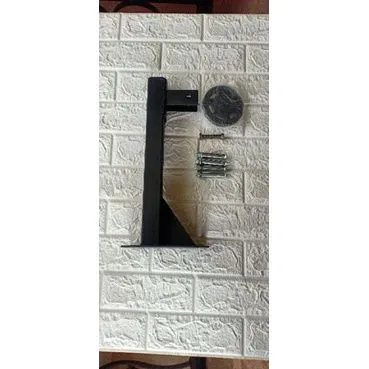

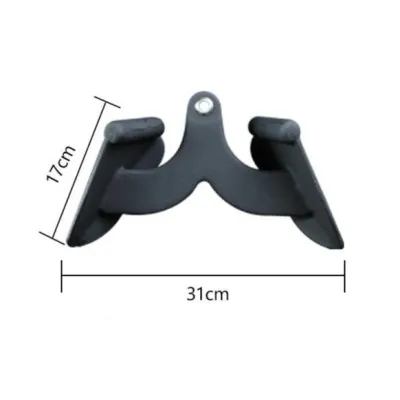
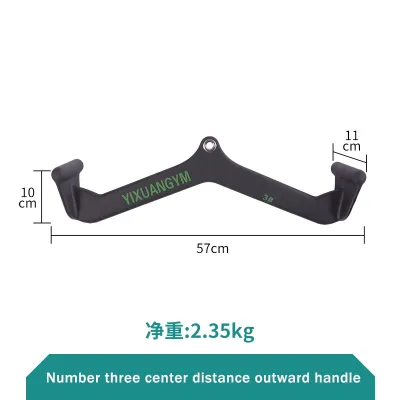
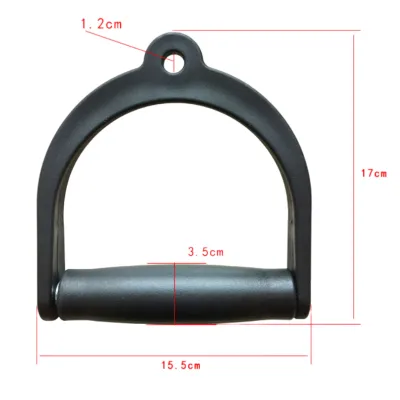
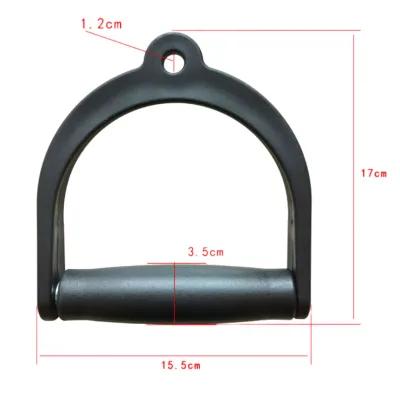
Prices are valid at publication and may change. Please refer to the product page for the latest price.
Finally, evaluate your specific training goals and experience level. If your primary objective is progressive overload with precise, incremental weight adjustments, a cable-based system is highly advantageous. Beginners may find the guided path of a standalone machine easier to learn, while advanced lifters might require the high load capacity of a heavy-duty rack attachment. Consider how often you train and whether you need a setup that allows for quick transitions between exercises, such as drop sets or supersets.
Full Cable Tower: Best for Dedicated Home Gyms
A standalone cable tower is the gold standard for lifters who have a dedicated garage gym or a spacious spare room. These machines are engineered specifically for vertical pulling and pushing movements, providing an exceptionally smooth and stable exercise experience. When shopping for a full tower, you will choose between a selectorized weight stack and a plate-loaded carriage. Selectorized machines use a pin to adjust the weight instantly, making them highly convenient for fast-paced workouts, though they carry a higher upfront cost. Plate-loaded towers are more budget-friendly and allow you to utilize the weight plates you already own, but they require manual loading and unloading between sets.

Stability is a crucial safety factor for standalone towers. Because you are pulling heavy loads downward, the machine must remain perfectly upright and wobble-free. Many manufacturers recommend anchoring the frame directly to the floor. In tropical environments where concrete floors are standard in ground-level rooms and garages, this requires drilling and installing masonry anchors. If you cannot anchor the machine, look for models with a wide, heavy base and integrated transport wheels that allow for minor adjustments while maintaining structural integrity.
Maintenance is another consideration for dedicated cable machines. To keep the movement smooth and prevent premature wear, you must regularly inspect the cables for fraying, clean the guide rods, and apply a silicone-based lubricant. High humidity levels can accelerate rust on exposed steel parts, so choosing a machine with a powder-coated finish and keeping the guide rods clean is essential for long-term durability.
Pulley Attachments: Best for Existing Power Racks
If you already own a power rack or squat stand, a pulley attachment is an incredibly efficient way to add lat pulldowns to your routine without sacrificing valuable floor space. These systems typically consist of a high pulley mounted to the top crossmember, a low pulley near the base, and a steel cable that connects to a plate-loaded carriage or a free-hanging weight peg. By utilizing the existing steel frame of your rack, you save both money and space, making this a highly popular option for compact home gyms.
Compatibility is the most critical factor when purchasing a rack attachment. There is no universal standard for power rack dimensions, so you must verify the exact specifications of your uprights before buying. Measure the outer dimensions of the steel tubing (such as 50x50mm, 60x60mm, or 75x75mm), the diameter of the accessory holes, and the spacing between those holes. Many manufacturers design attachments specifically for their own rack models, so cross-brand compatibility is never guaranteed. Always check the manufacturer’s compatibility charts to ensure a secure fit.
You must also respect the structural weight limits of both your power rack and the pulley attachment itself. Check the user manual for the maximum weight rating of the cable and pulley wheels, which is often lower than the static weight capacity of the rack’s safety bars. Proper installation is vital: ensure all bolts are tightened to the specified torque, the cable is routed exactly as shown in the instructions, and the safety pins are fully engaged before performing your first set.
Resistance Band Setups: Best for Small Spaces and Travel
For those living in compact apartments, renting a space where drilling is prohibited, or traveling frequently, a resistance band setup offers a highly practical and affordable alternative. This setup requires no heavy steel frames or iron plates; instead, it relies on heavy-duty latex loop bands or tube bands with handles, anchored to a secure overhead structure. It is an excellent way to maintain your fitness routine without dedicating a permanent corner of your room to bulky gym equipment.
Safety when using resistance bands centers entirely on your anchor points. You must ensure that whatever structure you attach the bands to can easily withstand dynamic downward and lateral forces. If you are using a door anchor, always place it on the hinge side of a solid-wood door that closes toward you, and lock the door to prevent anyone from opening it mid-set. Avoid anchoring bands to lightweight furniture, curtain rods, or non-structural fixtures, as these can easily break or tip over, leading to severe impact injuries.
It is important to understand that resistance bands have a very different tension profile than cables. Cable machines provide constant tension throughout the entire range of motion. In contrast, resistance bands feature a variable resistance curve: the tension is lightest at the beginning of the movement (when your arms are fully extended) and becomes progressively heavier as the band stretches toward your chest. While this is highly effective for peak muscle contraction, it makes tracking precise progressive overload more challenging. Once you can easily pull the heaviest bands with proper form, you may reach a progression limit where transitioning to weighted equipment becomes necessary for continued strength gains.
Decision Matrix: Matching Your Profile to the Right Equipment
To finalize your decision, match your living situation and training style to the most suitable setup. If you live in a high-rise apartment in Manila where space is at a premium and noise from dropping weights must be avoided, a high-quality resistance band set with a secure door anchor is the most practical choice. If you are a dedicated lifter who already owns a power rack in a garage or spare room, investing in a compatible pulley attachment maximizes your training versatility while preserving floor space. For those building a premium, dedicated home gym with ample space and a flexible budget, a standalone cable tower provides the ultimate commercial-grade experience.
Before making any purchase, perform a final pre-purchase checklist. Verify the warranty terms, especially for wear-and-tear items like cables and pulleys, and check the seller’s return policy for heavy fitness equipment, as return shipping can be exceptionally costly. If you are planning to mount heavy brackets to your walls or ceiling to support a custom pulley system, stop and consult a qualified structural professional or contractor to ensure your home’s structure can safely bear the dynamic loads.
Frequently Asked Questions (FAQ)
Can I build a DIY lat pulldown machine safely?
Building a homemade lat pulldown system using hardware store pulleys, climbing ropes, and basic brackets carries significant safety risks. Standard hardware store components are often rated only for static loads, not the dynamic, high-velocity forces generated during strength training. If a DIY pulley or cable fails overhead, heavy weight plates can fall directly onto your head or shoulders, causing severe injury. For your safety, it is highly recommended to rely on commercially tested and certified fitness equipment that has been engineered specifically to handle dynamic athletic loads.
Do I need a lat pulldown machine if I already do pull-ups?
While pull-ups are an outstanding bodyweight exercise for back development, a lat pulldown machine offers unique training advantages that complement your routine. Pull-ups require you to lift your entire body weight, which can make high-volume training, drop sets, or rehabilitation exercises difficult if you cannot yet perform multiple strict repetitions. A lat pulldown allows you to adjust the resistance to any level, making it easier to isolate the lat muscles, perform high-repetition hypertrophy work, and control the eccentric phase of the movement. If your goals include targeted muscle isolation or if you are recovering from an injury, adding a pulldown setup to your routine is highly beneficial.
Community discussion
Share your experience or ask a question. Comments are reviewed before publication.