
To choose the right Li-Ning referee whistle for football matches in the Philippines, you must prioritize high-decibel pealess models that can pierce through outdoor wind, heavy tropical rain, and crowd noise. While Li-Ning manufactures a wide array of sports accessories, a football referee needs a whistle designed specifically for open-field acoustic projection, dental safety, and high-humidity durability. Choosing a generic or indoor whistle can lead to missed calls, player confusion, and a loss of match control on a spacious outdoor pitch.
Officiating a football match requires quick decision-making and instant communication. The whistle is your primary tool for asserting authority, signaling fouls, and managing the tempo of the game. In the Philippines, where local matches are often played on open fields exposed to unpredictable weather, your equipment must be reliable under all conditions. This guide breaks down the essential features of Li-Ning whistles, helping you select the perfect model based on your officiating level, physical comfort, and match environment.
Quick Guide: Choosing Your Li-Ning Whistle for Football
Navigating the wide selection of sports accessories offered by Li-Ning requires a clear understanding of your specific officiating needs. Before purchasing, it is helpful to establish a simple decision framework based on three main pillars: match environment, whistle mechanics, and physical comfort over a full 90-minute game. By focusing on these factors, you can easily filter out generic multi-sport options and identify the models engineered specifically for outdoor football pitches.
Products mentioned in this guide
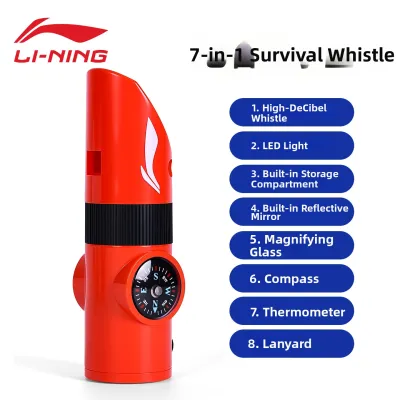
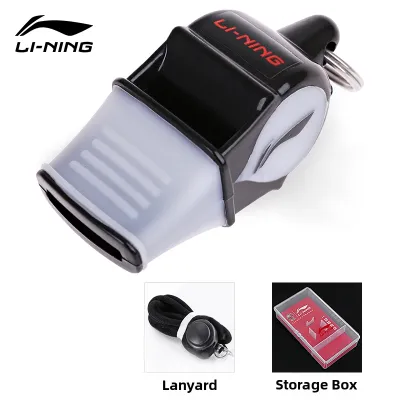
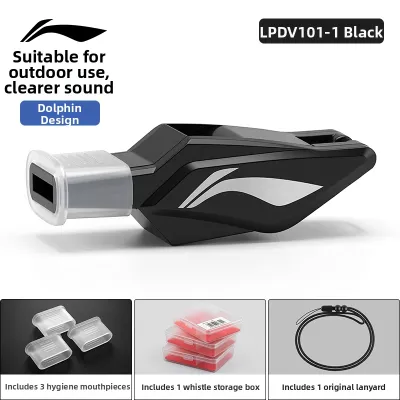
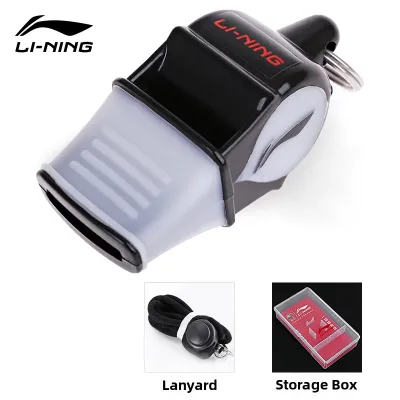
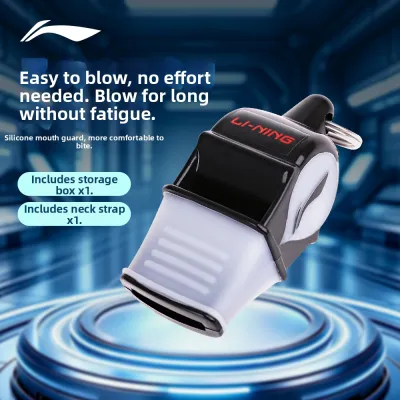
Prices are valid at publication and may change. Please refer to the product page for the latest price.
The match environment dictates the volume and frequency your whistle must produce. Outdoor football pitches are large, open spaces where sound disperses quickly, especially when wind or rain is present. Whistle mechanics, specifically the choice between pea and pealess designs, directly affect how reliable your signal will be when exposed to moisture and intense blowing. Finally, physical comfort ensures you can carry and blow the whistle safely without experiencing jaw fatigue or dental risks.
Li-Ning provides sports gear for various athletic disciplines, meaning some of their whistles are optimized for indoor gymnasiums or general physical education classes. As a football referee, your goal is to select a model that delivers high-decibel, clear tones capable of commanding attention across a 100-meter field. Whether you are refereeing grassroots youth games on weekend mornings or officiating competitive amateur leagues under intense pressure, matching your whistle to your specific match level is the key to a successful performance.
Essential Sound and Design Features to Evaluate
When shopping for a Li-Ning referee whistle, it is easy to get distracted by aesthetic designs or generic marketing terms. To make an informed decision, you must evaluate specific technical features and design elements. Checking these details on product descriptions, packaging, or physical labels ensures that your chosen model meets the rigorous demands of football officiating.

Pealess vs. Pea Whistles (Sound Projection)
The internal mechanism of a whistle determines its acoustic performance and reliability. Traditional whistles contain a small spherical “pea” made of cork or synthetic material inside the sound chamber. As air passes through, the pea moves rapidly, creating a classic vibrato or trilling sound. While this design produces a familiar tone, it presents significant drawbacks for outdoor football matches. In the humid climate of the Philippines, or during matches played in heavy rain, moisture from your breath and the environment can cause the pea to stick to the inner chamber wall. When this happens, the whistle fails to sound, resulting in a weak hiss that players cannot hear.
To avoid this risk, outdoor football referees generally prefer pealess whistles. These models utilize advanced, multi-chamber designs that split the airflow to generate a high-frequency, piercing sound without any moving parts. Because there is no pea to get stuck, pealess whistles are exceptionally reliable in wet conditions. If you blow harder, the volume increases consistently without the risk of jamming the mechanism. When reviewing Li-Ning’s product offerings, look specifically for descriptions that mention “pealess,” “dual-tone,” or “high-frequency” capabilities to ensure your whistle can cut through wind, rain, and loud crowd noise.
Material and Build Quality
The materials used in a whistle’s construction affect its durability, weight, and safety. Most modern whistles are made from either high-density ABS plastic or metal alloys. For football refereeing, high-quality ABS plastic is almost always the superior choice. ABS is highly resistant to impacts, meaning it will not crack easily if dropped on hard ground, gravel, or turf. Additionally, plastic does not conduct heat or cold like metal does. During hot afternoon matches in the Philippines, a metal whistle left in the sun can become painfully hot to the touch and uncomfortable to hold in your mouth.
Furthermore, ABS plastic is much safer for your teeth. If a player accidentally collides with you or if you trip while running, a metal whistle can easily chip your teeth or cause severe lip lacerations. When purchasing a Li-Ning whistle, verify the material specifications printed on the product label or official description. Look for reinforced, non-toxic ABS plastic to ensure long-lasting durability and safety on the pitch. Keep in mind that material names alone do not guarantee impact resistance, so look for models with solid, seamless construction.
Mouthpiece and Lanyard Ergonomics
Officiating a 90-minute football match requires you to keep your whistle close at hand, often holding it between your teeth while running to position yourself for the next call. This constant pressure can lead to jaw fatigue and dental discomfort if the mouthpiece is poorly designed. To prevent this, look for Li-Ning whistles that feature a soft-touch, integrated silicone or rubberized bite guard. This protective sleeve cushions your teeth against the hard plastic body of the whistle, providing a secure grip and reducing the physical strain on your jaw.
The lanyard is another critical component that directly impacts your safety and convenience. A reliable referee lanyard should be made of durable, moisture-resistant nylon or polyester that can withstand heavy sweat and rain without degrading. It should feature an adjustable slide, allowing you to secure the whistle comfortably around your neck or wrist according to your preference. Most importantly, ensure the lanyard includes a breakaway safety clasp. This safety feature ensures that if the lanyard is grabbed by a player or caught on equipment during a match, the clasp will release instantly under tension, preventing choking hazards or neck injuries.
Matching the Whistle to Your Officiating Level
Every football match has its own unique atmosphere, noise level, and competitive stakes. A whistle that is perfect for a quiet training session might be completely ineffective in a crowded stadium. To choose the right Li-Ning model, you must match the whistle’s acoustic profile and design to the specific level of matches you officiate.
Grassroots, Youth, and Training Matches
In grassroots football, youth leagues, and school training sessions, the environment is generally controlled and relatively quiet. These matches are often played on smaller pitches or divided fields, where multiple games might be occurring simultaneously. In these settings, using an extremely loud, high-decibel professional whistle can actually be counterproductive. A piercing, deafening blast can startle or intimidate younger players, disrupting their focus and learning experience. Additionally, if multiple fields are close together, an excessively loud whistle can confuse players on adjacent pitches, leading to unnecessary stoppages.
For these developmental environments, prioritize Li-Ning’s entry-level or multi-sport whistle lines. These models are typically designed with a standard acoustic output that is clear and consistent without being overwhelming. They focus on lightweight comfort, simple air-flow mechanics, and excellent cost-effectiveness. When refereeing youth matches, your primary goal is to communicate clearly and calmly. A whistle with a moderate, distinct tone allows you to signal fouls, out-of-bounds play, and substitutions effectively while maintaining a positive, non-threatening atmosphere on the pitch.
When selecting a whistle for training, look for models that require minimal blowing effort to produce a clear sound. This is especially helpful for coaches and physical education teachers who need to use the whistle repeatedly throughout a long training session. Prioritizing comfort and ease of use over sheer volume will make your officiating experience much more pleasant and effective.
Competitive, Amateur, and Professional Leagues
Competitive amateur leagues, regional tournaments, and high-stakes club matches present a highly demanding acoustic environment. These games are played on full-sized pitches where players are spread out over large distances. The atmosphere is often loud, filled with shouting players, passionate coaches calling out instructions from the technical areas, and spectators cheering from the sidelines. Additionally, outdoor weather elements like strong winds or heavy rain can quickly muffle weaker sounds. In these high-pressure situations, your whistle must command immediate, unquestioned authority.
For competitive matches, you should invest in Li-Ning’s professional-grade, high-decibel referee whistles. These premium models are engineered with advanced dual-chamber or triple-chamber pealess designs that produce a sharp, piercing sound, often exceeding 115 decibels. The high-frequency tone is specifically tuned to cut through dense ambient noise, ensuring that every player, coach, and spectator on the pitch hears your signal instantly. A powerful whistle is essential for maintaining control of the game; a weak or delayed signal can lead to players continuing to play after a foul, which can result in injuries or heated confrontations on the field.
When evaluating professional Li-Ning models, pay close attention to the acoustic specifications. Look for whistles that offer a consistent, high-frequency sound output that does not crack or distort when blown with maximum force. Having a whistle that delivers a sharp, authoritative tone gives you the confidence to manage intense, fast-paced matches effectively, keeping the game safe and fair for everyone involved.
Purchasing and Verifying Your Li-Ning Referee Whistle
To ensure you receive a genuine, high-quality product, it is essential to be careful about where and how you purchase your Li-Ning referee whistle. Counterfeit sports equipment is common in online marketplaces, and knock-off whistles often suffer from poor air sealing, thin plastics, and inconsistent sound output. To protect your investment, always purchase through Li-Ning’s official brand stores, authorized physical sports retailers, or recognized e-commerce platforms in the Philippines.
When your whistle arrives, take a few minutes to verify its authenticity before heading to the pitch. Genuine Li-Ning products are packaged in high-quality boxes or blister packs with clear, professional printing. Look for detailed manufacturer specifications, safety warnings, and material listings printed on the packaging. Many authentic Li-Ning items also feature a holographic security sticker with a scratch-off panel. Scratching this panel reveals a unique serial code that you can enter on the official Li-Ning verification website to confirm the product is genuine.
Once you have verified your whistle, perform a safe testing protocol before using it in a match. Always test your whistle in an open outdoor area, such as a backyard or park. Never blow a high-decibel referee whistle indoors or close to your own or others’ ears, as the intense sound pressure can cause temporary hearing loss or tinnitus. Blow the whistle with varying levels of force to ensure there are no air leaks around the mouthpiece or seams. Check that the sound is clear, sharp, and consistent, and verify that the lanyard and bite guard are securely attached.
Maintenance and Hygiene for Football Officials
Proper maintenance and hygiene are critical for extending the lifespan of your referee whistle and protecting your health. Because a whistle is in constant contact with your saliva, sweat, and environmental dirt, it can quickly become a breeding ground for bacteria, mold, and viruses if left uncleaned. This is particularly true in the warm, humid climate of the Philippines, where moisture and bacteria thrive.
Establish a regular cleaning routine after every match. Rinse your whistle thoroughly under warm, running water to wash away saliva and surface dirt. Apply a small amount of mild dish soap and use a soft-bristled brush, such as an old toothbrush, to gently clean the mouthpiece and the internal air chambers. Avoid using harsh chemical cleaners, bleach, or boiling water, as these can degrade the ABS plastic, damage the internal acoustic chambers, or melt the rubberized bite guards.
After rinsing the whistle, shake it vigorously to expel any trapped water from the internal chambers. This step is crucial because standing water inside a pealess whistle can muffle the sound during your next use. Place the whistle in a well-ventilated, shady area to air dry completely before storing it in your referee bag. Never store a damp whistle in a closed, airtight compartment, as this will promote the growth of mold and unpleasant odors. Finally, regularly inspect the lanyard for signs of fraying and check the bite guard for cracks or wear, replacing them as needed to maintain safety and comfort.
Frequently Asked Questions (FAQ)
Can I use a Li-Ning basketball whistle for football?
While you can physically blow a basketball whistle on a football pitch, it is not recommended for competitive matches. Basketball whistles are acoustically tuned for indoor gymnasiums, where sound reflects off hard walls and ceilings. They often feature a lower pitch or a different resonance that struggles to carry across a large, open-air football field. To ensure your signals are heard clearly over long distances, through wind, and across a noisy outdoor pitch, always choose a Li-Ning whistle specifically designed or labeled for outdoor field sports.
How do I clean and dry my whistle after a match in heavy rain?
If you officiate a match during a heavy tropical downpour, your whistle will likely be filled with rainwater and mud. Immediately after the game, shake the whistle vigorously to expel excess water from the chambers. Rinse it thoroughly with clean, warm tap water to remove any grit or dirt. Hang the whistle by its lanyard in an open, airy indoor space to dry naturally. Never use high-heat sources like hairdryers, ovens, or direct midday sunlight to dry the whistle, as extreme heat can warp the ABS plastic and degrade the silicone bite guard.
Community discussion
Share your experience or ask a question. Comments are reviewed before publication.