
Choosing the right salbabida depends entirely on your specific water activity, swimming ability, and the environmental conditions you will face. While a simple foam ring might be fine for a controlled pool environment, open-water boating or high-impact sports require specialized personal flotation devices with secure straps and verified buoyancy. In the Philippines, where weekend trips often transition from calm resort pools to unpredictable coastal waters, understanding the limits of your gear is essential. Matching your equipment to your skill level and the environment ensures you stay safe while enjoying the water.
Understanding the Main Types of Salbabida
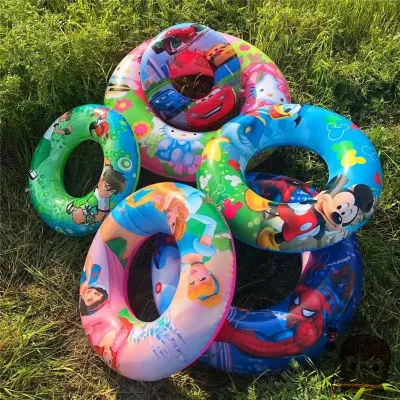
To choose the right gear, you must first distinguish between basic swimming aids, standard life jackets, and specialized personal flotation devices. In common local usage, the term salbabida covers everything from inflatable novelty rings to heavy-duty marine safety vests. However, confusing a recreational water toy with certified safety gear can have serious consequences in an emergency. Recreational inflatables and basic foam rings are designed solely for leisure in shallow, supervised areas. They lack the structural integrity, secure fastening systems, and reliable buoyancy required to keep a person afloat in rough or deep water.
Standard life jackets and active personal flotation devices serve very different functional purposes. A traditional life jacket is typically designed to turn an unconscious person in the water from a face-down position to a face-up position, keeping their airway clear of the water. These devices often feature a large, buoyant collar and concentrated flotation material in the front, which can make them bulky and restrictive during active movement. In contrast, active personal flotation devices are engineered for mobility and comfort during physical activities. They distribute buoyancy more evenly around the torso and feature larger armholes, allowing you to paddle, swim, or steer without restriction. However, they may not automatically turn an unconscious wearer face-up, making them more suitable for conscious, active swimmers.
Products mentioned in this guide
Prices are valid at publication and may change. Please refer to the product page for the latest price.
When selecting a device, you should never rely on visual appearance, color, or thickness as indicators of safety. A thick foam vest is not automatically safer than a streamlined, high-tech model. Instead, always inspect the manufacturer label for the intended use, weight limits, and buoyancy ratings. These labels provide the only reliable verification of what conditions the device can handle, helping you avoid under-equipped gear when heading into open water.
Matching Your Salbabida to Specific Water Activities
Selecting the right flotation gear requires a clear decision framework based on your activity type, local water conditions, and the physical range of motion you need. A device optimized for one scenario is rarely suitable for another. For instance, a bulky offshore vest will hinder your paddling stroke in a kayak, while a low-profile swimming aid will fail to provide adequate protection if you are thrown from a jet ski at high speed. Assessing these factors beforehand prevents gear failure and ensures comfort.

Pool Swimming and Leisure Wading
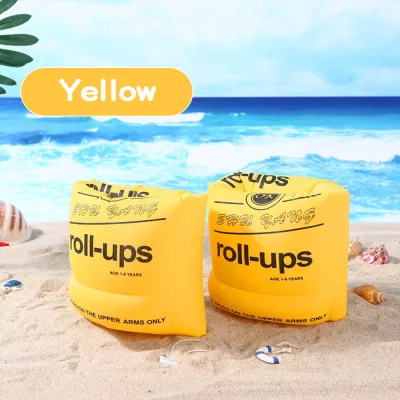
For controlled environments like swimming pools, calm resort lagoons, or shallow, wave-free beaches, lightweight flotation options are often sufficient. In these settings, basic swimming aids like foam kickboards, inflatable armbands, or recreational rings can help beginners build confidence and practice basic strokes. These tools allow for maximum freedom of movement, helping swimmers learn how to balance and kick in the water without the bulk of a full safety vest.
However, there is a strict boundary between learning aids and safety equipment. If a swimmer cannot swim independently, they should wear a properly fitted, certified flotation vest even in a shallow pool. Most importantly, no flotation device—regardless of its buoyancy rating or design—can ever replace the need for constant, active adult supervision. Inflatables can slip off, deflate, or tip over in an instant, meaning a watchful eye is always the primary line of defense.
Boating, Kayaking, and Paddleboarding
When you transition to activities like kayaking, stand-up paddleboarding, or coastal boating, your gear needs to balance safety with continuous physical movement. These activities require repetitive upper-body motions, meaning a standard, bulky life jacket will quickly cause painful chafing around your underarms and neck. For these sports, look for specialized paddling vests that feature large armholes, narrow shoulder straps, and a shorter torso cut that accommodates a seated position without pushing the vest up into your chin.
Before heading out on any local waterway, always verify the specific safety requirements of the area. Local maritime regulations often mandate that every passenger on a watercraft wear an approved flotation device at all times. Additionally, check that your device is equipped with essential safety accessories, such as an attached non-corrosive whistle for signaling and reflective panels that make you visible to other vessels in low-light conditions or sudden tropical downpours.
High-Impact Water Sports and Open Water
High-speed activities like wakeboarding, water skiing, jet skiing, or riding towed banana boats present unique physical risks that demand specialized gear. In these scenarios, falling into the water at high speeds can subject both you and your equipment to severe impact forces. Standard recreational vests or loose-fitting aids can easily be ripped off your body upon impact, leaving you without flotation when you need it most.
For high-impact sports, you must use high-buoyancy, impact-tested vests equipped with secure, multi-point strap systems. These vests typically feature three or four heavy-duty webbing straps with robust buckles that wrap entirely around your torso, along with reinforced stitching at all stress points. Some models also include crotch straps to prevent the vest from riding up over your head during a high-velocity entry into the water. Before participating, always check the manufacturer’s specifications to verify that the vest is rated for the specific speeds and impact levels of your sport. Remember that high-quality equipment cannot replace proper safety training, physical conditioning, and sound judgment; always assess water conditions and your own physical limits before launching.
Key Safety Features and Label Checks Before You Buy
Before purchasing any salbabida, you must perform a thorough physical inspection and label check to ensure the device is safe, compliant, and suitable for your body. Never buy a flotation device that lacks a clear, legible manufacturer label. Look for recognized safety certification marks on the product label, which indicate that the design has undergone standardized buoyancy and performance testing.
Next, cross-reference the manufacturer’s stated weight and chest size limits with your own measurements. A vest that is too small will not provide enough buoyancy to keep your head above water, while a vest that is too large can easily slip off or ride up, blocking your airway. Do not guess your size; use a measuring tape to check your chest circumference and weigh yourself to ensure you fall safely within the specified limits on the label.
Finally, conduct a hands-on hardware check. Inspect all buckles to ensure they click securely into place and do not release under tension. Examine the stitching along the straps, seams, and zipper tracks; look for tight, reinforced, multi-row stitching with no loose threads. Ensure the device features highly visible colors, such as bright orange, yellow, or red, and check for integrated reflective tape that will help rescuers spot you in open water or during poor weather conditions.
Care, Storage, and When to Replace Your Flotation Gear
Proper maintenance is essential to preserve the buoyancy, structural integrity, and safety of your flotation gear, especially in hot, humid tropical climates. After every use, rinse your salbabida thoroughly with clean, fresh water to remove salt, chlorine, sand, and organic debris, which can degrade fabrics and corrode hardware over time. Once rinsed, hang the device to air-dry completely in a well-ventilated, shaded area. Never dry your gear in direct sunlight or use artificial heat sources, as intense ultraviolet rays and high heat can damage the internal flotation foam and weaken the outer fabric.
Regularly inspect your gear for signs of wear and tear. Look closely for ultraviolet degradation, which often manifests as faded or brittle fabric, and check for foam compression or shifting inside the vest panels. If the internal foam feels thin, lumpy, or brittle, its buoyancy has likely been compromised.
You must immediately retire and replace any flotation device that shows signs of permanent damage. This includes permanent foam deformation, waterlogging where the device remains heavy and damp long after drying, torn outer fabric, frayed straps, or broken buckles. Using a compromised salbabida is highly risky, as it may fail to support your weight when you need it most.
Frequently Asked Questions (FAQ)
Can I use an inflatable pool toy as a life jacket for boating?
No, inflatable pool toys should never be used as life jackets or safety devices for boating. Pool toys are designed purely for recreation in calm, shallow waters and lack the durable materials, secure strap systems, and puncture resistance required for open-water emergencies. They can easily leak, pop, or drift away, leaving you without support in deep or rough water.
How tight should a salbabida fit?
A salbabida should fit snugly against your body without restricting your breathing. To test the fit, fasten all straps and zippers, then have someone pull up firmly on the shoulders of the vest. If the device slides up past your nose, chin, or ears, it is too loose or too large. Adjust the straps for a tighter fit, or try a smaller size until the vest remains securely in place during the pull test.
Community discussion
Share your experience or ask a question. Comments are reviewed before publication.