
Choosing the right life jacket is the most critical safety decision you will make before heading out onto the water. The ideal choice is not a one-size-fits-all solution; it depends entirely on your specific water sport, the speed of your activity, your swimming ability, and the environmental conditions. Matching your gear to your sport ensures you remain safe, compliant with local maritime rules, and comfortable enough to perform at your best.
For high-speed activities like jet skiing or wakeboarding, an inherently buoyant foam vest is the only safe option because it provides immediate flotation and physical impact protection. If you are paddling a kayak or stand-up paddleboard, you require specialized low-profile foam vests or manual belt-pack inflatables that keep your arms free and prevent painful chafing. For offshore sailing, high-capacity inflatable or hybrid vests with integrated safety harnesses and collar supports are necessary to keep you face-up in rough open seas. Understanding these distinctions allows you to select gear that matches your adventure.
Understanding the Three Main Life Jacket Designs
To make an informed decision, you must first understand the fundamental differences in how life jackets are constructed and how they perform in the water. Personal flotation devices generally fall into three primary categories: inherent buoyancy, inflatable, and hybrid designs. Each has distinct mechanical properties, maintenance needs, and physical profiles that dictate where they can be safely used.
Products mentioned in this guide
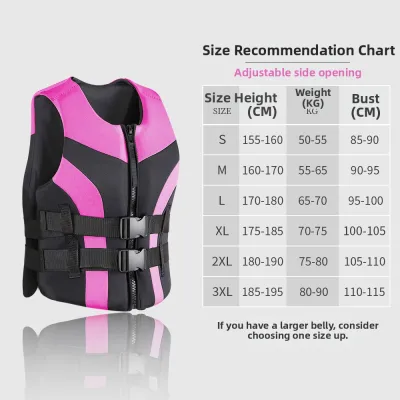
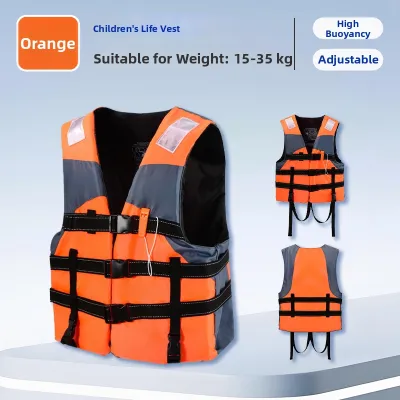
![[WILD MAN] Adjustable Buoyancy Survival Suit Neoprene Warm Water Sports Life Jacket Wear-resistant Multipurpose Outdoor Accessorie](https://img.lazcdn.com/g/p/82cce8960a5527779291b0753fa08f51.jpg_400x400q80.jpg_.webp)
Prices are valid at publication and may change. Please refer to the product page for the latest price.
Inherently buoyant life jackets rely on built-in flotation materials, most commonly closed-cell plastic foam such as polyvinyl chloride (PVC) or polyethylene (PE). These vests are always buoyant, meaning they require no preparation, manual activation, or inflation to keep you afloat. They are exceptionally reliable, durable, and virtually maintenance-free, making them the standard choice for commercial rentals and high-impact activities. However, because the foam is solid, these vests are naturally bulkier, can restrict your range of motion, and tend to trap body heat, which can feel uncomfortably warm during long sessions in tropical climates.
Inflatable life jackets use compressed carbon dioxide (CO2) cartridges to inflate an internal bladder when submerged or when a manual cord is pulled. Because they remain deflated until needed, they are incredibly compact, lightweight, and comfortable for continuous wear in hot weather. However, they carry significant trade-offs: they require active maintenance, regular inspection of the CO2 cylinder, and are completely unsuitable for high-impact sports, non-swimmers, or weak swimmers who need immediate, passive flotation. If the bladder punctures or the mechanism fails, an inflatable vest provides zero buoyancy.
Hybrid life jackets represent a middle ground, combining a thin layer of inherent foam flotation with an inflatable chamber that can be activated to provide additional lift. This design ensures that you have a baseline of passive buoyancy to keep you afloat even if you are unconscious or unable to activate the inflation mechanism, while still keeping the vest’s profile relatively slim. They are highly versatile but are generally more expensive and still require regular cartridge maintenance to ensure the inflatable portion functions correctly.
When shopping for any of these designs, remember that material names, aesthetic designs, or brand marketing do not guarantee safety. You must always rely on the manufacturer’s official product labels, safety certifications, and performance specifications printed on the inside of the vest to verify its capabilities.
Matching Life Jacket Types to Your Water Sport
Water sports vary wildly in their physical demands, environmental hazards, and rescue timelines. A life jacket that is perfect for a calm, slow-paced kayak trip along a sheltered river will actively hinder you—or fail to protect you—during a high-speed fall from a personal watercraft in open water. Matching your specific activity to the correct design is essential for your safety.

High-Speed and Impact Sports (Jet Skiing, Wakeboarding)
When you are jet skiing, wakeboarding, water skiing, or tubing, you face a high risk of hitting the water at high speeds. Falling into the water at 50 kilometers per hour or faster can feel like hitting a solid surface, subjecting your body to intense physical forces.
For these activities, an inherently buoyant foam vest is the only safe and acceptable choice. The solid foam panels act as physical armor, absorbing impact energy and protecting your ribs, spine, and internal organs from blunt-force trauma. Because the buoyancy is built-in, the vest will not tear, compress permanently, or deflate upon hitting the water, ensuring you float immediately even if you are temporarily stunned or knocked unconscious by the fall.
Never use inflatable life jackets for tow sports, wakeboarding, or personal watercraft. The violent forces of a high-speed crash can easily rip the inflatable bladder, damage the inflation mechanism, or cause the heavy metal CO2 cylinder to press painfully into your ribs, causing serious physical injury. Furthermore, the delay between hitting the water and manual or automatic deployment can put an injured rider at severe risk of inhaling water.
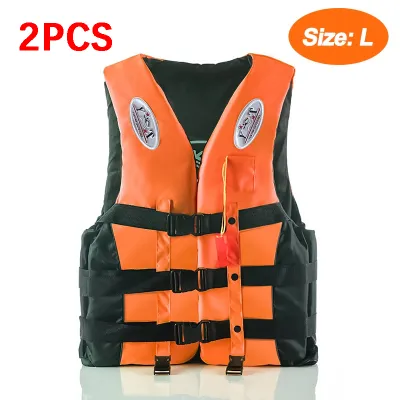
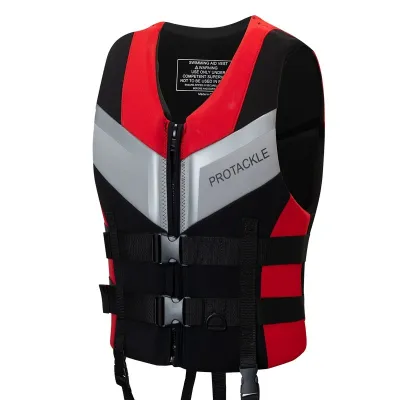
When selecting a foam vest for high-speed sports, look for rugged designs featuring heavy-duty front zippers and multiple secure, adjustable webbing straps—typically three or four—that wrap fully around your torso. These multi-strap closure systems prevent the vest from riding up over your head or tearing off completely when you plunge into the water at high speeds. Reinforced stitching at key stress points and durable outer materials like neoprene or heavy-duty nylon are also critical for longevity.
Paddling and Board Sports (Kayaking, Paddleboarding)
Human-powered water sports like kayaking, canoeing, and stand-up paddleboarding (SUP) demand continuous upper-body movement. In these activities, the primary comfort concerns are arm clearance, shoulder mobility, and preventing painful skin chafing caused by repetitive motion.
For kayaking and canoeing, you should look for inherently buoyant vests specifically designed for paddling. These specialized personal flotation devices feature exceptionally large armholes, open sides, and narrow shoulder straps to allow an unrestricted paddling stroke. They also feature a high-back foam design—where the flotation foam is concentrated on the upper back and the lower back is left as thin mesh—which accommodates the high backrests of modern kayak seats without pushing the vest up over your head. Shorter torso lengths are also common to prevent the vest from bunching up against your thighs while seated.
For stand-up paddleboarding on calm waters, belt-pack inflatable life jackets are a popular and highly comfortable option. These compact packs wear like a small fanny pack around your waist, keeping your chest, back, and shoulders completely free of straps and foam. If you fall into the water, you must pull a cord to deploy the bladder, then slip the inflated loop over your head. Because of this multi-step process, belt packs are only suitable for competent swimmers in calm, near-shore environments.
If you are paddleboarding, you must also manage your board connection safely. Always use an appropriate ankle or calf leash to keep your board close, as a wind-blown paddleboard can quickly drift out of reach. Check local waterway regulations to see if life jackets are mandatory for your specific area. If you are paddling in moving water or rivers, ensure your leash features a quick-release mechanism attached to your torso or PFD so you can instantly detach yourself if the leash becomes entangled in underwater debris.
Sailing and Offshore Boating
Sailing and offshore boating introduce unique safety challenges, including rough seas, high winds, prolonged immersion times, and the potential for delayed rescue. In these environments, your life jacket must do more than just keep you afloat; it must actively protect your airway and keep you attached to the vessel.
For offshore environments, high-capacity inflatable life jackets or hybrid designs are the standard. These vests are designed to provide significantly more buoyancy (measured in Newtons of lift) than standard calm-water recreational vests. Crucially, they feature integrated collar supports and large front-facing bladders designed to automatically turn an unconscious person face-up in rough water, keeping their mouth and nose clear of waves even if they cannot swim.
Offshore sailing vests frequently integrate safety harnesses, heavy-duty D-rings, and safety tethers. This allows crew members to clip themselves directly to the boat’s jacklines or secure tether points when working on deck in rough weather, preventing them from falling overboard in the first place. These systems are highly technical and require proper training to use effectively.
Before heading offshore, always verify the specific weight capacity, chest size limits, and buoyancy ratings printed on the inner label of your gear. Offshore equipment requires a much stricter fit and higher buoyancy thresholds than calm-water alternatives because the weight of heavy offshore foul-weather gear can reduce your natural buoyancy.
How to Verify Fit, Capacity, and Safety Certifications
A life jacket can only save your life if it fits correctly, is rated for your weight, and is certified to perform under pressure. Buying a life jacket based solely on color, style, or price without verifying these technical specifications can leave you unprotected in an emergency.
To verify safety and compliance, start by reading the manufacturer’s inner label printed directly onto the lining of the vest. Look for official maritime safety certification marks from recognized authorities, such as the United States Coast Guard (USCG), European Conformity (CE), or International Organization for Standardization (ISO). These logos confirm the vest has undergone rigorous testing for buoyancy, material strength, and inflation reliability. Avoid purchasing cheap, unbranded vests from online marketplaces that lack these official safety stamps.
Next, check the printed weight capacity and chest size range on the label. Buoyancy is directly tied to body mass and chest circumference. A vest rated for a maximum weight of 70 kilograms will not provide sufficient lift for a 90-kilogram adult, potentially leaving your mouth and nose below the water line. Conversely, a vest that is too large for your chest size will not sit securely on your body.
To ensure a proper fit, perform the physical “lift test” before entering the water:
- Put on the life jacket and fasten all zippers, buckles, and straps securely.
- Tighten the straps starting from the waist and working your way up to the shoulders.
- Have a partner stand behind you and pull up firmly on the shoulder straps of the vest.
- Observe how the vest moves: if the jacket slides up past your chin, nose, or ears, it is too loose or too large.
- Adjust the straps tighter and repeat. If it still slides up, you need a smaller size.
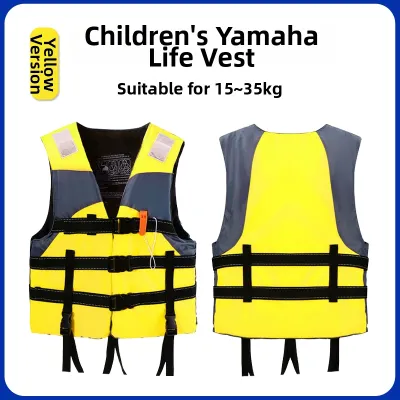
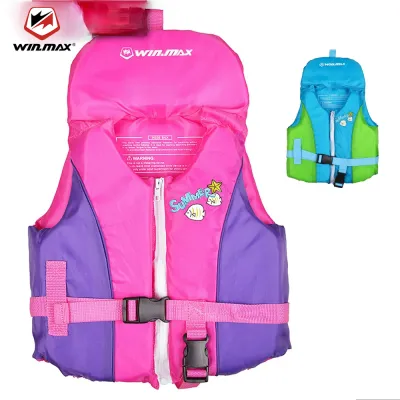
When buying gear for children, never purchase an oversized life jacket with the intention of letting them “grow into” it. An oversized vest can easily slip off over a child’s head when they hit the water, or it can ride up so high that it traps their head underwater beneath the fabric. Always buy a vest that fits their current weight and chest size perfectly.
Finally, perform a quick visual inspection before every single outing. Check all straps for fraying, ensure plastic buckles click together tightly without cracking, and test the zippers to make sure they glide smoothly without snagging. If you find any torn fabric, exposed foam, broken buckles, or stuck zippers, do not use the vest.
Maintenance and Replacement Rules for Tropical Climates
Tropical climates present harsh conditions for safety gear. High heat, intense humidity, salt water, and strong ultraviolet (UV) radiation can degrade materials far more rapidly than in cooler, drier climates. Proper maintenance is essential to prevent your life jacket from failing when you need it most.
After every use, establish a strict routine of post-use care. Thoroughly rinse the life jacket with clean, fresh water to remove destructive salt crystals, sand, chlorine, and organic debris. Hang the vest to air dry completely in a shaded, well-ventilated area. Never dry your life jacket in direct sunlight, as intense UV rays rapidly break down the nylon outer shell, rot the stitching, and weaken the internal flotation foam. Avoid using artificial heat sources like hair dryers or clothes dryers, which can melt the foam or damage the fabric.
In humid tropical environments, regular structural checks are vital. Inspect the internal foam panels for brittleness, waterlogging, or mold. Squeeze the foam gently; if it feels crunchy, crumbles under pressure, does not spring back to its original shape, or smells heavily of mildew, the foam has degraded and lost its buoyancy. Check the outer fabric for severe UV fading, which indicates the nylon fibers have weakened and may tear under tension.
For inflatable models, extra care is required. Unscrew the CO2 cylinder regularly to check for rust, corrosion, or physical punctures on the metal seal. If the cylinder is corroded or has been pierced, replace it immediately with a fresh, manufacturer-approved rearming kit. Additionally, check the water-soluble bobbin indicator; high ambient humidity or damp storage conditions can trigger automatic bobbins prematurely, so replace them according to the manufacturer’s recommended schedule or if they show signs of softening.
Store your clean, dry life jackets in a cool, dry, and dark place away from direct sunlight, moisture, and pests. Never store them compressed under heavy gear, as permanent compression ruins the foam’s ability to trap air and provide lift.
You must retire and replace your life jacket immediately if you observe any of the following warning signs: permanent compression or hardening of the foam, an inflatable bladder that fails a 24-hour manual inflation test, frayed straps, cracked buckles, or if the manufacturer’s printed expiration date has passed. If you are unsure about the integrity of your safety gear, consult a qualified marine safety professional or the manufacturer before heading back out onto the water.
Frequently Asked Questions (FAQ)
Can I use one life jacket for all my water sports?
Using a single life jacket for all water sports is generally not recommended because specialized activities have conflicting safety and design requirements. A heavy-duty, multi-strap foam vest designed to protect your torso during high-speed jet ski falls is too bulky and restrictive for the continuous, repetitive arm movements required in kayaking. Conversely, a low-profile paddling vest or a waist-belt inflatable lacks the impact protection and secure strapping needed to keep you safe during a high-speed crash. Investing in activity-specific gear ensures you have the correct balance of mobility and protection.
Are inflatable life jackets safe for non-swimmers or children?
No, inflatable life jackets are not safe for non-swimmers, weak swimmers, or children. Inflatables require either manual activation of a pull-cord or automatic immersion in water to inflate, which can cause panic or delayed flotation in an emergency. If a non-swimmer panics, they may struggle to locate the cord or properly position the inflated bladder over their head. Children also lack the physical size and coordination to manage manual inflation systems safely. For these vulnerable groups, always use inherently buoyant foam life jackets that provide immediate, passive flotation and reliable head support.
Community discussion
Share your experience or ask a question. Comments are reviewed before publication.