
Selecting the perfect life vest jacket depends entirely on your planned water activity, your physical build, and the specific aquatic environment. Whether you are navigating the calm coastal waters of El Nido, paddling through the mangrove channels of Siargao, or speeding across open bay waters on a jet ski, wearing a life vest jacket—often referred to as a personal flotation device (PFD)—is your primary line of defense. However, safety equipment can never replace swimming ability, proper training, and sound situational judgment. Before heading out, you must always assess the weather, local water currents, and your personal skill limits, recognizing when conditions are too severe to enter the water.
A vest designed for one sport can easily become a safety hazard in another. To stay safe and comfortable, you must match the physical design, buoyancy level, and fastening mechanisms of the vest to the exact physical demands of your chosen sport.
Why One Life Vest Jacket Cannot Fit Every Water Sport
The central challenge in designing safety gear for water sports is balancing maximum flotation with physical mobility. A high-buoyancy vest built for offshore rescue is packed with thick, dense foam. While this design is excellent for keeping an unconscious swimmer upright in rough seas, its sheer bulk severely restricts arm and shoulder movement. If you try to paddle a kayak or a stand-up paddleboard in such a vest, you will quickly experience shoulder fatigue, severe underarm chafing, and limited torso rotation.
Products mentioned in this guide
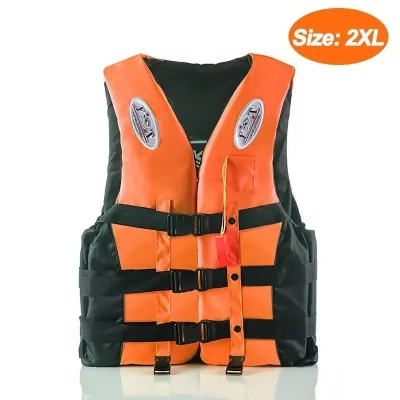
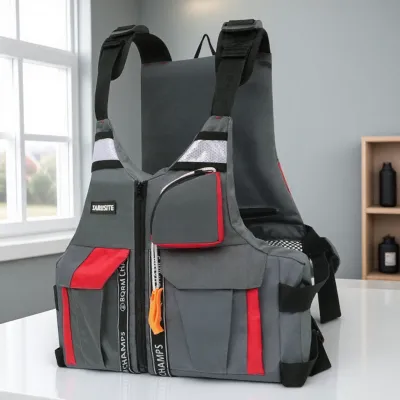
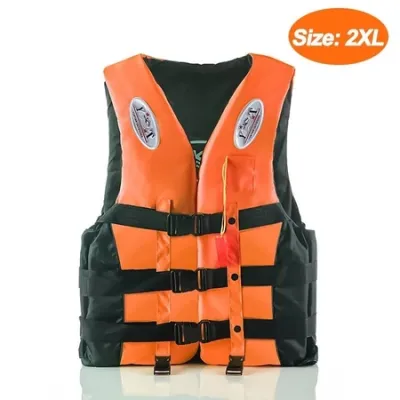
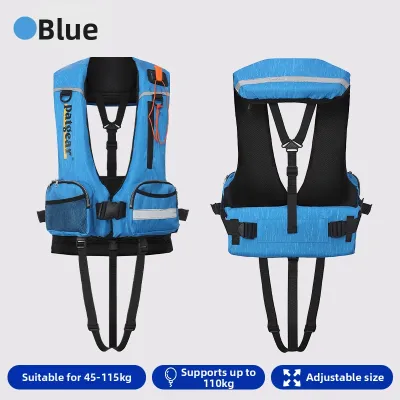
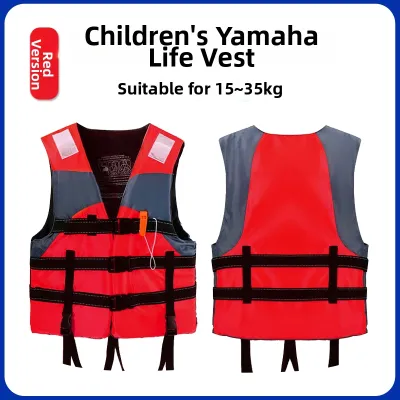
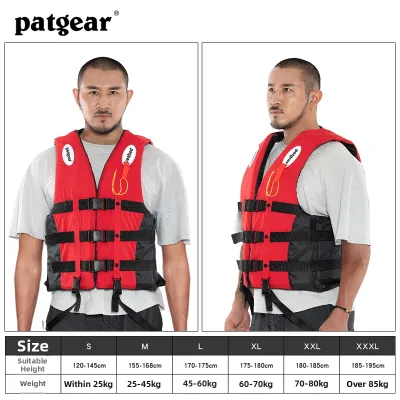
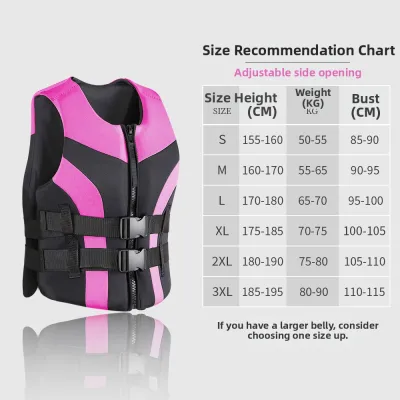
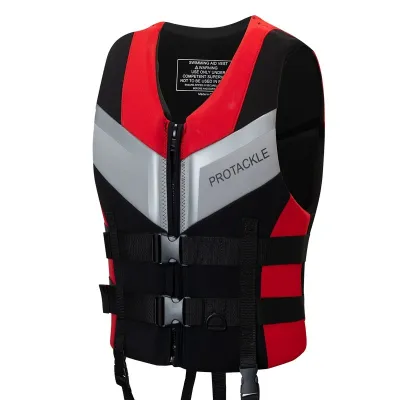
Prices are valid at publication and may change. Please refer to the product page for the latest price.
Conversely, a low-profile, highly flexible vest designed for competitive wakeboarding provides excellent freedom of movement but may lack the total buoyancy or the self-righting capability needed to keep you safe if you are separated from your vessel in deep, open water. Wearing the wrong type of vest also introduces specific physical risks. During a high-speed jet ski spill, hitting the water at high speeds exerts immense force on your body and your gear. A loose, low-profile paddling vest can easily be ripped open or forced upward over your head by the sheer impact, leaving you without flotation or torso protection.
On the other hand, a heavy, non-breathable neoprene jet ski vest will trap intense tropical heat and humidity during a long, self-powered paddling session, leading to rapid dehydration and physical exhaustion. A successful choice requires evaluating three core dimensions: the cut of the vest, the distribution of its internal foam, and the strength of its fastening systems.
Choosing a Life Vest Jacket for Kayaking and Paddleboarding
Paddling sports require continuous, repetitive upper-body movement. When you are seated in a kayak or standing on a paddleboard, your shoulders, arms, and torso are in constant motion. The ideal life vest jacket for these activities must accommodate this continuous physical exertion while remaining comfortable over hours of exposure to tropical sun and humidity.

Essential Design Features for Paddling
To prevent painful skin irritation and muscle fatigue, paddling-specific vests feature exceptionally large armholes. This open-cut design ensures that your arms can rotate fully through every stroke without rubbing against the fabric or foam. Additionally, these vests are constructed with a short torso length or a high-cut front panel. When you sit down in a kayak seat, a standard-length vest will push upward against your chin, restricting your vision and pressing uncomfortably against your neck. A high-cut design remains resting flat against your chest even when your knees are bent.
Another critical feature is the design of the back panel. Many modern kayaking vests utilize a high-back foam layout, where the buoyant foam is concentrated on the upper half of the back, leaving the lower half covered only by a thin, highly breathable mesh. This design allows the lower back to rest flush against the tall backrest of a kayak seat, preventing the vest from riding up or creating an awkward gap between your back and the seat. In hot, humid climates, this mesh panel also facilitates vital airflow, keeping your core cool during long excursions.
Fit and Comfort Checks for Paddlers
Before purchasing or renting a paddling vest, you must perform a dynamic fit check. Put the vest on, fasten all buckles, and tighten the straps starting from the waist up to the shoulders. Once secure, sit down on a flat surface or a kayak seat and simulate your paddling stroke. Reach forward, rotate your torso, and swing your arms. If you feel any rubbing against your neck or underarms, or if the collar of the vest pushes up toward your ears, the vest is either too large or poorly shaped for your frame.
Always adjust the side straps to ensure a snug fit that prevents the vest from shifting, but do not tighten them to the point where they restrict deep breathing. Finally, check the manufacturer’s label inside the vest to verify its activity rating. For kayaking and paddleboarding, look for a Type III equivalent rating, which indicates a high-mobility, light-weight device designed for conscious users in calm or inland waters. It is also wise to verify that the vest complies with local maritime safety standards, such as those set by the Philippine Coast Guard (PCG) or international bodies like the ISO, to ensure compliance during local water inspections.
Choosing a Life Vest Jacket for Jet Skiing and Wakeboarding
Motorized and towed water sports operate at vastly higher speeds than self-propelled paddling. When jet skiing, wakeboarding, or water skiing, the primary hazards shift from repetitive-motion fatigue to sudden, high-velocity impacts with the water surface. Your safety gear must be built to withstand these intense physical forces.
Essential Design Features for High Speeds
Vests designed for high-speed sports are constructed from incredibly durable outer materials. Heavy-duty nylon (typically 400-denier or higher) and thick, high-grade neoprene are the industry standards. Neoprene is particularly favored for its body-hugging fit, excellent wind resistance, and ability to absorb impact. The internal flotation is typically made of segmented foam panels. Rather than using large, solid blocks of foam, these vests feature smaller, articulated pads that wrap tightly around your ribs and torso. This segmentation provides a shield against impact injuries to your chest and ribs during a high-speed fall, while still allowing enough flexibility to steer and balance.
A streamlined, low-profile exterior is also essential. Any excess fabric, loose straps, or protruding pockets can catch the wind or water during a crash, creating drag that can strain your neck or pull the vest out of alignment. The vest must fit like a second skin, minimizing drag and staying firmly positioned against your body.
Secure Fastening Systems
The fastening system of a high-speed vest must be robust enough to remain intact under extreme hydraulic pressure. Look for vests that feature a minimum of three to four heavy-duty webbed straps with thick, impact-resistant plastic buckles. These straps should wrap entirely around your torso to distribute tension evenly. Many premium high-speed vests combine these heavy-duty buckles with a thick, corrosion-resistant front zipper, providing a dual-closure system that ensures the vest cannot be ripped open during a hard fall.
For extreme high-speed activities, some specialized vests include integrated crotch straps or leg loops. While these can feel restrictive on land, they are highly effective at preventing the vest from being forced upward over your head when you enter the water feet-first at high speeds. When inspecting a vest for high-speed use, pay close attention to the stitching around the buckle attachment points; look for reinforced box-stitching or bar-tack patterns, as these areas bear the brunt of the force during an impact.
Choosing a Life Vest Jacket for Snorkeling and Surface Swimming
Snorkeling and surface swimming require a completely different approach to buoyancy. Unlike kayakers or jet skiers, who need continuous, hands-free flotation in case they fall into deep water, snorkelers spend most of their time floating horizontally on the surface, actively swimming and looking downward.
Snorkeling-Specific Vests vs. Standard Jackets
Using a standard, bulky foam life vest jacket for snorkeling is highly impractical. The thick foam on the front of a standard vest will constantly force your chest upward, making it incredibly difficult to maintain a flat, horizontal swimming position. It also restricts your ability to look downward into the water comfortably, as the bulky collar can push against your snorkel mask.
Dedicated snorkeling vests are typically designed as a “horse-collar” or a very low-profile sleeveless vest. This shape concentrates buoyancy around your neck and upper chest, keeping your head easily clear of the water when you lift it, while allowing you to remain completely flat and hydrodynamic while swimming. It is crucial to understand, however, that these vests are designed strictly as surface-support aids for conscious, active swimmers. They do not possess the self-righting capabilities of offshore rescue vests and should never be used as a substitute for primary safety gear in rough, open ocean conditions.
Inflatable vs. Inherent Buoyancy Options
Snorkelers can choose between inflatable vests and inherent buoyancy (foam) vests. Inflatable snorkeling vests are highly popular for travel because they pack completely flat. They feature an oral inflation tube, allowing you to manually adjust your level of buoyancy. If you want to dive down a few feet to inspect a reef, you can deflate the vest completely, and then orally inflate it once you return to the surface to rest. Some models also support small CO2 cartridges for emergency rapid inflation, though manual oral inflation is the standard for daily use.
Inherent buoyancy vests utilize thin, flexible foam inserts. While they cannot be deflated for travel or diving, they require zero preparation and are immediately ready for use. They also eliminate the risk of punctures or valve failures. Regardless of which type you choose, never rely on cheap, non-certified inflatable toys or fashion vests for open-water snorkeling. Always verify that your snorkeling aid is manufactured by a reputable dive brand and designed specifically for snorkeling safety.
How to Verify Safety Labels and Test Your Fit
No matter which water sport you pursue, a life vest jacket can only protect you if it fits your body correctly and meets established safety standards. Never assume a vest is safe simply because it looks new or matches your clothing size.
To verify a vest’s safety credentials, locate the manufacturer’s label, which is typically printed directly onto the inner lining of the back panel. This label contains critical information, including the approved weight range, chest size limitations, and the certifying authority’s stamp. In the Philippines, look for certifications from international maritime safety organizations such as the United States Coast Guard (USCG), European Conformity (CE), or International Organization for Standardization (ISO). The label will also specify the device’s “Type” or performance level, indicating whether it is designed for calm, inland waters or rough, offshore conditions.
Once you have verified that the vest matches your weight and chest measurements, perform this physical fit test:
- Put on the vest and fasten all zippers, buckles, and straps from the bottom up.
- Tighten the straps until the vest feels snug but comfortable.
- Have a partner grab the shoulder straps of the vest and firmly pull upward.
- Observe how far the vest slides. If the vest slides up past your nose, chin, or ears, it is too loose or too large.
- Adjust the straps and try again; if it still slides up, you must select a smaller size.
A properly fitted vest should stay firmly anchored around your torso, allowing you to breathe deeply without feeling restricted, while ensuring that the collar remains well below your chin when pulled upward.
Can One Life Vest Jacket Cover Multiple Water Sports?
If you participate in a variety of water sports, you might wonder if you can purchase a single, versatile life vest jacket to cover all your needs. The answer depends entirely on the speed and physical mechanics of the activities you enjoy.
For low-speed, self-propelled activities like kayaking, stand-up paddleboarding, and casual recreational boating, a single, high-mobility foam vest (such as a well-fitted Type III equivalent) is highly versatile. These vests provide the necessary buoyancy and freedom of movement to comfortably transition between paddling a kayak and lounging on a pontoon boat. In terms of cost, entry-level nylon vests for these activities typically range from ₱1,500 to ₱3,500, making them a highly accessible starting point.
However, you must never use a paddling vest for high-speed, high-impact sports like jet skiing or wakeboarding. Paddling vests lack the impact-resistant materials, segmented protective foam, and multi-buckle fastening systems required to withstand a high-velocity fall. Conversely, using a heavy, thick neoprene jet ski vest for a long kayaking trip will lead to intense physical fatigue, restricted arm movement, and severe overheating under the tropical sun. Premium, specialized vests for high-speed sports or technical kayaking often range from ₱4,500 to ₱8,000+. If your activities span both high-speed motorized sports and active paddling, investing in two specialized vests is a non-negotiable safety requirement.
Frequently Asked Questions (FAQ)
Do I need a life vest jacket if I am a strong swimmer?
Yes, even the most skilled swimmers must wear a life vest jacket. Unexpected events such as hitting your head during a fall, experiencing sudden muscle cramps, or suffering from cold water shock can instantly incapacitate you. In open water, strong currents and wind can quickly separate you from your kayak or board, making swimming back extremely difficult. A life vest jacket provides immediate, passive flotation, keeping your head above water and conserving your energy until help arrives, regardless of your swimming ability.
How do I know if my life vest jacket is expired or unsafe?
You should inspect your life vest jacket at the start of every season for physical signs of degradation. Look for faded, brittle, or torn outer fabric, as UV exposure from the tropical sun can weaken the material. Squeeze the foam panels; if they feel crushed, hard, or fail to rebound, the internal flotation has degraded. Check for rusted zippers, cracked plastic buckles, and frayed straps. Finally, perform an annual buoyancy test in a shallow, safe swimming pool: wear the vest, relax your body, and verify that it easily keeps your chin clear of the water. If it fails to support you or shows signs of waterlogging, replace it immediately.
Community discussion
Share your experience or ask a question. Comments are reviewed before publication.