
Selecting the right badminton bag li ning offers is one of the most practical decisions you can make to protect your sports equipment. A high-quality sports bag does not just carry your gear; it shields your expensive carbon fiber rackets from extreme heat, prevents moisture from ruining your replacement grips, and keeps dirty court shoes isolated from clean apparel. Finding the perfect model requires matching the bag’s physical capacity with your specific playing habits and daily commute.
To make an accurate choice, you must look beyond the manufacturer’s maximum racket rating. A bag rated for six rackets will not comfortably fit six rackets alongside shoes, a towel, and a change of clothes. By analyzing your actual gear load, understanding the unique demands of playing in a tropical climate, and evaluating key structural features, you can easily select a model that keeps your gear organized, secure, and ready for the court.
How to Assess Your Actual Badminton Gear Load
Before browsing specific models, you need a clear inventory of what you actually bring to the court. Many players make the mistake of buying a bag based solely on the number of rackets they own, only to find there is no room left for their court shoes or water bottle.
Products mentioned in this guide
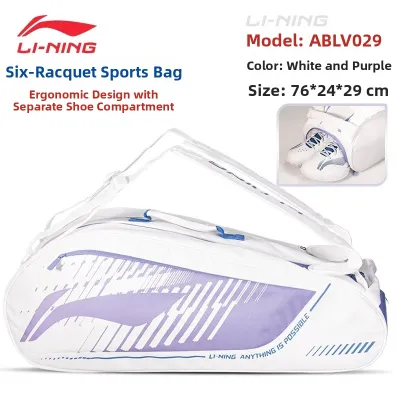
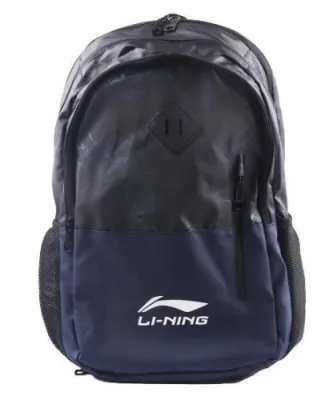
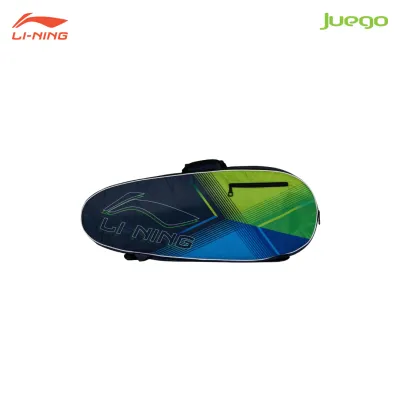
Prices are valid at publication and may change. Please refer to the product page for the latest price.
To determine your baseline carrying requirements, consider this checklist of typical badminton gear:
- Rackets: Most players carry at least two identical rackets in case a string breaks mid-match.
- Shuttlecocks: A standard tube of feather or nylon shuttlecocks takes up significant vertical space.
- Court Shoes: Dedicated indoor court shoes are bulky and require flat, protective storage to avoid bending the heel counters.
- Apparel and Towels: A spare shirt, shorts, socks, and a medium-sized towel are essential for post-match comfort.
- Accessories: Overgrips, grip powder, scissors, sports tape, and personal items like keys and phones.
- Hydration: A reusable water bottle, which must be stored securely to prevent accidental leaks onto your rackets.
Your load profile generally dictates your space requirements. A casual weekend player who plays for fun once a week typically travels light, needing space for only one or two rackets, a bottle of water, and basic daily essentials. In contrast, a competitive club player who trains multiple times a week often carries three or more rackets, specialized shoes, multiple changes of clothes, and recovery tools like massage rollers or resistance bands.
In the Philippines, the tropical climate adds a layer of complexity to gear storage. High humidity and intense heat inside indoor sports complexes mean you will generate a significant amount of sweat. Storing damp shirts, wet towels, and sweaty wristbands in an unventilated compartment quickly leads to mold, bacteria growth, and unpleasant odors. Your bag must have dedicated, breathable compartments to isolate wet items and keep your clean gear hygienic.
To find your minimum viable capacity, calculate your maximum “tournament load” rather than your lightest travel day. If you occasionally participate in weekend tournaments or long multi-hour club sessions, you will need extra space for multiple tubes of shuttlecocks, energy drinks, and extra change of clothes. Choosing a bag that accommodates this peak load prevents you from having to carry a secondary canvas tote or plastic bag to the venue.
Match Li-Ning Bag Capacities to Your Carrying Needs
Li-Ning categorizes its badminton bags using standard racket-capacity tiers, such as 3-pack, 6-pack, 9-pack, or 12-pack models. It is crucial to understand that these numbers represent the maximum number of bare rackets the bag can hold if you pack nothing else. To help you navigate these specifications, we have broken down how each capacity tier translates to real-world usage.

3 to 6 Racket Capacity (Casual and Light Training)
Bags in the 3 to 6 racket range are the most compact options available, making them highly popular among beginners, recreational players, and students. If you typically commute to local courts using public transportation like the MRT, buses, or jeepneys, the streamlined profile of these bags is highly advantageous.
In practice, a 6-racket bag is the ideal sweet spot for a player carrying one or two rackets. It provides just enough space to lay your rackets flat in one compartment while utilizing the second compartment for a pair of court shoes, a single tube of shuttlecocks, and a fresh shirt. Many of these models are designed as slim backpacks or single-strap duffels, offering excellent mobility and a lightweight feel.
However, these compact designs have distinct limitations. They offer very little structural depth, meaning that if you pack a thick cotton towel or a large insulated water bottle, the bag will bulge, putting pressure on your racket frames. If you regularly carry multiple changes of clothes or prefer to keep your court shoes completely isolated in a separate, spacious compartment, you will quickly outgrow this tier.
9 Racket Capacity (Regular Club Players and Tournaments)
For the dedicated club player who steps onto the court two to three times a week, the 9-racket capacity tier is the most versatile and practical choice. These bags feature a wider, multi-compartment design that easily accommodates a comprehensive gear setup without forcing you to squeeze items together.
A typical 9-racket bag allows you to dedicate one full side compartment to three or four rackets, keeping them flat and protected from scratches. The large central compartment can then hold two tubes of shuttlecocks, a change of clothes, toiletries, and a towel. Most high-quality 9-racket models also include an independent shoe pocket, ensuring your dirty soles never come into contact with your clean shirts or expensive racket grips.
This size tier strikes an excellent balance between storage volume and carrying comfort. Because they can become moderately heavy when fully loaded, Li-Ning frequently equips these bags with dual, padded backpack-style shoulder straps. This ergonomic design distributes the weight evenly across both shoulders, reducing fatigue during your commute to the sports center.
12+ Racket Capacity (Competitive Athletes and Heavy Gear)
Designed for competitive tournament players, varsity athletes, and coaches, the 12+ racket capacity tier is built for heavy-duty storage. If your routine involves carrying extensive equipment, multiple pairs of footwear, and specialized training aids, this is the only tier that will suffice.
These massive bags generally feature three large main compartments alongside multiple external accessory pockets. You can easily store six to eight rackets in a single protected section, leaving the remaining compartments free for running shoes, court shoes, multiple changes of sportswear, and coaching clipboards. It allows for complete compartmentalization, ensuring that wet towels and dirty gear are kept completely separate from dry items.
Because of their large volume, these bags require exceptional structural integrity. When shopping in this category, look for models that feature rigid, molded outer shells or internal frames that prevent the bag from sagging or collapsing when partially empty. Heavy-duty, reinforced shoulder straps with adjustable chest straps are mandatory to prevent back strain when carrying a fully loaded bag.
Key Features to Verify Beyond Racket Count
Once you have determined the correct capacity tier for your gear, you must evaluate the functional features of specific Li-Ning models. These design details directly impact how well the bag protects your equipment and how comfortable it is to carry over long distances.
Thermal Protection Extreme heat is the enemy of badminton rackets. High temperatures can cause carbon fiber frames to warp and cause high-tension strings to stretch, lose their elasticity, and snap prematurely. Look for Li-Ning bags equipped with thermal-protective compartments, which are lined with a silver, heat-reflective foil. This insulation is crucial if you occasionally leave your bag in a parked car or travel during the hot midday sun.
Shoe Compartments Never buy a badminton bag that lacks a dedicated shoe compartment. Court shoes collect dust, dirt, and moisture from the court floor. A dedicated shoe pocket, typically accessible from the bottom or side of the bag, physically isolates your shoes from the rest of your gear. Ensure this compartment features ventilation grommets or mesh inserts to allow fresh air to circulate, helping your shoes dry faster and preventing musty odors from building up.
Material and Water Resistance Sudden tropical rain showers are a common occurrence. To protect your expensive rackets and dry clothes, verify the bag’s material specifications. Opt for high-density polyester fabrics, polyurethane (PU) coatings, or thermoplastic polyurethane (TPU) panels. These materials offer excellent water resistance, allowing rainwater to bead up and roll off the surface rather than soaking through the fabric. Additionally, check for heavy-duty, reverse-coil zippers that help block moisture from entering through the seams.
Carrying Comfort and Ergonomics A fully loaded badminton bag can easily weigh between 5 to 8 kilograms. To carry this weight safely, prioritize ergonomic carrying systems. Look for thick, 3D-mesh padded shoulder straps that cushion your shoulders and promote airflow. Adjustable chest straps are highly beneficial for stabilizing the bag against your back, preventing it from shifting side-to-side as you walk.
Signs You Need to Upgrade Your Current Badminton Bag
If you already own a sports bag, it can be difficult to decide when to retire it. However, using an inadequate or worn-out bag can actively damage your expensive rackets and court shoes.
Keep an eye out for these clear diagnostic signs that indicate it is time for an upgrade:
- Overstuffing and Zipper Strain: If you must pull, stretch, or force the fabric together to close the zippers, your bag is overcapacity. Consistently straining the zippers will eventually cause the teeth to split or the slider to break, potentially spilling your gear during transit.
- Lack of Internal Protection: If your rackets are constantly clashing against each other inside the bag, or if you notice new scratches on your racket frames after a commute, your bag lacks the necessary padded dividers or dedicated racket compartments.
- Moisture and Odor Buildup: If opening your bag releases a persistent, musty smell that clings to your clean clothes, the interior fabric has likely absorbed sweat and bacteria. This occurs when a bag lacks ventilated compartments or separate shoe pockets, indicating that the material can no longer maintain a hygienic environment.
- Collapsed Structure: If your bag has lost its shape and sags heavily when placed on the floor, the internal padding has degraded. A collapsed bag offers minimal impact protection if it is accidentally dropped or bumped against hard surfaces.
If you recognize any of these warning signs, start by conducting a thorough cleanout of your current bag. Discard old grip wraps, empty plastic bottles, and broken shuttlecocks. If your essential gear still crams the compartments to their absolute limit, it is time to upgrade to a larger, more structured Li-Ning model that matches your current playing lifestyle.
Frequently Asked Questions (FAQ)
Can I use a regular backpack instead of a dedicated Li-Ning badminton bag?
While a standard school or laptop backpack can work for absolute beginners carrying a single racket to a casual game, it lacks the specialized features required to protect dedicated badminton gear over the long term.
Standard backpacks are not long enough to fully enclose a badminton racket. This forces you to leave the racket handle protruding from the top zipper, exposing the grip to rain, dirt, and accidental impact during your commute. Furthermore, regular backpacks lack thermal insulation, leaving your high-tension strings fully exposed to temperature fluctuations that cause rapid tension loss.
Additionally, standard backpacks rarely feature isolated, ventilated shoe compartments. Placing dirty court shoes inside a regular backpack means dirt, sweat, and odors will inevitably transfer to your clean apparel, water bottles, and racket grips. For anyone playing regularly, investing in a dedicated badminton bag is highly recommended to preserve the lifespan of your equipment and maintain proper hygiene.
Community discussion
Share your experience or ask a question. Comments are reviewed before publication.