
Finding the right knee support requires matching your specific physical activity, the level of joint stability you need, and how you plan to use heat therapy. Combining mechanical compression with active warmth can significantly aid joint comfort, but choosing the wrong style can lead to restricted movement or inadequate support.
Active individuals often struggle to balance the need for physical stabilization with the soothing benefits of heat. A support that is too rigid might hinder your performance during dynamic sports, while a support that is too loose will fail to protect a vulnerable joint. By understanding how different designs function, you can make an informed decision that keeps you moving comfortably.
This guide breaks down the key factors to consider when selecting a heated knee support. We will explore how to assess your activity level, evaluate different structural designs, and perform essential safety and fit checks before making your purchase.
Products mentioned in this guide
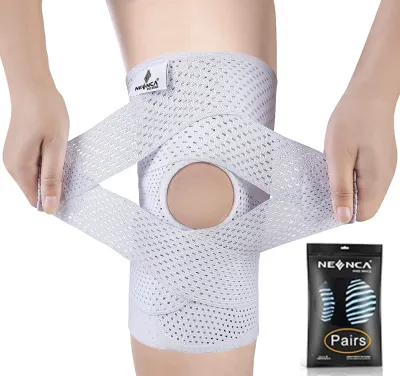
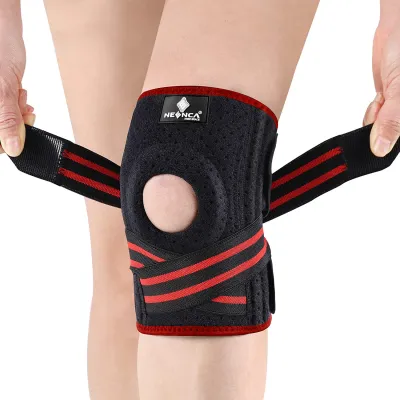
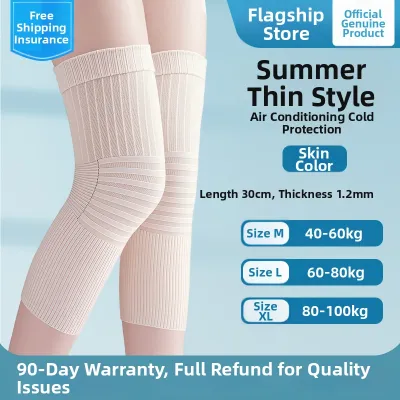
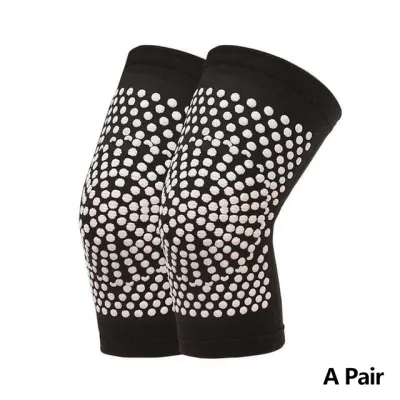
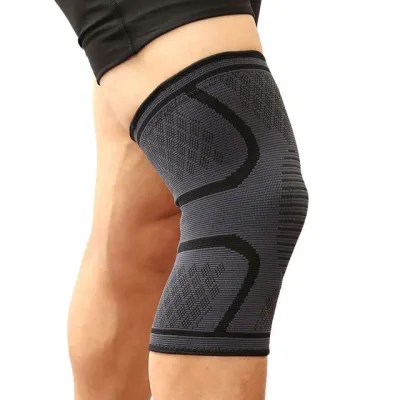
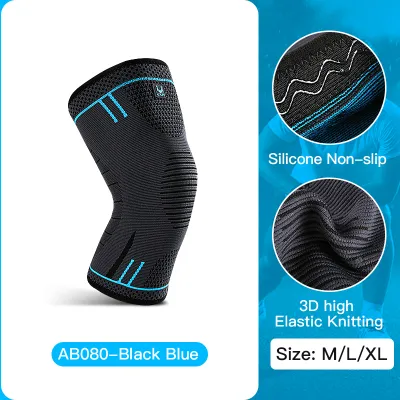
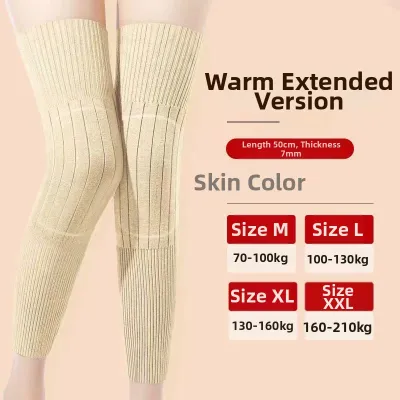
Prices are valid at publication and may change. Please refer to the product page for the latest price.
Quick Guide: Identifying Your Ideal Knee Support Profile
Combining heat therapy with mechanical compression offers a dual-action approach to joint care. Heat helps dilate blood vessels, which improves local circulation and relaxes tight muscles around the joint. Meanwhile, the physical compression of the sleeve or wrap provides structural feedback to your nervous system, helping you maintain proper joint alignment during movement.
To help you quickly narrow down your options, consider this general alignment of needs and designs:
- For mild soreness and daily mobility: Choose a lightweight compression sleeve that offers uniform warmth without bulky straps.
- For fluctuating swelling or custom pressure: Opt for an adjustable wrap-around brace that lets you control the tightness as your joint volume changes.
- For localized tendon discomfort: Select a targeted heat pad or strap that focuses thermal relief directly on the affected area without restricting your overall range of motion.
Before finalizing your choice, remember to verify current MediHeat product availability, specific model names, and exact features on official brand channels or authorized local retailers. Product lineups can vary, so checking official specifications ensures you get the exact functionality you need.
Assessing Your Activity Level and Joint Stress
The physical demands of your daily routine or favorite sports dictate the level of support and flexibility your knee brace must provide. Matching the brace to your activity level prevents unnecessary restriction while ensuring your joint remains protected during peak stress.

Low-Impact and Recovery Activities
Activities like walking, yoga, light cycling, or standing for long periods place minimal impact on the knee joint, but they can still cause stiffness. In these scenarios, your primary goal is to maintain joint warmth and promote blood flow.
For low-impact use, a support that focuses on gentle, continuous heat and mild compression is ideal. It keeps the synovial fluid within the joint warm and viscous, which helps facilitate smooth, pain-free movement without requiring heavy plastic or metal stabilizers.
Moderate-Impact Sports
Sports such as tennis, hiking, gym training, or badminton involve lateral movements, sudden stops, and repetitive bending. These actions subject the knee to multi-directional forces, increasing the risk of minor strains.
If you participate in moderate-impact activities, you need a brace that balances joint stability with sweat resistance. The support must stay securely in place during dynamic motions, meaning it should feature non-slip silicone grips or adjustable straps to prevent it from sliding down when you sweat.
High-Impact or Heavy-Load Activities
High-impact sports like basketball, running, or heavy weightlifting subject your knees to forces several times your body weight. During these intense sessions, maximum mechanical stabilization is your top priority.
Active heating elements are generally not recommended during high-impact play, as your body naturally generates significant heat, and excessive sweating can cause skin irritation under a thick brace. Instead, heated braces are highly effective when used during your pre-game warm-up to prepare the joint, or post-activity to soothe sore muscles and aid recovery.
Evaluating Common Heated Knee Support Designs
The physical structure of a knee brace determines how easy it is to put on, how well it distributes heat, and how much compression it applies. Comparing these designs helps you choose a format that fits your lifestyle and physical capabilities.
Slip-On Compression Sleeves for Warmth and Mild Support
Slip-on sleeves are seamless tubes of elasticized fabric or thin neoprene that you slide up your leg over the knee joint.
- Best Use Cases: Continuous wear during light household chores, low-impact walks, or post-workout recovery sessions at home.
- Key Advantages: Provides uniform, 360-degree compression that helps manage minor swelling. The heating elements are usually integrated smoothly, offering consistent heat distribution across the entire joint.
- Limitations: If your knee tends to swell significantly after exercise, pulling a tight sleeve over a swollen joint can be difficult and painful. It also requires highly accurate sizing; a sleeve that is too loose will slide down, while one that is too tight can restrict circulation.
Adjustable Wrap-Around Braces for Custom Fit and Swelling
Wrap-around braces feature an open design that you place behind your knee and secure in the front using adjustable Velcro straps.
- Best Use Cases: Individuals recovering from moderate strains, those with fluctuating joint swelling, or users who find slip-on sleeves uncomfortable to pull over their calves and thighs.
- Key Advantages: Highly customizable fit. You can tighten or loosen specific straps to accommodate swelling throughout the day. It is much easier to put on and take off, especially for those with limited mobility.
- Limitations: Wrap-around braces tend to have a bulkier profile, making them harder to wear discreetly under tight trousers or athletic gear. The straps may also require occasional readjustment during active movement as the fabric shifts.
Targeted Heat Pads or Straps for Localized Relief
Targeted straps are minimalist bands that wrap around a specific part of the knee, often featuring a small, integrated heating pad.
- Best Use Cases: Isolating specific pain points like jumper's knee (patellar tendonitis) or localized ligament discomfort on the sides of the knee.
- Key Advantages: Extremely lightweight and non-restrictive. They allow a full range of motion, making them comfortable for light active use. They focus thermal energy precisely where it is needed most.
- Limitations: They do not provide significant mechanical stabilization or full-joint compression. If your knee feels unstable or weak, a localized strap will not offer the structural support needed to prevent lateral shifting.
Selecting the Right Support Level Based on Knee Condition
Your physical condition should dictate the level of structural reinforcement you choose. Using a brace with too little support can risk re-injury, while using an overly restrictive brace unnecessarily limits your natural movement.
Preventive Care and Mild Discomfort
If you experience occasional stiffness after a long day or want to protect your joints during light exercise, focus on thermal therapy and light compression. Keeping the joint warm maintains tissue elasticity and reduces the risk of minor strains. A basic heated compression sleeve is usually sufficient for these preventive needs.
Moderate Sprains, Tendonitis, or Arthritis Flare-Ups
These conditions require more than just warmth; they need mechanical assistance to keep the joint tracking correctly. Look for designs that offer built-in patellar stabilization (such as a gel ring around the kneecap) or flexible lateral support strips (spring stabilizers) on the sides. The combination of mechanical reinforcement and heat helps relax surrounding muscles, reducing the load on the injured tendons or ligaments.
Severe Injuries or Post-Surgery Recovery
If you are recovering from a ligament tear (such as an ACL or MCL sprain) or have recently undergone knee surgery, standard heated sleeves or wraps are entirely insufficient. In these scenarios, you must consult a physical therapist or orthopedic specialist.
Severe injuries require medical-grade hinged braces to restrict improper movement and protect the joint from lateral forces. Heat therapy should only be used as a supplementary recovery tool if explicitly approved by your healthcare provider, as applying heat too early to an acute injury can worsen inflammation.
Always cross-reference the product’s intended medical or therapeutic claims with professional medical advice before starting any new heat therapy regimen for chronic pain.
Essential Checks Before Purchasing a Heated Knee Brace
To ensure your heated knee support is safe, comfortable, and practical for daily use, perform these essential checks before making your purchase.
Sizing and Measurements
Accurate measurement is critical for both comfort and safety. An ill-fitting brace can restrict blood flow or slide down constantly, rendering it ineffective.
- How to Measure: Use a flexible measuring tape to measure the circumference of your thigh (usually about 10 to 15 centimeters above the center of your kneecap) and your calf (about 10 to 15 centimeters below the kneecap).
- Sizing Charts: Compare your measurements directly to the manufacturer's specific sizing chart. If your measurements fall between two sizes, check the manufacturer's recommendation on whether to size up for comfort or size down for tighter compression.
Power and Heating Specifications
Since these are electronic devices, you must verify how they are powered and controlled to ensure they fit your lifestyle.
- Power Source: Determine if the brace uses a rechargeable power bank, a direct USB connection, or standard batteries. A rechargeable power bank offers the most mobility, but you should verify its weight to ensure it does not make the brace feel lopsided.
- Temperature Settings: Look for models that offer multiple heat levels so you can adjust the warmth based on your comfort and the ambient temperature.
- Safety Features: Ensure the product label specifies an auto-shutoff safety feature. This prevents the heating element from remaining active for too long, reducing the risk of accidental burns if you fall asleep or lose track of time.
Material and Skin Sensitivity
In the humid climate of the Philippines, material selection is crucial for preventing skin irritation and ensuring long-term comfort.
- Breathability: Look for moisture-wicking fabrics like perforated neoprene or breathable nylon blends. These materials allow sweat to evaporate, reducing the risk of chafing, heat rashes, and bacterial buildup.
- Skin Contact: Verify if the heating element is safely insulated. If you have sensitive skin, plan to wear the brace over a thin layer of clothing rather than directly on the skin, and check if the manufacturer's instructions support this use.
Care Instructions and Budget
Electronic components make washing a knee brace more complicated than cleaning standard athletic gear.
- Washability: Confirm whether the heating elements and battery packs are fully removable. If they are not, the brace will likely require careful spot-cleaning, which may not be practical if you plan to use it frequently during sweaty activities.
- Budget: Evaluate the retail price in Philippine Pesos (₱) against your budget for therapeutic sports gear. Ensure you invest in a durable option that offers reliable safety features and a clear warranty, rather than opting for low-cost alternatives that may lack proper electrical insulation.
Frequently Asked Questions (FAQ)
Can I wear a heated knee support during intense workouts?
It is generally not recommended to use active heat therapy during high-exertion workouts. Intense exercise naturally increases your body temperature and causes heavy sweating. Adding electrical heat can lead to overheating, skin irritation, or heat rashes under the brace.
For intense workouts, it is best to wear a non-heated, highly breathable compression sleeve to provide mechanical support. Reserve your heated knee support for warming up the joint before you begin, or for soothing muscle soreness during your post-workout recovery session.
How do I clean a MediHeat knee brace without damaging the electronics?
To clean your heated knee brace safely, you must always disconnect and remove the battery pack, power cables, and any removable heating elements before exposing the fabric to moisture.
Refer to the manufacturer’s specific washing instructions on the care label. Most heated braces require gentle hand washing in cold water with a mild detergent. Avoid wringing or twisting the fabric, as this can damage the internal wiring. Always allow the brace to air dry completely in a shaded, well-ventilated area before reinserting the electronic components or plugging it back into a power source.
Community discussion
Share your experience or ask a question. Comments are reviewed before publication.