
Selecting the right basketball is one of the most critical decisions a player can make to ensure consistent ball handling, accurate shooting, and long-term durability. In the Philippines, where basketball is a national passion played on everything from polished indoor hardwood courts to rugged outdoor concrete barangay courts, choosing the correct ball is highly dependent on the playing surface. Molten offers a wide range of basketballs engineered for specific environments, and picking the wrong model can quickly ruin an expensive ball or compromise your game. To get the best performance, you should buy a premium composite or genuine leather Molten ball (such as the BG-series) for clean indoor courts, and a heavy-duty rubber or designated outdoor composite ball for concrete surfaces.
Understanding the physical differences between court surfaces and how they interact with basketball materials is the first step toward making a smart purchase. This guide breaks down the science behind Molten’s materials, details how to choose the perfect ball for your primary court, and explains how to maintain your basketball in a hot, humid tropical climate.
Understanding Court Surfaces and Basketball Materials
Indoor wooden courts and outdoor concrete surfaces present completely different physical challenges for a basketball. Polished indoor hardwood floors are designed to offer a consistent, high-friction surface that is kept clean of dust and debris. Because the court itself is smooth, the basketball requires a soft, tacky cover material that can cling to the wood, providing the player with maximum control during fast dribbles and precise releases.
Products mentioned in this guide
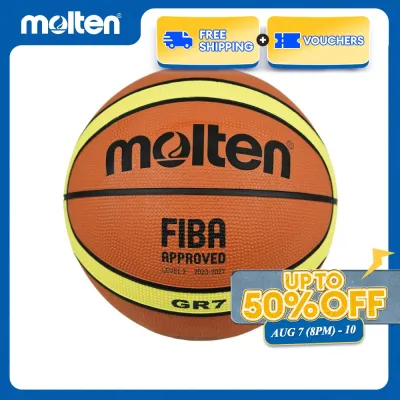
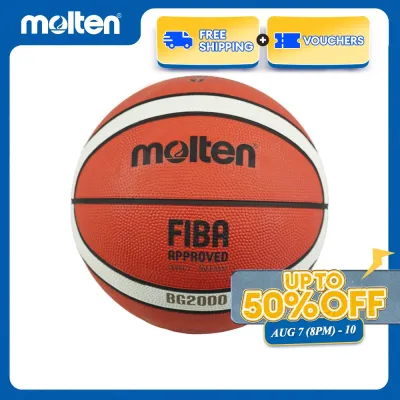
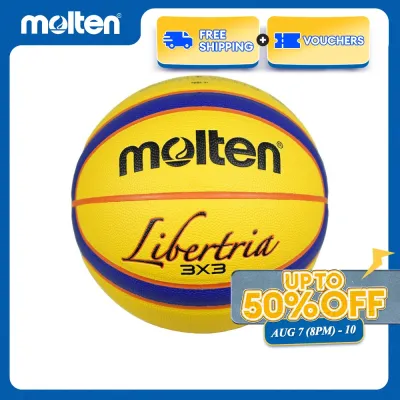
Prices are valid at publication and may change. Please refer to the product page for the latest price.
In contrast, outdoor concrete or asphalt courts are highly abrasive, uneven, and constantly exposed to the elements. These surfaces quickly accumulate fine dust, sand, and dirt, which act as a barrier between the ball and your hands. On concrete, a basketball needs to withstand constant scraping against the rough ground and metal hoops while maintaining enough texture to prevent slipping when coated in outdoor dust.
To meet these distinct demands, basketball manufacturers utilize three primary cover materials, each offering a different balance of grip, feel, and durability:
- Genuine Leather: This is the gold standard for professional indoor play. It is exceptionally durable on clean wooden courts and absorbs sweat to improve grip as the game progresses. However, it is highly sensitive to moisture, requires a lengthy break-in period, and is far too delicate for outdoor surfaces.
- Composite (Synthetic) Leather: Made from polyurethane (PU) or microfiber, composite leather replicates the soft feel of genuine leather without the high cost or break-in time. High-end composites are designed strictly for indoor use, while heavy-duty composites are engineered to handle the wear and tear of outdoor courts.
- Rubber: Highly durable and economical, rubber is the ultimate material for outdoor play. It resists abrasions from concrete, maintains its bounce on uneven surfaces, and features deep pebbles that provide reliable grip even when the ball gets dusty.
Using an indoor-only leather or premium composite ball on outdoor concrete leads to rapid wear. The abrasive surface acts like sandpaper, stripping away the outer pebble texture and exposing the smooth inner carcass within just a few sessions. Conversely, using a hard rubber ball on a polished indoor court can result in a slippery, unpredictable bounce, as rubber does not absorb sweat and lacks the refined tackiness required for clean wooden floors.
Molten addresses these differences by categorizing their basketballs into distinct series and tiers. Their premium indoor models focus on advanced synthetic and natural leathers that optimize moisture control and tactile feedback. Meanwhile, their outdoor and all-surface models utilize tougher, reinforced rubber and wear-resistant synthetics designed to survive harsh play without peeling.
Selecting a Molten Basketball for Indoor Courts
If your games take place primarily in indoor sports complexes, school gyms, or air-conditioned sports centers, you should focus on Molten’s genuine leather and premium composite leather options. These balls are engineered specifically to deliver elite grip, precise bounce, and exceptional moisture management on clean, polished wooden or synthetic vinyl floors.

When playing intense indoor games, player sweat is a constant challenge. Premium composite leather and genuine leather covers are designed to absorb moisture or channel it away from the surface. This prevents the ball from becoming slick and slippery during crucial plays, allowing you to maintain a secure grip even when your hands are wet. The cushioned feel of these premium materials also provides excellent energy transfer, giving you better control over your shots and passes.
To identify a high-quality indoor Molten ball, look for specific product indicators and official certifications on the packaging. Molten’s premium indoor basketballs belong to their BG-series (such as the high-tier BG5000 or BG4500 models). For competitive play, look for the official FIBA (International Basketball Federation) approved mark printed on the ball. This certification guarantees that the ball meets strict international standards for weight, roundness, bounce height, and material safety.
It is important to understand the difference in preparation required for genuine leather versus composite leather. A genuine leather Molten ball (like the flagship BG5000) requires a dedicated “break-in” period. Out of the box, genuine leather feels stiff, relatively smooth, and light in color. As you play with it, the natural oils from your hands and the friction of the court will soften the leather, deepening its color to a rich brown and developing a legendary, personalized grip. Premium composite leather balls, on the other hand, are ready to play immediately. They offer a soft, cushioned touch and excellent tackiness from the very first bounce, making them a popular choice for players who want peak performance without the wait.
Regardless of whether you choose genuine or composite leather, you must keep these premium indoor balls away from outdoor courts. The soft, specialized outer covers of indoor balls are highly vulnerable to the rough textures of concrete and asphalt. Playing outdoors will permanently scrape off the pebble texture, tear the panels at the seams, and ruin the ball’s ability to absorb moisture, rendering a premium investment useless for future indoor games.
Selecting a Molten Basketball for Outdoor Concrete
For players who spend their afternoons on outdoor concrete courts, streetball parks, or neighborhood barangay courts, durability is the absolute priority. To withstand these punishing conditions, you should select a Molten basketball made from high-grade rubber or heavy-duty composite leather engineered specifically for outdoor or all-surface play.
Rubber is highly recommended for concrete courts because of its superior abrasion resistance. When a rubber ball scrapes against rough concrete, asphalt, or metal chain nets, the material resists tearing and peeling far better than synthetic leather. Additionally, rubber is completely waterproof and does not absorb dirt, making it incredibly easy to wash clean after a dusty outdoor session.
Outdoor Molten basketballs are designed with specific structural features to combat dust and debris. Many outdoor models feature deeper, wider channels (the black seams running across the ball) and a more pronounced pebble texture. These deep channels help displace dust and dirt; as you grip the ball, loose particles settle into the grooves rather than sitting on the surface, allowing your fingers to make direct contact with the rubber. This design ensures you maintain a reliable grip even on a dry, dusty afternoon.
Before making a purchase, always check the product label, packaging, or embossed graphics on the ball for explicit “Outdoor” or “All-Surface” designations. Molten designs these specific balls with reinforced carcasses and robust butyl bladders. This heavy-duty internal construction ensures the ball maintains its perfect spherical shape and delivers a consistent, predictable bounce, even when repeatedly subjected to hard impacts against uneven concrete, metal backboards, and heavy iron rims.
Using a premium indoor leather ball on concrete is a costly mistake. Within a few games, the abrasive concrete will sand down the delicate pebbles, leaving the ball completely bald and slick. Furthermore, the dust on outdoor courts will clog the pores of natural leather, destroying its grip permanently. Investing in a dedicated, rugged outdoor Molten ball ensures you get a product that performs reliably under tough conditions without wearing out prematurely.
Cross-Surface Compatibility: Can One Ball Do It All?
Many players find themselves split between indoor and outdoor games and wonder if they can buy a single Molten basketball that performs well in both environments. To meet this demand, manufacturers offer “indoor/outdoor” composite leather basketballs, which serve as a middle-ground option.
While these versatile composite balls are highly convenient, they come with inherent trade-offs that you must carefully evaluate:
- Outdoor Wear: Although indoor/outdoor composites are tougher than pure indoor balls, they will still wear out significantly faster on concrete than a dedicated rubber ball. The outer synthetic layer will gradually lose its soft feel and pebble depth over months of outdoor scraping.
- Indoor Performance: On a pristine indoor wooden court, an indoor/outdoor ball will not provide the same elite level of grip, cushioning, or sweat absorption as a premium, indoor-only composite or genuine leather ball. They can sometimes feel slightly stiffer and more slippery when hands become sweaty.
To help you decide whether a single multi-surface ball is right for you, consider this simple decision framework based on your playing habits:
| Primary Playing Surface | Playing Frequency | Recommended Strategy |
|---|---|---|
| 90% Outdoor Concrete | 1–2 times a week | Buy a durable, budget-friendly rubber Molten ball. |
| 90% Indoor Wood | 1–2 times a week | Buy a premium indoor composite Molten ball (BG-series). |
| 50% Indoor / 50% Outdoor | Frequent (3+ times/week) | Two-Ball Strategy: Buy one cheap rubber ball for outdoors and one premium composite ball for indoors. |
| 50% Indoor / 50% Outdoor | Occasional (1–2 times/month) | Buy an designated "All-Surface" or "Indoor/Outdoor" composite Molten ball. |
For serious players in the Philippines who frequently transition between indoor gyms and outdoor street courts, the two-ball strategy is highly recommended and the most cost-effective approach in the long run. By owning a dedicated rubber ball for outdoor concrete and a premium composite or leather ball reserved strictly for indoor courts, you maximize the lifespan of both. This setup ensures you always have the optimal grip and bounce for the specific court you are playing on, protecting your premium indoor investment from the destructive friction of concrete.
Verifying Specifications and Maintaining Your Basketball
Once you have decided on the right material for your playing surface, it is essential to verify the product specifications upon purchase to ensure you are getting the correct ball for your needs. Always check the official Molten product tags and packaging for key details:
- Size: Ensure you select the correct size for your demographic. Size 7 is the official standard for men's competitive play (ages 15 and up). Size 6 is the official size for women's competitive play and youth players (ages 12 to 14). Size 5 is designed for younger youth players (ages 9 to 11).
- Material and Surface Designation: Double-check the label to confirm the cover material (e.g., "Genuine Leather," "Polyurethane/Synthetic Leather," or "Rubber") and the recommended playing environment (e.g., "Indoor Use Only" or "All-Surface/Outdoor").
Proper maintenance is key to preserving your basketball’s grip and ensuring a long lifespan. For indoor composite and leather balls, make it a habit to wipe off dust and sweat after every game using a clean, slightly damp microfiber cloth. Avoid using harsh chemical detergents, dish soaps, or abrasive brushes, as these can strip away the synthetic oils and protective coatings on the cover. For rubber outdoor balls, you can wash them with mild soapy water to remove stubborn dirt, but ensure they are thoroughly rinsed and dried afterward.
Maintaining correct inflation pressure is also vital. Always check the manufacturer’s recommended inflation pressure, which is typically embossed directly around the ball’s inflation valve. To protect the valve from damage, always moisten your inflation needle with a drop of glycerin, valve oil, or soapy water before inserting it. Inserting a dry needle can tear or dislodge the rubber valve core, leading to slow, frustrating air leaks.
In the tropical climate of the Philippines, high humidity and intense heat present unique challenges for basketball care. High relative humidity can cause genuine leather and composite covers to absorb excess moisture from the air, making them feel slick and encouraging the growth of mold or mildew. To prevent this, always store your basketball in a cool, dry, well-ventilated indoor space.
Never leave your basketball inside a hot vehicle trunk or parked car under direct tropical sunlight. The extreme heat inside a sealed car causes the air inside the basketball to expand rapidly, which can warp the internal butyl bladder, stretch the nylon windings, and permanently ruin the ball’s roundness. Similarly, avoid leaving your ball outdoors exposed to rain and sun, as UV rays will dry out rubber and crack synthetic leather covers.
Frequently Asked Questions (FAQ)
Can I use an indoor Molten basketball on outdoor concrete occasionally?
You should strongly avoid using an indoor leather or premium composite Molten basketball on outdoor concrete, even for a single casual session. Concrete acts like coarse sandpaper on the soft, specialized cover materials of indoor balls. A single game on concrete can cause irreversible damage, scraping away the delicate pebble texture, tearing the panel seams, and permanently ruining the ball’s grip and touch for future indoor use.
How does the humid climate in the Philippines affect basketball grip?
The high relative humidity in the Philippines causes composite and genuine leather basketballs to absorb moisture from both the air and player sweat more rapidly. This moisture absorption can make the ball’s surface feel slick and slippery during play. To maintain an optimal grip, keep a dry towel on hand to wipe down the ball during breaks, and always store the basketball in a cool, dry, and well-ventilated indoor area to allow the materials to dry out completely between games.
Community discussion
Share your experience or ask a question. Comments are reviewed before publication.