
Starting your golf journey in the Philippines is an exciting venture, but it often comes with the temptation to overspend on gear. When you are operating a personal transport vehicle like an NWOW EMC golf cart or navigating a local driving range, having the right accessories makes a significant difference. However, beginners do not need every high-tech gadget or premium cosmetic upgrade on day one. The key to building a sustainable and enjoyable golf hobby is prioritizing accessories that directly support your skill development, physical comfort, and safety under the tropical sun.
In the intense heat and high humidity of the Philippines, your immediate needs are highly practical. Sweat, sudden rain showers, and physical fatigue are your primary challenges on the course. Therefore, your accessory budget should focus on items that secure your grip, ease the physical burden of transporting your gear, and help you establish a consistent swing foundation. This guide establishes a clear priority framework, separating the essential Tier 1 purchases you need for your first round from the Tier 2 items you can safely delay until your handicap improves.
The Beginner’s Priority Framework: Function Over Hype
Every beginner golfer faces an overwhelming array of product choices, from high-tech swing analyzers to designer headcovers. To avoid overspending, you must adopt a framework that prioritizes function, skill-building, and physical comfort over aesthetics and gear accumulation. Your early investments should directly contribute to your ability to make clean contact with the ball and complete a round without physical strain. If an accessory does not actively improve your grip, protect your equipment, or help you learn the basic mechanics of the swing, it is a candidate for delay.
Products mentioned in this guide
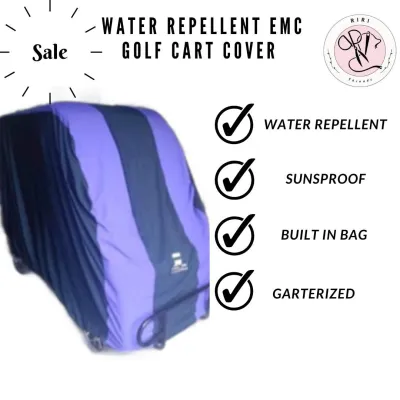
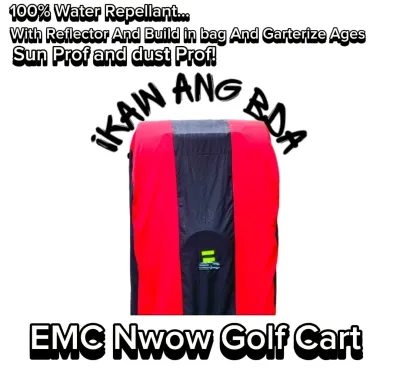
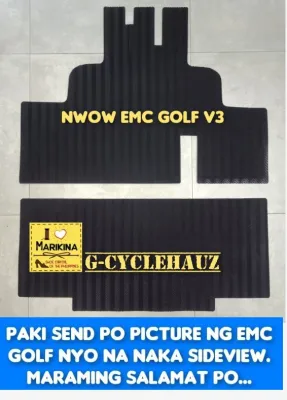
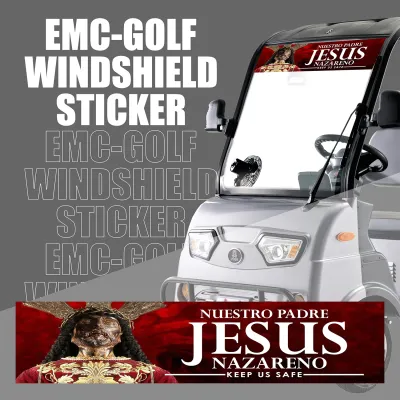
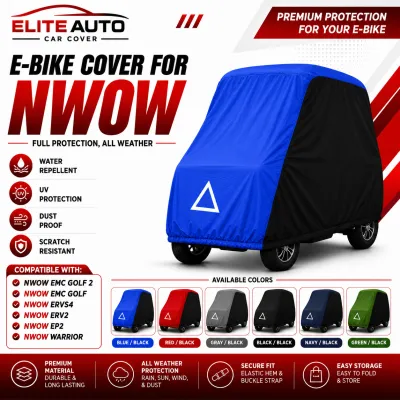
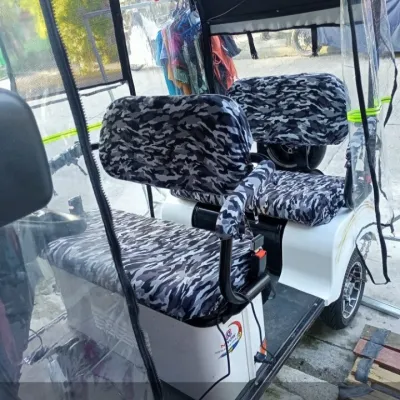
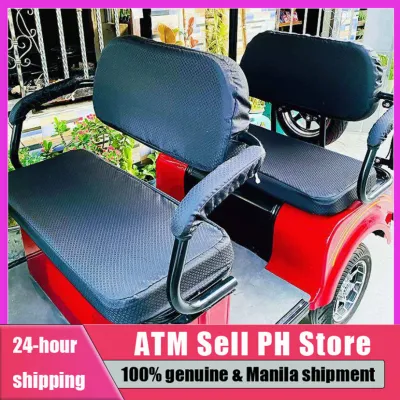
Prices are valid at publication and may change. Please refer to the product page for the latest price.
This functional approach is particularly critical when playing in the tropical climate of the Philippines. High humidity levels and intense UV exposure accelerate wear and tear on materials while rapidly draining your physical energy. For instance, a glove that cannot handle moisture will quickly slip, ruining your swing mechanics and causing blisters. Similarly, a heavy, poorly designed bag will cause premature fatigue during a long afternoon on the fairways. By focusing on climate-appropriate, functional gear, you ensure that your equipment works with you rather than against you.
To help you navigate these choices, we have structured your purchasing path into two clear tiers. Tier 1 consists of the absolute essentials you need to practice and play comfortably from day one. Tier 2 contains items that are highly useful for intermediate players but offer minimal value to an absolute beginner. By systematically working through these tiers, you can build a highly effective kit while keeping your initial startup costs manageable.
Tier 1: Essential Accessories to Buy First
Your first purchases should focus on the immediate physical demands of the game. These accessories protect your body, secure your connection to the club, and provide a reliable way to transport your equipment safely.

Golf Gloves and Grip Aids
Maintaining a secure grip is the single most critical factor in controlling your club face, yet it is constantly compromised by the humid climate of the Philippines. When temperatures rise, perspiration on your hands can cause the club to slip mid-swing. This slippage leads to inconsistent shots, excessive grip tension, and painful blisters. A high-quality golf glove acts as a crucial interface, absorbing moisture and maximizing friction between your hand and the grip.
For beginners in tropical environments, material selection is key to durability and performance. While premium cabretta leather offers exceptional feel, it tends to absorb sweat quickly, dry stiffly, and wear out rapidly under high humidity. Synthetic leather gloves, often blended with breathable mesh panels along the knuckles and fingers, are highly recommended for beginners. Synthetic materials resist moisture absorption, maintain their flexibility after drying, and generally offer greater durability at a lower price point.
When purchasing, look for the following specifications:
- Material: Look for synthetic leather or composite materials with mesh inserts for ventilation.
- Fit: The glove must fit like a second skin with no loose material at the fingertips or palm.
- Moisture Management: Check manufacturer labels for quick-dry or moisture-wicking properties.
- Care Instructions: Ensure the glove can be wiped down or hand-washed without losing its shape.
Additionally, consider keeping a dedicated microfiber towel hanging from your bag. Regularly wiping your hands and club grips before every shot prevents the buildup of sweat and dirt, extending the lifespan of your glove and maintaining consistent traction throughout your practice sessions.
Golf Bags and Carrying Solutions
How you transport your clubs affects your physical energy and your overall enjoyment of the game. Beginners must choose between a stand bag and a cart bag, depending on their preferred style of play and transport methods. Stand bags feature built-in retractable legs and dual backpack-style shoulder straps, making them ideal for walking the fairways or spending hours at the driving range. They are lightweight, typically weighing between 1.5 to 2.5 kilograms, and designed to distribute weight evenly across your shoulders to reduce lower back strain.
Conversely, cart bags are larger, heavier, and designed to sit flat on a motorized vehicle or a pull cart. If you plan to transport your clubs using a personal mobility device or a specific NWOW EMC golf cart, you must verify the bag’s base dimensions and strap compatibility. Cart bags often feature a cart strap pass-through channel that allows you to secure the bag to the vehicle without blocking access to the pockets. Before buying, measure the mounting bracket or utility basket of your vehicle to ensure a snug, secure fit that won’t shift during transit over uneven terrain.
Regardless of the bag type, prioritize models with the following features:
- Dividers: A 4-way to 14-way top divider system to keep your clubs organized and prevent them from clanking.
- Ventilated Pockets: Dedicated compartments for wet gear, towels, and water bottles to prevent mold growth.
- Waterproof Valuables Pocket: A seam-sealed pocket to protect your phone, wallet, and keys during sudden tropical downpours.
- Strap Ergonomics: Thick padding and adjustable points to prevent shoulder chafing.
Basic Training and Alignment Aids
It is easy to get distracted by expensive electronic swing analyzers, but absolute beginners gain the most value from simple, physical alignment tools. Developing a consistent setup, stance, and swing path is the foundation of good golf. Without proper alignment, even a perfect swing will send the ball off-target, leading to frustration and the development of bad habits.
The most effective and budget-friendly tool you can buy is a set of alignment sticks. These simple fiberglass rods are placed on the ground to visually guide your foot alignment, ball position, and target line. They are highly portable, fitting easily into your golf bag alongside your clubs. Another valuable addition is a basic putting mat for home use. A simple, non-electronic mat with printed alignment lines allows you to practice your putting stroke in a controlled, indoor environment, away from the intense outdoor heat.
Avoid investing in premium electronic swing sensors, launch monitors, or smart training aids during your first few months. These devices provide highly detailed data metrics—such as club path angles, spin rates, and launch angles—that can easily overwhelm a beginner. Focus instead on building physical muscle memory and visual consistency using low-cost, mechanical aids before introducing complex data analysis to your routine.
Tier 2: Accessories to Delay Until You Improve
While it is tempting to fully equip yourself with every available tool, certain accessories offer very little practical benefit to a beginner. Delaying these purchases allows you to allocate your budget where it matters most while preventing gear clutter.
- Rangefinders and Advanced GPS Watches: Laser rangefinders and GPS watches are popular for measuring the exact distance to the flagstick. However, for a beginner, knowing that the hole is exactly 142 yards away instead of roughly 140 yards is of limited use. Early in your golf journey, your shot distance variance is naturally high; you may hit a 7-iron 130 yards on one swing and 100 yards on the next due to inconsistent contact. Instead of precise targeting, focus on making solid, repeatable contact. Rely on the physical yardage markers installed on the fairways or use free, basic smartphone golf applications to get a general sense of distance. Once you can consistently hit your clubs to predictable distances, a dedicated rangefinder becomes a worthwhile investment.
- Premium Shoe Upgrades: High-end, spiked golf shoes featuring advanced waterproof membranes and carbon-fiber stability plates can cost upwards of ₱10,000. For your first several months, such an investment is unnecessary. Most local driving ranges and public golf courses in the Philippines permit clean athletic shoes or entry-level spikeless golf shoes. Spikeless models feature durable rubber outsoles with molded traction patterns, offering sufficient grip on dry grass while remaining comfortable enough to wear off the course. Delay purchasing heavy, specialized spiked shoes until you begin playing full 18-hole rounds regularly, especially in wet, slippery conditions where maximum traction is required.
- High-End Club Headcovers and Luxury Towels: Aesthetic upgrades, such as designer leather headcovers, matching luxury towels, and custom bag tags, do not improve your performance or protect your clubs any better than standard accessories. Your clubs need basic protection from clanking against each other during transport, which is easily achieved using the simple headcovers that typically come with your woods and hybrids. A standard, clean microfiber towel is perfectly adequate for wiping away mud and sweat. Save your budget for functional gear that directly impacts your comfort and swing development.
How to Verify NWOW EMC Specifications and Compatibility
When selecting accessories—especially those intended to integrate with a personal electric vehicle, utility cart, or an NWOW EMC golf cart—you must perform systematic compatibility and safety checks. Buying mismatched gear can lead to physical damage, safety hazards, or wasted money. Use the following verification checklist before making a purchase.
Material and Care
Always check the manufacturer’s tags for material composition and care instructions. In the humid, high-UV environment of the Philippines, accessories are highly susceptible to sun degradation, color fading, and mold.
- UV Resistance: Check if the fabric or plastic has been treated with UV inhibitors to prevent sun rot.
- Water Resistance: Look for durable water repellent (DWR) coatings or waterproof ratings on bags and covers.
- Washing Limits: Confirm whether the item can be hand-washed or if it requires specialized dry cleaning.
Dimensions and Mounting
If you are purchasing accessories designed to attach directly to your NWOW EMC vehicle—such as umbrella holders, sand bottle mounts, cooler bags, or phone mounts—you must verify the physical dimensions and mounting mechanisms.
- Bar Diameter: Measure the diameter of the vehicle's frame tubing or grab bars (commonly 1 inch or 1.25 inches) and match it to the accessory clamp size.
- Clearance: Ensure that the mounted accessory does not block steering, braking, or your line of sight.
- Weight Limits: Confirm that the mounting point can support the weight of the accessory when fully loaded (e.g., a full water bottle or heavy cooler bag).
Electronics and Power
For electronic accessories, such as cart-mounted cooling fans, GPS units, or portable speakers, you must understand their power requirements.
- Voltage Compatibility: Check the input voltage of the accessory (e.g., 5V USB or 12V DC) against the vehicle's power outlet specifications to prevent electrical shorts.
- IP Rating: Verify the Ingress Protection (IP) rating for dust and water resistance, especially for outdoor electronic use. An IPX4 rating or higher is recommended to withstand sudden rain showers.
- Battery Runtime: Confirm the estimated battery runtime under continuous operation to ensure it lasts a full round.
Authenticity and Support
To ensure safety and long-term reliability, purchase your accessories from authorized dealers or official brand stores in the Philippines. This guarantees that you receive authentic products covered by local warranties and supported by reliable customer service. Avoid purchasing unbranded or extremely cheap imitation accessories from unverified online sellers, as these items often lack quality control and can fail unexpectedly during use.
Smart Shopping Strategies to Avoid Overspending
Navigating the golf retail landscape requires a disciplined approach to keep your startup costs manageable. By implementing smart shopping strategies, you can build a high-quality kit without overspending.
Budgeting
Establish a strict, upfront budget in Philippine Pesos (₱) specifically for accessories, keeping it separate from your club and green fee budgets. Allocate at least 70% of this budget to Tier 1 essentials—specifically a high-quality synthetic glove, a durable stand or cart bag, and basic alignment sticks. A realistic starting budget of ₱3,000 to ₱6,000 is typically sufficient to secure reliable, entry-level versions of these key items.
Bundles vs. Individual Items
Many retailers and online marketplaces offer beginner accessory bundles that package gloves, towels, tees, ball markers, and training aids together at a discounted price. While these bundles can seem highly attractive, analyze the individual components carefully. Often, these packages include low-quality filler items—such as flimsy plastic tees, poorly stitched towels, or ill-fitting gloves—that will quickly fail and require replacement. In many cases, purchasing three high-quality, individual Tier 1 items is far more cost-effective than buying a 10-piece bundle of sub-par gear.
Retailer Policies
Before finalizing any purchase, especially on local e-commerce platforms, thoroughly review the seller’s return policies and warranty terms. Look for high seller ratings and read customer reviews specifically searching for feedback on durability and shipping packaging. Ensure that the retailer offers a straightforward return or exchange policy, which is particularly important for sized items like gloves and shoes.
Try Before You Buy
Whenever possible, visit a physical golf specialty store or pro shop to try on equipment before purchasing. Wear different glove sizes to find the perfect fit, feel the weight and balance of a golf bag on your shoulders, and test the comfort of entry-level shoes. Physical testing prevents the hassle of returning ill-fitting items and ensures that your chosen gear matches your body shape and comfort preferences.
Frequently Asked Questions (FAQ)
Can I use regular sports gloves instead of specific golf gloves?
No, regular sports gloves are not a suitable substitute for golf gloves. Golf gloves are engineered specifically for the unique friction points, grip pressure, and hand positioning of a golf swing. They are typically thinner to provide maximum tactile feedback and control, allowing you to feel the club’s movement. General-purpose sports gloves, such as weightlifting or cycling gloves, are often too thick, lack the necessary palm texture, and can restrict finger flexibility, which can lead to a compromised grip, tension in your forearms, and painful blisters.
Do I need a golf GPS or rangefinder as a beginner?
No, a dedicated golf GPS or laser rangefinder is not necessary when you are first learning the game. As a beginner, your primary goal is to develop a consistent swing and make clean contact with the ball. Because your shot distances will naturally vary significantly from shot to shot, knowing the exact yardage to the pin is less critical. Relying on the colored yardage markers on the fairway (such as 100, 150, and 200-yard markers) or using free smartphone golf applications is more than sufficient to guide your club selection during your early stages.
How do I clean and maintain my golf accessories in a humid climate?
To prevent mold, mildew, and material rot in the humid climate of the Philippines, follow simple, low-risk maintenance steps. After every round or practice session, remove your golf glove from your bag and let it air-dry completely in a cool, shaded indoor area; never leave a wet glove crumpled inside a dark bag pocket. Wipe down your club grips and bag exterior with a damp microfiber cloth to remove sweat, salt, and dirt, then dry them with a clean towel. Finally, leave your golf bag’s main compartments unzipped in a well-ventilated room to allow trapped moisture to evaporate, preventing mildew growth.
Community discussion
Share your experience or ask a question. Comments are reviewed before publication.