
Choosing the right pool buoy is not as simple as grabbing the first colorful piece of foam you see at a local sports store. Whether you are aiming to refine your freestyle stroke, help a child build water confidence, or simply float under the warm tropical sun, the term “pool buoy” covers a vast range of distinct water accessories. Selecting the wrong category can lead to frustration, poor training habits, or even safety hazards in the water.
To make an informed purchase, you must evaluate your specific swimming goals, current skill level, and the primary pool environment where you plan to use the gear. This self-assessment guide will walk you through the functional differences between training aids, beginner supports, and leisure floats, helping you identify the exact category that matches your needs before you spend your hard-earned money.
Define Your Primary Pool Purpose and Skill Level
Before browsing online marketplaces or visiting a local sporting goods shop, you must define what you intend to accomplish in the water. Water activities generally fall into three categories: structured athletic training, beginner skill-building, or pure leisure. Each demands a completely different level of buoyancy, physical engagement, and hydrodynamic design from your equipment.
Products mentioned in this guide
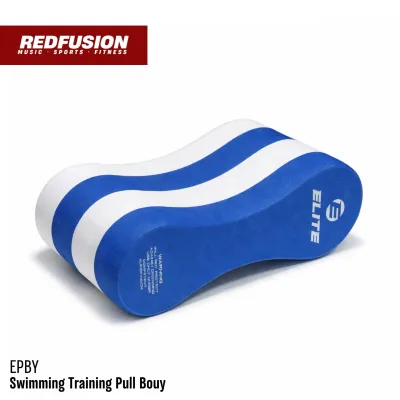
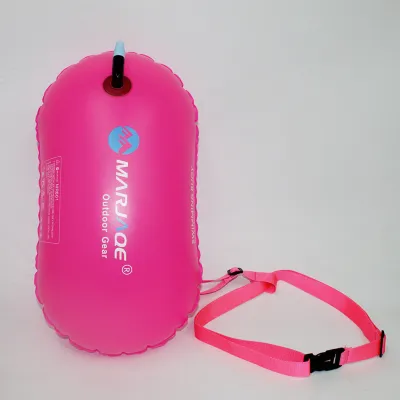
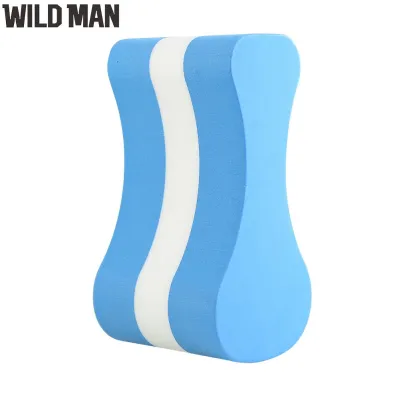
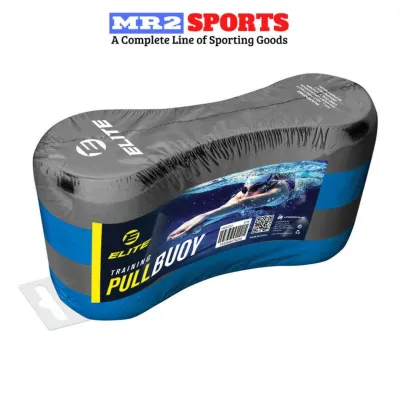
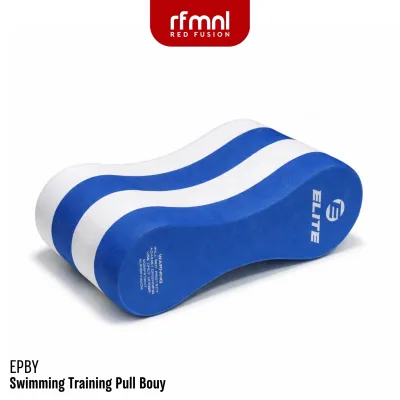
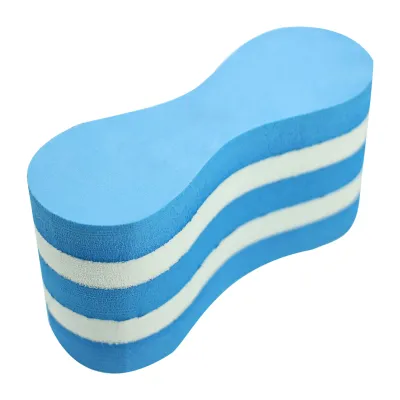
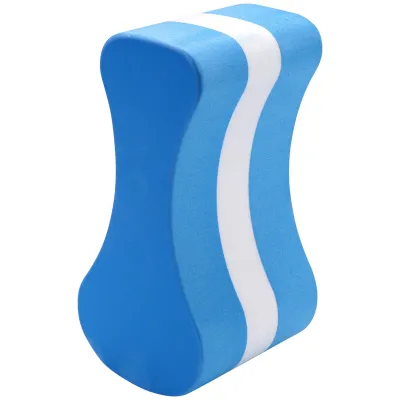
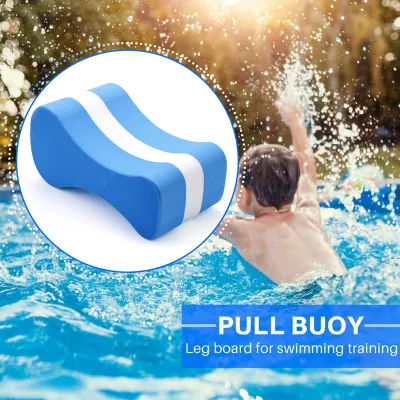
Prices are valid at publication and may change. Please refer to the product page for the latest price.
If your goal is lap swimming and technique refinement, you require specialized training aids that isolate specific muscle groups. For instance, fitness enthusiasts often need to separate their upper-body stroke mechanics from their lower-body kick. This requires highly targeted, low-profile buoyancy tools rather than large, bulky floats that disrupt your body line in the water.
Conversely, if you are building basic water confidence or teaching young family members how to stay afloat, your priority is stable, continuous support. Beginners need tools that help them maintain a comfortable, upright or semi-horizontal position without requiring active swimming strokes. In these scenarios, the equipment acts as a temporary confidence builder rather than a performance enhancer.
Finally, casual recreation and surface relaxation require maximum surface area and minimal physical effort. If you plan to spend your weekends lounging in a resort pool or a backyard setup in a humid tropical climate, you want a float designed for comfort, head support, and stability.
Your current swimming proficiency is the ultimate deciding factor. Active training aids offer minimal full-body support and require a baseline level of swimming ability to use safely. If you cannot comfortably swim a full lap unassisted, relying on a training buoy for flotation can be dangerous. Always match the equipment’s support level to your actual physical capabilities.
Match Your Needs to the Right Pool Buoy Category
Pool buoys are engineered with specific hydrodynamic properties, buoyancy levels, and materials to serve distinct purposes. They are not one-size-fits-all items, and using a product outside its intended category can hinder your progress or compromise your safety. Understanding how these categories differ is the first step toward making a smart purchase.

Kickboards and Pull Buoys for Stroke Technique
For those focused on fitness and stroke refinement, the primary tools are kickboards and pull buoys. A classic kickboard is designed to be held in front of you, supporting your upper body so you can isolate and strengthen your leg kick. This is ideal for building lower-body endurance and perfecting your flutter or breaststroke kick.
A pull buoy, on the other hand, is a contoured foam figure-eight shape that you place securely between your thighs or ankles. By neutralizing your legs and keeping your lower body high in the water, the pull buoy allows you to focus entirely on your arm pull, shoulder rotation, and core alignment.
It is crucial to understand that these training aids offer minimal overall buoyancy. They are designed for active, competent swimmers who already possess basic water survival skills. They are not intended for resting, lounging, or keeping non-swimmers afloat, as they require constant active movement and core engagement to remain stable.
Noodles and Rings for Beginners and Active Play
If you are catering to beginners, children, or active family play, foam noodles and swim rings are the standard choices. Foam pool noodles are incredibly versatile, offering flexible, full-body support that can be wrapped under the arms or behind the back to help users practice kicking and basic paddling.
Swim rings, whether inflatable or solid, provide an enclosed, highly stable boundary that helps non-swimmers maintain an upright position in shallow water. These tools are excellent for building water familiarity and reducing anxiety during early swimming lessons.
When selecting these items, always check the manufacturer’s age, weight, and sizing recommendations on the product label. A ring that is too large can allow a child to slip through, while a noodle with insufficient buoyancy will fail to support the user’s weight. Remember that these play and learning aids are not life-saving devices and must always be used under direct adult supervision.
Lounge Floats for Relaxation and Sunbathing
When your primary goal is to escape the heat and relax on the water surface, a lounge float is the correct choice. Unlike training aids, lounge floats prioritize stability, surface area, and ergonomic comfort over hydrodynamic efficiency. They are designed to keep your head, neck, and torso elevated and dry while you drift.
You will generally choose between solid closed-cell foam lounges and inflatable PVC options. Solid foam lounges offer immediate readiness and excellent durability, as they cannot puncture or deflate under the intense tropical sun. However, they are bulky to store and transport.
Inflatable lounge floats are highly portable and easy to pack for trips to beach resorts, but they require inflation time and are susceptible to punctures from rough pool edges or sharp objects. Consider your storage space and how often you plan to transport the float before deciding between these two material types.
Verify Material, Size, and Safety Specifications
Once you have identified the correct category, you must verify the physical specifications of the product to ensure durability, comfort, and safety. Start by checking the material composition listed on the product label. High-quality training aids and noodles are typically made from closed-cell ethylene-vinyl acetate (EVA) foam, which resists water absorption, chlorine degradation, and mold growth.
For inflatable options, look for heavy-duty, puncture-resistant polyvinyl chloride (PVC). In the hot, humid climate of the Philippines, cheap plastics can quickly degrade, soften, or develop leaks when exposed to intense sunlight and pool chemicals. Checking for UV-resistant coatings on the packaging is a practical way to ensure your investment lasts.
Next, verify the stated weight capacity and physical dimensions. A pull buoy that is too small will not provide enough lift to keep your hips aligned, while an oversized kickboard can strain your shoulders. For leisure floats, ensure the length and width comfortably accommodate your body type to prevent tipping.
Most importantly, read all safety warnings and disclaimers. Recreational pool buoys, noodles, and lounge floats are classified as aquatic toys, not personal flotation devices (PFDs). They do not meet the safety standards of certified life jackets. If you or your family members are non-swimmers, these products must never be used as a substitute for certified life-saving gear or constant, active supervision by a competent swimmer.
Final Self-Assessment Checklist Before Purchasing
Before finalizing your purchase, run through this quick checklist to ensure you are buying the right tool for your specific situation:
- Activity Alignment: Is this buoy designed for my primary goal (e.g., a pull buoy for arm training, or a lounge float for relaxation)?
- Skill Level Match: Do I have the necessary swimming ability to use this training aid safely, or do I need a high-buoyancy beginner support?
- Material and Climate Suitability: Is the material durable enough to withstand local tropical sun exposure and chlorine without degrading?
- Storage and Transport: Do I have the space to store a solid foam float, or do I need a compact, inflatable option for travel?
- Budget and Value: Whether you are spending ₱300 on a basic noodle or over ₱1,500 on a premium training aid, does the product's durability justify its price?
If you are purchasing gear to address a specific physical limitation, recover from an injury, or learn to swim from scratch, stop and consult a certified swimming instructor or a qualified physical therapist. They can provide personalized recommendations on the exact dimensions and buoyancy levels required for your rehabilitation or training program.
Frequently Asked Questions (FAQ)
Can I use a lounge float for swimming laps?
No, lounge floats are not suitable for lap swimming. They are designed with a wide, flat profile to maximize stability and comfort, which creates immense hydrodynamic drag in the water. Attempting to swim laps with a lounge float will strain your shoulders, disrupt your stroke alignment, and prevent you from maintaining a proper horizontal swimming posture.
Are foam pool buoys better than inflatable ones?
It depends on your priorities regarding durability and convenience. Solid foam buoys, such as those made from EVA foam, are highly durable, puncture-proof, and ready to use instantly without any setup. Inflatable buoys offer superior portability and compact storage, making them ideal for travel, though they require inflation and are vulnerable to punctures.
Do I need a specific pool buoy if I am learning to swim?
Yes, beginners should look for high-buoyancy, stable supports like foam noodles or swim rings that help build water confidence. However, it is vital to remember that these recreational floats are training aids and play toys, not safety devices. They cannot replace professional swimming instruction or active adult supervision in the water.
Community discussion
Share your experience or ask a question. Comments are reviewed before publication.