
Choosing the right Raleigh mountain bike requires matching the bike’s frame design, suspension setup, and component specifications to your typical riding environment, physical measurements, and skill level. Raleigh offers a range of mountain bikes, from entry-level hardtails suited for casual paths to more robust builds designed for technical trails. Finding the right fit involves analyzing where you ride, understanding how different frame materials and wheel sizes behave, and verifying the physical dimensions of the bike before purchasing.
Diagnose Your Riding Style and Local Trail Conditions
Evaluate casual trail riding and gravel paths if your primary goal is comfort and stability. If you plan to ride on flat dirt roads, paved barangay streets, or light gravel paths, your priority is a comfortable, upright riding position. These environments do not require heavy-duty suspension or aggressive tire treads, which can add unnecessary weight and rolling resistance to your daily rides.
Assess cross-country (XC) requirements if you prioritize efficiency, climbing, and navigating moderate technical sections. XC riding involves a mix of climbing and descending on hard-packed dirt, singletrack trails, and moderate obstacles like exposed roots. For this style, you need a bike that transfers power efficiently from your pedals to the ground, helping you climb steep hills without losing momentum.
Products mentioned in this guide
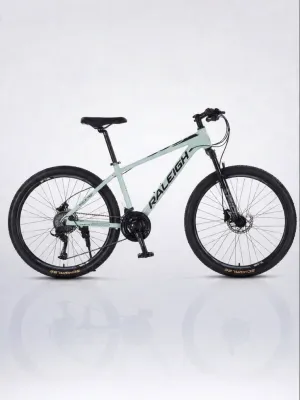
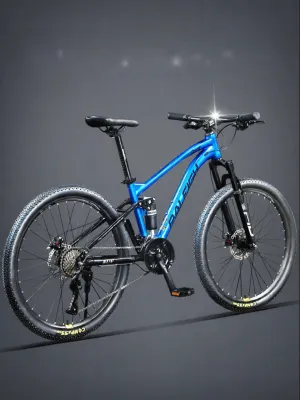
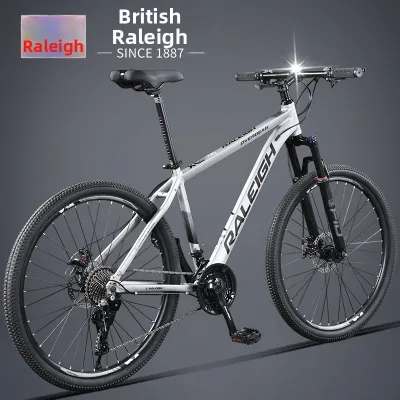

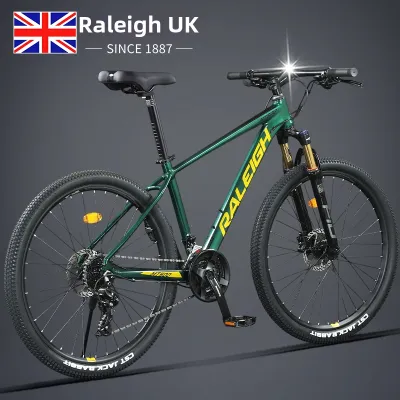
Prices are valid at publication and may change. Please refer to the product page for the latest price.
Identify aggressive off-road or trail riding demands if your routes involve steep descents, jumps, and rough obstacles. If your local trails feature rocky drops, muddy ruts, and steep downhill sections, you require a bike built for high impact. This style demands robust frame construction, advanced suspension to absorb heavy shocks, and aggressive tire tread patterns to maintain traction on loose or wet soil.
Consider how seasonal weather changes affect your local terrain before making a decision. In the Philippines, trails can transition rapidly from dry, dusty hardpack to deep, sticky mud during the wet season. This climate shift means your chosen riding style must account for seasonal trail changes, requiring tires with mud-clearing capabilities and a drivetrain that won’t easily clog with debris.
Match Your Profile to Raleigh Mountain Bike Categories
Compare hardtail models if you want XC efficiency, lower maintenance, and casual trail versatility. Hardtail mountain bikes feature a front suspension fork but no rear shock, making them highly efficient for climbing and riding on flatter terrain because no pedaling energy is lost to rear suspension movement. They are generally lighter, easier to maintain, and highly versatile for riders who split their time between paved roads and light off-road trails.

Evaluate full-suspension options if you plan to tackle aggressive terrain that requires maximum traction and impact absorption. Full-suspension bikes feature both front and rear shocks, allowing both wheels to maintain contact with uneven ground. This configuration provides superior traction, control, and comfort when navigating rocky descents or highly technical trails, though it requires more frequent maintenance of the pivot points and rear shock seals.
Review frame material trade-offs to balance weight, durability, and ride quality. Aluminum frames are highly common because they offer a lightweight feel, excellent rust resistance in humid tropical climates, and high rigidity for efficient power transfer. Steel frames, while heavier, provide a classic aesthetic and a naturally compliant ride quality that dampens vibrations on casual, long-distance journeys.
Keep in mind that high humidity and coastal salt air in many parts of the Philippines can accelerate corrosion on steel frames if they are not meticulously cleaned and stored. Aluminum frames offer a significant advantage here, as they form a natural oxide layer that resists rust, making them a lower-maintenance choice for riders living near coastal areas or in highly humid regions.
Verify Key Specifications for Your Chosen Terrain
Choose between 27.5-inch and 29-inch wheels based on agility versus rollover capability. 29-inch wheels offer excellent rollover capability, allowing you to maintain speed over rocks and roots, making them ideal for XC riding and taller riders. 27.5-inch wheels provide quicker acceleration and more agile handling, which is highly beneficial for shorter riders or those navigating tight, twisty trails.
Check suspension travel limits and fork types against your identified trail roughness. For casual paths, 80mm to 100mm of travel is sufficient to smooth out minor bumps. If you tackle rougher trails, look for 120mm to 140mm of travel with adjustable rebound settings to prevent the fork from bottoming out on sudden drops.
Verify drivetrain gear ranges and braking systems for local elevation changes and weather conditions. A wide-range 1x (single chainring) drivetrain simplifies shifting and reduces the risk of chain drops on bumpy terrain. For stopping power, hydraulic disc brakes are highly recommended over mechanical ones, especially during the wet season, as they provide consistent braking performance even when rims and rotors are covered in mud or water.
Confirm frame sizing and standover height for safe handling and comfort. When standing over the top tube with both feet flat on the ground, you should have at least two to three inches of clearance to prevent injury during sudden stops. Check the reach and stack measurements to ensure you can comfortably grip the handlebars without overextending your back or putting excessive pressure on your wrists.
Purchasing and Setup Considerations in the Philippines
Locate authorized local bike shops and official online storefronts to guarantee authenticity and warranty coverage. To ensure you receive a genuine Raleigh bike and a valid manufacturer warranty, purchase only from authorized local bike shops or official online brand stores on major ecommerce platforms. Avoid gray-market sellers who cannot guarantee authentic components or provide after-sales support.
Plan for a test ride to validate frame geometry and component feel before committing. Pay close attention to how the bike handles turns, how easily you can reach the brake levers, and whether the saddle height can be adjusted to your optimal pedaling position. A physical test ride is the most reliable way to confirm that the bike’s geometry matches your body proportions.
Arrange professional assembly and initial tuning to ensure safety and optimal performance on the trails. Mountain bikes shipped in boxes require precise assembly. It is highly recommended to have a professional mechanic assemble the bike, torque all bolts to specification, align the disc brakes, and tune the derailleurs. Proper initial setup prevents premature component wear and ensures your safety on the trail.
Frequently Asked Questions (FAQ)
Can I use a Raleigh hardtail for aggressive downhill trails?
While you can physically ride a hardtail down a steep trail, it is not recommended for aggressive downhill riding. The lack of rear suspension means your legs must absorb all the impact, which quickly leads to fatigue and reduces your control over rough obstacles. For steep, technical descents, a full-suspension model or a specialized, slack-geometry trail hardtail is necessary to maintain safety and traction.
How do I determine the correct frame size for my height?
To find your correct frame size, start by measuring your height and your inseam length while wearing your riding shoes. Compare these measurements directly to the specific Raleigh sizing chart for the model you are considering. Additionally, verify the standover clearance by ensuring there is a safe gap between your body and the top tube when standing over the bike.
Community discussion
Share your experience or ask a question. Comments are reviewed before publication.