
Choosing the right grip ball resistance depends on your current hand strength, fitness goals, and hand size. If you select a ball that is too heavy, you risk straining the delicate tendons in your fingers and wrists; if you choose one that is too light, your training will quickly plateau. Finding the ideal starting point requires understanding how these compact training tools are rated and matching them to your specific physical baseline.
Understanding Grip Ball Resistance Measurements
Grip ball resistance is typically measured in kilograms (kg) or pounds (lbs), representing the force required to compress the ball fully. However, these numbers can be misleading because manufacturers use different testing methods. Some brands rate their products based on the peak force needed to initiate compression, while others measure the sustained squeeze required to hold the ball in a fully collapsed state.
In the tropical climate of the Philippines, where high humidity can affect both the material flexibility of the ball and your hand grip, these ratings are highly variable. A silicone ball rated at 15 kg might feel significantly stiffer on a cool morning than it does during a hot afternoon. Furthermore, chasing a higher resistance number does not guarantee a better or safer workout. Hand training relies heavily on the small muscles of the forearm and hand, which are highly susceptible to strain when overloaded too quickly.
Products mentioned in this guide
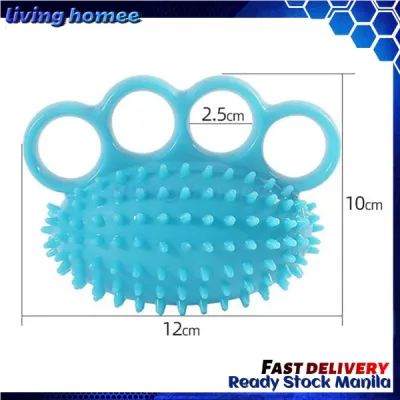
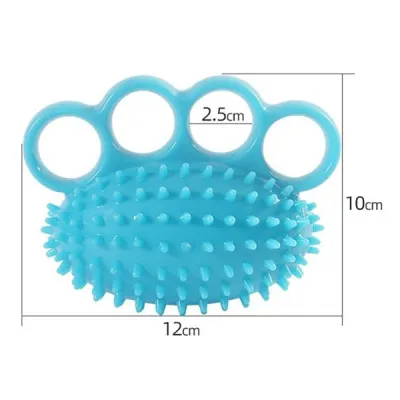
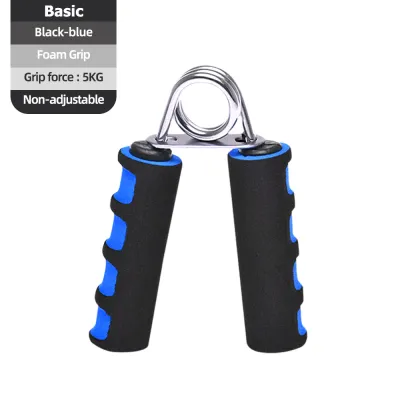
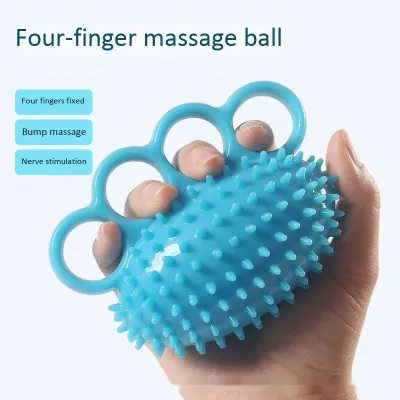
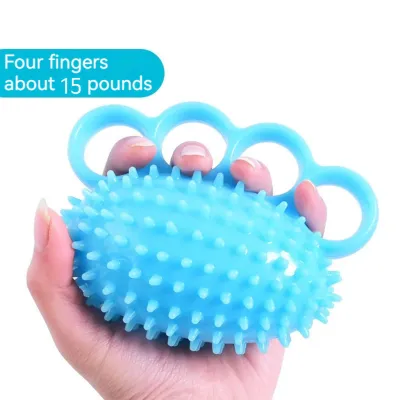
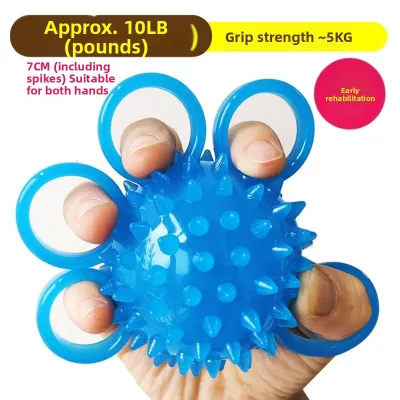
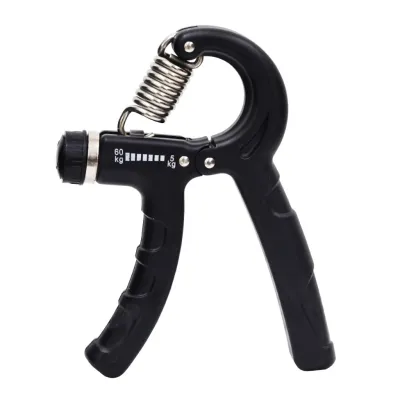
Prices are valid at publication and may change. Please refer to the product page for the latest price.
How to Assess Your Current Grip Strength
Before purchasing a grip ball, you can estimate your baseline strength using common gym equipment or simple daily observations. If you regularly lift weights, pay attention to your deadlift or pull-up performance. If your hands begin to slip or fatigue long before your target muscles tire, your grip strength is likely the limiting factor. Another practical test involves holding a standard weight plate or a heavy household object, like a filled water container, using only your fingertips; if you cannot maintain the hold for at least fifteen seconds, you should start with a light-resistance ball.

You can also observe how your hands handle daily tasks. Difficulty opening tight jars or fatigue after writing or typing for short periods indicates that a low-resistance, therapeutic-grade ball is the safest starting point. If you are recovering from an injury or experiencing persistent joint pain, it is best to consult a physical therapist or a qualified coach. They can use a hand dynamometer to measure your exact grip force in kilograms and recommend a safe, structured rehabilitation path.
Matching Resistance Levels to Your Training Goals
Your choice of resistance should align directly with what you want to achieve. For muscular endurance and active recovery, choose a lighter ball that allows you to perform high-repetition sets. Aim for 20 to 30 continuous squeezes per set, holding each squeeze for a second or two. This high-volume approach increases blood flow to the hands and forearms, which is excellent for warming up before a heavy lifting session or recovering after intense manual work.
If your goal is hypertrophy or maximum crushing strength, you need a higher resistance level that limits your repetitions. For these goals, select a ball that you can compress fully only 8 to 12 times per set before reaching muscular fatigue. Instead of relying on fixed weight thresholds, apply the Rate of Perceived Exertion (RPE) scale. On a scale of 1 to 10, where 10 is maximum effort, your strength sets should feel like an 8 or 9. As your hands grow stronger, you can progress by holding the compression longer or upgrading to a firmer ball.
Key Features to Check Beyond Resistance
While resistance is the primary factor, other physical specifications determine how usable a grip ball will be in daily training. Material texture is crucial, especially in warm, humid environments where sweaty palms are common. Look for textured silicone or matte-finished thermoplastic rubber (TPR) that offers a secure, non-slip surface. Smooth materials can easily slip out of your hand during high-effort squeezes, disrupting your training rhythm.
Ergonomic shaping and size variations are also vital. Grip balls come in different diameters, and choosing one that matches your hand size prevents unnatural finger positioning. If the ball is too large, you will not be able to wrap your fingers around it securely; if it is too small, you may experience cramping in your palm. Finally, check the overall build quality and seam construction. High-quality, solid-core silicone balls generally offer better durability and resist tearing over time compared to hollow, air-filled alternatives.
Frequently Asked Questions (FAQ)
Can I use grip balls every day for faster results?
Using grip balls every day is generally not recommended if you are training for strength or hypertrophy. The muscles, tendons, and ligaments in your hands and forearms require adequate rest to repair and grow stronger. Overtraining can lead to overuse injuries like tendonitis or carpal tunnel strain, with early warning signs including persistent joint stiffness, dull aches, or a tingling sensation in your fingers. To avoid these issues, schedule at least one or two rest days between intense grip sessions, or alternate your grip ball training with light stretching and mobility exercises.
Do I need different resistance levels for my left and right hand?
It is very common to have a strength imbalance between your dominant and non-dominant hand. You can test this by performing a maximum-effort squeeze test with each hand; if your non-dominant hand fatigues significantly faster, an imbalance exists. To address this, you can train your weaker hand independently by performing an extra set or using a slightly lighter grip ball for that side. Purchasing a multi-pack with varying resistance levels allows you to customize the intensity for each hand and ensures you have room to progress as your overall grip strength improves.
Community discussion
Share your experience or ask a question. Comments are reviewed before publication.