
Choosing the right roller blade shoes depends entirely on where you plan to skate, your current skill level, and your primary objectives. Whether you are looking for a relaxed weekend cruise, a high-intensity cardiovascular workout, or the durability to handle skatepark tricks, matching the skate’s design to your intended use is the most critical step before making a purchase. The right skate for a smooth, breezy cruise along a coastal boulevard will perform poorly, and potentially unsafely, if taken into a concrete bowl for high-impact jumps. By analyzing where you plan to roll, how fast you want to go, and your current level of balance, you can select a design that supports your feet, protects your joints, and helps you progress naturally.
Identify Your Skating Environment and Goals
Before browsing online marketplaces, look at the ground beneath your feet. The surfaces in your neighborhood dictate the wheels and frames you need. Smooth indoor rink floors and paved park paths are highly forgiving, allowing for softer wheels and lighter frames. In contrast, typical neighborhood roads, barangay courts, and asphalt streets often feature cracks, loose gravel, and uneven expansion joints that demand a more rugged setup.
Your fitness and recreation goals also shape this decision. If your objective is a low-impact cardiovascular workout, you require a setup optimized for sustained, linear rolling. If you are drawn to grinding rails, jumping stairs, and skatepark tricks, your equipment must prioritize structural reinforcement over rolling efficiency. Commuters who use skates to bypass traffic need a hybrid design that offers both quick acceleration and the agility to dodge obstacles.
Products mentioned in this guide
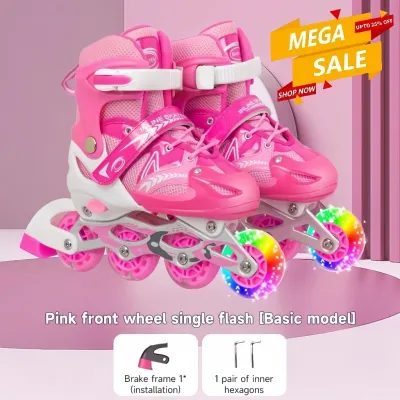
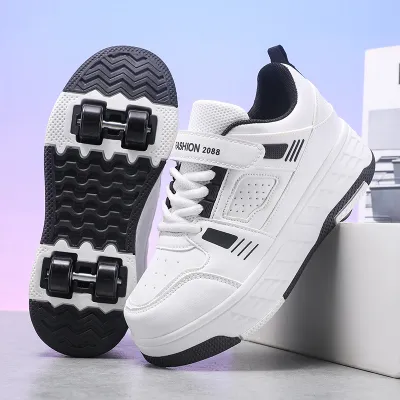
![IMUTO[Free protective gear]Roller Skate Shoes for Kids Adjustable Quad Skates Roller Blades Skate Shoes for Girls Boys](https://img.lazcdn.com/g/p/c331c1cff9e4aed5897b5c76ff34bef4.png_400x400q80.png_.webp)
Prices are valid at publication and may change. Please refer to the product page for the latest price.
An honest assessment of your skill level is the final piece of the puzzle. Beginners benefit from a lower center of gravity and a built-in heel brake to manage speed safely. Advanced skaters often prefer stiffer boots that translate muscular movement directly into speed or maneuverability. In tropical climates where humidity is high, considering how well a boot ventilates is also essential for preventing excessive moisture buildup and slipping inside the liner.
Match Your Needs to the Main Roller Blade Types
Roller blade shoes are highly specialized tools, with each category featuring a distinct combination of boot stiffness, frame length, and wheel configuration. Understanding how these components interact allows you to narrow down your choices to the specific category that aligns with your skating environment.

Recreational and Fitness Skates
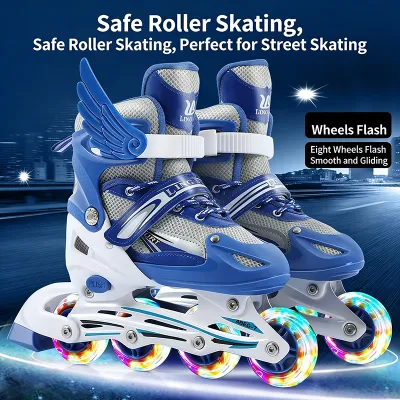
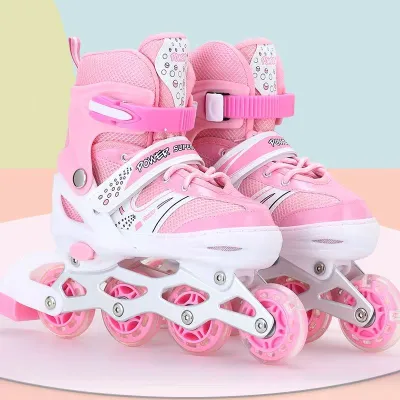
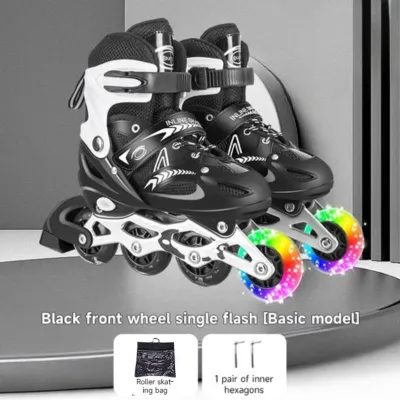
Recreational and fitness skates are the most common styles you will encounter, designed primarily for straight-line rolling on flat, predictable surfaces. These models typically feature a soft-boot construction, which utilizes lightweight, breathable mesh fabrics reinforced with a plastic cuff around the ankle. This design prioritizes immediate comfort out of the box, making them highly appealing for beginners and casual weekend skaters who want to enjoy a smooth roll without a painful break-in period.
When evaluating fitness models, look closely at wheel size and frame material. Standard recreational skates feature wheels between 80mm and 84mm, paired with a composite or aluminum frame that keeps you close to the ground. True fitness models may step up to 90mm or 100mm wheels to help you maintain higher speeds with less effort during long workouts. Ensure the boot offers a snug fit around the arch and heel to prevent friction blisters in hot, humid weather.
Aggressive and Skatepark Skates
If your goals involve skatepark ramps, grinding metal rails, or jumping over obstacles, aggressive skates are the only suitable choice. These skates are built like tanks, featuring thick, heavy-duty plastic hard shells designed to withstand repeated high-impact landings and concrete abrasion. Unlike recreational models, aggressive skates have a very low profile, keeping your feet as close to the ground as possible to maximize stability when landing tricks.
The defining features of an aggressive skate are its frame and wheel setup. The frames are wide and feature a central groove, known as the H-block, designed for grinding along rails and ledges. The wheels are small, typically ranging from 55mm to 60mm, and have a flat, square profile. This flat shape provides a solid platform for landing but makes these skates slow and exhausting to use for long-distance cruising or commuting.
Urban and Speed Skates
Urban skates, sometimes called freeskates, are the ultimate multi-tool for city skaters who need to navigate unpredictable environments. They combine the supportive, impact-resistant hard shell of an aggressive skate with the fast, agile frame of a fitness skate. This hybrid design features a short aluminum frame that keeps the wheelbase compact, allowing you to make sharp turns, jump off curbs, and weave through pedestrians with high precision.
Speed skates are highly specialized instruments built solely for maximum velocity and straight-line efficiency. They feature low-cut, minimalist boots made from stiff carbon fiber or fiberglass, which offer virtually no lateral ankle support but allow for a full range of motion. Coupled with long frames holding three or four massive wheels (often 110mm to 125mm), speed skates require exceptional ankle strength and technical skill, making them unsuitable for beginners or crowded streets.
Essential Fit, Support, and Safety Checks
Regardless of the skate type you choose, a proper fit is the most critical factor for safety and performance. When you slip your foot into the boot, your toes should gently brush the front of the liner without being cramped. As you bend your knees into a skating stance, your heel should lock firmly into the back of the pocket. If your heel lifts when you push forward, the skate is too large, reducing control and increasing the risk of ankle rolls.
The closure system must work in harmony to secure your foot and ankle. A reliable setup typically combines traditional laces on the lower boot with a mid-foot power strap and a heavy-duty buckle at the top of the cuff. This multi-tiered system allows you to customize the tightness, ensuring your ankle is supported laterally while still allowing your ankle joint to flex forward naturally. Check that the buckles click securely into place.
Safety features, particularly the braking system, must match your current ability. Most recreational and fitness skates come equipped with a traditional rubber heel brake on the right skate, which is the most reliable way for beginners to stop. If you are purchasing urban or aggressive skates, be aware that they rarely come with pre-installed brakes, as these styles rely on advanced stopping techniques like the T-stop. If you are still mastering your balance, verify whether a compatible aftermarket brake can be attached.
Signs You Need to Upgrade or Change Your Skates
As your skills progress, your initial pair of skates may eventually limit your performance or compromise your safety. One of the most common signs that it is time for an upgrade is a lack of lateral support during high-speed turns. If you find your ankles leaning inward or outward despite tightening the buckles to their limit, the plastic cuff or soft boot may have degraded, or your skills may have outgrown the support level of a basic recreational skate.
Physical wear and tear on key components is another clear indicator. Inspect your wheels regularly; if they have worn down unevenly to a sharp, wedge-like shape, your stability and grip will suffer. While wheels and bearings can be replaced individually, structural damage like hairline cracks in the frame, stripped axle threads, or a torn boot liner means it is time to invest in a new pair. Upgrading to a skate with a rigid aluminum frame will immediately improve your energy transfer, making your sessions smoother.
Frequently Asked Questions (FAQ)
Can I use recreational roller blade shoes for street commuting?
While you can physically roll on street pavement with recreational skates, they are not ideal for daily commuting on rough urban surfaces. The soft-boot construction offers less protection against road debris, and the longer frames make it harder to turn quickly to avoid sudden obstacles like potholes or pedestrians. Additionally, the smaller, softer wheels typically found on recreational models tend to get caught easily in pavement cracks and wear down rapidly on rough asphalt. For a safer and more comfortable commute, upgrading to an urban skate with a hard shell and larger, harder wheels is highly recommended.
Do I need to buy protective gear separately?
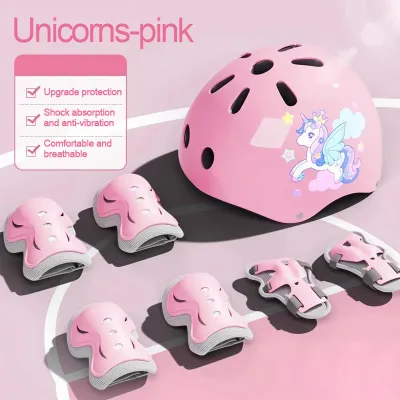
Yes, high-quality protective gear is almost always sold separately from roller blade shoes, and it should be considered an essential part of your initial purchase. At a minimum, every skater should wear a properly fitted helmet, wrist guards, knee pads, and elbow pads during every session, regardless of skill level. In tropical climates, look for protective pads featuring ventilated mesh backings and moisture-wicking fabrics to stay cool. Investing in dedicated safety gear protects you from painful road rash and joint injuries, giving you the confidence to practice and progress safely.
Community discussion
Share your experience or ask a question. Comments are reviewed before publication.