
The roller skate plate is the foundation of your setup, translating your body’s movements into wheel action. The specifications that actually matter when buying are the plate material, mounting pattern, kingpin angle, and wheelbase length. Selecting the right combination depends on your body weight, skating style, and boot compatibility, rather than simply choosing the most expensive or lightweight option.
Understanding these specs is crucial if you skate in tropical environments like the Philippines, where high humidity and outdoor concrete surfaces can accelerate wear on low-quality gear. By evaluating these key dimensions, you can customize a setup that matches your skill level and preferred skating style.
Material and Weight Trade-offs
The material of your roller skate plate determines its durability, weight, and stiffness. Most plates are constructed from either nylon composites or metal alloys, such as aluminum or magnesium. Nylon plates are highly popular for beginners because they are lightweight, affordable, and absorb minor vibrations from rough outdoor pavement.
Products mentioned in this guide
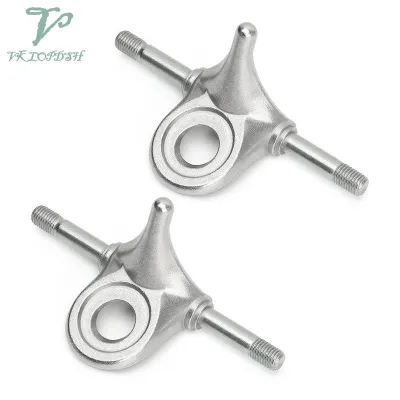
![[tfsdfvd]Aluminum Alloy Roller Skate Plate Set with Adjustable Height Brake and Elastic Toe Stop for Quad Skate Repair Size 40-41](https://img.lazcdn.com/g/p/be308a005b91bc22bcfc789fc6c0422a.jpg_400x400q80.jpg_.webp)
Prices are valid at publication and may change. Please refer to the product page for the latest price.
However, nylon plates naturally flex under heavy loads or during high-impact maneuvers. This flexing absorbs a portion of the energy you exert, which can make your skates feel less responsive when you try to accelerate quickly or execute sharp turns.
Metal alloy plates, particularly those made of aluminum, offer exceptional rigidity and direct energy transfer. Every bit of force you apply goes straight to your wheels, resulting in faster acceleration and more precise control. While metal plates are heavier and transmit more road vibration on rough concrete, they offer the structural integrity required for high-impact jumps. Always check the manufacturer’s load ratings to ensure the plate material matches your weight and skating intensity.
Mounting Patterns and Boot Compatibility
A roller skate plate must physically align with your boot’s sole to function safely. Plates do not have a universal mounting system; instead, they feature specific hole patterns that must align with the sole of your boot. A mismatch can prevent proper installation or force you to drill new holes, which can compromise the structural integrity of the boot sole.

Mounting configurations generally fall into standard or short-forward categories. A standard mount aligns the front axle directly under the ball of your foot and the rear axle under the center of your heel, providing a balanced and predictable ride. A short-forward mount uses a shorter plate positioned slightly forward on the boot, which shifts your balance point to maximize agility and quick transitions.
To ensure a proper fit, measure the overall length of your boot’s sole and compare it to the plate’s axle-to-axle measurement and mounting slot layout. If the existing holes on your boot do not align with the new plate, consult a professional skate technician or the boot manufacturer before attempting custom drilling.
Kingpin Angle and Steering Response
The kingpin is the angled bolt that secures the trucks to the plate, and its angle relative to the floor is one of the most critical factors in how your skates steer. Kingpin angles typically range from 10 degrees to 45 degrees, with each extreme offering distinct handling characteristics.
A smaller kingpin angle, such as 10 or 15 degrees, positions the trucks more vertically. This design provides excellent stability at high speeds and a highly predictable, centered feel, making it ideal for speed skating, trail skating, or beginners who need a stable platform.
A larger kingpin angle, such as 45 degrees, places the trucks at a steeper tilt. This configuration makes the skates incredibly responsive to subtle shifts in your body weight, allowing for sharp, effortless turns and rapid lateral movements. You can fine-tune this steering response by checking manufacturer specifications to see if the plate features adjustable or fixed kingpins, allowing you to swap cushions to match your skill level.
Plate Length and Wheelbase Adjustability
Wheelbase length—the distance between the center of the front axle and the center of the rear axle—directly influences your balance and maneuverability. A longer wheelbase creates a larger contact patch with the ground, which increases your front-to-back stability. This is highly beneficial when skating over uneven outdoor surfaces, as it helps prevent you from tipping forward.
Conversely, a shorter wheelbase pulls the wheels closer together, reducing your turning radius and making quick footwork much easier. However, the trade-off is a significant reduction in stability, meaning you must maintain excellent core strength and proper posture to avoid falling backward or forward.
When selecting a plate size, the goal is to align the axles with the natural pivot points of your feet. The front axle should sit directly under the ball of your foot, and the rear axle should sit under the center of your heel. Because plate sizing is not standardized across different brands, always refer to the specific plate manufacturer’s sizing chart to select the appropriate plate size.
Matching Specs to Your Skating Discipline
Selecting the right roller skate plate requires balancing these specifications to suit your primary skating environment. If you enjoy high-impact park skating or roller derby, prioritize a rigid aluminum plate with a stable 10- to 15-degree kingpin angle to handle hard landings and sudden stops. For rhythm, dance, or artistic skating, look for a highly responsive plate with a steeper kingpin angle and a slightly shorter wheelbase to facilitate fluid transitions.
Casual recreational skaters who stick to smooth indoor rinks or covered neighborhood courts can comfortably opt for lightweight composite plates. Avoid over-specifying expensive, ultra-rigid plates for casual weekend rolls, but never under-specify for high-impact disciplines where equipment failure could lead to severe falls.
When purchasing specialized gear online, always verify the seller’s authorization, return policies, and warranty conditions. Because proper fit is critical to your safety, buying from reputable e-commerce platforms ensures you can swap the plates if the physical measurements do not align perfectly with your boots once they arrive.
Frequently Asked Questions (FAQ)
Can I put any roller skate plate on any boot?
No, plates and boots are not universally compatible. The physical shape, length, and existing mounting holes of your boot sole dictate which plates will fit. Always consult the manufacturer’s fitment guides and measure your boot sole carefully before purchasing to avoid compatibility issues.
Does a lighter roller skate plate always mean better performance?
Not necessarily. While a lighter plate reduces leg fatigue, it may sacrifice stiffness or impact resistance if made from lower-grade composite materials. You should match the plate’s weight and structural strength to your body weight and skating discipline rather than simply choosing the lightest option available.
How do I know if my kingpin angle needs adjusting?
If your skates feel too stiff and resist turning when you lean, or if they feel overly twitchy and unstable at moderate speeds, your steering setup may be mismatched. Check if your plate model allows you to adjust the kingpin nut tension or swap out the cushions for a different hardness before replacing the entire plate.
Community discussion
Share your experience or ask a question. Comments are reviewed before publication.