
Choosing your first pair of roller skates depends on where you plan to skate and what you want to achieve. Beginners generally choose between classic four-wheeled quad skates, which offer a wide, stable platform, and inline skates, which feature wheels in a single line for speed and maneuverability. Finding the right pair involves balancing your personal fitness goals, your local skating environment, and securing a precise fit to prevent discomfort and injury.
Assess Your Skating Goals and Environment
Before purchasing your first pair of skates, consider where you will spend most of your time rolling. If you picture yourself dancing to music at an indoor rink or participating in roller derby, your needs will differ greatly from someone looking to cruise along a coastal boardwalk or navigate local neighborhood streets.
The physical environment plays a massive role in how your skates perform. In tropical climates like the Philippines, outdoor skaters often encounter rough asphalt, concrete barangay courts, or tiled park plazas. These uneven surfaces require different wheel setups compared to the perfectly smooth hardwood floors of indoor skating rinks.
Products mentioned in this guide
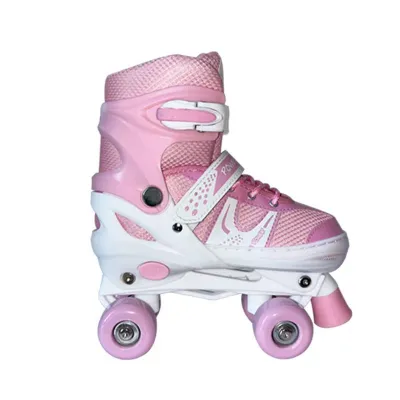
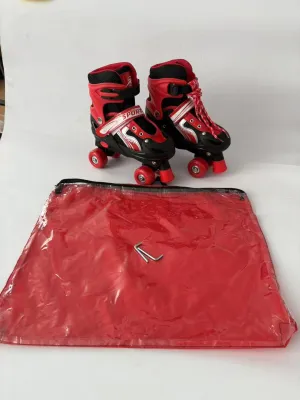
![IMUTO[Free protective gear]Roller Skate Shoes for Kids Adjustable Quad Skates Roller Blades Skate Shoes for Girls Boys](https://img.lazcdn.com/g/p/b32923ce443d92478176e84e3910fd79.jpg_400x400q80.jpg_.webp)
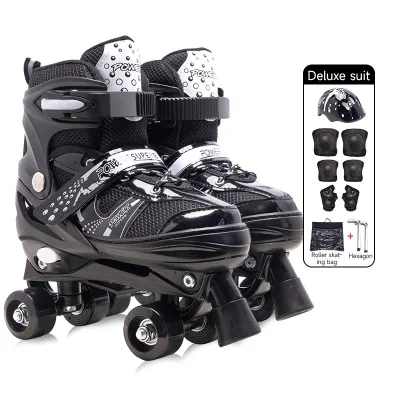
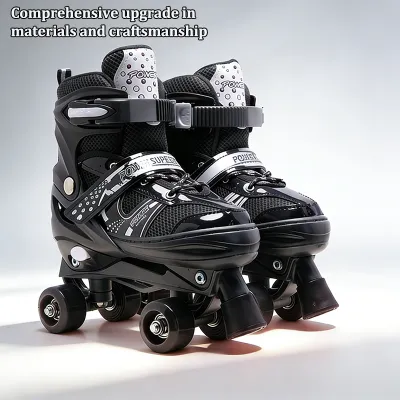
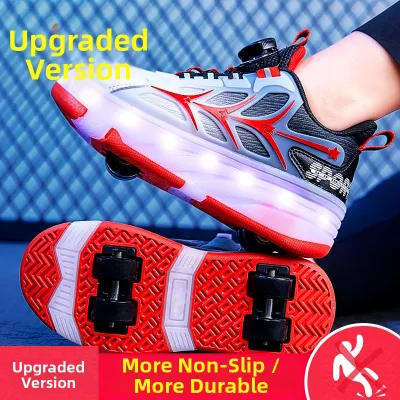
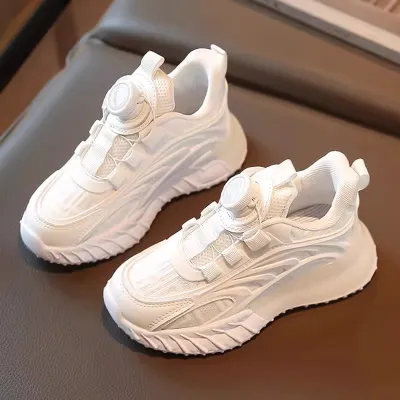
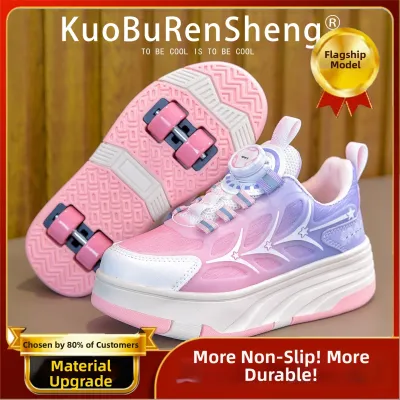
Prices are valid at publication and may change. Please refer to the product page for the latest price.
Casual cruising and outdoor fitness skating benefit from designs that absorb vibrations from rough ground. On the other hand, if you are interested in skatepark tricks or technical maneuvers, you will need a highly durable boot structure that can withstand impact. Matching your primary skating environment to the design of the skate ensures a smoother learning experience and prevents premature wear on your equipment.
Quad Skates vs. Inline Skates: Which Fits Your Beginner Profile?
The most fundamental choice you will make is between quad skates and inline skates. Quad skates feature four wheels arranged in a two-by-two grid, providing a wide, stable base when you are standing still. Inline skates, often called rollerblades, arrange three to four wheels in a single straight line, which allows for faster gliding and easier steering over cracks in the pavement.

These structural differences directly affect how you balance and stop. Quad skates typically use a toe stop located at the front of the boot, requiring you to drag your toe or turn around to brake. Inline skates usually feature a heel brake on one of the boots, allowing you to stop by flexing your ankle and pressing the brake pad directly into the ground.
The learning curve for each type depends on your natural balance and previous experience. Beginners often find quad skates easier for standing still and learning basic indoor dance steps, but they can feel unstable when rolling over outdoor debris. Inline skates require more lateral ankle strength to keep the wheels upright, but their longer wheelbase makes it much easier to roll over small stones, twigs, and cracked concrete.
To help you decide, consider this beginner profile matrix:
| Beginner Profile | Preferred Activity | Recommended Skate Type | Key Benefit |
|---|---|---|---|
| Casual Indoor Skater | Rink dancing, social skating | Quad Skates | High lateral stability when standing still |
| Outdoor Fitness Enthusiast | Long-distance paths, park paths | Inline Skates | Smooth rolling over uneven pavement |
| Aspiring Derby Player | Contact sports, indoor tracks | Quad Skates | Agile turning and quick acceleration |
| Urban Commuter | Street skating, navigating obstacles | Inline Skates | Superior maneuverability and debris clearance |
Adjustable vs. Fixed-Size Skates: Making the Right Fit Choice
When browsing online marketplaces or local sports shops, you will encounter both adjustable and fixed-size skates. Adjustable skates feature a mechanism, usually a push-button or sliding toe cap, that allows the boot to expand across several shoe sizes. This design is highly practical for growing children or casual family use where multiple people might share the same pair.
However, adjustable skates often compromise on structural rigidity and support. For dedicated beginners who plan to practice regularly, fixed-size skates are generally the better investment. Fixed-size boots provide superior ankle support, more efficient energy transfer from your legs to the wheels, and greater overall durability because they have fewer moving parts in the frame.
To ensure your skates fit correctly, perform a few essential checks when trying them on. First, slide your foot inside and push your toes to the front; there should be just enough room to wiggle your toes without them being cramped or bent. Next, lace up the boots securely and lift your heel; your heel should remain locked into the back of the boot without lifting or sliding. Finally, stand up and check the ankle support; the boot cuffs should hold your ankles straight without letting them bow inward or outward.
Essential Safety Gear and Pre-Ride Checks
Skating is an active sport that carries an inherent risk of falls, especially during the learning phase. Wearing complete protective gear is non-negotiable for beginners. A properly fitted helmet protects your head from backward falls, while wrist guards are critical because they absorb the impact when you instinctively reach out to break a fall. Knee pads and elbow pads shield your joints from painful scrapes and bruises on hard concrete surfaces.
Before every session, perform a quick pre-ride safety inspection of your equipment. Check that all wheels spin freely but do not wobble side-to-side, and tighten the axle nuts if you notice any play. Inspect the toe stops or heel brakes to ensure they are securely fastened and not excessively worn down. Finally, verify that all laces, straps, and buckles are tight and functioning correctly to keep your feet locked in place.
Always pay attention to how your equipment feels while you are moving. If you hear unusual rattling, feel a sudden loss of traction, or experience sharp foot pain, stop skating immediately. Do not attempt to ride through mechanical issues; instead, inspect your skates or consult the manufacturer’s manual to resolve the problem before stepping back onto the pavement.
Frequently Asked Questions (FAQ)
Can I use indoor roller skates outdoors?
You can use indoor skates outdoors, but you will need to change the wheels first. Indoor skates typically come with hard, narrow wheels designed to grip smooth rink floors. If you take these hard wheels onto rough outdoor asphalt, you will feel every vibration, and small pebbles can cause you to trip. For outdoor skating, check the manufacturer’s specifications and swap to softer, wider wheels that can absorb shocks and roll safely over outdoor debris.
How do I know if my roller skates are too tight or too loose?
Your roller skates are too tight if your toes are curled, pinched, or if you experience numbness and loss of circulation after a few minutes of wearing them. Conversely, they are too loose if your heel slips upward when you take a stride, or if your ankles roll inward due to a lack of support. A perfect fit should feel snug like a firm glove, holding your foot securely in place without causing painful pressure points.
Community discussion
Share your experience or ask a question. Comments are reviewed before publication.