
Choosing the right roller skates depends on where you plan to skate, your personal goals, and how much ankle support you need. Beginners generally choose between quad skates (four wheels in a rectangular pattern) for stability and dance, or inline skates (wheels in a straight line) for speed and outdoor cruising. In warm, humid climates like the Philippines, factors like boot ventilation, moisture-wicking liners, and how local surfaces—such as smooth concrete barangay courts, park paths, or indoor rinks—affect your wheel choice are highly important. Safety gear and proper fit are just as critical as the skates themselves, and no equipment can replace proper training, balance practice, and gradual skill progression.
Define Your Skating Goals and Environment
Before purchasing your first pair of roller skates, identify where you will spend most of your time rolling. If you want to cruise around local parks, seaside baywalks, or smooth neighborhood courts, your environmental needs differ from someone aiming to perform tricks at a skate park or join a roller derby league. Each discipline requires specific design features, so matching your skates to your primary activity prevents early wear on the equipment and reduces the risk of falls.
Surface texture dictates your overall experience and safety. Smooth indoor wooden rinks or polished concrete floors offer high grip and predictable glide, allowing for precise movements. Outdoor pavements, asphalt roads, and tiled plazas present cracks, pebbles, and moisture, which require skates capable of absorbing vibrations. If you plan to skate outdoors, you must select components designed to handle these unpredictable surfaces without catching on small debris.
Products mentioned in this guide
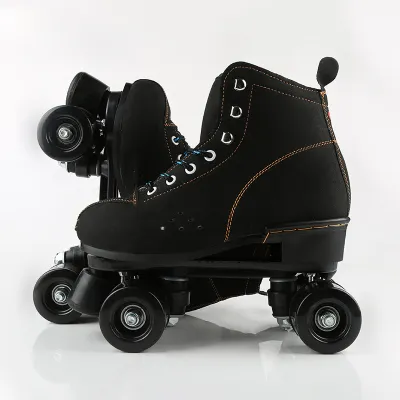
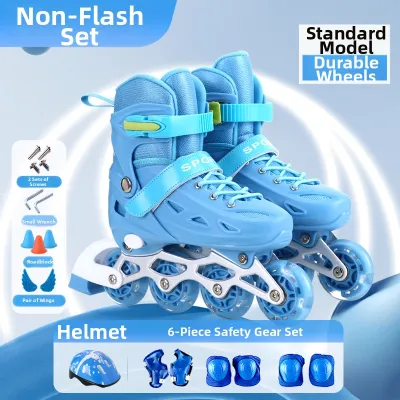
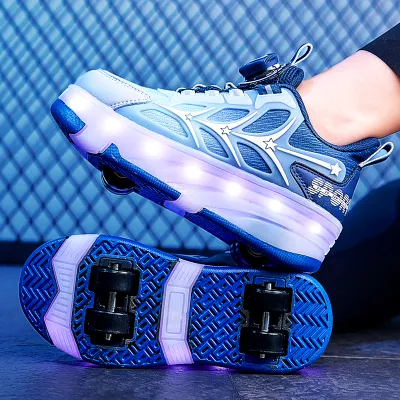
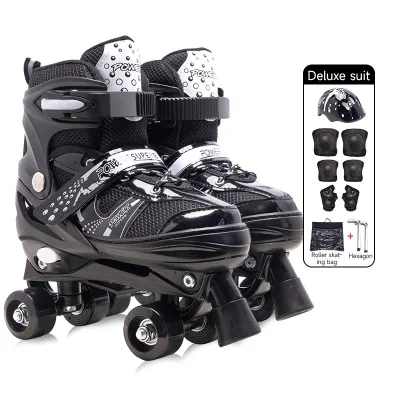
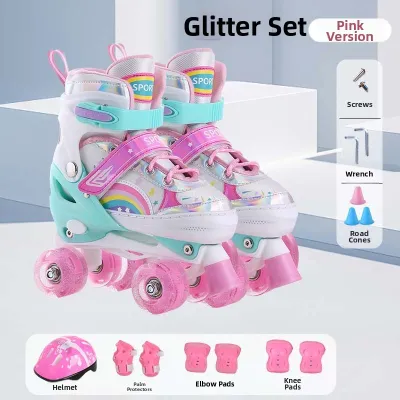
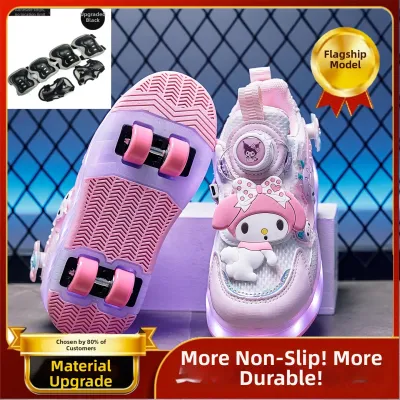
Prices are valid at publication and may change. Please refer to the product page for the latest price.
Your current balance and fitness level also play a role in this decision. Beginners often seek immediate lateral stability to build confidence, while those with prior ice skating or skiing experience might adapt quickly to different wheel alignments. Match your initial purchase to your current physical comfort level rather than aspirational, high-risk maneuvers. Taking the time to build foundational skills on flat, dry surfaces is essential before attempting steep hills or crowded pathways.
Quad Skates vs. Inline Skates: Choosing the Right Configuration
Quad skates feature two wheels in the front and two in the back, offering a wide, stable base when standing still. This configuration is highly popular for artistic dance, roller derby, and casual rink skating. The toe stop at the front serves as the primary braking mechanism, requiring you to tip your foot forward to drag or press the stopper against the ground. This setup feels highly intuitive for those who prefer a traditional look and a stable platform for dance-like movements.

Inline skates, often called rollerblades, arrange their wheels in a single line. This design excels at forward speed, tracking over outdoor cracks, and maintaining momentum over long distances. The heel brake, typically mounted on the rear of one skate, allows you to slow down by lifting your toes and pressing the rubber pad onto the pavement. Inline skates are highly suited for fitness enthusiasts who want to cover long distances on outdoor paths.
Maneuverability differs significantly between the two configurations. Quad skates pivot easily from the center of the foot, making them highly agile for tight turns and dance steps. Inline skates have a longer wheelbase, which provides excellent tracking for long-distance fitness skating but requires wider turning arcs for beginners. Understanding these handling characteristics helps you choose the configuration that matches your physical coordination and preferred style of movement.
Wheel selection must match your environment to ensure proper grip and control. Hard wheels (measured with a high durometer rating, such as 95A to 101A) slide smoothly on indoor floors but vibrate intensely on rough outdoor asphalt. Soft wheels (typically 78A to 85A) absorb outdoor shocks and grip uneven pavement, making them the safer choice for outdoor paths. Larger wheels roll over debris more easily, while smaller wheels keep your center of gravity lower for better balance.
Boot Fit, Sizing, and Ankle Support for Beginners
A proper fit is essential to prevent blisters, foot fatigue, and ankle strain. Do not rely solely on your standard shoe size, as skate sizing varies widely between manufacturers and styles. Measure your feet in millimeters from the heel to the longest toe while wearing the socks you plan to skate in, then compare these measurements directly to the brand’s specific sizing chart. This step ensures you select a boot that matches your actual foot dimensions.
Boot materials range from soft, sneaker-like fabrics to stiff synthetic leather or molded plastic shells. Soft boots offer immediate comfort and breathability, which is highly beneficial in warm, humid climates where heat buildup can cause discomfort. However, hard-shell plastic boots provide superior ankle support, protecting beginners from inward or outward ankle rolling as they build stabilizing muscle strength.
Evaluate the stiffness based on your physical needs and expected break-in periods. Stiffer boots require a break-in period where the material gradually conforms to your foot shape, but they offer precise control and protection. Soft boots require little to no break-in but may feel less supportive during long sessions or high-speed turns. Beginners should prioritize ankle stability to maintain proper alignment over long skating sessions.
Check for signs of a poor fit before rolling. Your toes should lightly brush the front of the boot when standing upright, and they should slide back slightly when you bend your knees into a skating stance. If your heel lifts or slips inside the boot when you walk or bend, the skate is too large, which can lead to friction blisters and a loss of control. Ensure the lacing system and buckles can be tightened securely without creating painful pressure points.
Essential Safety Gear and Pre-Ride Checks
Skating carries inherent risks of falls and collisions, making protective gear non-negotiable for beginners. A complete safety set includes a certified helmet, wrist guards, elbow pads, and knee pads. Ensure each piece fits snugly without sliding out of place during movement, and verify that the gear carries recognized safety certification labels. Wearing protective gear builds confidence and protects vulnerable joints during the learning process.
Perform a quick pre-ride inspection before every session to ensure your equipment is mechanically sound. Spin each wheel to check that the bearings run smoothly without grinding noises or excessive play. Tighten the axle bolts and check that your toe stops or heel brakes are securely fastened and not worn down past their wear-limit indicators. These simple checks prevent sudden mechanical failures while you are in motion.
Stop skating immediately if you notice structural cracks in the boot frame, loose rivets, or wheels that wobble sideways. If a component feels loose or fails to tighten properly, consult the manufacturer’s manual or visit a professional skate shop rather than attempting temporary home repairs. Equipment maintenance and personal skill development are your best defenses against avoidable injuries.
Frequently Asked Questions (FAQ)
Can I use the same roller skates for indoor and outdoor skating?
Yes, you can use the same skate boots for both environments, but you will need to swap the wheels to match the surface. Indoor skating requires harder wheels for smooth gliding and slide control, while outdoor skating requires softer wheels to absorb vibrations and grip rough pavement. Always verify that your skate frame allows easy wheel removal and that you have the correct tool to swap them safely.
How do I know if my roller skates are too tight or too loose?
Your skates are too tight if your toes are curled, pinched, or if you experience numbness and coldness in your feet after a few minutes of wearing them. They are too loose if your heel lifts off the footbed when you bend your knees, or if your foot slides forward and backward inside the boot. You can often resolve minor fit issues by adjusting the lacing tension across different zones of the foot or using specialized moisture-wicking socks.
Community discussion
Share your experience or ask a question. Comments are reviewed before publication.