
Selecting the right running bag is the difference between a smooth, comfortable run and a frustrating session plagued by bouncing gear and painful chafing. The ideal style depends entirely on your environment, your target distance, and what you need to carry. For long, unpredictable trail runs, a hydration vest offers the necessary gear capacity and stable water access. For short, fast road sessions, a lightweight running belt keeps your hands free and your essentials bounce-free. For the daily work commute, a dedicated running backpack provides the structured space and stability needed to transport electronics and a change of clothes safely.
Quick Answer: Matching Bag Styles to Running Scenarios
To find the right gear, you must first identify your primary running environment and carrying needs. Each bag style is engineered to solve specific movement and storage challenges.
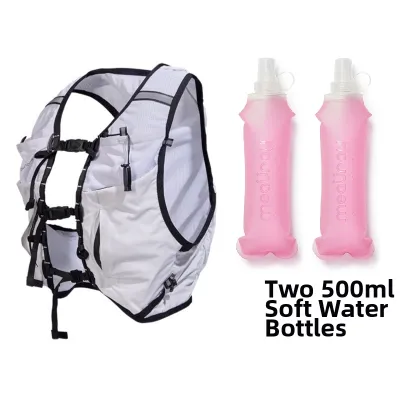
- Hydration Vests: Best for trail running, long-distance training, and remote routes where self-sufficiency is key. They fit like a sleeveless garment, distributing weight evenly across your chest and upper back. This design allows you to carry multiple liters of water, nutrition, and safety gear without throwing off your balance on technical terrain.
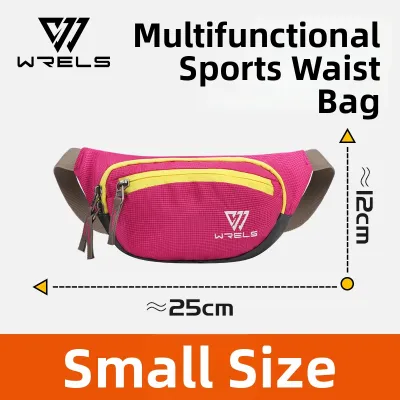
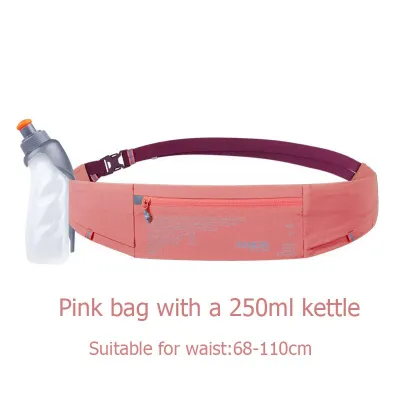
- Running Belts: Best for road running, track workouts, and short daily runs. They sit snugly around your hips, offering just enough space for a phone, keys, and a couple of energy gels. Because they cover very little surface area, they are excellent for hot, humid conditions where trapping body heat is a major concern.
- Running Backpacks: Built specifically for run-commuting to work or school. They feature larger capacities, structured compartments for laptops or tablets, and heavy-duty harness systems to prevent heavy loads from shifting. They prioritize cargo protection and stability over pure speed.
Trail Running: Evaluating Hydration Vests for Off-Road Needs
Trail running demands self-reliance, especially when navigating remote paths far from convenience stores or clean water sources. A hydration vest acts as a wearable utility belt, but choosing the right one requires careful evaluation of your specific off-road goals.
Products mentioned in this guide
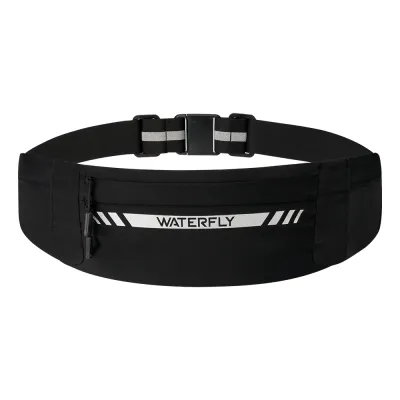
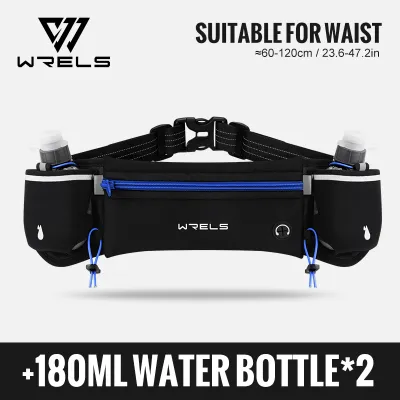

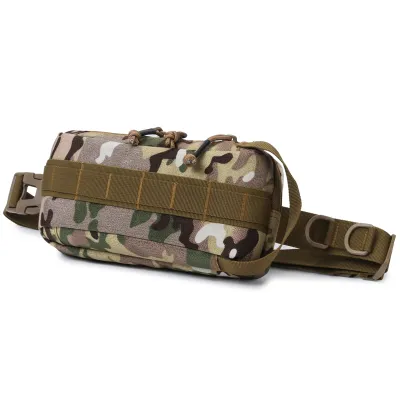
Prices are valid at publication and may change. Please refer to the product page for the latest price.

First, assess your capacity needs based on your expected distance and the local climate. In hot, humid tropical environments like the Philippines, dehydration can set in rapidly, making water capacity your top priority. For runs under two hours, a vest that holds two 500ml front flasks is usually sufficient. For longer, self-supported trail adventures, look for a vest with a rear compartment that can accommodate a 1.5-liter or 2-liter hydration bladder in addition to the front flasks. Always check the total storage volume, which typically ranges from 2 to 12 liters, to ensure you have room for mandatory race gear like a lightweight rain jacket, emergency whistle, and first-aid supplies.
Next, evaluate the weight distribution and fit adjustments of the vest. Because trail running involves constant lateral movement, jumping over obstacles, and navigating steep climbs, a loose vest will cause severe friction. Look for models with multiple adjustable sternum straps, elastic side cords, or dial-based fit systems that allow you to cinch the vest tight against your torso. The vest should sit high on your back, keeping the center of gravity close to your spine to minimize bounce.
Finally, verify the placement of front flasks and gear attachments using the manufacturer’s specifications. Front pockets should hold flasks securely with elastic loops to prevent them from slipping downward as they empty. If you use trekking poles for steep mountain ascents, check for dedicated attachment loops, bungee cords, or a compatible pole quiver. These features allow you to stow your poles quickly without stopping or removing the vest.
Road Running: Choosing Between Running Belts and Lightweight Vests
Road running on paved paths, sidewalks, or shared streets requires a different approach to gear storage. Speed, heat management, and visibility are your primary concerns when selecting between a running belt and a lightweight vest.
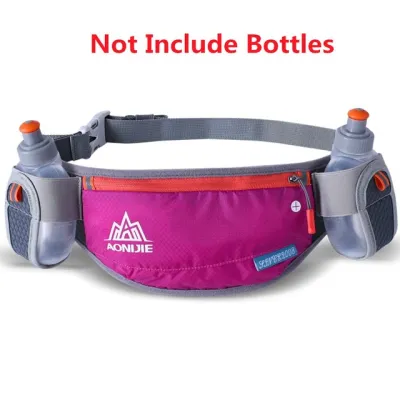
Start by comparing your storage limits and accessibility needs. If you only need to carry a smartphone, a house key, and a couple of energy gels, a low-profile running belt is the most practical choice. Look for belts made from stretchy, tubular fabrics that expand to hold your items flat against your waist. If your road runs extend past an hour, you may need a lightweight vest or a wider belt designed to hold small, contoured water flasks. Ensure these flasks are positioned where you can easily reach them without breaking your running stride.
Chafing and breathability are critical factors, especially during warm, humid road sessions. High humidity increases sweat production, which acts as an abrasive agent when fabric rubs against skin. Evaluate the belt or vest for breathable mesh panels that promote airflow and speed up drying. Check the adjustment mechanisms; elastic straps should be wide enough to distribute pressure evenly without digging into your waist or ribs. A secure, snug fit prevents the belt from riding up to your stomach or bouncing against your lower back.
Safety on shared roads is another vital consideration. Road runners often share space with vehicles, cyclists, and pedestrians, particularly during early morning or late evening hours when temperatures are cooler. Inspect the exterior of any road running bag for highly reflective elements, logos, or piping. Opting for bright, high-visibility colorways ensures you remain visible to oncoming traffic in low-light conditions.
Daily Commute: Selecting a Running Backpack for Work Essentials
Run-commuting is an excellent way to fit training into a busy schedule, but carrying work essentials requires a specialized running backpack. A standard school or office backpack will bounce violently, causing physical discomfort and potentially damaging your expensive electronics.
Your first priority is checking for dedicated laptop and electronics protection. Look for a running backpack that features a padded, suspended compartment. This design keeps your laptop or tablet from resting directly against your back, protecting it from both impact and sweat. Internal organizer pockets are also essential for securing chargers, keys, and office badges, preventing them from rattling around during your commute.
Weather resistance is another crucial factor, particularly in tropical regions prone to sudden downpours. Verify that the backpack is constructed from water-resistant materials, such as ripstop nylon with a polyurethane coating, and features weather-sealed zippers. While no lightweight running pack is entirely waterproof during a heavy storm, many manufacturers include an integrated rain cover. For absolute safety, consider packing your electronics inside lightweight dry bags before placing them in the backpack.
To ensure physical comfort, pay close attention to the pack’s load stability features. Carrying a change of clothes, shoes, and a laptop adds significant weight. Look for a backpack with wide, contoured shoulder straps that mimic the fit of a hydration vest. Dual adjustable sternum straps and a wide, padded waist belt are essential for distributing the weight across your hips and chest. This harness system prevents the backpack from swaying side-to-side or hitting the back of your head when you pick up the pace.
Cross-Scenario Compatibility: Can One Running Bag Do It All?
If you participate in trail runs, road sessions, and daily commutes, you might wonder if a single running bag can handle all three activities. While a hybrid option is possible, it comes with distinct trade-offs that you must carefully weigh.
Consider the practical and aesthetic differences of using a technical trail vest for your daily commute. While a high-capacity 12-liter trail vest can technically hold a change of clothes, it lacks the structured, padded compartments needed to protect a laptop or keep work documents from folding. Additionally, wearing a highly technical, brightly colored trail vest over professional work attire might not suit every office environment. Conversely, using a structured commute backpack on a technical trail run is often uncomfortable, as the heavier, stiffer materials do not conform to your body during agile movements.
If you decide to look for a versatile hybrid bag, seek out models that allow you to adjust and strip down their features. Some hybrid packs feature removable waist belts, compressible side panels, and tuck-away gear loops. This design allows you to compress the bag into a low-profile shape for a quick road run, and then expand it to its full capacity for a weekend trail run or a light commute.
Finally, weigh the financial cost of buying one versatile bag versus investing in specialized gear. High-quality running bags can range from ₱1,500 for a premium running belt to over ₱8,000 for technical hydration vests or commute backpacks. If your budget is limited, a high-capacity, neutral-colored hybrid pack offers the most utility. However, if you run frequently across different scenarios, investing in a dedicated running belt for short road runs and a structured backpack for your commute will provide the best overall comfort and protect your gear from premature wear.
Frequently Asked Questions (FAQ)
How do I prevent my running bag from chafing during long runs?
To minimize skin irritation, start by adjusting all shoulder, side, and chest straps to secure a snug, non-sliding fit. The bag should move with your body rather than rubbing against it. Check the interior seams of the bag for flatlock stitching and soft edge bindings. As a supplementary preventive measure, apply a generous layer of anti-chafe balm to high-friction areas like the collarbones, lower ribs, and underarms before you head out.
What is the best way to clean a hydration vest after a sweaty run?
Sweat and humidity can quickly lead to odor and mold. Rinse your soft flasks and hydration bladders with warm water immediately after your run, and use a specialized brush to clean the interior. For the vest itself, hand-wash it in cool water using a mild, non-detergent soap, paying close attention to the sweat-soaked shoulder straps and back panel. Hang the vest to air-dry completely in a shaded, well-ventilated area, avoiding direct sunlight which can degrade the elastic fibers over time.
Community discussion
Share your experience or ask a question. Comments are reviewed before publication.