
Choosing the right running gear is a highly personal decision, especially when it comes to carrying your essentials. A poorly fitting belt can quickly turn an otherwise peaceful run into a frustrating exercise of constant adjusting, chafing, and distraction. Finding the right bag belt for women is essential to keeping your hands free, your items secure, and your focus entirely on the road or trail ahead.
The ideal choice depends heavily on your unique running routine, the distance you cover, and the specific terrain you tackle. Whether you are navigating the paved sidewalks of a bustling city, training for an upcoming marathon, or exploring rugged forest trails, your gear needs to adapt to your body’s movement. By matching the design of your belt bag to your specific running style, you can eliminate bounce, prevent chafing, and ensure easy access to your phone, nutrition, and hydration.
Understanding the Main Types of Running Belt Bags
Before selecting a model, it is important to understand the structural designs available on the market. Most running belt bags fall into three primary categories, each offering distinct mechanisms for securing your belongings against your body.
Products mentioned in this guide
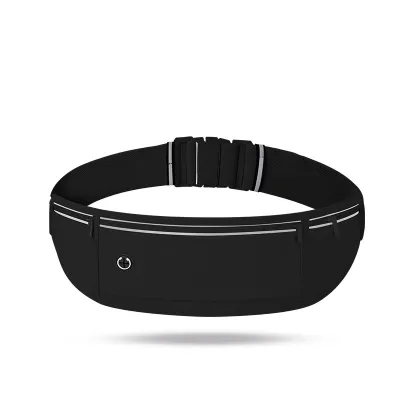
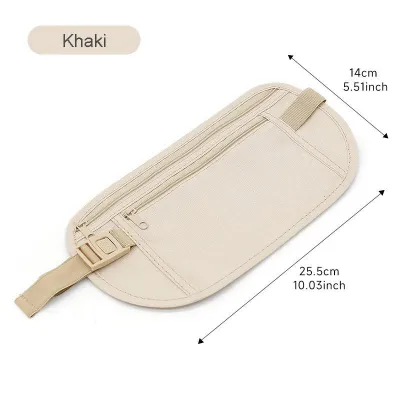
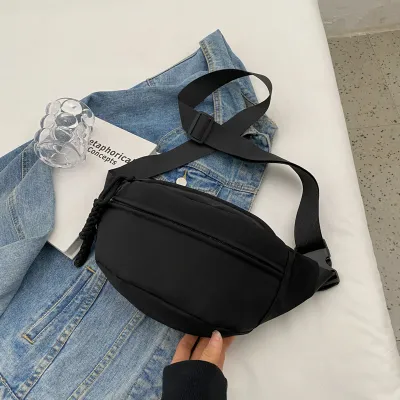
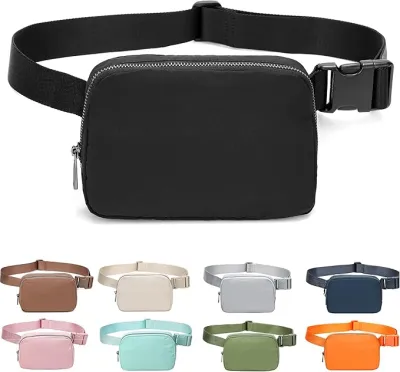
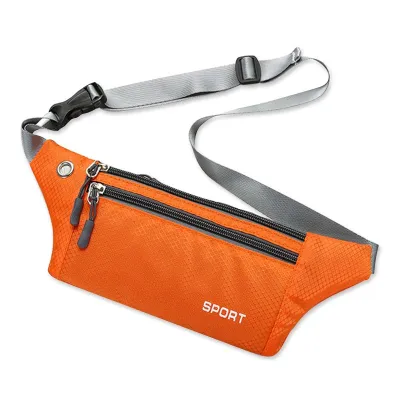
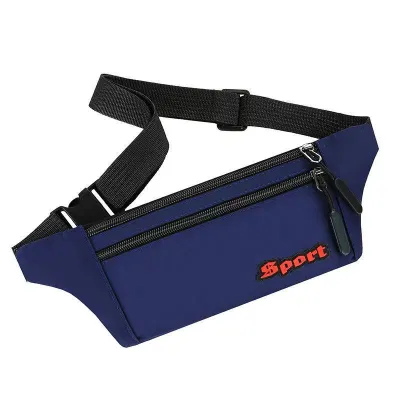
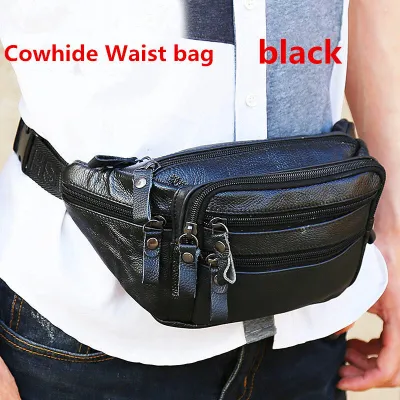
Prices are valid at publication and may change. Please refer to the product page for the latest price.
Zippered Waist Packs These traditional designs feature a central pouch—often made of nylon, neoprene, or polyester—attached to an adjustable strap that secures with a plastic buckle.
- Bounce Control: Moderate to high, depending on how tightly the strap is adjusted and the weight of the items inside.
- Accessibility: Excellent, as the zipper allows you to open and close the main compartment quickly with one hand.
- Capacity: High, often expanding to accommodate larger smartphones, car keys, and small energy bars.
Flipbelts and Stretchy Tube Belts A modern alternative, these are continuous bands of highly elastic fabric that you slide up over your legs or pull down over your head to sit flat against your hips. They feature several open slots around the perimeter where you insert your gear, then “flip” the belt inward to lock the items against your body.
- Bounce Control: Outstanding, as the wide elastic band distributes pressure evenly and holds items flush against your skin.
- Accessibility: Moderate, requiring you to reach into small fabric slots, which can sometimes be tricky mid-stride.
- Capacity: Moderate, ideal for flat items but prone to bulging or feeling restrictive if packed with bulky objects.
Traditional Tube Belts with Adjustable Buckles These hybrid models combine the wide, comfortable fabric band of a flipbelt with the convenience of an adjustable buckle or hook-and-loop closure, eliminating the need to step into the belt.
- Bounce Control: Very high, offering the flat profile of a tube belt with the customizable tightness of an adjustable strap.
- Accessibility: Moderate, utilizing fabric slots or low-profile zippers along the band.
- Capacity: Moderate to high, depending on the elasticity and overall width of the fabric band.
When evaluating these options, keep in mind that material names or brand marketing claims do not guarantee performance. You should always verify the actual fabric stretch, zipper quality, and buckle security based on detailed product specifications and real user reviews before making a purchase.
Matching Your Bag Belt for Women to Your Running Style
Every runner has a unique routine, and a belt that works perfectly for a quick morning jog might fall short during an all-day trail run. To find the best fit, you must evaluate the specific demands of your typical running environment and distance.

Road Jogging and Daily Fitness
For casual runners, neighborhood joggers, or those completing daily fitness routines on flat, paved surfaces, simplicity and comfort are the top priorities. Your primary goal is to carry a few basic necessities without feeling weighed down by excess fabric or heavy straps.
Core Needs
- Lightweight, low-profile design that fits comfortably under or over your running shirt.
- Zero-bounce stability to prevent distraction during steady-state cardio.
- Just enough storage space for a smartphone, house keys, and a single ID or payment card.
For these daily runs, a stretchy tube belt or a slim, minimalist zippered pack is highly recommended. These designs sit flat against your body, moving with your natural stride rather than fighting against it. However, always check the specific pocket dimensions against your exact phone model and its protective case, rather than relying on generic “fits all” marketing claims.
Long-Distance and Marathon Training
As your mileage increases, your storage requirements inevitably change. Endurance runners training for half-marathons or full marathons must carry specialized gear to sustain their energy levels and hydration over several hours of continuous movement.
Core Needs
- Sufficient capacity for multiple energy gels, electrolyte tablets, and small hydration flasks.
- Even weight distribution to prevent localized pressure points or bruising over long distances.
- Highly breathable materials that minimize heat retention and friction against the skin.
For marathon training, look for multi-pocket zippered waist packs or specialized hydration tube belts. These models are engineered to distribute the weight of water and nutrition evenly around your hips, minimizing the risk of painful chafing. It is critical to practice accessing your nutrition (such as pulling out an energy gel and opening it) while maintaining your running pace during your weekly long runs, rather than waiting to test these movements on race day.
Trail Running and Outdoor Adventures
Off-road running introduces unpredictable terrain, steep elevation changes, and variable weather conditions. When you leave the pavement for technical dirt trails, your gear must be exceptionally secure and durable enough to withstand the elements.
Core Needs
- Rugged construction with heavy-duty zippers and secure buckles that will not slip on uneven ground.
- Resistance to tearing from low-hanging branches, brush, or accidental falls.
- Weather protection to shield your valuables from environmental moisture and sudden downpours.
For trail running, a rugged zippered waist pack with a secure, adjustable buckle is generally superior to a purely elastic tube belt. Stretchy belts can snag on branches, slip down when heavily loaded, or sag when navigating steep descents. Furthermore, running in tropical and highly humid climates requires special attention to moisture protection. Prioritize belt bags made with breathable, moisture-wicking back panels to keep you cool, and look for water-resistant compartments or internal dry bags to protect your smartphone from heavy perspiration and sudden tropical rainstorms.
Key Fit and Feature Checks for Women
Finding a belt bag that performs well requires looking beyond generic specifications. Because body shapes and running environments vary widely, women should pay close attention to several critical fit and design elements.
Hip vs. Waist Fit Women’s hip-to-waist ratios significantly influence how a running belt behaves during movement. Some runners prefer wearing their belt high on the natural waist, while others find it more stable resting lower on the widest part of the hips. Before purchasing, measure your body at your preferred resting point and compare it to the manufacturer’s sizing chart. If a belt is too loose, it will bounce and slide; if it is too tight, it will ride up toward your ribcage with every step.
Chafing Prevention Repetitive motion over long distances can turn minor friction into painful chafing. When evaluating a belt bag, look for seamless edges, flatlock stitching, and soft, non-abrasive inner linings. Keep in mind that even the most advanced “anti-chafe” fabrics can cause friction when combined with sweat and salt buildup. For long-distance runs, applying an anti-chafe balm to contact points and wearing moisture-wicking apparel layers remain highly effective preventive measures.
Climate Adaptability In warm, humid, and tropical climates, sweat accumulation is an inevitable challenge. A belt bag that traps heat will quickly become uncomfortable and can cause skin irritation. Look for designs featuring lightweight mesh backing to promote airflow. Additionally, ensure that the storage pockets designed for electronics feature a water-resistant lining or a TPU barrier to prevent salty sweat from seeping through the fabric and damaging your phone.
Adjustability and Security A reliable belt bag must remain securely locked in place, even as your body movements change or your load lightens as you consume your hydration and nutrition. Look for high-quality, low-profile buckles that do not dig into your skin, and check that the adjustment straps feature keepers to prevent loose ends from flapping. The belt should be tight enough to eliminate bounce but flexible enough to accommodate deep diaphragmatic breathing during intense efforts.
Can One Belt Bag Work for All Scenarios?
Many runners wonder if they can purchase a single, versatile belt bag to handle every type of workout, or if they need to invest in multiple specialized options. The answer depends largely on the variety of your running routine and your tolerance for trade-offs.
If you are a beginner or a casual runner who primarily focuses on 5K to 10K runs on mixed terrain, a versatile, mid-sized zippered belt is an excellent, cost-effective starting point. These models offer a balanced compromise, providing enough room for daily essentials while remaining compact enough to avoid excessive bouncing during shorter, faster workouts. On local ecommerce platforms, standard versatile belts generally range from ₱300 to ₱800, making them an accessible entry point for most fitness enthusiasts.
However, if your routine is highly polarized—such as splitting your week between ultra-minimalist track sprints and long, self-supported trail runs—a single bag will likely disappoint you. A large-capacity trail belt will feel unnecessarily bulky and heavy during a fast track workout, while a minimalist elastic band will fail to hold the hydration and safety gear required for a remote mountain run. Understanding these boundaries helps you set realistic expectations and choose whether to build a small collection of specialized gear or stick to a single, multi-purpose solution.
Frequently Asked Questions (FAQ)
How do I stop my running belt from bouncing while I run?
Bouncing is almost always caused by wearing the belt too high on the natural waist or overloading it with heavy, poorly balanced items. To fix this, slide the belt down so it rests snugly across your hips, which serve as your body’s natural center of gravity. Ensure the heaviest item, such as your smartphone, is positioned flat against your lower back or centered at the front of your body to distribute the load evenly.
Are flipbelts better than zippered waist packs for women?
Neither style is universally superior; the best choice depends entirely on your specific run and storage needs. Flipbelts excel in providing bounce-free, seamless comfort for shorter, lighter runs where you only need to carry flat items like a phone and a key. Zippered waist packs are generally better for longer or more rugged runs, offering superior security, easier one-handed access, and better water resistance to protect your gear from heavy sweat or rain.
Community discussion
Share your experience or ask a question. Comments are reviewed before publication.