
Finding the perfect scooter for your child is more than just picking a favorite color or matching their age to a box on a retail shelf. In the Philippines, where kids love to cruise around subdivision streets, village parks, and local plazas, a scooter offers a fantastic way to develop motor skills, balance, and outdoor confidence. However, choosing a model that does not align with your child’s physical development can lead to frustration, frequent falls, or a scooter that sits unused in the garage.
The ideal choice depends on matching their current motor skills, balance, and coordination to the mechanical design of the scooter. This guide covers the transition from stable 3-wheel configurations for toddlers to agile 2-wheel kick scooters, and finally to advanced stunt or electric options for older youth. By focusing on developmental milestones rather than age alone, you can select a safe, durable ride that matches your child’s abilities.
Quick Diagnostic: Match the Right Scooter to Your Child's Development Stage
Before browsing online marketplaces or visiting a local sporting goods store, it is essential to assess your child’s physical readiness. Children develop at different rates, meaning chronological age is only a starting point. A child who is highly coordinated might transition to a two-wheel model earlier, while another may benefit from the added stability of three wheels for an extra year.
Products mentioned in this guide
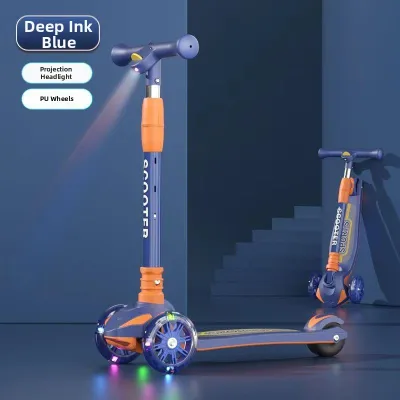
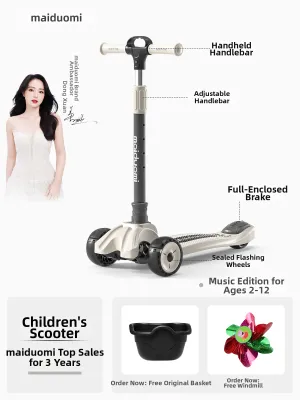
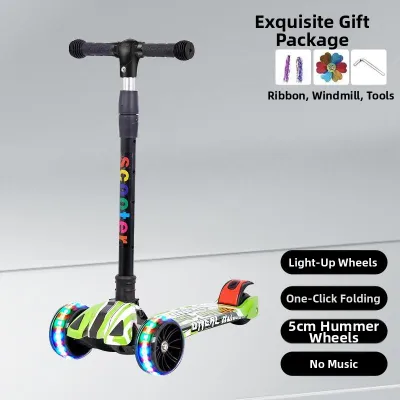
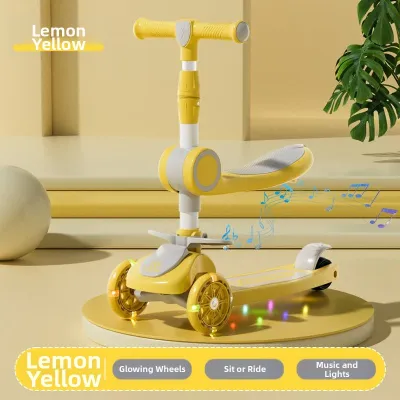
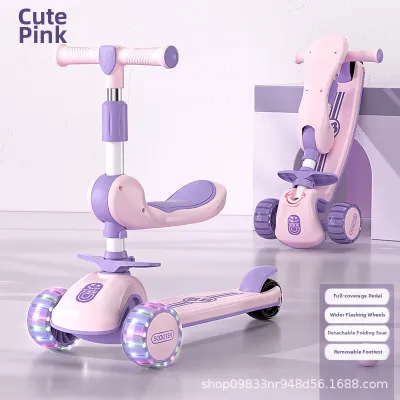
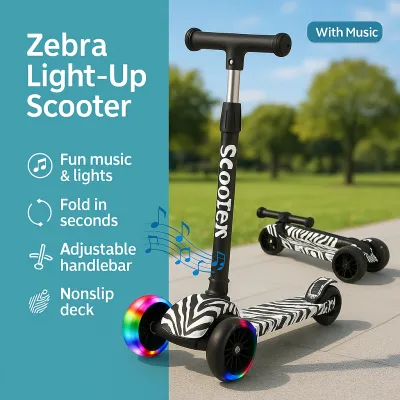
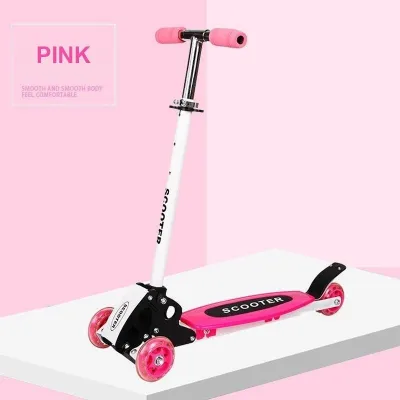
Prices are valid at publication and may change. Please refer to the product page for the latest price.
To help you make an informed decision, look for specific physical milestones rather than relying solely on age brackets. If your child still struggles with single-leg balance or gets easily distracted while steering, a highly stable platform is a must. If they can confidently ride a two-wheel bicycle without training wheels, they likely possess the core balance required for a standard kick scooter.
Below is a quick reference table to help you map your child’s current development stage to the most appropriate scooter category:
| Age Group | Recommended Scooter Type | Core Developmental Milestones | Key Safety & Verification Checks |
|---|---|---|---|
| Ages 1–4 | 3-Wheel Scooter (Lean-to-Steer) | Steady walking, basic coordination, beginning to jump with both feet | Check manufacturer's minimum age and weight limit; verify deck is low to the ground |
| Ages 5–8 | 2-Wheel Kick Scooter | Rides a bicycle without training wheels, strong single-leg balance, consistent spatial awareness | Confirm folding mechanism locks securely; verify rear foot brake responsiveness |
| Ages 8+ | Advanced Kick, Stunt, or Electric Scooter | Excellent high-speed coordination, quick reflexes, ability to follow complex safety rules | Verify local regulations for motorized use; check for reinforced, non-adjustable stunt frames |
Toddlers and Preschoolers (Ages 1–4): Building Balance With 3-Wheel Scooters
For toddlers and preschoolers, a scooter is not just a toy; it is a developmental tool that helps refine gross motor skills. At this stage, children are still mastering their center of gravity and bilateral coordination. Introducing a scooter with the right support structure ensures they build confidence and enjoy the physical activity without experiencing frequent, discouraging tip-overs.

Why 3-Wheel Designs Work Best for Beginners
Three-wheel scooters provide the mechanical stability necessary for children who are still developing their equilibrium. The most common configuration features two wheels at the front and one at the back. This wide front track prevents the scooter from tipping sideways when the child leans or turns, allowing them to focus entirely on the motion of pushing and steering.
When selecting a three-wheel scooter, the steering mechanism is a critical factor. Many beginner models utilize a “lean-to-steer” system, where the front wheels pivot slightly when the child shifts their body weight from side to side. This design is highly intuitive for young children, as it mirrors the natural way the body balances. In contrast, scooters with traditional bicycle-style steering can easily over-pivot, causing the front wheel to jackknife and send the little rider over the handlebars.
Key Features to Check for Little Riders
To ensure a safe and comfortable ride, look for specific features tailored to small bodies. Adjustable T-bars (handlebars) are essential so the scooter can grow alongside your child. The deck—the platform where the child stands—should be wide enough for both feet to rest comfortably side-by-side when coasting, and it must feature a high-traction, non-slip surface to prevent slipping, especially in humid or damp tropical conditions.
Always check the manufacturer’s product label for the minimum recommended age and maximum weight capacity before purchasing. Never assume a scooter is safe for a toddler just because of its physical size. Additionally, inspect the wheels: high-quality polyurethane (PU) wheels offer smooth rolling and excellent shock absorption on flat, paved surfaces like garage floors, smooth concrete driveways, or subdivision paths. Avoid using these beginner scooters on rough gravel, grass, or wet surfaces, which can cause the small wheels to stop abruptly or slip.
Early School Age (Ages 5–8): Transitioning to 2-Wheel Kick Scooters
As children enter early school age, their coordination, balance, and spatial awareness improve dramatically. They are ready for more speed, tighter turns, and the challenge of balancing on a narrower platform. Transitioning to a two-wheel kick scooter at this stage keeps them physically engaged and matches their growing desire for independence.
Signs Your Child Is Ready for Two Wheels
Age five is often the earliest transition point, but readiness depends heavily on physical milestones. One of the clearest indicators of readiness is if your child can ride a two-wheel bicycle without training wheels. This demonstrates that they have mastered the concept of dynamic balance—maintaining stability through continuous, subtle steering adjustments.
Other observable signs include the ability to glide on a three-wheel scooter for long distances with one foot raised, confident steering control around sharp corners, and the habit of looking forward at the path ahead rather than staring down at their feet. If your child still struggles to maintain a straight line or frequently steps off their current scooter to avoid losing balance, they will benefit from more time on a stable three-wheel model. Do not rush the transition based on age alone; safety and confidence should always dictate the upgrade.
Choosing the Right 2-Wheel Kick Scooter
When you decide your child is ready for two wheels, pay close attention to the scooter’s component specifications. Wheel size is a major consideration. Scooters with larger wheels (typically 120mm to 145mm) glide more easily over minor cracks, pebbles, and uneven pavement joints common on local neighborhood roads. Smaller wheels make the scooter lighter and easier to carry, but they are more susceptible to getting caught in small sidewalk gaps, which can cause sudden stops.
A reliable, responsive rear foot brake is non-negotiable. Teach your child how to apply gentle downward pressure on the rear metal or composite fender to slow down gradually, rather than dragging their shoes on the ground. Additionally, verify the durability of the deck and stem materials—aluminum alloy is highly recommended for its lightweight strength and resistance to rust in humid climates. If the scooter has a folding mechanism for easy transport in the car trunk, inspect the locking clamps to ensure they engage fully and cannot be accidentally released while riding.
Older Kids and Tweens (Ages 8+): Exploring Advanced Kick, Stunt, and Electric Options
By the time children reach age eight and enter their tween years, their riding style often branches into distinct categories. Some kids use their scooters primarily for local commuting and casual rides with friends, while others become interested in learning tricks at the skatepark or exploring motorized alternatives. Understanding these different categories is crucial for selecting a durable and safe product.
Standard vs. Stunt Scooters
It is common for parents to confuse standard folding kick scooters with stunt (or freestyle) scooters, but they are engineered for entirely different purposes. Standard kick scooters are designed for portability and comfort. They feature adjustable-height handlebars, folding mechanisms, and sometimes front or rear suspension to cushion the ride. These features make them excellent for traveling short distances or packing into the back of an SUV for family weekend trips.
Stunt scooters, on the other hand, are built to withstand the high-impact forces of jumps, grinds, and skatepark ramps. They feature fixed, non-adjustable handlebars welded into a single piece, a heavy-duty threadless compression system, and a reinforced one-piece deck. Because they lack folding joints and adjustable collars—which are common points of structural failure under stress—they are incredibly rigid.
Safety Warning: Never allow your child to perform jumps or skatepark tricks on a standard folding scooter. The impact can easily bend the adjustable stem, break the folding hinge, or cause the locking pin to shear, resulting in a sudden collapse and serious injury. If your child expresses interest in tricks, invest in a dedicated, certified stunt scooter.
Navigating Electric Scooters for Kids
Electric scooters represent a significant step up in speed, weight, and responsibility. Before purchasing a motorized scooter, parents must research local barangay guidelines, subdivision homeowners’ association (HOA) rules, and national transportation regulations regarding the use of personal mobility devices on public roads and sidewalks. Many areas restrict motorized scooters to private properties, designated bike lanes, or specific age groups.
When choosing an electric scooter for a child aged eight or older, prioritize safety and control features over maximum speed. Look for models specifically designed for youth, which typically cap speeds at a manageable 10 to 15 km/h. Essential specifications to verify include:
- Adjustable Speed Limits: Some models allow parents to lock the scooter into a lower-speed "safe mode" while the child is learning.
- Dual Braking Systems: A combination of a hand-operated front brake and a mechanical rear fender brake provides redundant stopping power.
- Battery Management and Certifications: Ensure the battery and charging system carry recognized safety certifications to prevent electrical or thermal hazards, which can be exacerbated by hot, humid tropical weather.
Remember that electric scooters are much heavier than kick scooters, making them harder to stop and steer. Riders must wear full protective gear at all times, including a certified helmet, knee pads, elbow pads, and closed-toe athletic shoes. Parents must read the manufacturer’s safety manual thoroughly and supervise charging sessions closely, ensuring the battery is never left plugged in unattended overnight or charged near flammable materials.
Essential Fit and Safety Checks Before You Buy
Regardless of the scooter type you choose, ensuring a proper physical fit and performing routine safety checks are vital steps to keep your child safe. A scooter that is too large or too small compromises the rider’s balance, steering control, and braking ability.
To check the fit, have your child stand flat-footed on the scooter deck with their hands gripping the handlebars. The handlebar height should ideally rest between their waist and belly button. If the handlebars are positioned too high—near the chest or chin—the child will have poor steering leverage and their shoulders will tire quickly, making it difficult to react to obstacles. Conversely, if the handlebars are too low, the child will be forced to hunch forward, which shifts their weight too far over the front wheel and limits their forward vision.
Before the very first ride, and periodically throughout the scooter’s lifespan, perform these essential safety checks:
- Check the Fasteners: Verify that all bolts, axle pins, and handlebar clamps are tightened securely. Vibration from riding on rough pavements can loosen hardware over time.
- Test the Brakes: Ensure the rear foot brake or hand brake engages smoothly and stops the wheels effectively.
- Inspect the Deck and Grips: Check for any sharp metal edges, worn-out grip tape, or loose rubber handlebar grips that could slip off during a turn.
- Examine the Wheels: Spin the wheels to ensure the bearings run smoothly without grinding noises, and check for flat spots or cracks in the polyurethane.
Finally, equipment can never replace proper safety training and parental judgment. Always instruct your child on where they are allowed to ride, how to look out for pedestrians, and when to stop—such as when approaching driveways, intersections, or wet, slippery surfaces. A properly fitted, certified helmet is non-negotiable for every single ride, even if just cruising in front of your house.
Frequently Asked Questions (FAQ)
Can a Toddler Skip the 3-Wheel Stage and Ride a 2-Wheel Scooter?
While some toddlers with exceptional balance and motor coordination might manage to ride a two-wheel scooter early on, skipping the three-wheel stage is generally not recommended. Three-wheel scooters provide a stable, self-standing platform that allows young children to master the basic mechanics of pushing off, steering, and braking without the constant threat of falling sideways. Forcing a toddler onto a two-wheel model too early often leads to frequent falls, frustration, and a loss of confidence, which may make them reluctant to try riding again. Starting with a stable three-wheel design ensures a positive, encouraging introduction to riding.
How Do I Check if the Handlebar Height Is Correct?
To verify if the handlebar height is correct, have your child stand upright on the scooter deck with both hands on the grips. The handlebars should rest comfortably around their waist or hip level. This height allows for a relaxed, upright posture, optimal steering leverage, and a clear view of the path ahead. If the handlebars are set too high (above the chest), it reduces steering control and strains the shoulders. If they are set too low, the child will hunch forward, shifting their center of gravity too far frontward and increasing the risk of tipping over the front wheel when hitting a bump.
Community discussion
Share your experience or ask a question. Comments are reviewed before publication.