
Choosing the right scooter depends on your daily travel distance, riding environment, and personal goals. A manual kick scooter is ideal for short, casual trips and seamless integration with public transit due to its lightweight, foldable frame. An electric scooter serves as a motorized alternative for longer daily commutes, helping you bypass heavy traffic without physical exhaustion. Meanwhile, a pro stunt scooter is built strictly for the high-impact environment of skateparks, prioritizing structural strength over travel comfort. By evaluating your routine, budget, and local road conditions, you can easily identify which category fits your lifestyle.
Assess Your Riding Purpose and Daily Environment
Before browsing specific models, you must analyze your primary riding goals and the environment you navigate daily. If your main objective is to bridge the gap between your home and the nearest train station, portability is your highest priority. On the other hand, if you intend to replace jeepney rides or short car trips entirely, you will require a vehicle that can handle longer distances without physical exhaustion.
Your typical travel distance dictates the level of physical effort or battery capacity required. A short journey of one to two kilometers is highly manageable on a manual kick scooter, whereas a five-to-ten-kilometer commute demands the motorized assistance of an electric model. Additionally, consider whether you must carry your ride up office stairs, onto crowded MRT or LRT coaches, or inside the trunk of a vehicle. Heavy, bulky models can quickly become a burden during peak transit hours.
Products mentioned in this guide
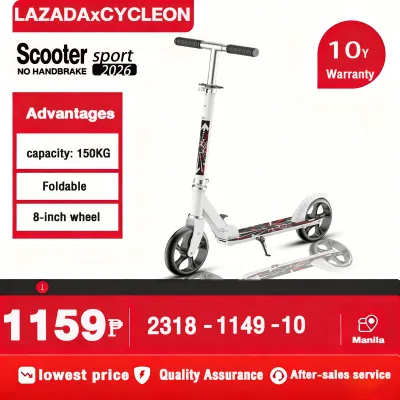

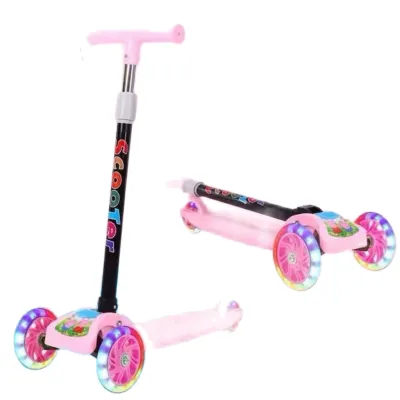
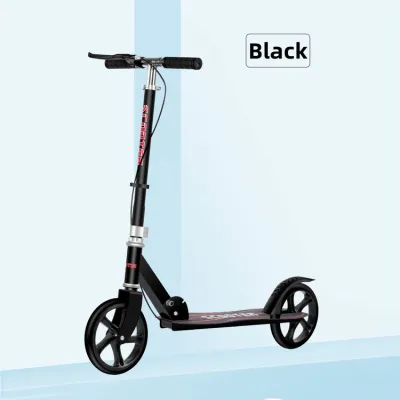
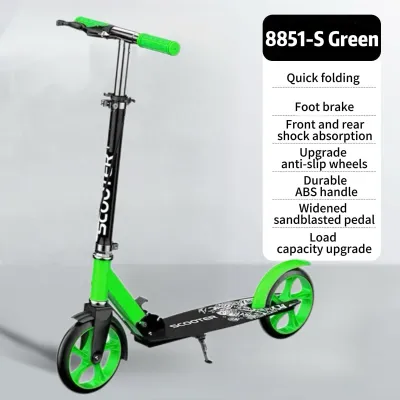
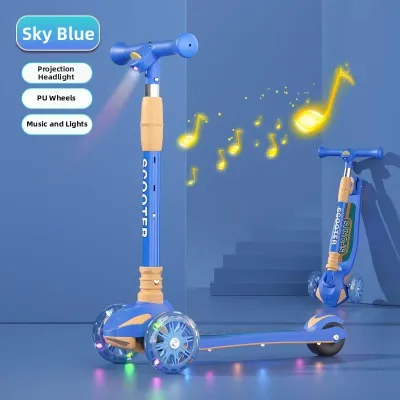
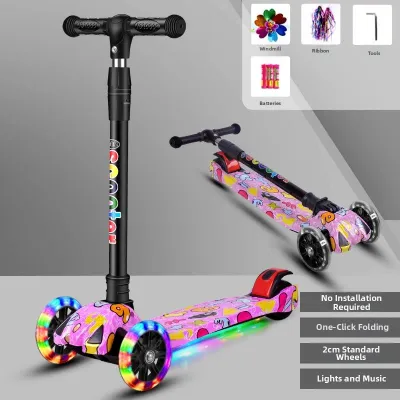
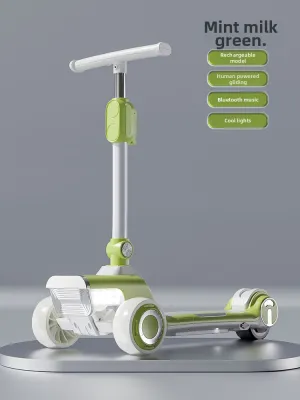
Prices are valid at publication and may change. Please refer to the product page for the latest price.
The quality of your local roads also plays a critical role in your decision. Tropical climates often subject streets to intense heat, heavy seasonal downpours, and subsequent road wear, resulting in uneven asphalt, cracked concrete, and sudden potholes. Smooth, paved park paths are highly forgiving, but navigating rough neighborhood streets or steep inclines requires careful consideration of wheel size, suspension, and deck clearance. Matching your scooter to these environmental realities ensures a safer, more comfortable ride.
Comparing the Three Main Scooter Categories
Each scooter category is engineered for a distinct type of rider, balancing portability, speed, and structural durability differently. Understanding these core differences is essential to selecting a model that aligns with your daily transportation or recreational needs.

Kick Scooters for Short Commutes and Recreation
Manual kick scooters represent the most straightforward, lightweight, and cost-effective option for riders seeking simple mobility. These models typically feature a folding mechanism that allows you to collapse the handlebars against the deck in seconds, making them exceptionally easy to carry into offices, classrooms, or crowded public utility vehicles. Because they rely entirely on human power, they are highly dependable and free from battery-charging anxieties.
However, manual riding requires continuous physical exertion, which can be challenging during hot, humid afternoons. If your route involves significant inclines or rough, unpaved surfaces, a kick scooter will require substantial effort to maintain momentum. The small polyurethane wheels common on these models also transmit vibrations directly to your hands and feet, making them best suited for short distances on relatively smooth pavements.
Maintenance for kick scooters is generally minimal but remains crucial for long-term safety. You must regularly inspect the wheels for flat spots or uneven wear, especially if you frequently use the rear friction brake. It is also important to check the brake tension and ensure that all folding joints and quick-release clamps are securely tightened before setting off on your journey.
Electric Scooters for Longer Distances and Effortless Travel
Electric scooters have transformed urban mobility by offering a motorized, eco-friendly alternative to traditional vehicles. Equipped with rechargeable batteries and hub motors, these scooters allow you to travel longer distances at steady speeds without physical fatigue. This makes them highly practical for daily office commutes, allowing you to arrive at your destination feeling fresh and presentable even in warm tropical weather.
When evaluating electric models, motor power and battery capacity are the primary specifications to verify. A motor with sufficient wattage is necessary to climb local flyovers or inclined streets, while battery range must comfortably cover your round-trip distance with a safe margin. However, these components add significant weight; electric scooters are substantially heavier than manual models, often weighing between 12 and 25 kilograms, which makes carrying them up stairs a strenuous task.
Owning an electric scooter also introduces specific maintenance and regulatory responsibilities. You must establish a consistent battery care routine, avoiding complete discharges and storing the unit away from extreme heat and moisture. Because water can damage sensitive electronic components, riding through deep puddles during sudden tropical downpours should be avoided. Additionally, riders must stay informed about local municipal transport guidelines regarding speed limits, helmet requirements, and permitted riding zones.
Pro Stunt Scooters for Skateparks and Trick Riding
Pro stunt scooters are specialized machines engineered exclusively for tricks, jumps, and high-impact park riding. Unlike kick or electric scooters, a stunt scooter features a completely rigid, non-folding frame and one-piece handlebars. This solid construction eliminates weak points, ensuring the scooter can withstand the intense forces of landing jumps on concrete ramps or grinding metal rails without collapsing or snapping.
Because they are optimized for structural integrity, stunt scooters are highly impractical for commuting or general transportation. They feature very small, hard wheels designed to maximize speed on smooth skatepark surfaces, which translate to an incredibly rough and uncomfortable ride on ordinary streets. The lack of adjustable handlebars means you cannot customize the height for ergonomic cruising, and the absence of a folding mechanism makes them awkward to transport on public transit.
If you choose a stunt scooter, safety and proper venue selection are paramount. These models should only be ridden in designated skateparks or controlled recreational areas, away from pedestrian and vehicular traffic. Because trick riding carries an inherent risk of falls, wearing a properly fitted helmet, knee pads, elbow pads, and wrist guards is non-negotiable, regardless of your skill level.
Matching Scooter Specifications to the Rider
Selecting the right category is only the first step; you must also ensure the specific model matches your physical profile and riding experience. Checking the manufacturer’s maximum weight capacity is a critical safety step. Exceeding the specified limit can compromise the structural integrity of the deck, strain the motor and battery on electric models, and significantly reduce braking efficiency. Always choose a model that offers a comfortable buffer above your actual weight, especially if you plan to carry a heavy backpack.
Handlebar height is another essential factor for comfort and control. For manual and electric scooters, the handlebars should ideally rest between your hip and waist when standing on the deck, allowing for a relaxed upright posture and natural steering. While many kick and electric models offer adjustable handlebars, stunt scooters feature fixed-height bars that must be selected or cut to match the rider’s height precisely. Handlebars that are too low can cause back strain, while those that are too high make steering difficult and reduce control.
Finally, consider the rider’s age, physical strength, and experience level. Younger riders or beginners should start with lighter, lower-speed models that are easier to balance, steer, and stop. Transitioning to heavier electric scooters or high-performance stunt models requires a solid foundation of balance and coordination. Always verify that the rider can comfortably reach the brake levers and manage the physical weight of the scooter before operating it in public spaces.
Safety Checks and Maintenance Before You Ride
Developing a consistent pre-ride inspection routine is vital for preventing accidents and extending the lifespan of your scooter. Before every journey, take a moment to test the responsiveness of your brakes. For electric models, verify that both the electronic and mechanical brakes engage smoothly. If your scooter uses pneumatic tires, check the air pressure regularly; under-inflated tires increase the risk of punctures, reduce battery efficiency, and compromise handling on wet or slippery roads.
You must also inspect all locking mechanisms and folding joints to ensure they are fully engaged and secure. Vibrations from riding on uneven roads can gradually loosen bolts and quick-release clamps over time. Keep a basic multi-tool handy to tighten any loose hardware, particularly around the handlebars, steering column, and wheels. If you notice any unusual rattling, play in the steering, or structural cracks, suspend riding immediately and address the issue.
Lastly, adapt your maintenance routine to your local climate and usage patterns. High humidity and wet roads can accelerate rust on steel components and degrade wheel bearings. Wipe down your scooter with a dry cloth after riding through damp areas, and avoid using high-pressure water sprays that can force moisture into sealed bearings or electrical compartments. Regularly inspect the grip tape on the deck for wear, replacing it when it no longer provides secure traction.
Frequently Asked Questions (FAQ)
Can I use a pro stunt scooter for my daily commute?
Using a pro stunt scooter for a daily commute is highly discouraged due to its specialized design. Stunt scooters are built with small, hard wheels that offer no shock absorption, resulting in an extremely rough and uncomfortable ride on standard roads. Additionally, the lack of a folding mechanism makes them difficult to carry on public transit, and the low, fixed handlebar height can lead to poor posture and back fatigue over longer distances.
How do I know if an electric scooter is legal to ride in my area?
To determine the legality of riding an electric scooter, you must consult the official guidelines issued by your local municipal government or national transport authority. Regulations vary widely and may dictate where you can ride, such as restricting e-scooters to designated bike lanes or barangay roads while banning them from major highways. These rules may also specify mandatory safety gear, maximum speed limits, and whether registration is required.
What is the best way to maintain a kick scooter's folding mechanism?
To maintain a kick scooter’s folding mechanism, keep the hinge joint clean and free from road grit, sand, and debris by wiping it regularly with a damp cloth and drying it thoroughly. Periodically check the locking pin or lever to ensure it snaps firmly into place without excess play. Refer to the manufacturer’s manual for specific instructions on applying a light lubricant to the pivot points, ensuring you do not get any lubricant on the deck or braking surfaces.
Community discussion
Share your experience or ask a question. Comments are reviewed before publication.