
Choosing the right skipping rope is the fastest way to turn a frustrating, tangle-prone workout into a smooth, high-intensity conditioning session. While a simple rope might seem universal, using the wrong type can stall your progress, strain your joints, or lead to premature wear on rough surfaces. The ideal skipping rope depends entirely on your current skill level, where you train, and what you want to achieve—whether that is mastering double unders, building upper-body endurance, or establishing a steady cardio rhythm.
To get the most out of your training, you must look past generic marketing claims and analyze the rope’s material, weight distribution, and feedback. Matching these physical characteristics to your personal fitness goals ensures that your workouts remain safe, effective, and tailored to your body’s capabilities.
Quick Guide: Match Your Fitness Goal to the Right Rope Type
Selecting a skipping rope is a diagnostic process. Instead of purchasing the fastest or heaviest rope available, align your choice with your immediate training goals and physical conditioning. The table below outlines how different rope types serve specific fitness objectives, helping you make an informed decision before investing in your gear.
Products mentioned in this guide
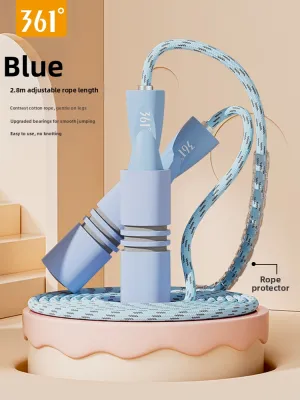
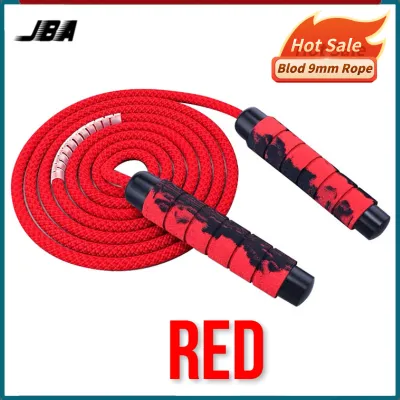
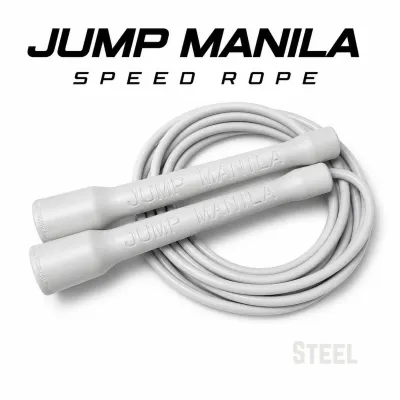
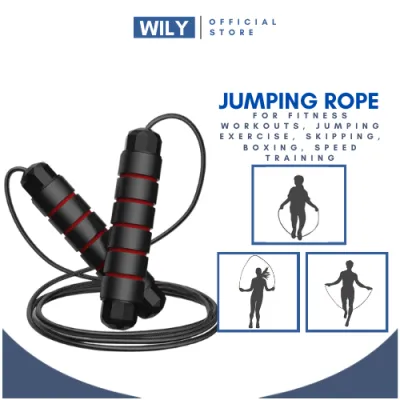
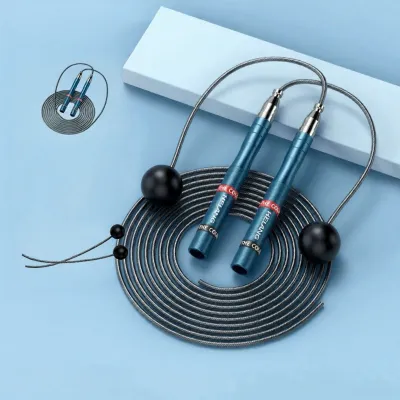
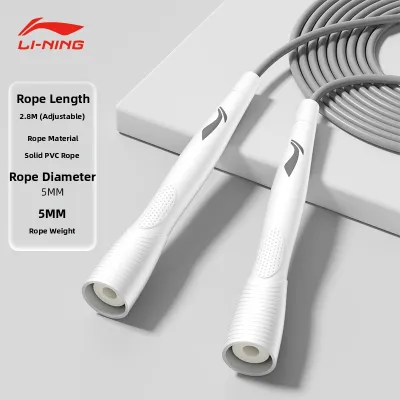
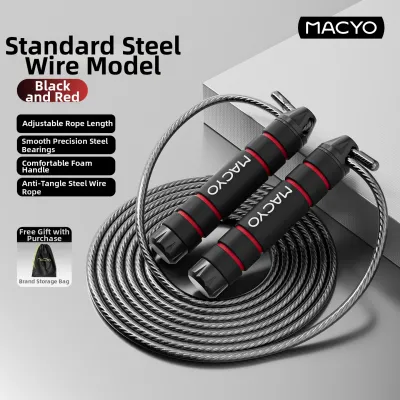
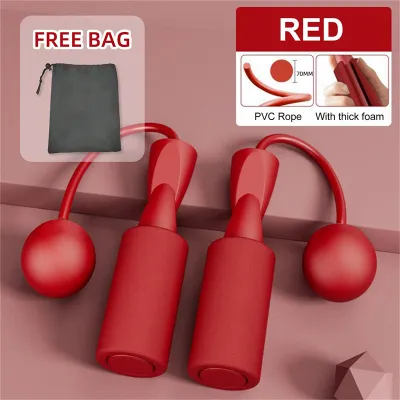
Prices are valid at publication and may change. Please refer to the product page for the latest price.
| Fitness Goal | Primary Training Outcome | Recommended Rope Type | Skill Level | Best Training Environment |
|---|---|---|---|---|
| Rhythm & Footwork | Coordination, timing, boxing footwork | Beaded Rope | Beginner to All Levels | Outdoors (Concrete/Asphalt) |
| High-Intensity Cardio | Speed, agility, double unders, CrossFit | Speed Rope | Intermediate to Advanced | Indoors (Gym flooring/Mat) |
| Muscle Toning & Strength | Shoulder, forearm, and core endurance | Weighted Rope | Intermediate to Advanced | Indoors or Outdoors (with mat) |
| Steady-State Cardio | General warm-ups, basic conditioning | Basic PVC Rope | Beginner to Intermediate | Indoors or Smooth Surfaces |
| Classic Tactile Feel | Consistent, deliberate tempo control | Leather Rope | Intermediate | Indoors Only (Dry environments) |
The core decision rule is simple: prioritize tactile feedback and control if you are a beginner, and transition to specialized speed or heavy ropes only after you have mastered basic jump timing and joint mechanics.
Identify Your Primary Training Objective and Skill Level
Before looking at specific products, honestly evaluate your current skipping proficiency. Beginners often struggle with timing, coordination, and rope placement. If you are new to the exercise, a rope that moves too quickly will lead to frequent trips, frustration, and potential shin or ankle injuries. Advanced jumpers, conversely, require responsive materials that can keep pace with rapid footwork or advanced double-under patterns.

Next, define your primary physical objective. If your target is cardiovascular endurance and foot agility, you need a lightweight setup that minimizes arm fatigue so your lungs and legs work harder. If you want to tone your upper body, you require a rope that introduces resistance to your shoulders, forearms, and core. For boxing-style footwork and coordination, a rope that provides clear physical and auditory feedback is essential for maintaining a steady tempo.
Finally, assess your physical training environment. In the Philippines, outdoor spaces like barangay basketball courts, concrete driveways, or paved parks are common workout spots. These rough, abrasive surfaces will quickly shred delicate speed ropes. If you plan to jump outdoors, durability must be your top priority. If you train indoors, verify your ceiling height and clear a safe radius to prevent hitting light fixtures or furniture during your workout.
Speed Ropes for High-Intensity Cardio and Double Unders
Speed ropes are engineered specifically for rapid rotation and high-intensity interval training. Their construction typically features a very thin steel wire coated in protective nylon or vinyl, or a slim PVC cable. These cables connect to the handles via a 90-degree ball-bearing mechanism, which allows the rope to spin smoothly with minimal friction and maximum velocity. The handles themselves are exceptionally lightweight, often made of thin plastic, aluminum, or carbon fiber.
These features make speed ropes the ideal choice for intermediate and advanced athletes, particularly those practicing CrossFit, competitive skipping, or high-speed cardiovascular drills. The primary benefit of a speed rope is its efficiency; it cuts through the air with minimal resistance, making advanced maneuvers like double unders (where the rope passes under the feet twice per jump) much easier to execute.
However, speed ropes carry notable limitations. Because they are so light, they provide virtually no tactile feedback, meaning you cannot easily feel where the rope is in its rotation. This makes them highly frustrating and unsuitable for beginners who are still developing their sense of rhythm. Additionally, the thin protective coating on the steel wire wears down rapidly when scraped against rough outdoor concrete or asphalt. If used on abrasive ground without a protective mat, the wire will soon expose, fray, and snap, posing a safety hazard.
Weighted Ropes for Upper Body Strength and Muscle Toning
Weighted ropes shift the focus of your skipping workout from pure cardio to muscular endurance and upper-body strength. When evaluating weighted options, pay close attention to where the weight is distributed. Some ropes feature weighted handles containing removable metal slugs, while others utilize a heavy, thick PVC or braided steel cable where the weight is distributed throughout the entire length of the loop. Ropes with weighted cables provide a much more consistent, challenging resistance profile because you must exert continuous force to keep the heavy rope in motion.
The primary benefit of a heavy rope is the intense engagement of your shoulders, upper back, forearms, and core muscles. Because the rope moves at a slower, more deliberate pace, it forces your body to stabilize itself with every rotation. This makes weighted ropes excellent for burning calories while simultaneously building muscular endurance in the upper body.
Despite these benefits, safety boundaries are critical when using weighted ropes. The added resistance significantly increases the torque and impact forces acting on your wrists, elbows, and shoulders. If you jump with poor form—such as flaring your elbows wide or using your entire arms instead of your wrists to turn the rope—you risk developing joint strain, tendonitis, or rotator cuff issues. Ensure you have a solid foundation of basic jumping technique and joint conditioning before incorporating ropes weighing more than half a pound (around 225 grams) into your routine.
Beaded Ropes for Beginners, Rhythm, and Boxing Footwork
Beaded ropes consist of a series of hard, shatterproof plastic beads strung over a flexible nylon or polyester inner cord. This classic construction gives the rope a distinct weight and structure, allowing it to hold its aerodynamic shape in a perfect arc during flight. When the beads strike the floor at the bottom of each rotation, they produce a distinct, rhythmic “click” sound.
This unique design makes beaded ropes the absolute best option for beginners, boxers, and freestyle trick jumpers. The physical weight of the beads provides excellent tactile feedback, allowing you to feel exactly where the rope is relative to your body. Simultaneously, the audible clicking sound acts as a metronome, helping you synchronize your jumps with the rope’s tempo. For boxers practicing complex footwork transitions, this auditory cue is invaluable for maintaining a steady cadence.
Durability is another major advantage of beaded ropes. The thick plastic beads shield the inner nylon cord from direct contact with the ground. This makes them incredibly resilient against abrasive outdoor surfaces like rough concrete, paving stones, or asphalt. Because the beads add structural stiffness, the rope is also highly resistant to tangles and kinks, allowing you to throw it into a gym bag without worrying about a knotted mess before your next workout.
Basic PVC and Leather Ropes for Steady-State General Fitness
For those seeking a straightforward, versatile tool for general fitness, standard PVC and leather ropes offer reliable performance without unnecessary complexity. A basic PVC rope features a solid plastic cord, usually around 4mm to 5mm in diameter, paired with simple plastic handles. These ropes are highly affordable, lightweight, and offer a moderate amount of feedback, making them an excellent, no-fuss starting point for casual cardio, warm-ups, and active recovery sessions.
Leather skipping ropes present a different set of characteristics. They feature a strip of genuine leather connected to wooden or plastic handles, often utilizing basic ball bearings. Leather ropes are naturally heavier than PVC, providing a smooth, quiet, and highly deliberate swing. They are favored by classic fitness enthusiasts who appreciate the tactile drag and traditional feel of leather cutting through the air at a moderate tempo.
However, choosing between these two materials requires understanding their environmental limits. While PVC ropes are highly resilient and can handle a variety of indoor and outdoor conditions, leather ropes are strictly designed for indoor use on smooth surfaces. In the tropical, high-humidity climate of the Philippines, leather is highly susceptible to moisture absorption. If exposed to sweat, humidity, or damp outdoor ground, a leather rope will stretch, lose its shape, rot, or develop mold, rapidly degrading its performance and durability.
Essential Sizing, Clearance, and Grip Checks Before You Buy
To prevent injury and ensure a smooth workout, you must verify that your skipping rope is correctly sized for your body. To measure a rope, step on the exact center of the cable with one foot and pull the handles straight up along the sides of your body. For beginners, the tips of the handles should reach your armpits. As your form improves and your hand positioning becomes tighter and closer to your hips, you can shorten the rope so the handles align with your chest or nipple line. Opting for a rope with adjustable screw clamps or internal locking mechanisms provides the flexibility to fine-tune the length as your skills progress.
Next, evaluate the handle grip, which is a critical comfort and safety factor. In warm and humid environments, hand sweat can quickly turn plastic or polished wood handles into slippery, uncontrollable hazards. Look for handles wrapped in non-slip polyurethane grip tape, textured rubber, or contoured foam. A secure grip allows you to maintain a relaxed hand and forearm posture, reducing premature muscular fatigue during high-repetition sets.
Finally, perform a thorough environmental safety check before you begin swinging. Ensure you have at least 30 to 50 centimeters of clearance above your head at the highest point of the rope’s arc. Clear a physical radius of at least 1.5 to 2 meters around you in all directions to prevent the rope from striking furniture, pets, or bystanders. If you are jumping on hard, unforgiving surfaces like tile or concrete, highly consider using a dedicated shock-absorbing jump rope mat to protect both your joints and the longevity of your rope.
Frequently Asked Questions (FAQ)
How long should I jump rope every day to lose weight?
Successful weight loss is the result of a consistent, overall daily calorie deficit, which must be supported by a balanced diet and regular physical activity rather than relying solely on a jump rope. If you are new to skipping, avoid jumping for long periods immediately, as your joints and connective tissues need time to adapt to the repetitive impact. Start with short, manageable intervals of 10 to 15 minutes, three to four times a week, incorporating frequent rest periods. As your cardiovascular endurance and joint tolerance improve, you can gradually increase the duration and intensity of your sessions.
Can I use a speed rope on concrete or asphalt?
You should avoid using thin, wire-core speed ropes directly on rough outdoor concrete or asphalt surfaces. The abrasive texture of these surfaces will quickly grind away the thin protective plastic coating, causing the internal steel wire to fray, bend, and eventually snap during a high-speed swing. If you must train outdoors on rough ground, switch to a highly durable beaded rope or a thick PVC rope designed to withstand abrasion. Alternatively, place a dense rubber jump rope mat over the concrete to protect your equipment and cushion your joints from harsh impacts.
Community discussion
Share your experience or ask a question. Comments are reviewed before publication.