
Finding the right soccer shin guard depends on balancing your on-field position, competitive intensity, and personal comfort. While defenders facing heavy tackles require robust, high-coverage protection, fast-paced wingers often prioritize lightweight designs that allow maximum agility. In the tropical heat and high humidity of the Philippines, managing sweat and heat buildup is also a key factor in choosing a guard that stays securely in place without causing skin irritation. While high-quality gear is essential for minimizing impact injuries, remember that equipment cannot replace proper tackling technique, physical conditioning, and sound on-field judgment.
Whether you are budgeting around ₱500 for basic training gear or investing in premium lightweight models, matching the guard to your specific playing conditions is key. Taking the time to evaluate your position and playing style will ensure you stay protected and comfortable throughout the match.
Diagnose Your Protection Needs by Position and Play Style
Your role on the pitch dictates the type of physical contact you are likely to encounter. Central defenders and defensive midfielders frequently engage in hard tackles, block shots, and contest 50-50 balls, making them prime targets for low-leg impacts. For these positions, prioritizing maximum coverage across the tibia and ankle is essential to withstand heavy challenges.
Products mentioned in this guide
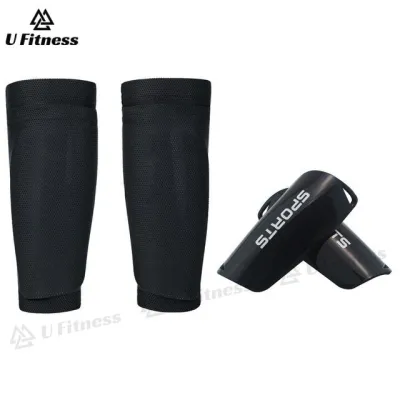
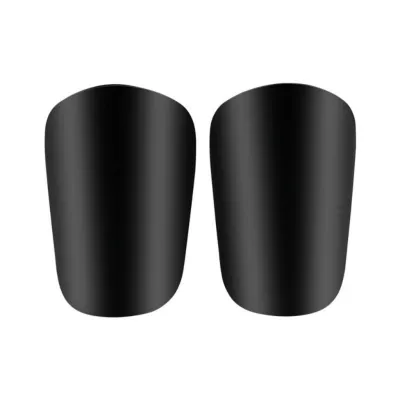
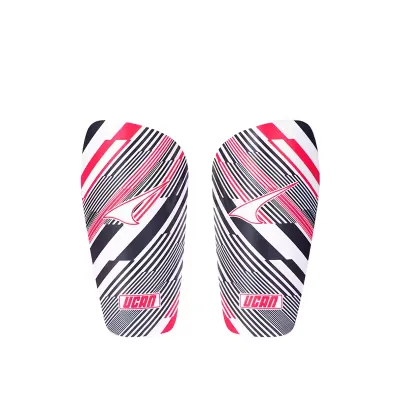
![[COD] CISWGE SPORTS 1 Pair Kids Child Soft Football Shin Pads Soccer Guards Leg Skin Guard Protector](https://img.lazcdn.com/g/p/094f916441a028a9be7024b3648199d2.jpg_400x400q80.jpg_.webp)
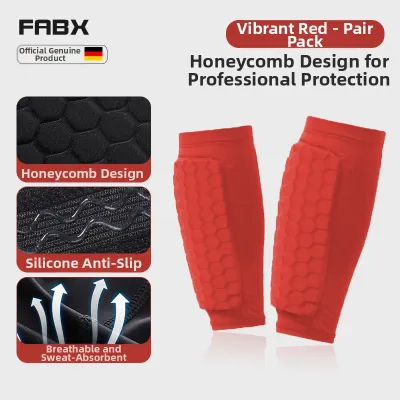
![[EliteGlint] 1Pair Mini Football Shin Pad Wear-resistant Shock Absorbing Leg Protector Lightweight Portable Soccer Training Shank Board](https://img.lazcdn.com/g/p/da355a623ae5c10a0f0494d4c8ee9787.jpg_400x400q80.jpg_.webp)
Prices are valid at publication and may change. Please refer to the product page for the latest price.
Conversely, wingers and forward attackers rely heavily on explosive speed, quick turns, and minimal weight. A bulky guard can hinder their stride and reduce ball control, so these players typically look for streamlined, low-profile options. Midfielders, who cover vast distances and transition constantly between defense and attack, often seek a balanced middle ground that offers reliable protection without sacrificing endurance.
The competitive level of your matches also influences your gear requirements. Casual weekend kickabouts on local turf pitches may only require basic, comfortable protection to prevent minor scrapes and bruises. However, if you are playing in organized leagues or official tournaments, you must ensure your guards meet specific safety standards and fit securely under your socks to comply with referee inspections.
Finally, personal comfort and climate conditions should never be overlooked. In hot, humid environments, heavy padding can trap sweat, leading to slippage and discomfort. Evaluating how a guard handles ventilation, along with its overall weight and bulk, will help you maintain focus and mobility throughout a full 90-minute match.
Evaluate Slip-In Guards for Agility and Advanced Play
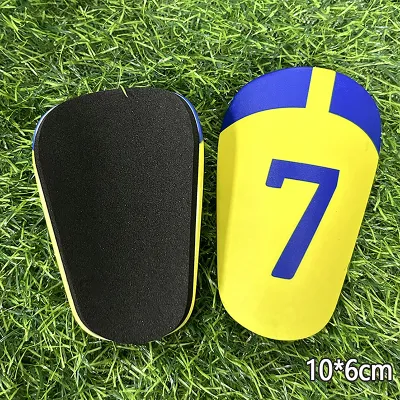
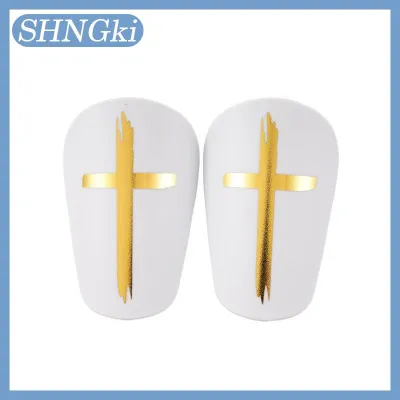
Slip-in shin guards are the preferred choice for experienced players, attackers, and midfielders who demand unrestricted movement. These guards consist of a simple, hard protective shell with a foam backing, designed to slide directly into your football socks. Because they lack attached straps or ankle sleeves, they represent the lightest and most minimalist protection option available.

The primary advantage of slip-in guards is their exceptional mobility and lightweight feel. They allow for natural ankle flexion and do not interfere with your football boots, which is crucial for precise passing and rapid acceleration. However, this minimalist design comes with a clear trade-off: they offer absolutely no built-in protection for your ankle bones or Achilles tendons, leaving those areas vulnerable to stray studs.
Because slip-in guards do not have built-in straps, keeping them from sliding down your leg during intense play requires additional gear. Most players use elastic compression sleeves, specialized grip socks, or athletic tape wrapped tightly around the outside of the sock. When playing in humid conditions, verifying that your sleeves or tape can withstand heavy sweat without losing tension is vital to prevent the guards from shifting mid-match.
Evaluate Ankle Guards for High Contact and Developing Players
Ankle shin guards provide comprehensive protection by combining a traditional hard-shell shin plate with an attached padded stirrup that covers the ankle bones. This design is highly recommended for defenders who regularly block slides, as well as youth players and beginners who are still developing their spatial awareness and tackling techniques.
The standout feature of an ankle guard is its secure, integrated fastening system. An elastic stirrup slips under your foot like a stirrup sock, while an adjustable hook-and-loop strap wraps around the upper calf. This dual-anchor system ensures the guard remains firmly in place, even during heavy physical challenges, eliminating the need for extra tape or separate compression sleeves.
Despite their superior protection, ankle guards do introduce some physical limitations. The added material around the ankle can feel bulky and may slightly restrict your range of motion when pivoting or striking the ball. Additionally, you must verify that the stirrup portion fits comfortably inside your football boots without causing pressure points or altering the fit of your footwear, which could lead to blisters during long matches.
Evaluate Padded Socks for Comfort and Low-Impact Training
Padded socks, or integrated shin-guard socks, feature protective foam or flexible plastic inserts sewn directly into the fabric of the sock itself. This all-in-one design is highly convenient and comfortable, making it an excellent option for light training sessions, casual recreational play, or indoor futsal matches where heavy, sliding tackles are less common.
While padded socks excel in comfort and ease of use, they offer significantly less impact absorption than traditional hard-shell guards. The flexible padding is designed to cushion minor bumps and scrapes rather than deflect high-velocity impacts from hard plastic or metal studs. If you anticipate aggressive play or hard-tackling opponents, relying solely on padded socks may leave you exposed to painful bone bruises.
Before choosing padded socks for official competition, it is crucial to check the specific regulations of your league or tournament. Many organized associations require rigid, hard-shell guards that meet certified safety standards. Referees have the authority to disallow flexible padded socks if they deem them insufficient for competitive match play, so keeping a backup pair of traditional guards in your gear bag is always a smart strategy.
Verify Proper Sizing and Secure Placement Before Playing
Finding the right style of shin guard is only half the battle; ensuring a precise fit is critical for both safety and comfort. To determine your correct size, measure your shin length starting from about two inches below your knee down to approximately one inch above your ankle bone. This measurement represents the maximum coverage area your guard should occupy.
Avoid relying solely on generic age or height recommendations printed on packaging, as leg proportions vary widely from person to person. Instead, consult the manufacturer’s specific sizing chart and compare your measured shin length to the physical dimensions of the guard. A guard that is too large will bite into your knee or ankle during movement, while one that is too small will leave significant portions of your tibia unprotected.
Once you have the guards on, perform a quick physical check before stepping onto the pitch. Bend your knees fully, rotate your ankles, and jog in place to verify that the guards do not pinch your joints or slide out of position. The guard should sit snugly against the flat part of your shin bone, covering the majority of your lower leg while allowing your ankle and knee to move through their full, natural range of motion.
Frequently Asked Questions (FAQ)
Do official football leagues require specific types of shin guards?
Yes, most official football leagues and tournaments enforce strict rules regarding protective gear. Under standard international guidelines, players must wear shin guards that provide a reasonable degree of protection, and these guards must be covered entirely by their football socks. However, because exact material, size, and certification requirements can vary by age group and local association, you should always consult your specific league’s rulebook or check with tournament officials before your first match.
How often should you replace your soccer shin guards?
Rather than following a strict calendar schedule, you should inspect your shin guards regularly for physical signs of wear and tear. Look for deep cracks in the outer plastic shell, peeling or permanently compressed foam backing, or stretched-out straps that no longer hold the guard securely. If a guard sustains a single, exceptionally hard impact that leaves a visible dent or stress fracture, it should be replaced immediately, as its structural integrity and ability to absorb future shocks have been compromised.
Community discussion
Share your experience or ask a question. Comments are reviewed before publication.