
Selecting the right swim towel is just as important as choosing your goggles or swimwear. A high-quality towel does more than just dry your skin; it manages moisture, regulates your body temperature on a drafty pool deck, and fits seamlessly into your daily gear bag. When looking for a speedo towel, the ideal choice depends on your specific swimming routine, how often you train, and how you transport your wet gear.
To find the perfect match, you must evaluate the core material technology against your typical swimming environment. Frequent lap swimmers, competitive racers, and casual beachgoers all require different levels of absorbency, drying speed, and portability. By matching these performance characteristics to your lifestyle, you can ensure your gear remains fresh, functional, and ready for your next session.
Microfiber vs. Cotton: The Core Decision for Swimmers
The fundamental choice when selecting a swim towel lies in its material construction. Modern swim towels generally fall into two categories: synthetic microfiber (including specialized polyurethane chamois blends) and traditional cotton terry weaves. Understanding how these fabrics interact with water and air is the first step in narrowing down your options.
Products mentioned in this guide
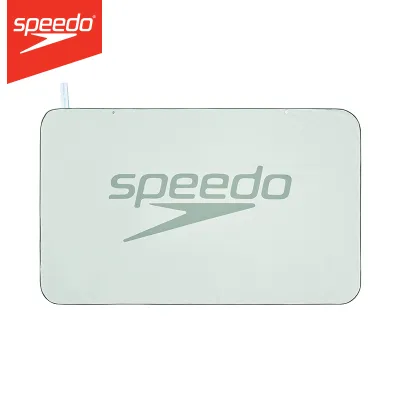
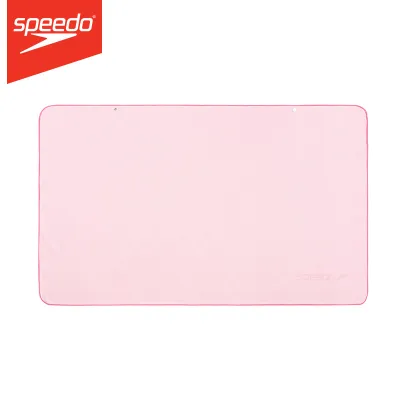
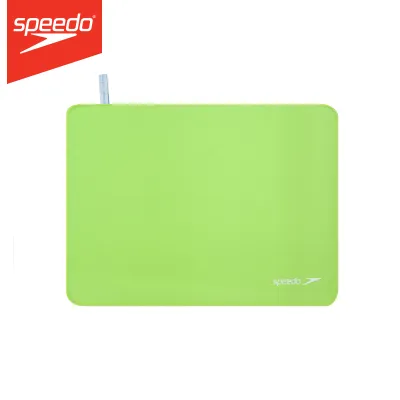
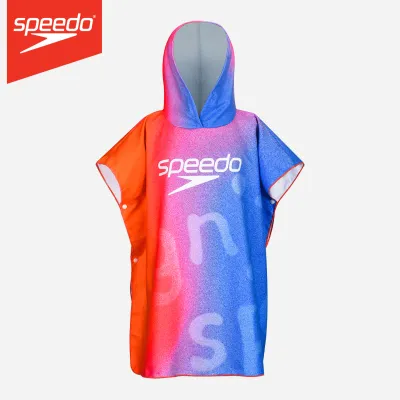
Prices are valid at publication and may change. Please refer to the product page for the latest price.
Microfiber towels are engineered from synthetic polymer blends, typically consisting of polyester and polyamide. These fibers are split into incredibly fine strands, creating a massive surface area relative to the towel’s physical size. This structure allows microfiber to absorb water mechanically through capillary action, pulling moisture rapidly away from your skin. Because the water sits in the channels between the fibers rather than soaking into the core of the threads, these towels can be wrung out to near-dryness in seconds, making them exceptionally quick-drying and compact.
Traditional cotton towels, on the other hand, rely on the natural absorbency of cotton fibers woven into loops, commonly known as terry cloth. Cotton absorbs water chemically into the fiber walls, which provides a highly plush, luxurious feel against the skin. This lofted texture is excellent for trapping warmth, making cotton towels the preferred choice when you want to wrap yourself up and lounge by the water. However, because the water is held deep within the organic fibers, cotton towels are significantly heavier, bulkier, and take much longer to dry.
Identifying which material aligns with your routine is critical. If your priority is a lightweight, fast-drying tool that you can pack away quickly, synthetic performance fabrics are the superior choice. If your priority is post-swim warmth, cushioning, and a traditional soft feel, a classic cotton weave will serve you better.
Matching the Right Speedo Towel to Your Swimming Activity
Different aquatic environments and training intensities demand specific towel properties. A towel that excels on a windy beach may prove frustratingly bulky on a crowded pool deck, while a minimalist training towel might feel inadequate during a relaxed weekend getaway.

Lap Training and Daily Practice
For those who swim multiple times a week for fitness or lap training, convenience and hygiene are paramount. Daily practice requires gear that can withstand constant wet-and-dry cycles without developing unpleasant odors or taking up excessive space in your gym bag.
Microfiber towels are highly recommended for this routine due to their rapid evaporation rates. When you train daily, a standard towel rarely has enough time to dry completely between sessions, especially when stored in a locker or backpack. Microfiber’s synthetic composition makes it naturally resistant to mildew and bacteria growth, ensuring your towel stays fresh even during consecutive training days.
Furthermore, the lightweight nature of microfiber is a massive benefit for commuters. Carrying heavy, waterlogged cotton towels home from the local sports complex adds unnecessary bulk to your gear. A compact microfiber towel keeps your swim bag light and prevents moisture from seeping into your dry clothes or electronics.
Competitive Swimming and Meets
Competitive swimmers and racers operate in a fast-paced deck environment where space is limited and efficiency is key. During long swim meets, athletes must dry off quickly between warm-ups, heats, and finals without carrying multiple heavy towels.
For these scenarios, highly compact microfiber or chamois-style sports towels—often referred to as “sports towels” or “dry towels”—are the industry standard. These towels are designed to be used damp. You simply pat your skin dry, wring the towel out completely, and it is immediately ready to absorb water again. This eliminates the need for a dry towel for every individual race.
Because chamois and compact microfiber towels fold down to a fraction of the size of a standard towel, they save crucial space in your swim bag. This leaves plenty of room for essential competitive gear, such as spare caps, racing goggles, resistance bands, and bulky tech suits, without overloading your gear transit.
Beach Trips and Leisure Swimming
Recreational swimming, open-water dips, and beach outings prioritize comfort, relaxation, and protection from the elements. When you are lounging by the ocean or a resort pool, speed of packing is often secondary to physical comfort.
Large cotton or blended terry towels are ideal for these leisure activities. The thick, plush texture provides a comfortable barrier between your body and hot sand, wooden lounge chairs, or concrete pool surrounds. Additionally, cotton’s natural weight helps keep the towel in place when the wind picks up near the shore.
Size is also a major factor during leisure trips. A large beach towel allows for full-body wrapping, helping you dry off slowly while shielding your skin from cool sea breezes or intense sun exposure. The natural fibers are also highly effective at brushing away dry sand, making them a practical companion for coastal excursions.
Sizing, Weight, and Portability: What to Check on the Label
Once you have decided on the material that fits your activity, you must evaluate the physical specifications of the towel. Checking the dimensions, weight, and fabric composition on the product label ensures you do not end up with a towel that is too small for practical use or too bulky for your bag.
Standard swim towels typically measure around 30 by 60 inches (approximately 76 by 152 centimeters). This size is highly versatile, offering enough surface area for comfortable deck drying while remaining easy to fold and transport. If you primarily focus on lap training or pool deck use, a standard-sized microfiber towel offers the best balance of coverage and portability.
For beach trips or full-body wrapping, look for XL or oversized options, which often measure 35 by 70 inches or larger. While these dimensions provide excellent coverage, a cotton towel of this size will be exceptionally bulky. If you want maximum coverage without the weight, look for an oversized microfiber option, which compresses easily and weighs significantly less than its cotton counterpart.
When reviewing product labels, pay close attention to the specific material blend percentages. Microfiber towels are typically a blend of polyester and polyamide (often an 80/20 or 85/15 ratio). A higher polyamide content generally indicates better water absorption and a softer texture. For cotton options, look for ring-spun or combed cotton, which offers improved durability and less shedding over time. Always verify these specifications on the physical product tag or the manufacturer’s official listings, as material compositions and sizing standards can vary by region and production batch.
Quick Comparison: Speedo Towel Types at a Glance
To help you quickly evaluate your options, the table below summarizes how different swim towel materials perform across key criteria:
| Towel Type | Best For | Drying Speed | Packability | Warmth |
|---|---|---|---|---|
| Microfiber / Chamois | Lap training, competitive meets, daily pool commutes | Ultra-Fast (Wring-to-dry) | High (Ultra-compact) | Low to Medium |
| Cotton / Terry | Beach trips, leisure swimming, open-water lounging | Moderate to Slow | Low (Bulky) | High |
How to Care for Your Swim Towel in Humid Climates
In tropical, high-humidity environments like the Philippines, caring for your swim gear requires deliberate attention. High humidity slows down natural evaporation, creating a prime breeding ground for mold, mildew, and sour odors if your towel is not managed correctly.
First, always rinse your towel in clean, fresh water immediately after use. Chlorinated pool water, salty ocean water, and sweat contain chemicals and organic compounds that degrade fabric fibers over time. A quick rinse at the pool deck or beach shower removes these elements, preserving the towel’s absorbency and structural integrity before you even wash it.
When it comes to laundering, use a mild detergent and wash your towels on a gentle cycle. If you are washing microfiber, you must absolutely avoid fabric softeners. Fabric softeners work by depositing a thin, water-resistant silicone coating over the fabric fibers. While this makes traditional cotton feel softer, it completely ruins microfiber by clogging the microscopic channels that trap water, rendering the towel virtually useless for drying.
Proper drying is the most critical step in a humid climate. Hang your towel to dry in a well-ventilated, shaded area. While direct tropical sunlight is excellent for sanitizing, prolonged exposure to intense UV rays can break down synthetic microfiber polymers and fade cotton dyes. A shaded outdoor porch or a room with active air circulation (such as near a fan or open window) is ideal. Always consult the care label on your specific towel before using a machine dryer, as high heat can melt synthetic microfiber strands or cause cotton towels to shrink excessively.
Frequently Asked Questions (FAQ)
These common queries can help clarify your decision before purchasing your next swim towel.
Can I use a regular bath towel instead of a specific swim towel?
While you can physically use a regular household bath towel, it is highly impractical for regular swimming routines. Standard bath towels are designed for indoor use where they can hang dry in low-humidity bathrooms. When taken to a pool or beach, they quickly become incredibly heavy, absorb large amounts of chlorine or salt, and take a very long to dry. If packed into a gym bag while damp, a standard bath towel will quickly develop a sour, musty smell and transfer moisture to your other gear.
How often should I replace my microfiber swim towel?
There is no fixed expiration date for a microfiber swim towel; its lifespan depends entirely on your usage frequency and care habits. Instead of relying on a timeline, look for observable signs of wear. You should replace your towel if you notice a significant decline in its water absorbency, if it develops persistent odors that do not disappear after a thorough wash, or if the edges begin to fray and split. Proper care, such as avoiding fabric softeners and drying the towel completely after every use, will significantly extend its functional lifespan.
Community discussion
Share your experience or ask a question. Comments are reviewed before publication.