
Choosing the right swimming buoy depends on matching the gear to your specific water environment, primary goal, and skill level. While some swimmers need high-visibility safety gear for open water, others require specialized training aids for the pool. This guide will help you diagnose your actual needs and select the correct tow float, safety buoy, or training equipment before making a purchase.
Whether you are training for a triathlon, enjoying a leisurely swim along a tropical coastline, or working on your stroke technique in a local lap pool, the right equipment keeps you safe and productive. Using the wrong type of buoy can lead to unnecessary drag, safety compliance issues, or a lack of progress in your training. By understanding the distinct designs available, you can make an informed decision that aligns with your swimming routine.
Assess Your Swimming Environment and Visibility Needs
Swimming in a controlled pool is vastly different from swimming in open water. In a pool, you have clear lane lines, flat water, and lifeguards nearby. In open water, such as the coastal waters of the Philippines, you face unpredictable currents, waves, and motorized boat traffic. Your environment dictates whether your buoy is a tool for visibility or a tool for technique.
Products mentioned in this guide
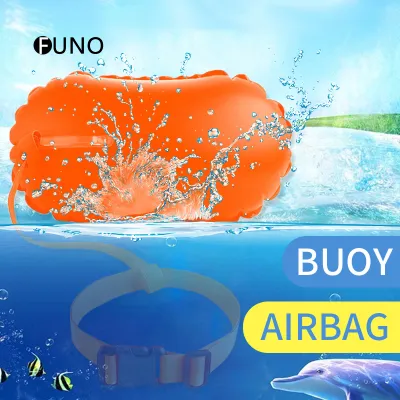
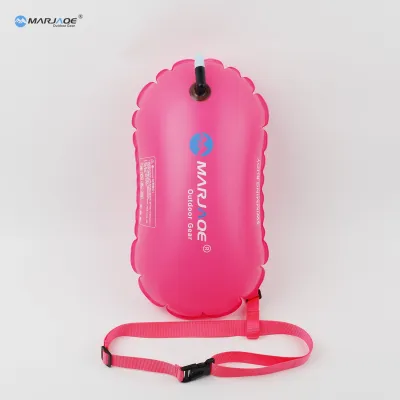
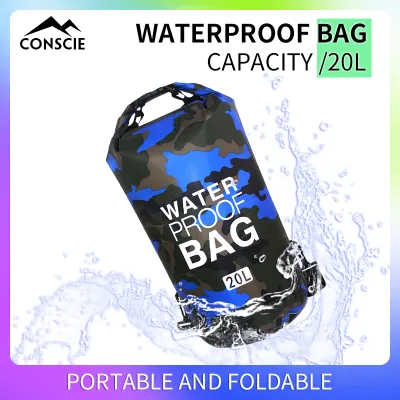
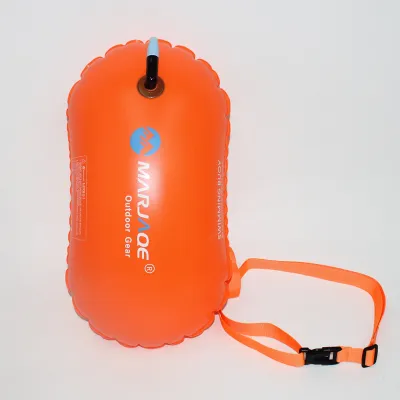
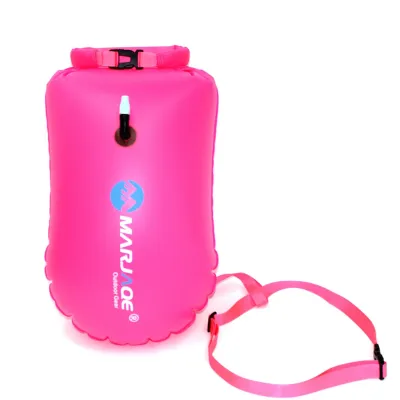
Prices are valid at publication and may change. Please refer to the product page for the latest price.
Visibility is your primary line of defense when swimming in open coastal areas. Motorized outrigger boats, jet skis, and kayaks move quickly and often cannot see a swimmer’s head bobbing in the waves. A bright neon orange, pink, or yellow buoy makes you visible from hundreds of meters away, giving boat operators ample time to steer clear of your path.
Weather conditions also play a major role in your visibility needs. On bright, sunny days, glare on the water surface can easily hide a swimmer from view. During sudden tropical rain showers or in overcast weather, contrast becomes incredibly important. A high-visibility buoy ensures you remain visible to shore observers and safety personnel even when the weather turns gray.
Before heading out, always check local waterway regulations. Some marine sanctuaries, public beaches, and organized swim events require open-water swimmers to use a registered tow float or safety buoy for safety compliance. Using a buoy is not just a personal preference; in many active boating zones, it is a mandatory safety protocol.
Identify Your Primary Purpose: Safety, Storage, or Training
Clarify why you are buying a buoy before looking at specific models. Is your main goal to stay visible and have a temporary resting platform in deep water? Do you need to keep your car keys, phone, and dry clothes safe while you swim from beach to beach? Or are you looking to isolate your upper body during pool drills?

A single buoy rarely excels at all three functions. A bulky dry-bag tow float is excellent for coastal touring but is completely useless and awkward inside a crowded 25-meter lap pool. Conversely, a foam pull buoy provides zero visibility or safety in the ocean. Prioritizing your primary activity first will prevent you from buying gear that sits unused in your gear bag.
Tow Floats and Safety Buoys for Open Water
Tow floats are inflatable bladders that attach to your waist via a lightweight leash and trail behind you as you swim. They float just above your lower back, staying out of your kick zone while remaining highly visible to jet skis, boats, and shore observers. Because they are filled with air, they glide easily on the surface with minimal resistance.
It is crucial to verify the manufacturer’s labels regarding safety claims. Most tow floats are designed for visibility and temporary resting support, not as certified personal flotation devices (PFDs) or life jackets. If you experience a cramp or need to adjust your goggles, you can hug the float to rest, but it should never replace basic swimming competence.
Many safety buoys feature a dual-chamber design with a waterproof dry compartment. This allows you to store personal items like your phone, slippers, or a small towel while you swim. However, carrying heavy items increases hydrodynamic drag and can alter how the buoy floats behind you, so it is best to keep your cargo as light as possible.
Training Buoys and Pull Buoys for Skill Development
Pull buoys are typically figure-eight-shaped pieces of closed-cell foam placed between your thighs or ankles. By neutralizing your kick and raising your hips, they isolate your upper body, allowing you to focus entirely on your arm pull, shoulder rotation, and core alignment. They are standard tools for swim training and stroke correction.
Some advanced training buoys are designed to create intentional drag or require active stabilization to build strength. When choosing these, verify the attachment mechanisms, strap durability, and drag specifications to ensure they match your training goals. These are specialized tools meant for structured workouts rather than casual swimming.
Training buoys offer virtually no visibility or emergency flotation. They are designed strictly for pool use and should never be substituted for safety gear in open water. Because they do not attach to your body with a leash, they can easily float away in a current, leaving you without support.
Match the Buoy Type to Your Skill Level and Activity
If you are transitioning from the pool to the ocean, choose a high-visibility tow float with a built-in safety whistle and dual inflation chambers. The extra buoyancy can offer peace of mind when you need to pause, adjust your goggles, or catch your breath in choppy water. Beginners should prioritize maximum visibility and buoyancy over speed.
If speed and technique are your priorities, look for a streamlined, low-drag tow float. These are often smaller and shaped to glide smoothly over the water surface, minimizing resistance while still meeting safety visibility requirements. Triathletes and advanced swimmers typically prefer these models to maintain their natural body position and stroke tempo.
If your workouts are confined to a local sports complex or subdivision pool, a standard ergonomic foam pull buoy is all you need to build upper-body strength. Look for soft, non-chafing EVA foam that fits comfortably between your thighs without slipping during flip turns.
Your swimming proficiency dictates how much drag you can comfortably handle. Beginners may not mind a slightly larger dry-bag buoy, whereas competitive swimmers will want the most hydrodynamic option available. If you are uncertain about the safety requirements or water conditions of a specific location, consult certified swim coaches, local triathletes, or active lifeguards before heading out.
Key Features to Check Before You Buy
Read the manufacturer’s label to verify the exact buoyancy capacity and weight limits. Ensure the buoy can support your weight if you need to hang onto it to rest. A buoy with dual air chambers is highly recommended for open water, as it provides a backup pocket of air if one chamber punctures.
Inspect the waist belt, leash attachment points, and quick-release buckles. The belt should adjust securely without slipping, and the leash must be long enough to keep the buoy clear of your kick path but short enough to remain manageable. A quick-release buckle is essential so you can easily detach the buoy in an emergency.
If you choose a dry-bag buoy, verify the waterproof rating and the sealing mechanism, which is usually a roll-top closure with buckles. Test the dry compartment with dry paper towels inside before trusting it with expensive electronics. Whether you are looking at budget options around ₱500 or premium dry-bag floats closer to ₱2,000, verify the material thickness and seam welding to ensure it won’t puncture easily on coral or rocks.
In tropical climates, UV resistance is another critical factor to check. Constant exposure to intense sunlight and saltwater can degrade cheap plastics quickly, leading to leaks and color fading. Look for buoys made from heavy-duty nylon or thick PVC that specifically mention UV protection on the label.
No piece of equipment replaces swimming competence, water safety training, or proper supervision. Always swim with a buddy when in open water, monitor local weather and tide conditions, and never swim farther from shore than you are capable of swimming back without assistance.
Frequently Asked Questions (FAQ)
Can I use a pull buoy for open-water safety?
No, you should never use a pull buoy for open-water safety. Pull buoys are made of dense foam designed to be held between your legs; they lack the bright visibility colors, secure waist tethers, and high buoyancy volume required to keep you safe or visible to boats in open water. Always use gear specifically designed and labeled for open-water safety.
Does a tow float slow me down significantly?
A properly fitted tow float has a negligible impact on your swimming speed. Because it floats on the surface and trails behind you in your slipstream, the drag is minimal. If speed is a major concern, check product descriptions for streamlined, low-profile designs that prioritize aerodynamics while maintaining high visibility.
Community discussion
Share your experience or ask a question. Comments are reviewed before publication.