
Choosing the right swimming goggles depends entirely on how often you swim, where you swim, and what you want to achieve. Buying the most expensive racing goggles will not improve a casual swimmer’s experience, just as flimsy recreational goggles will frustrate a daily lap swimmer. Matching your gear to your specific swimming profile ensures you get the right balance of comfort, durability, and performance for your time in the water.
Whether you are looking at an entry-level pair on an online marketplace or investing in specialized training gear, understanding the distinct categories of goggles is the first step. The right pair should feel like a natural extension of your face, allowing you to focus entirely on your breathing and stroke mechanics without the distraction of constant leaks or painful pressure.
Step 1: Assess Your Swimming Frequency and Environment
Before browsing options, evaluate your actual swimming habits. An occasional weekend dip to cool off in a resort pool requires a very different piece of equipment than a structured, three-times-a-week fitness routine. Be honest about your frequency, as high-frequency training demands materials that can withstand constant exposure to pool chemicals and facial movement.
Products mentioned in this guide
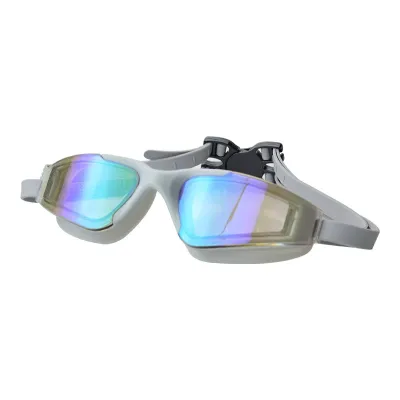
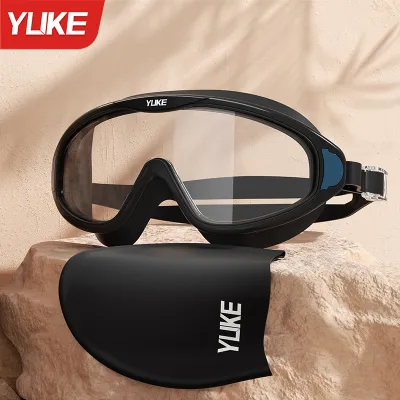
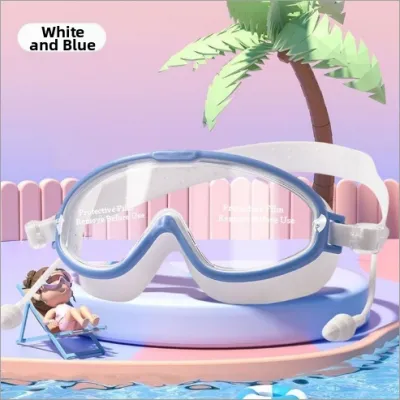
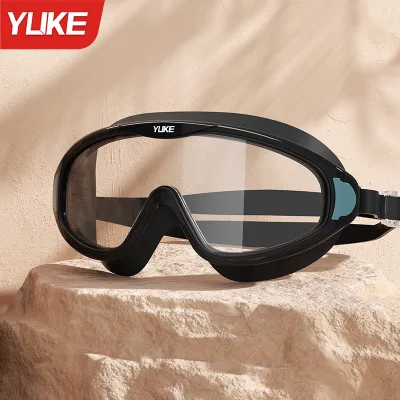
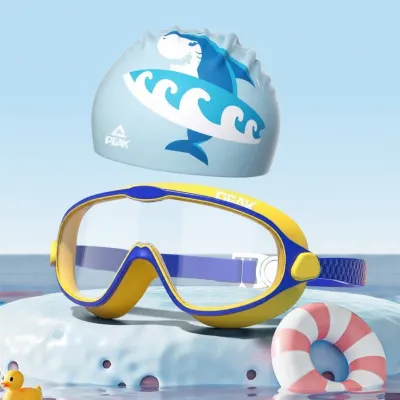
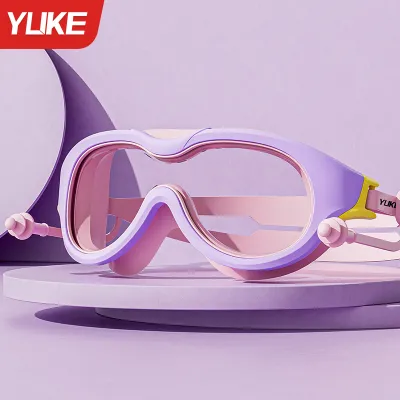
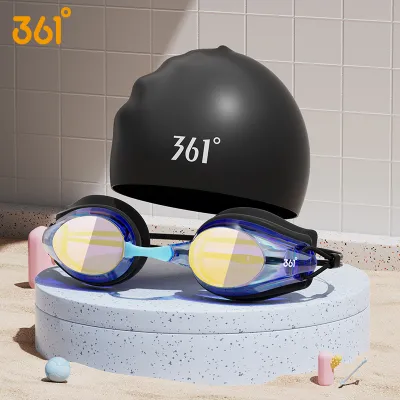
Prices are valid at publication and may change. Please refer to the product page for the latest price.
Next, identify your primary swimming environment. Indoor chlorinated pools present consistent lighting but harsh chemical environments that degrade cheap plastics. Outdoor pools and natural open water expose you to intense tropical sunlight, surface glare, and wind-driven chop, which require specific lens protections and secure strap designs.
Finally, define your core objective. If your goal is relaxation or basic water aerobics, comfort and wide visibility are your primary needs. If you are training to improve your cardiovascular fitness, build endurance, or compete in local races, you will need a more streamlined, secure fit that remains stable during fast turns and high-speed push-offs.
Recreational Goggles: Are You a Casual or Beginner Swimmer?
Recreational goggles are designed with a primary focus on comfort and ease of use. They typically feature large, soft silicone gaskets and thick, flexible frames that sit comfortably on the outer flesh of your eye sockets. This design distributes suction pressure over a wider surface area, significantly reducing the deep red rings around your eyes after a swim.

These goggles are ideal for casual pool-goers, water aerobics participants, and beginners learning basic strokes. If your time in the water involves keeping your head above water frequently, chatting with friends, or gentle breaststroke, recreational models provide a wide, comfortable view without feeling restrictive or overly tight.
However, recreational goggles have distinct trade-offs. Their bulky frames create significant water resistance, which can cause them to shift, wobble, or leak during aggressive push-offs from the pool wall, diving starts, or fast flip turns. They are not built for high-speed training, and the cheaper plastics used in entry-level models may degrade quickly if used daily.
Fitness Goggles: Do You Swim Regular Laps for Exercise?
If you swim regular laps multiple times a week for exercise, technique drills, or masters swimming, fitness goggles offer the ideal balance. They feature a mid-sized frame that sits slightly inside the orbital bone, offering a secure, watertight seal without the harsh, deep-set pressure of competitive racing gear.
These goggles are built to be the workhorses of your swim bag. They utilize high-grade silicone seals and robust strap adjustment mechanisms designed to withstand frequent exposure to chlorinated water and sweat. The materials remain flexible and resilient over months of regular use, ensuring the seal does not harden or crack prematurely.
The streamlined profile of fitness goggles reduces drag significantly compared to recreational models. They stay firmly in place during turns and push-offs, allowing you to focus entirely on your stroke mechanics and breathing rhythm. This makes them the most versatile option for the majority of active swimmers.
Competitive Goggles: Are You Racing or Doing High-Intensity Sprints?
Competitive goggles are engineered for maximum hydrodynamics and high-speed stability. They feature an ultra-low-profile design that sits deep inside the eye socket, minimizing the surface area exposed to rushing water. This design helps reduce drag, allowing advanced swimmers to maximize their efficiency during races.
To maintain a watertight seal during explosive diving starts and rapid flip turns, competitive goggles rely on firm, low-profile silicone gaskets or even gasketless designs. The straps must be worn tighter to secure the low-profile frames against the face. While this creates an incredibly secure fit, it can cause discomfort and eye fatigue during long, slow endurance swims.
Because of this tight fit and firm pressure, competitive goggles are best reserved for race days, time trials, or specific high-intensity sprint sets. Using them for casual, hour-long fitness sessions is rarely necessary and often uncomfortable. If you choose this style, verify that the performance advantage outweighs the sacrifice in comfort.
Open Water Goggles: Do You Swim in Lakes, Oceans, or Triathlons?
Swimming in natural bodies of water like lakes, rivers, or the ocean requires specialized gear designed for unpredictable environments. Open water goggles prioritize wide peripheral vision, allowing you to navigate buoys, spot landmarks, and maintain awareness of nearby swimmers in crowded race starts.
The outdoor environment introduces challenging lighting conditions and intense surface glare. Lenses for open water often feature polarization or dark tints to protect your eyes from bright tropical sunlight and water reflections. Some models offer photochromic lenses that automatically adjust their tint based on changing cloud cover and ambient light.
Security is also critical when facing waves, currents, and crowded swim starts. Look for robust, split-headstrap designs and wider gaskets that distribute impact if you are accidentally kicked or bumped by another swimmer.
Remember that specialized open-water goggles are a tool for visibility, not a safety device. They cannot replace proper open-water swim training, swimming proficiency, or the use of a brightly colored safety tow float. Always assess water conditions, currents, and your own physical limits before entering open water, and never swim alone.
The Suction Test: How to Verify the Fit Before Buying
Before purchasing any pair of goggles, you must verify that they fit your unique facial structure. A poor fit leads to constant leaking and frustration, regardless of how expensive the goggles are or what features they promise.
To perform the suction test, gently press the goggle lenses against your eye sockets without putting the strap over your head. Press lightly to expel the air from the gaskets. If the goggles stick to your face for a few seconds before releasing, the seal is correct for your facial shape. If they fall off immediately, air is leaking in, and they will likely leak water during your swim.
Next, check the nose bridge. Many goggles come with interchangeable nose pieces of varying widths, while others feature a flexible, self-adjusting nose bridge. The nose bridge must allow the lenses to sit comfortably over your eyes without pinching the bridge of your nose or pulling the lenses too close together.
Finally, assess the strap tension. The strap is designed to keep the goggles in place, not to create the seal. Over-tightening the strap to stop a leak will only cause headaches and bruising. If you have to pull the strap painfully tight to prevent leaks, the frame shape is simply a mismatch for your face, and you should try a different model.
Lens Tints and Basic Care to Extend Goggle Life
Choosing the right lens tint improves your visibility and eye comfort. Clear or light blue lenses are best for indoor pools or overcast days, as they let in maximum light. Mirrored, dark, or polarized lenses are essential for bright outdoor pools and open water, as they block glare and reduce eye strain under the sun.
Proper maintenance is key to extending the life of your goggles, especially in warm, humid climates. After every swim, rinse your goggles thoroughly with cool, fresh tap water to remove chlorine, salt, or sand. Allow them to air-dry completely in a shaded, well-ventilated area. Never leave them baking in direct sunlight, as UV rays and high heat will degrade the silicone seals and straps.
To protect the factory-applied anti-fog coating, never touch or wipe the inside of the lenses with your fingers, towels, or shirts. Even a gentle wipe can scratch the delicate coating, leading to permanent fogging issues.
Frequently Asked Questions (FAQ)
How do I prevent my swimming goggles from fogging up?
To prevent fogging, avoid touching or wiping the inside of the lenses, which strips away the factory-applied anti-fog layer. Before you start swimming, rinse your goggles in the pool water to equalize the temperature between the lenses and the water, which helps reduce condensation. If your goggles are older and the original coating has worn off, you can apply a commercial anti-fog spray or drops before your swim, following the manufacturer’s instructions.
Should I wear a swim cap with my goggles?
Wearing a swim cap is highly recommended as it helps keep your hair out of the goggle seal, preventing slow leaks. Most swimmers prefer to place the goggle straps under their swim cap to keep the straps streamlined and secure during fast turns. Alternatively, placing the straps over the cap can help prevent the cap from sliding up, so you should experiment with both methods to see which feels more secure and comfortable for your head shape.
How often should I replace my swimming goggles?
You should replace your goggles when you notice visible signs of wear, such as cracked lenses, brittle straps, or a flattened, hardened silicone seal that no longer holds a vacuum suction. Frequent swimmers who train multiple times a week may need to replace their training goggles every few months due to chemical degradation. Casual swimmers who care for their gear properly can often use the same pair for several years before the seals begin to fail.
Community discussion
Share your experience or ask a question. Comments are reviewed before publication.