
Selecting the right taekwondo shield is a balancing act between the skill level of the kicker and the physical capacity of the holder. The ideal shield must absorb the target impact safely while facilitating the specific training goals of the session, whether that involves building raw power, perfecting rapid combinations, or sharpening accuracy. Because martial arts training involves high-velocity impact, using the wrong type of equipment can quickly lead to wrist sprains, shoulder fatigue, or poor technique development.
Equipment alone cannot replace proper training, physical conditioning, and structured coaching. Before purchasing any training gear, understand that your safety and your training partner’s safety depend heavily on using the correct tool for the specific drill.
Quick Diagnosis: Which Taekwondo Shield Fits Your Routine?
To find the right gear immediately, map your primary training goals to the corresponding shield geometry. Each design serves a distinct purpose in a martial artist’s development, and matching them correctly prevents premature wear of the equipment and unnecessary physical strain on your training partner.
Products mentioned in this guide
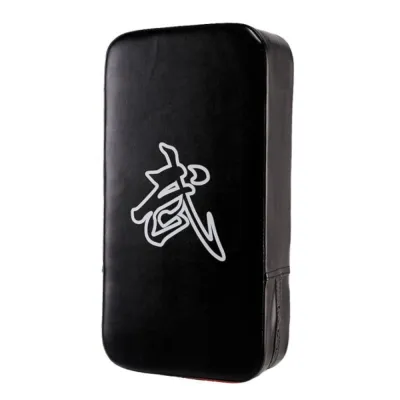
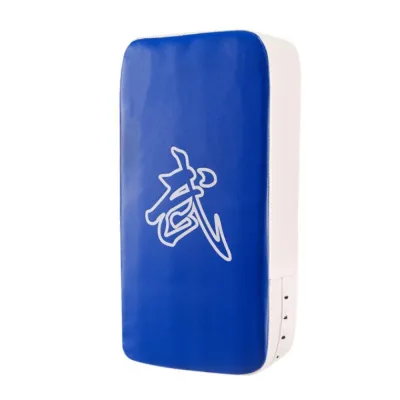
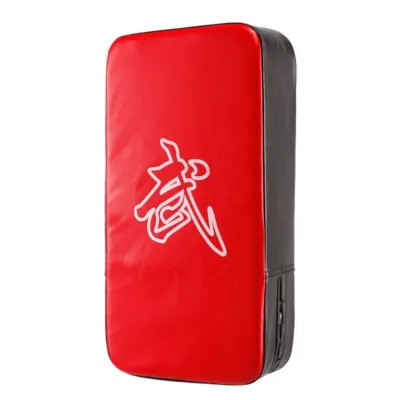
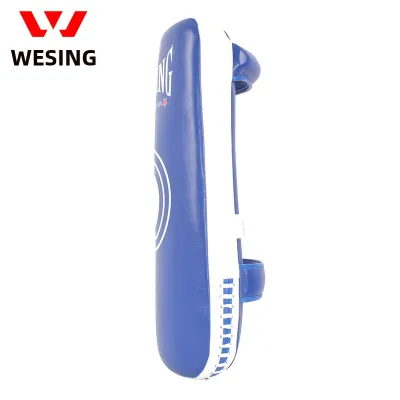
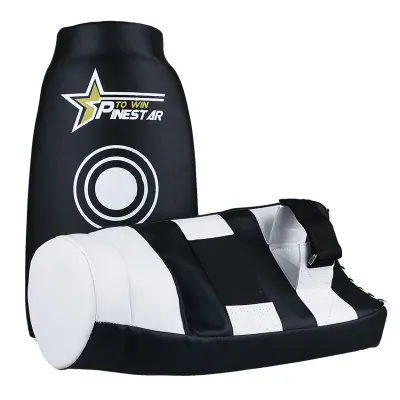
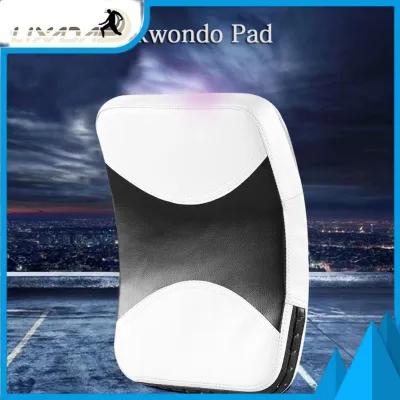
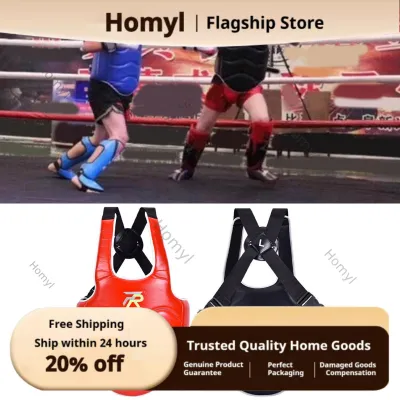
Prices are valid at publication and may change. Please refer to the product page for the latest price.
- Rectangular Shields: Best for beginners, younger practitioners, and foundational technique drills. They offer a large, forgiving target area that requires minimal holding experience.
- Curved Shields: Best for intermediate to advanced practitioners focusing on full-power kicks, such as the back kick (dwi chagi) or turning kick (dollyo chagi). They are designed specifically for heavy power absorption.
- Hexagonal Shields: Best for intermediate and advanced students practicing multi-angle combinations and rapid tactical transitions.
- Focus Shields and Paddles: Best for speed, precision, and high-frequency reaction drills. They are not built for heavy power absorption.
Your final choice must depend on both the kicker’s specific drill focus and the holder’s experience level. A heavy, explosive kicker paired with an inexperienced holder using lightweight gear is a recipe for joint injuries. Always prioritize the physical limitations and comfort of the person holding the target to ensure safe, productive training sessions.
Identify Your Skill Level and Primary Training Goals
Before browsing online marketplaces or local martial arts supply shops, take a moment to evaluate your current training stage. Ask yourself what specific attribute you are trying to improve. Are you a beginner working on basic balance and foot placement, or are you an active competitor trying to shave milliseconds off your reaction time?

Your training frequency and intensity will dictate the material specifications you need. If you train once a week at home for general fitness, a standard utility shield is sufficient. However, if you are training multiple times a week in a high-intensity environment, you will require high-density foam and robust, ergonomic strap systems to protect the holder’s joints from repetitive micro-trauma.
Do not overlook the physical capacity of the person holding the shield. In many home training setups, your partner might be a family member who does not train in martial arts. If a lightweight holder is tasked with absorbing heavy kicks from an experienced martial artist, a massive, thick shield with superior shock-dispersing properties is mandatory to prevent injury to their wrists, elbows, and shoulders.
Compare Large Kicking Shields: Curved, Rectangular, and Hexagonal
Large kicking shields are the primary workhorses of any taekwondo dojang. They are built to withstand heavy impacts and protect the holder’s torso and arms during full-force kicking drills. However, the shape of the shield changes how kinetic energy is distributed and how the holder must position their body.
Curved Shields for Power Absorption and Heavy Kicks
Curved shields are specifically engineered for heavy conditioning and advanced power kicking. The subtle, concave curve of the shield is designed to match the natural contour of the human body and the sweeping trajectory of roundhouse kicks. This shape helps cradle the foot upon impact, reducing the risk of the kicker’s foot slipping off the edge.
When a heavy strike lands, the curved design wraps naturally around the holder’s forearm or body, dispersing the kinetic energy outward rather than transferring it directly back into the holder’s joints. This structural dispersion significantly reduces holder fatigue and minimizes the risk of wrist hyperextension or shoulder strain during long, intense power sessions.
Rectangular Shields for Versatility and Foundational Drills
Rectangular shields are the traditional standard for beginners, basic technique practice, and general fitness conditioning. Their primary advantage is a massive, flat surface area. This wide target provides a highly forgiving landing zone for students who are still mastering their balance, foot alignment, and kicking distance.
Because the target area is so large, the holder does not need to possess precise positioning skills to catch the kick safely. This makes rectangular shields highly versatile for family training or mixed-level classes where basic mid-section and high kicks are practiced repeatedly without the need for complex, fast-paced adjustments.
Hexagonal Shields for Multi-Angle Strikes and Combinations
Hexagonal or multi-angled shields are designed for intermediate to advanced combination drills and rapid transition training. The unique geometric edges of a hexagonal shield allow the holder to present multiple target angles in quick succession.
Instead of shifting their entire body or stepping back to accommodate a change in kick direction, the holder can simply tilt or pivot the shield. This allows for seamless transitions from a low roundhouse kick to a high spinning hook kick, mimicking the unpredictable angles of active sparring. It is an excellent tool for developing spatial awareness and fluid combination flow.
Use Focus Shields for Speed, Accuracy, and Reaction Time
Focus shields, commonly referred to as kicking paddles, double targets, or focus mitts, are lightweight, compact, and handheld. Unlike large body shields, they are designed with a flexible handle and a small target face, often splitting into two leaves that clap together upon impact.
Their primary role is to develop fast-twitch muscle fibers, precision targeting, and rapid footwork. When a kick lands cleanly on a double-leaf paddle, it produces a loud, satisfying “snap” sound. This auditory feedback is highly valuable, letting the kicker know instantly that their foot placement, speed, and angle of attack were correct.
However, focus shields have strict safety boundaries. They are not designed to absorb full-power, heavy kicks. Because they are held at the end of a handle, the leverage of a heavy, brute-force strike transfers directly to the holder’s wrist and shoulder. They should only be used by experienced holders who have the reaction time to move with the kick, and they should be reserved strictly for speed and accuracy drills rather than raw power conditioning.
Verify Padding, Cover Materials, and Strap Safety Before Buying
When shopping for a taekwondo shield, do not rely solely on product photos. You must verify the structural specifications to ensure the gear is safe, durable, and comfortable for both training partners. Use this physical checklist before making a purchase:
- Padding Verification: Look for multi-layer foam systems. High-quality shields use a combination of soft outer foam to cushion the kicker's foot and high-density inner EVA foam to absorb the bulk of the impact. Avoid cheap, single-layer sponge padding, which bottoms out instantly and transfers the shock directly to the holder.
- Cover Inspection: In the tropical, high-humidity climate of the Philippines, moisture resistance is critical. Look for premium synthetic leather, such as high-grade polyurethane (PU), with reinforced, double-stitched seams. Cheap vinyl covers will quickly crack, peel, and split under the combined stress of heavy sweat and humid air.
- Strap Security: Examine the handle grips and forearm straps. The straps should be wide, heavily padded, and secured with industrial-strength hook-and-loop (Velcro) fasteners or reinforced metal rivets. Weak, thin straps will allow the shield to twist or slip upon impact, which can easily sprain the holder's wrist.
- Weight and Dimensions: Check the manufacturer's stated weight. In the local market, entry-level shields typically start around ₱1,200, while professional-grade, multi-layered curved shields designed for heavy impact can range from ₱3,500 to ₱5,000. Ensure the physical weight of the shield matches the holder's strength; an excessively heavy shield will quickly exhaust a smaller training partner.
Frequently Asked Questions (FAQ)
How should I clean and store my taekwondo shield to prevent peeling?
To protect the synthetic cover from the degrading effects of tropical humidity, wipe the shield down with a damp cloth and mild soapy water after every training session. Avoid using harsh chemical cleaners, bleach, or alcohol-based sanitizers, as these strip the protective coating from PU leather. Always allow the shield to air dry completely in a well-ventilated indoor space away from direct sunlight. Never store damp shields in a closed gym bag, a hot car trunk, or a humid closet, as trapped moisture and heat will cause the synthetic cover to peel and the inner foam to rot.
Is a heavier shield always better for building kicking power?
No, a heavier shield is not inherently better. High-quality shock absorption is determined by the density, quality, and layering of the internal foam, not the raw weight of the product. An unnecessarily heavy shield is often the result of cheap, dense, low-grade filling materials or poor ergonomic design. Using a shield that is too heavy will only cause premature fatigue and joint strain for the holder, which ultimately degrades the quality of the training session and limits the kicker’s ability to practice explosive, high-repetition strikes.
Community discussion
Share your experience or ask a question. Comments are reviewed before publication.