
Selecting the right Venum mouth guard depends on your training intensity, sparring frequency, and the level of impact you expect to encounter in your martial arts discipline. For beginners focusing on fitness boxing, shadow boxing, or light pad work, an entry-level model like the Venum Challenger provides sufficient basic protection and a comfortable gel fit. As you progress to regular partner drills and moderate sparring, upgrading to a mid-tier model like the Venum Predator offers enhanced shock absorption and better structural integrity. For advanced practitioners engaging in heavy sparring, competitive bouts, or intense grappling where high-impact collisions are common, a premium option like the Venum Elite delivers multi-layer protection and optimized breathing channels. Matching the guard to your specific training stage ensures you do not overpay for unnecessary features while guaranteeing your teeth, gums, and jaw remain fully protected during high-exertion rounds.
Assessing Your Training Intensity and Protection Needs
Identifying your current training stage is the first step in choosing the correct level of dental protection. In martial arts like boxing, Muay Thai, and Brazilian Jiu-Jitsu, the force of impact varies dramatically between training modalities. Low-impact activities, such as heavy bag workouts, shadow boxing, and light pad drills, primarily focus on cardiovascular conditioning and technique. During these sessions, the risk of direct facial impact is minimal, meaning a basic guard designed for comfort and light protection is usually sufficient to prevent accidental tooth-on-tooth contact during exertion.
As you transition to high-impact scenarios, such as heavy sparring, partner drills with resistance, and active competition, the physical demands on your protective gear escalate rapidly. In these environments, a single clean strike or an accidental clash of heads can deliver substantial force directly to your jaw. Without a high-quality, shock-absorbing barrier, this energy transfers directly to your teeth and skull, increasing the risk of dental fractures, soft tissue lacerations, and jaw injuries.
Products mentioned in this guide
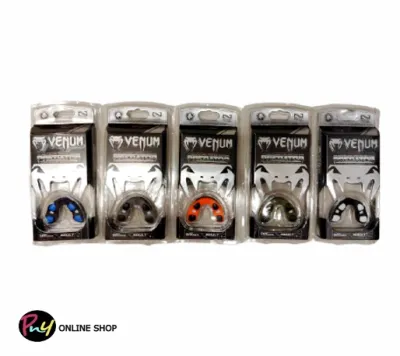
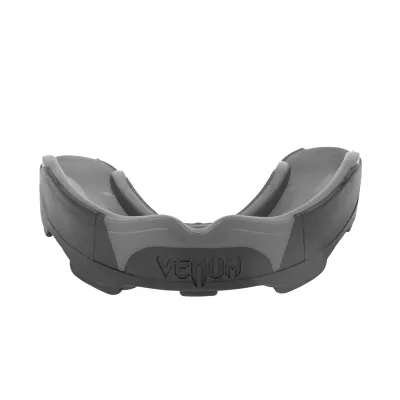
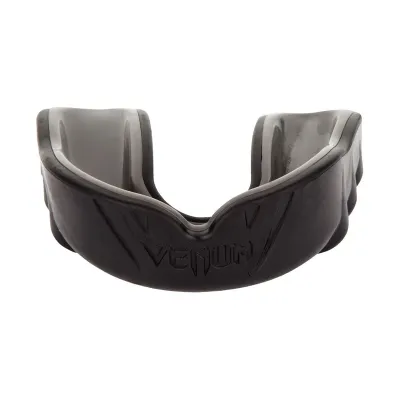
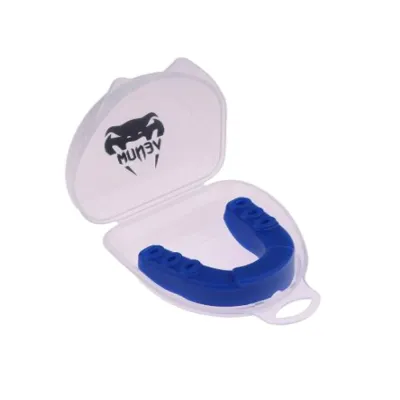
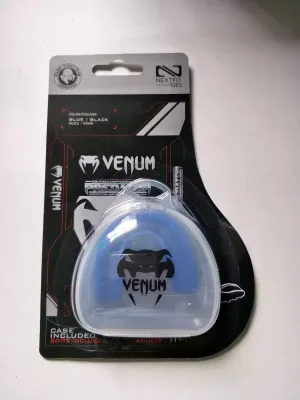
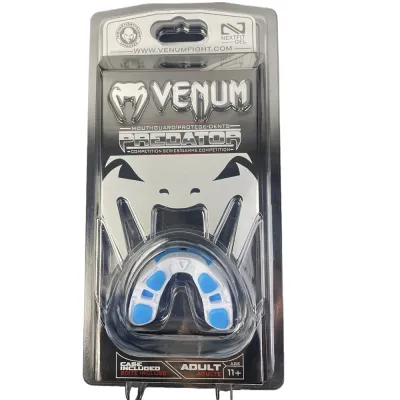
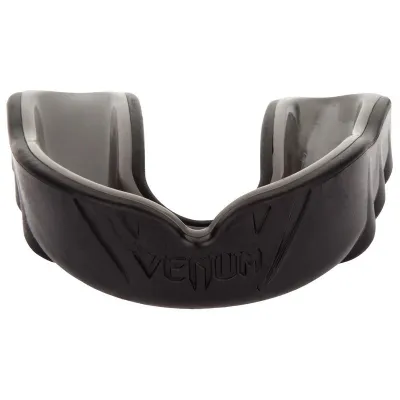
Prices are valid at publication and may change. Please refer to the product page for the latest price.
Recognizing when your current mouth guard is no longer up to the task is crucial for maintaining safety. Observable signs of an inadequate guard include persistent jaw fatigue after training, which often indicates that the material is too thin to absorb standard impact forces. If the guard slips out of place when you open your mouth to breathe, or if you find yourself constantly biting down just to keep it secured, the fit is compromised. Furthermore, in hot and humid tropical gym environments, a poorly designed guard that restricts airflow can accelerate fatigue, making it difficult to maintain your stamina during long rounds.
Regardless of your discipline, a baseline safety rule must guide your gear selection: any training session that involves head contact or unpredictable partner interaction requires a properly fitted, discipline-appropriate mouth guard. Relying on a worn-out or low-grade guard during active sparring is a safety compromise that can lead to painful and expensive dental emergencies. Investing in a guard that matches your actual training intensity is a fundamental aspect of responsible training.
Comparing Venum Mouth Guard Models by Training Level
Venum has structured its protective gear lineup into distinct tiers to accommodate practitioners from their very first day in the gym to professional competition. This hierarchy allows athletes to select a model that aligns with their budget, training frequency, and safety requirements. By categorizing their offerings into entry-level, mid-tier, and advanced options, the brand provides clear pathways for progression as your skills and sparring intensity develop.

While the general product lines are well-established, it is essential to verify the specific model names, material layers, and protection ratings on the manufacturer’s official specifications before making a purchase. Product designs and material formulations can be updated, so checking the latest official product details ensures you receive the exact level of protection you expect. Understanding how these tiers differ helps you make an informed decision based on your specific athletic needs.
Entry-Level Models for Beginners and Light Technical Work
For those who are new to combat sports or primarily participate in fitness-oriented martial arts classes, entry-level models like the Venum Challenger line offer an accessible starting point. These guards are engineered to provide basic impact dispersion and a comfortable fit without the complexity of multi-layered professional designs. They are highly suitable for non-contact training, light technical drills, and fitness boxing where the primary goal is to prevent accidental dental contact rather than absorbing heavy, direct strikes.
Most entry-level models utilize a standard gel-fit design combined with a basic boil-and-bite molding process. This construction allows the guard to soften in hot water, enabling you to mold it to the unique shape of your teeth for a secure, personalized fit. The gel inner frame conforms relatively well to the dental arch, offering a level of comfort that encourages consistent use among beginners who may not be accustomed to wearing oral protection.
However, these entry-level options have distinct limitations that make them unsuitable for regular, hard sparring. The single-layer or basic dual-layer construction lacks the dense shock-absorbing compounds required to disperse high-velocity impacts. Under heavy force, the material can compress completely, allowing the impact energy to transfer directly to the teeth and jaw. If your training routine begins to include regular sparring sessions with partners who strike with significant power, transitioning to a more robust model is highly recommended.
Mid-Tier Models for Intermediate and Regular Sparring
Intermediate practitioners who engage in regular partner drills and moderate sparring require a higher level of structural integrity, which is where mid-tier models like the Venum Predator line become essential. These guards represent a significant step up in protective capability, utilizing advanced materials designed to handle repeated, moderate impacts. They are built for athletes who have moved past basic technique drills and are actively testing their skills against resisting opponents.
The primary upgrade in this tier is the integration of high-density rubber frames and multi-layered construction. This design allows the outer chassis of the guard to absorb the initial shock of a strike, while the inner gel layer disperses the remaining energy away from the point of impact. This dual-layer system significantly reduces the force transmitted to the jaw, offering superior protection against dental trauma and reducing the likelihood of painful lip and cheek lacerations.
In addition to enhanced protection, mid-tier models feature improved ergonomic designs that facilitate better breathing and communication. When sparring active rounds, the ability to inhale deeply without the guard shifting or blocking your airway is critical for performance and safety. These models are shaped to lock securely onto the upper teeth, allowing you to speak to your coach or training partner and breathe comfortably through your mouth even when your jaw is closed.
Intermediate practitioners should consider upgrading to this tier as soon as their training involves weekly sparring or high-intensity drilling. If you find that your entry-level guard feels thin when absorbing punches, or if you are struggling to catch your breath during intense exchanges, these are clear indicators that your gear needs an upgrade. The added structural support of a mid-tier guard provides the confidence needed to focus entirely on your technique.
Advanced Models for Heavy Sparring and Competition
For advanced martial artists, competitive fighters, and those who participate in heavy sparring sessions, top-tier models like the Venum Elite line are the standard choice. These premium mouth guards are engineered for maximum impact protection under extreme conditions, where the force of strikes is at its peak. They are designed to meet the rigorous demands of professional athletes who require uncompromised safety during daily, high-intensity training.
The hallmark of advanced models is their sophisticated multi-layer construction, which often combines a high-density rubber frame, a specialized gel-fit window, and an integrated shock-absorption matrix. This complex layering system is designed to distribute the force of direct frontal and upward jaw impacts across a much wider surface area. By minimizing localized pressure, these guards provide the highest level of defense against severe dental fractures and joint strain.
Beyond raw impact resistance, advanced guards incorporate specialized features tailored for intense clinch work, wrestling, and grappling exchanges. These designs often include low-profile shapes that minimize bulk in the mouth, reducing the gag reflex and allowing for natural jaw positioning. Optimized breathing channels are built directly into the underside of the guard, ensuring a continuous flow of oxygen even when your teeth are clenched tightly during a heavy exchange or submission attempt.
If you are preparing for an amateur or professional bout, it is vital to check the official competition regulations of your sanctioning body regarding mouth guard specifications. Some organizations have strict rules governing permitted colors, visible logos, and material thicknesses. Ensuring your advanced guard complies with these standards before fight day prevents last-minute gear changes that could disrupt your focus and compromise your safety in the ring.
Key Features to Verify Before You Buy
When selecting a mouth guard, evaluating specific material and structural features is essential to ensure you get the protection and performance you need. Rather than relying solely on brand names, look closely at the product specifications to verify the quality of the construction. A high-quality guard should feature medical-grade materials that are free from harmful chemicals like BPA, phthalates, and latex, ensuring safety during prolonged contact with oral tissues.
Airflow and communication features are equally critical, especially when training in warm, humid climates where physical exertion feels more taxing. Look for guards designed with dedicated breathing channels or a low-profile front section that allows air to pass freely even when your jaw is closed. A guard that forces you to open your mouth constantly to breathe not only increases fatigue but also leaves your jaw vulnerable to injury, as an open mouth is far more susceptible to dislocation or fracture upon impact.
Authenticity is another crucial factor to consider when purchasing protective gear. Due to the popularity of premium combat sports brands, counterfeit mouth guards are common on unauthorized online marketplaces. These fake products often use cheap, industrial-grade plastics that do not mold correctly, offer virtually no shock absorption, and may leach harmful chemicals. To guarantee your safety, always purchase your gear directly from the brand’s official website or authorized local sporting goods retailers.
When shopping in the Philippines, expect authentic entry-level Venum models to start around ₱1,000, while mid-tier and advanced models generally range from ₱1,500 to ₱2,500 or more depending on the specific technology and design. If you encounter listings on local ecommerce platforms priced significantly below these standard ranges, treat them with extreme caution, as they are highly likely to be counterfeit products that compromise your safety.
How to Properly Fit and Maintain Your Mouth Guard
Achieving a precise fit is absolutely vital for a mouth guard to perform its protective function. A loose guard will not distribute impact forces correctly and can easily dislodge during a scramble or after a clean strike. Most Venum models utilize a boil-and-bite fitting system, which requires careful preparation to achieve a custom mold. Always read and follow the exact time and temperature instructions provided inside your specific product’s packaging, as different material blends require different water temperatures and immersion times to soften without melting.
Generally, the fitting process involves submerging the guard in hot water for a specified number of seconds, cooling it briefly in cold water so it does not burn your gums, and then placing it over your upper teeth. Use your fingers and tongue to press the guard firmly against your teeth and gums while biting down gently. Avoid biting through the material, as this will thin out the protective barrier under your teeth. Once molded, submerge the guard in ice-cold water to set the shape permanently.
Proper daily maintenance is essential to keep your guard hygienic and extend its lifespan, particularly in humid tropical environments where bacteria and mold thrive. After every training session, rinse your mouth guard thoroughly with cool water or a mild, non-abrasive antibacterial soap. Avoid using hot water for cleaning, as this can warp the custom mold. Gently brush the guard with a soft-bristled toothbrush to remove any saliva buildup, and allow it to air-dry completely before storing it.
Always store your dry mouth guard in a clean, well-ventilated protective case. A sealed case without ventilation holes traps moisture, creating an ideal breeding ground for bacteria, mold, and unpleasant odors. Keep the storage case in a cool place away from direct sunlight, as extreme heat—such as leaving your gear bag inside a hot car—can deform the plastic and ruin the custom fit.
Finally, be aware of the clear indicators that tell you it is time to replace your mouth guard. Over time, constant biting, impact, and exposure to saliva will degrade the materials. Inspect your guard regularly for visible tearing, thin spots, chewing damage, or a loose fit that can no longer be corrected by re-boiling. If the guard develops a persistent, unpleasant odor or taste despite thorough cleaning, discard it immediately and invest in a new one to ensure your health and safety remain protected.
Frequently Asked Questions (FAQ)
Can I use a standard Venum mouth guard if I have braces?
Standard boil-and-bite mouth guards are not suitable or safe for individuals undergoing orthodontic treatment with traditional braces. When you mold a standard guard, the warm material conforms tightly around the brackets and wires, which can damage your orthodontic appliances or even pull them loose when you attempt to remove the guard. Additionally, because your teeth are constantly shifting during orthodontic treatment, a tightly molded standard guard will quickly become uncomfortable and restrict the necessary movement of your teeth. If you wear braces, you should look for specialized orthodontic-compatible mouth guards made from medical-grade silicone that fit comfortably over brackets without requiring hot-water molding, or consult your orthodontist to have a custom-fitted guard fabricated for your specific treatment plan.
Should I choose a single or double mouth guard for Muay Thai or MMA?
For most practitioners of Muay Thai and MMA, a single (upper-arch) mouth guard is the preferred choice due to the significant advantages it offers in breathing efficiency and communication. A single guard locks securely onto your upper teeth, leaving your lower jaw free to move, which allows you to inhale large volumes of air easily during high-intensity rounds and communicate clearly with your coach or sparring partners. While double mouth guards provide coverage for both the upper and lower teeth, they feature only small breathing holes in the center, which can severely restrict airflow when you are fatigued and make speaking almost impossible. Unless you have a specific dental condition or a direct recommendation from a specialist requiring dual-arch protection, a high-quality single guard combined with keeping your jaw clenched during impact offers the best balance of safety, comfort, and athletic performance.
Community discussion
Share your experience or ask a question. Comments are reviewed before publication.