
Selecting the right running gear can transform a grueling, sweaty workout into an enjoyable, high-performance run. When searching for the ideal waterfly bag, your choice hinges on a balance between your target running distance, the amount of gear you need to carry, and how you plan to stay hydrated. A bag that is too small will force you to leave behind essential safety gear or hydration, while an oversized pack can cause unnecessary bounce, chafing, and heat retention.
In tropical climates, these decisions carry even greater weight. Carrying water and nutrition securely without trapping excess body heat is a constant challenge for local runners. By understanding how different bag designs distribute weight and manage moisture, you can select a model that keeps you comfortable from short morning road runs to demanding weekend trail sessions.
Assess Your Running Needs: Distance, Hydration, and Gear Load
Before browsing specific models, you must evaluate the unique demands of your typical running routine. Your gear requirements change dramatically as you transition from a quick 5K road run to a multi-hour trail session. The three primary variables to calculate are your average running duration, the volume of fluids your body requires, and the physical size of the items you cannot leave behind.
Products mentioned in this guide
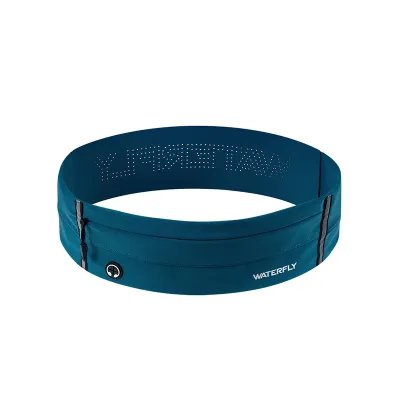
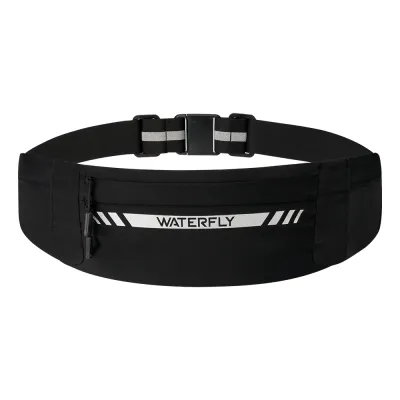
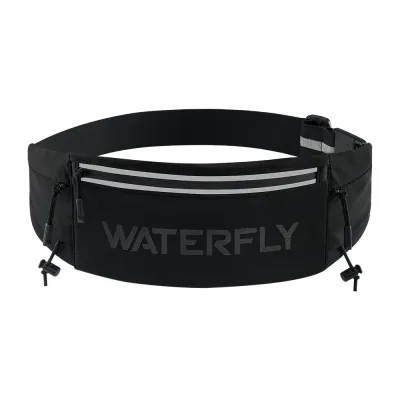
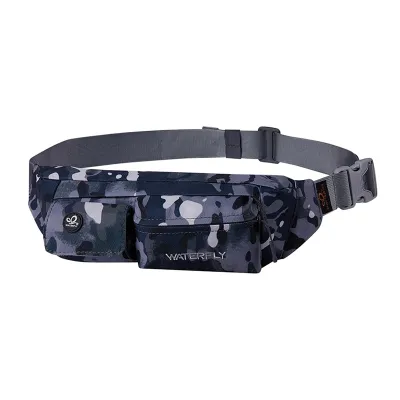
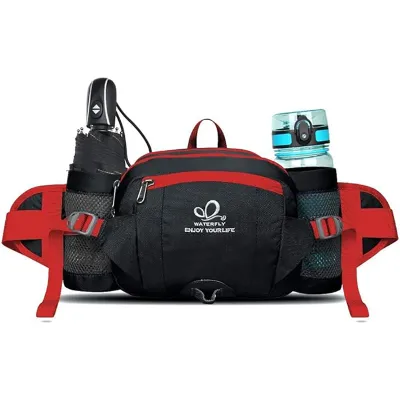
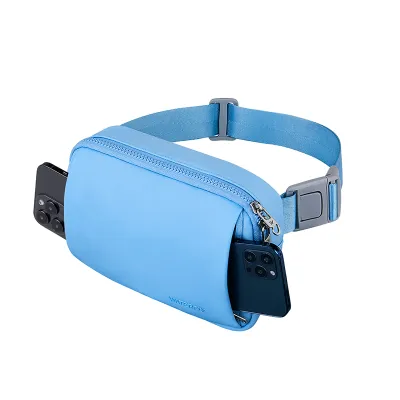
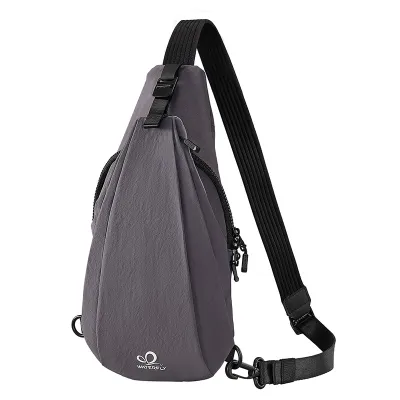
Prices are valid at publication and may change. Please refer to the product page for the latest price.
Running distance directly dictates your time on the road or trail, which in turn determines your nutritional and hydration needs. For runs lasting under an hour, your body’s glycogen stores are usually sufficient, and a minimal hydration setup is often adequate. Once your runs exceed 75 to 90 minutes, carrying energy gels, salt tablets, and a steady supply of water becomes non-negotiable to prevent cramping and exhaustion.
Hydration volume is heavily influenced by environmental conditions, particularly in the tropical climate of the Philippines. High relative humidity prevents sweat from evaporating efficiently, which can cause your body temperature to rise rapidly and increase your overall sweat rate. Runners training in local conditions often need to consume more fluids per hour than those in cooler climates, meaning your choice of bag must accommodate realistic water volumes—whether through soft flasks, a dedicated hydration bladder, or handheld bottle sleeves.
Your gear load includes everything from your smartphone and keys to emergency items like a lightweight windbreaker or a small first-aid kit. If you primarily run on well-lit urban paths in Bonifacio Global City or UP Diliman, your gear list might be limited to a phone, an ID, and a car key. However, if you venture onto remote trails in Timberland or Nuvali, you must carry safety essentials, navigation tools, and extra nutrition, requiring a bag with secure, organized compartments.
To help clarify your needs, review this quick self-assessment checklist before choosing a bag style:
- Run Duration: Are your runs typically under 60 minutes, or do they regularly extend past two hours?
- Hydration Strategy: Do you prefer carrying water on your chest, around your waist, or in a back bladder?
- Weather Readiness: Do you need space for a water-resistant layer to protect against sudden tropical downpours?
- Gear Essentials: Are you carrying only a smartphone and keys, or do you need to pack energy gels, salt capsules, and personal medication?
Choosing the Right Waterfly Bag: Vests, Belts, and Waist Packs
Selecting a waterfly bag requires matching your self-assessment to one of the three primary design categories: hydration vests, running belts, or lumbar waist packs. Each category offers distinct advantages in how it distributes weight, manages heat, and allows access to your gear while you are in motion.

Hydration Vests
Hydration vests are designed to fit snugly against your upper torso, resembling a sleeveless garment rather than a traditional backpack. This high-riding design distributes weight evenly across your shoulders and back, which minimizes bouncing even when the pack is fully loaded. Vests typically feature front-facing pockets on the chest straps, allowing you to grab soft flasks, energy gels, or your phone without slowing down or removing the pack. Because they cover a larger portion of your back and chest, look for models constructed with highly breathable, open-weave mesh to help manage heat buildup in warm weather.
Running Belts
Running belts represent the minimalist end of the spectrum, wrapping snugly around your hips or waist to carry only the bare essentials. Because they have an incredibly small surface area, they maximize skin exposure to the air, making them exceptionally cool and comfortable for hot, humid runs. A high-quality belt sits low on the pelvis to prevent riding up toward your stomach, keeping your center of gravity natural and undisturbed. While they offer limited storage capacity, they are ideal for carrying a modern smartphone, a house key, and perhaps a single soft flask or energy gel.
Waist Packs and Lumbar Packs
Waist packs, often referred to as lumbar packs, occupy the middle ground between belts and vests. They feature a wider, more structured band than a simple running belt and position the main storage compartment directly over your lower back or hip. This placement keeps your upper body completely free of straps, allowing for maximum chest expansion and shoulder mobility. Lumbar packs frequently include dedicated, angled bottle holders that make it easy to reach behind and grab a rigid water bottle while running. They provide enough space for moderate gear loads without the thermal insulation of a full vest.
To visualize how these three categories compare across key performance dimensions, refer to the table below:
| Bag Type | Weight Distribution | Bounce Resistance | Heat Retention | Best For |
|---|---|---|---|---|
| Running Belt | Low (hips only) | High (when sized correctly) | Very Low | Short road runs, track workouts, minimal gear |
| Waist Pack | Medium (lower back) | Moderate to High | Low | Medium-distance road runs, light trail runs |
| Hydration Vest | High (shoulders & chest) | Very High | Medium to High | Long runs, marathons, self-sustained trail runs |
Match the Bag to Your Running Distance and Duration
Now that you understand the primary characteristics of each bag type, you can align them with specific running scenarios and distances. Selecting the correct capacity prevents you from carrying unnecessary bulk on short speed sessions or running out of supplies during long endurance efforts.
Short Distances and Daily Training (5K–10K)
For runs under an hour, your primary goal is to remain as light and unrestricted as possible. A running belt or a compact waist pack is the ideal companion for these daily training sessions. At this distance, carrying heavy volumes of water is rarely necessary, provided you hydrate adequately before and after your run.
Your main storage priority during a short run is secure item management. Modern smartphones are relatively large and heavy; if left loose in a pocket, they will bounce uncomfortably and disrupt your stride. A snug-fitting running belt with an elastic, zippered pocket holds your phone flat against your body, protecting it from movement and reducing the risk of accidental drops. Additionally, look for belts that feature internal key clips or separate small pockets to prevent your keys from scratching your phone screen.
If you are running in extreme tropical heat or during the hottest part of the day, even a short 5K might require some hydration. In these scenarios, a running belt that accommodates a small, flexible 250ml soft flask is an excellent compromise. This setup provides just enough water to wet your mouth and throat without adding the bulk or weight of a larger bottle, keeping your run comfortable and efficient.
Long Distances, Marathons, and Trail Runs
When your training runs or races extend past 90 minutes, your gear and hydration requirements increase exponentially. For these long-distance road runs, marathons, and trail adventures, a hydration vest or a high-capacity lumbar pack becomes an essential piece of safety equipment. These bags allow you to carry the large volumes of water and nutrition required to sustain prolonged physical effort.
In long-distance scenarios, you must carry a variety of items to manage your energy levels and adapt to changing conditions. This includes multiple energy gels, electrolyte capsules, chewable tablets, and potentially a lightweight, packable windbreaker to protect against sudden wind or rain on exposed trail ridges. A hydration vest excels here, offering multiple dedicated pockets that keep your nutrition organized and easily accessible so you do not have to stop running to refuel.
Proper weight distribution is critical when carrying heavier loads over several hours. A poorly distributed load will pull on your shoulders or bounce against your lower back, leading to premature fatigue, muscle soreness, and painful skin chafing. Hydration vests solve this by wrapping securely around your torso, utilizing adjustable sternum straps to keep the load perfectly centered and stable. This snug fit minimizes friction against your clothing, which is vital for preventing painful chafing in hot, sweaty conditions.
Key Fit and Feature Checks Before You Buy
Before finalizing your purchase of a Waterfly bag, you should evaluate several practical design features to ensure the product fits your body and matches your running style. Taking the time to verify these details will prevent discomfort and ensure your gear performs reliably on the road or trail.
- Fit and Adjustability: A running bag must fit your body precisely to prevent bouncing and chafing while you are in motion. When choosing a hydration vest, pay close attention to the manufacturer's sizing charts, which are typically based on chest or torso circumference rather than standard clothing sizes. For running belts and waist packs, measure your hips at the widest point where the belt will actually sit, rather than your natural waistline. Look for bags that offer multiple points of adjustment, such as dual elastic sternum straps on vests or adjustable tension buckles on waist packs, allowing you to fine-tune the fit as your gear volume changes during a run.
- Breathability and Chafing Prevention: In humid, tropical environments, heat dissipation is a primary concern for any runner. Inspect the inner lining of the bag—especially the areas that make direct contact with your shoulders, back, or waist—for lightweight, open-mesh fabrics that promote airflow. The edges of the straps should be soft and bound with smooth, non-abrasive piping to prevent friction against your neck and underarms. If you frequently run in sleeveless tops or singlets, testing the bag's fit against bare skin or thin fabrics is highly recommended to ensure there are no rough seams that could cause chafing over long distances.
- Accessibility and Pocket Layout: The layout of a bag's pockets directly impacts how easily you can access your gear while running. For hydration vests, check that the front chest pockets are deep enough to hold your specific phone model and that the closures (zippers, bungee cords, or envelopes) are easy to operate with sweaty fingers. For waist packs, ensure that you can easily reach the water bottle holster and slide the bottle back in without having to loosen the belt or twist the pack around. Having quick, intuitive access to your nutrition and hydration helps you maintain your running rhythm and focus on the path ahead.
- Hydration Compatibility: Different runners prefer different hydration systems, so it is crucial to verify that your chosen bag supports your preferred method. If you prefer using a hydration bladder, check that the vest has a dedicated rear sleeve, secure suspension hooks to keep the bladder upright, and routing loops for the drinking tube. If you prefer soft flasks, ensure the front chest pockets are designed to compress and hold flasks securely without letting them slip down as they empty. For waist packs, confirm whether the bottle holster is designed for standard rigid sports bottles or if it is optimized for flexible flasks.
Frequently Asked Questions (FAQ)
How do I clean a Waterfly hydration vest after a sweaty run?
To clean your Waterfly hydration vest, always start by checking the specific care label attached to the product for any manufacturer-specific instructions. Hand-washing is the safest and most effective method to preserve the integrity of the technical fabrics, elastic straps, and reflective elements. Submerge the vest in cool water mixed with a small amount of mild, sport-specific detergent, and gently agitate it by hand to remove sweat, salt, and dirt. Avoid using bleach, fabric softeners, or harsh chemical cleaners, as these can degrade the water-resistant coatings and damage the elastic fibers. Once clean, rinse the vest thoroughly with cold water, gently squeeze out the excess moisture without wringing, and hang it to air-dry in a well-ventilated area away from direct sunlight. Do not place the vest in a mechanical clothes dryer, as the high heat can warp plastic buckles and melt synthetic adhesives.
Can I use a running waist pack for hiking?
Yes, you can use a running waist pack for short, casual hikes where you only need to carry basic essentials like your phone, keys, a small snack, and a single water bottle. However, running waist packs are designed specifically for lightweight, low-profile loads and lack the structural support, frame, and overall capacity required for longer or more demanding day hikes. If you attempt to overload a running pack with heavy hiking gear, extra clothing layers, or large volumes of water, it will likely sag, bounce uncomfortably, and cause strain on your lower back. For full-day hikes, challenging terrain, or situations where you must carry safety gear and navigation equipment, it is highly recommended to switch to a dedicated hiking daypack designed to distribute heavier loads comfortably across your shoulders and hips.
Community discussion
Share your experience or ask a question. Comments are reviewed before publication.