
To determine which weight plates you need, you must first look at your barbell. The absolute foundation of compatibility is matching the hole in the center of the plate to the diameter of your barbell’s loading sleeves. If these measurements do not align, the plates will either fail to slide onto the bar or slide around loosely, creating an immediate safety hazard. Once compatibility is established, your training style—whether you perform explosive Olympic lifts or slow, controlled powerlifts—dictates whether you should invest in shock-absorbing bumper plates or space-saving iron plates.
Quick Diagnostic: Matching Weight Plates to Your Barbell
Before browsing local online marketplaces or fitness distributors, you must establish a clear compatibility profile. The most critical rule of strength equipment is that the inner diameter of your weight plates must match the outer diameter of your barbell sleeves. Attempting to mix mismatched sizes can lead to unstable loads, damaged barbell sleeves, and catastrophic slips during a lift.
Beyond physical fit, your training environment and exercise selection determine the ideal plate material. If your workouts involve dropping the barbell from overhead or shoulder height, rubber bumper plates are essential to protect your equipment and flooring. Conversely, if you focus on controlled movements like squats or bench presses where the bar is always returned gently to a rack, traditional iron plates offer a more compact and cost-effective solution. By following a systematic diagnostic process, you can verify your barbell specifications and select the exact plates weights required for a safe, productive workout.
Products mentioned in this guide
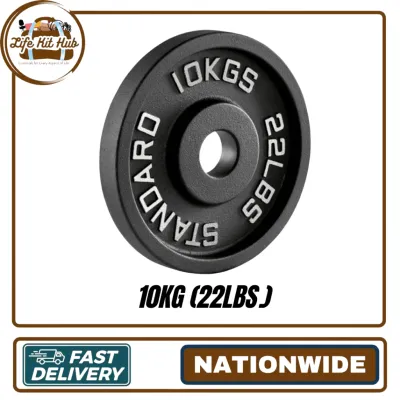
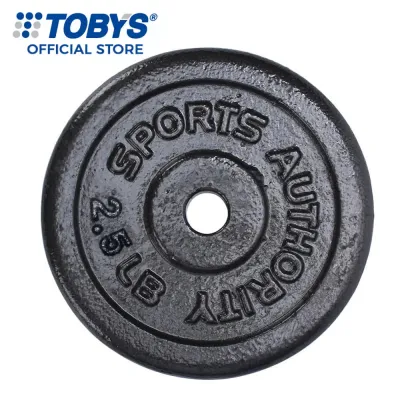
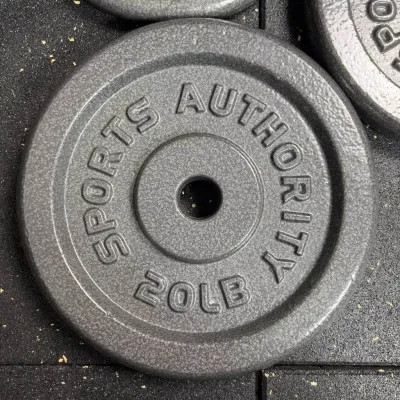
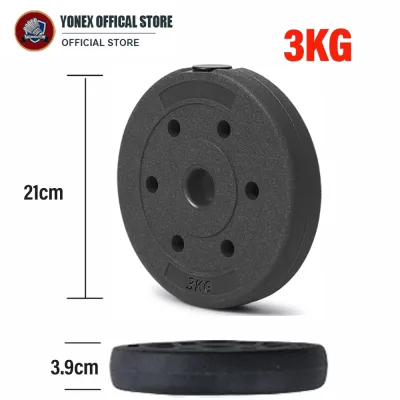
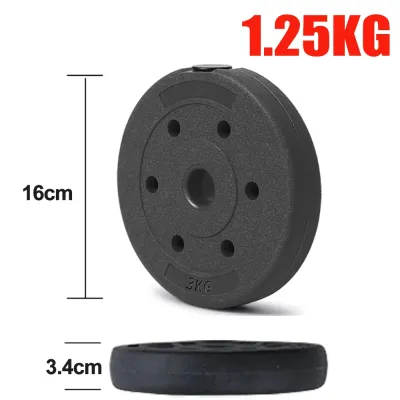
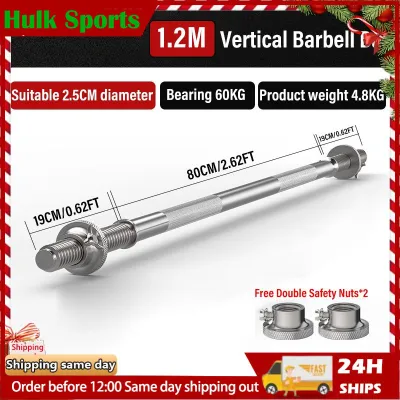
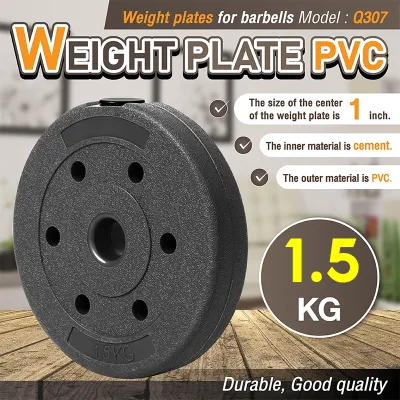
Prices are valid at publication and may change. Please refer to the product page for the latest price.
Step 1: Measure Your Barbell Sleeve Diameter
The first physical step in your selection process is to measure the sleeve of your barbell, which is the smooth or textured end section where the plates are loaded. To get an accurate reading, use a slide caliper or a standard ruler to measure the distance straight across the circular end of the sleeve. If you do not have the bar on hand, you can check the original manufacturer specifications online to confirm the exact dimensions.

Standard barbells typically feature a sleeve diameter of 1 inch, which is approximately 25 millimeters. These bars are commonly found in entry-level home gym packages, compact spaces, and general fitness setups. Standard bars are generally lighter, less rigid, and designed for moderate weight capacities. Because the sleeves do not rotate, they are best suited for slow, controlled movements where rotational torque on the wrists is minimal.
Olympic barbells feature a sleeve diameter of 2 inches, which is approximately 50 millimeters. This is the global standard for competitive lifting, commercial gyms, and serious strength training. Olympic sleeves are equipped with bearings or bushings that allow the ends to rotate independently of the shaft. This rotation reduces rotational inertia during dynamic movements, protecting your wrists and elbows from strain.
Never attempt to force a standard 1-inch plate onto a 2-inch Olympic sleeve, as it physically will not fit. Conversely, placing a 2-inch Olympic plate onto a 1-inch standard bar creates a highly unstable gap. The plate will wobble, shift during movement, and easily slide past standard collars, risking severe injury. If your physical measurements are inconclusive, always verify the model number with the manufacturer before purchasing any plates weights.
Step 2: Select Plate Material for Your Training Style
Once you have identified your barbell’s sleeve size, you must choose a plate material that aligns with your specific training goals. Weight plates are generally divided into two primary categories: rubber-coated bumper plates and traditional metal plates made of cast iron or steel. Each material has distinct physical properties, thickness profiles, and structural limitations that directly impact how you lift.
The thickness of a plate determines how much total weight you can fit onto your barbell sleeve. Thinner plates allow you to stack more weight close to the center of the bar, which keeps the load stable and prevents the bar from bending excessively under heavy loads. Thicker plates, while safer for dropping, take up valuable sleeve space and may limit your maximum lifting capacity as you progress.
Bumper Plates for Dynamic and Olympic Lifting
Bumper plates are constructed from high-density vulcanized rubber or urethane surrounding a central steel core. Their primary design purpose is to absorb the high-impact force of a loaded barbell being dropped directly onto the ground from overhead or shoulder height. This shock absorption protects the barbell shaft, the internal sleeve bearings, and the underlying floor from structural damage.
These plates are the standard choice for Olympic weightlifting, high-intensity functional fitness, and dynamic athletic training. Because movements like the clean and jerk or the snatch often end with dropping the bar, bumper plates are non-negotiable for safety. They all share a uniform outer diameter regardless of weight, which ensures that the barbell sits at a consistent height off the floor during deadlifts and pulls.
However, bumper plates are significantly thicker than metal plates. A single heavy bumper plate can take up two to three times the sleeve space of an equivalent iron plate. This thickness limits the total amount of weight you can load onto a standard barbell sleeve. Additionally, rubber plates can exhibit a noticeable bounce when dropped, requiring you to stay alert and control the bar as it settles.
Iron and Steel Plates for Powerlifting and General Strength
Traditional cast iron and machined steel plates are designed to maximize weight density. Because metal is much denser than rubber, these plates feature an incredibly thin profile. This slim design allows you to load a massive amount of weight onto the barbell sleeve, keeping the center of gravity tight and minimizing bar whip during heavy lifts.
Iron plates are ideal for powerlifting, bodybuilding, and general strength training where exercises like squats, bench presses, and overhead presses are performed in a controlled manner. Since the barbell is returned to a rack or lowered gently to the floor, there is no need for the impact-absorbing qualities of rubber. The classic clanging sound of metal plates is also highly favored by traditional lifters.
The primary limitation of iron plates is that they are absolutely not designed to be dropped. Dropping cast iron can cause the plates to crack, bend your barbell sleeves, and shatter concrete floors. They are also highly susceptible to rust, especially in humid tropical environments like the Philippines, where garage gyms are exposed to high moisture levels. Regular maintenance and proper storage are required to keep them in good condition.
Step 3: Factor in Your Workout Environment and Floor Protection
Your physical training space plays a massive role in determining which plates weights are practical for your daily routine. In the Philippines, many home fitness enthusiasts set up their training spaces in carports, open-air garages, or spare rooms with tiled or concrete floors. These surfaces are highly vulnerable to cracking under the stress of heavy metal plates.
If you are training in a shared living space, an apartment, or a residential neighborhood, noise reduction is a critical factor. The loud clanking of iron plates can easily disturb family members or neighbors. In these environments, rubber-coated plates or bumper plates are highly preferred because they muffle the sound of metal-on-metal contact and dampen the vibrations transmitted through the floor.
Regardless of the plate material you choose, proper floor protection is essential for any home gym setup. If you are using iron plates, you must pair them with heavy-duty rubber gym mats or a dedicated lifting platform. Standard yoga mats or thin interlocking foam tiles do not provide sufficient cushioning to protect concrete or ceramic tiles from the localized impact of a heavy barbell.
Final Checklist: Building Your Weight Plate Setup
To finalize your weight plate purchase and build a safe, effective lifting setup, use this structured decision matrix to verify your choices:
- Verify Barbell Sleeve Size: Confirm whether your barbell requires 1-inch standard plates or 2-inch Olympic plates by measuring the sleeve diameter.
- Define Primary Lifts: Choose bumper plates if you plan to perform Olympic lifts or dynamic movements that require dropping the bar. Opt for iron or steel plates if you focus on controlled powerlifts or bodybuilding.
- Assess Floor Protection: Ensure you have adequate rubber matting or a lifting platform, especially if you are using iron plates on concrete or tiled floors.
- Plan Progressive Overload: Acquire a pair of small fractional plates to allow for small, incremental weight jumps as your strength improves.
- Check Manufacturer Warranties: Review your barbell's user manual to confirm its maximum weight capacity and whether dropping the bar voids the warranty.
Frequently Asked Questions (FAQ)
Can I use 1-inch standard plates on a 2-inch Olympic bar?
You cannot directly slide a standard 1-inch plate onto a 2-inch Olympic barbell sleeve because the hole in the plate is physically too small. While some specialty adapters exist to convert 1-inch bars to accept 2-inch plates, there is no safe way to modify a 1-inch plate to fit a larger 2-inch sleeve. Attempting to drill out or alter metal plates compromises their structural integrity and balance. For a secure, stable, and safe lifting experience, always match your plates to the native sleeve size of your barbell.
Do I need calibrated weight plates for my home gym?
Calibrated weight plates are machined to extremely tight tolerances, ensuring that the actual weight of the plate is within a few grams of its stated face value. While these plates are essential for competitive powerlifting meets where every gram counts, they are generally unnecessary and cost-prohibitive for a standard home gym. Standard commercial plates weights typically have a weight tolerance of around two to five percent, which is perfectly acceptable for general fitness, bodybuilding, and progressive strength training.
Community discussion
Share your experience or ask a question. Comments are reviewed before publication.