
Selecting the right Wilson Clash tennis racket depends on matching your physical strength, swing speed, and tactical style to the specific frame weight and head size that best supports your development. Known for its distinct combination of flexibility and stability, this racket family offers several variations designed to accommodate different player profiles. To find your ideal match, you must look beyond the marketing descriptions and evaluate how each model’s physical specifications align with your on-court needs, especially when playing in demanding tropical climates where humidity and heat can accelerate physical fatigue.
Understanding the Wilson Clash Naming Convention
To navigate the diverse options within this racket family, you must first understand how the manufacturer categorizes its models. The numbers and letters printed on the frame are not arbitrary; they represent critical physical dimensions that directly influence how the racket behaves when making contact with the ball.
The primary number in the model name, such as 100 or 98, indicates the head size of the racket in square inches. A larger head size, like the 100-square-inch variant, provides a more generous sweet spot. This design is highly forgiving on off-center hits, making it easier to maintain depth and power even when your timing is slightly off. Conversely, a smaller head size, such as the 98-square-inch variant, offers a more concentrated sweet spot. While this requires more precise swing mechanics and cleaner contact, it rewards the player with significantly greater directional control and feedback.
Products mentioned in this guide
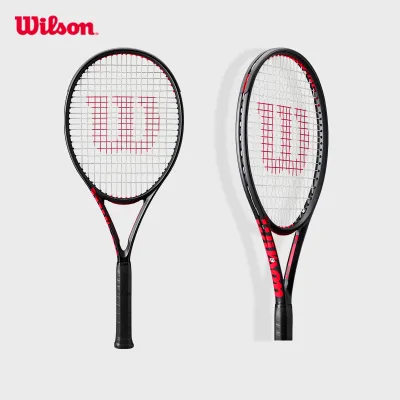
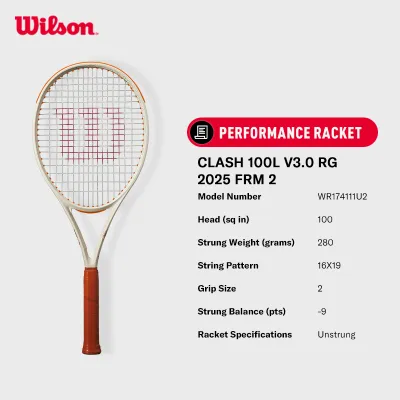


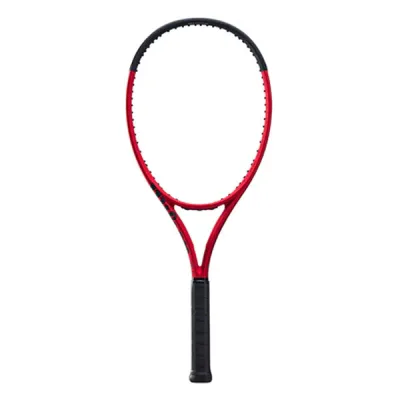
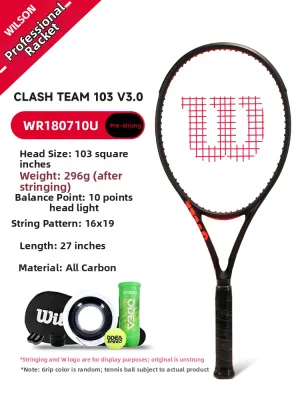
Prices are valid at publication and may change. Please refer to the product page for the latest price.
Letter modifiers such as “L” (Light) and “UL” (Ultra Light) indicate a reduction in the racket’s static weight compared to the standard version. These lighter variations are engineered to reduce the physical strain on your arm, making them easier to swing repeatedly over long sessions. When evaluating these options, always check the manufacturer’s official specification sheet for the exact unstrung weight, which is typically measured in grams, as well as the balance point. A head-light balance allows for quicker racket head speed and better maneuverability, while an even or slightly head-heavy balance helps generate power from the baseline.
Matching Racket Variants to Your Skill Level
Your current experience level and physical conditioning should dictate the weight and size of the racket you choose. Selecting a frame that is too heavy or demanding can hinder your skill development and increase the risk of strain-related injuries.

For beginners and junior players transitioning to adult frames, prioritizing maneuverability and ease of use is essential. In hot and humid environments, such as outdoor courts in the Philippines, heavy equipment can quickly exhaust your forearm and shoulder muscles. This fatigue often leads to compromised form and increased vulnerability to tennis elbow. Opting for lighter frames, such as the UL or L variants, allows developing players to focus on mastering clean stroke mechanics and consistent footwork without fighting the weight of the racket.
Intermediate players who have established consistent swing paths but are still refining their depth and spin control generally benefit from standard-weight models. A standard 100-square-inch frame, typically weighing around 295 to 300 grams unstrung, offers an excellent balance of power, stability, and control. This weight class provides enough mass to handle fast incoming balls without feeling overly sluggish during long rallies.
Advanced players with fast, fully developed swing styles often prefer heavier, control-oriented frames. A heavier racket, such as the 98-square-inch model or the heavier iterations of the 100-square-inch frame, provides the stability needed to redirect powerful shots and drive the ball deep into the opponent’s court. However, these frames require excellent physical conditioning and clean technique to swing effectively over multiple sets. Before making a final decision, it is highly beneficial to test the swing weight—how heavy the racket feels during an actual stroke—rather than relying solely on static weight measurements.
Aligning Your Playing Style with the Right Model
Your tactical approach on the court—whether you prefer dominating from the baseline or rushing the net—should heavily influence which model you select. The physical characteristics of each variant support different stroke mechanics and strategic goals.
Baseline players who rely on heavy topspin and deep groundstrokes to wear down opponents will find the larger 100-square-inch head size highly advantageous. The open string pattern and larger surface area facilitate excellent ball pocketing and spin generation. To optimize this setup, baseline players often pair the flexible frame with a slightly stiffer string, such as a co-polyester, which helps control the ball’s trajectory during fast, aggressive swings.
All-court players and net specialists who value precision, touch, and quick reactions usually prefer smaller head sizes or highly maneuverable mid-weight frames. A smaller head size, like the 98, provides the crisp feedback and directional accuracy needed for delicate drop shots, sharp-angled volleys, and precise serves. The reduced wind resistance of a smaller frame also allows for faster positioning during rapid exchanges at the net.
Because of the inherent flexibility of this racket family, your choice of string type and tension is critical. Lower string tensions, ranging from 48 to 52 pounds, enhance the soft, cushioned feel of the frame and provide extra depth. Higher tensions, ranging from 53 to 58 pounds, offer more control but can make the string bed feel significantly stiffer. It is important to adjust your expectations based on actual court feel rather than marketing claims; local weather conditions, such as high humidity, can make tennis balls feel heavier, which may require a slight adjustment in your string tension to maintain your desired level of playability.
Final Pre-Purchase Checks for Your Selected Clash Model
Before finalizing your purchase, completing a few practical checks will ensure that the physical racket matches your body measurements and playing preferences perfectly.
First, measure your grip size accurately. Playing with an incorrect grip size can cause the racket to twist in your hand, leading to excessive wrist strain. If you find yourself between sizes, such as size 2 (4 1/4 inches) and size 3 (4 3/8 inches), it is generally recommended to select the smaller size. You can easily build up a smaller handle using an overgrip, whereas reducing the size of a molded handle is extremely difficult. In tropical climates where sweat is a constant factor, budgeting an extra ₱150 to ₱300 for high-quality, moisture-absorbing overgrips is a practical step to maintain a secure hold.
Next, verify the physical specifications on the product label. Check the static weight, balance point, and string pattern printed on the inside of the racket throat to ensure they match your chosen model. Inspect the frame thoroughly for structural integrity, looking for any hairline cracks, uneven paint finishes, or loose grommets. To protect your investment, always purchase from authorized sports retailers or reputable local tennis shops in the Philippines. This guarantees that you are buying an authentic product and ensures access to the manufacturer’s warranty terms, which typically cover structural defects under normal playing conditions.
Frequently Asked Questions (FAQ)
How often should I restring my Wilson Clash racket?
As a general rule of thumb, you should restring your racket as many times per year as you play per week. For example, if you play twice a week, you should aim to restring your racket at least twice a year. However, active players should also monitor their strings for physical signs of wear, such as deep notches forming where the strings intersect, visual fraying, or a noticeable loss of tension that causes shots to fly long. In warm, humid climates, strings tend to lose their tension and elasticity more rapidly, even when the racket is not in use. Consulting a professional stringer at your local club can help you determine the best restringing schedule and string type for your specific playing frequency.
Can I add lead tape to change the balance of my racket?
Yes, adding lead tape is a common method for customizing the weight and balance of a tennis racket to better suit your swing. Placing tape on the hoop of the racket can increase power and swing weight, while adding weight to the handle can make the racket feel more head-light and maneuverable. However, it is crucial to make these adjustments in small, incremental steps, such as adding one or two grams at a time, to avoid putting sudden, excessive stress on your elbow and shoulder joints. Additionally, you should check the manufacturer’s warranty terms before applying any permanent adhesives or making structural modifications to the frame, as unauthorized alterations may void your coverage.
Community discussion
Share your experience or ask a question. Comments are reviewed before publication.