
Selecting the right tennis bag is not just about carrying your racquets; it is about matching your gear storage to how often you step onto the court. For men in the Philippines, where high humidity and sudden tropical downpours are regular parts of the playing environment, a tennis bag must protect sensitive equipment while accommodating extra apparel, hydration, and shoes. Finding the ideal Wilson tennis bag requires evaluating your weekly playing frequency, the number of racquets you carry, and your specific storage needs. By aligning these factors, you can choose a bag that offers the right balance of capacity, comfort, and protection without carrying unnecessary bulk.
How to Match Your Playing Frequency to Bag Capacity
Your playing frequency is the most reliable indicator of the bag capacity you actually need. Casual players who hit the court once a week or a few times a month typically do not need to carry multiple backup racquets or extensive gear. For these social sessions, a compact bag that holds one or two racquets, a can of balls, and a water bottle is usually sufficient. This keeps your setup lightweight and easy to transport, whether you are commuting to a local subdivision court or a neighborhood club.
Regular club players who play two to four times a week require a significant step up in capacity. At this level, you are likely carrying three to six racquets to ensure you have backups in case of string breakage or changing court conditions. Playing multiple times a week also means you need dedicated space for extra apparel, towels, and wristbands. In a tropical climate, managing sweat is a constant challenge, making it necessary to carry a complete change of clothes and multiple hydration bottles for a single session.
Products mentioned in this guide
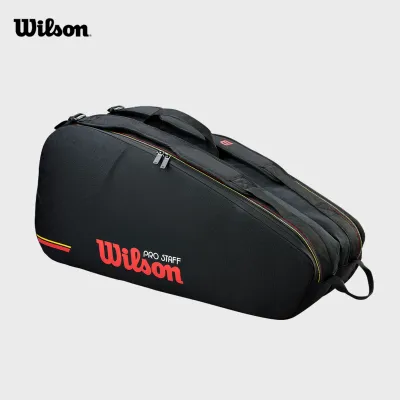
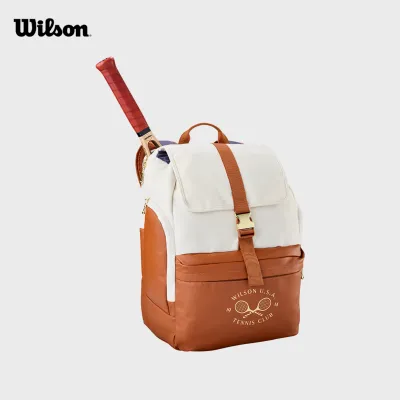
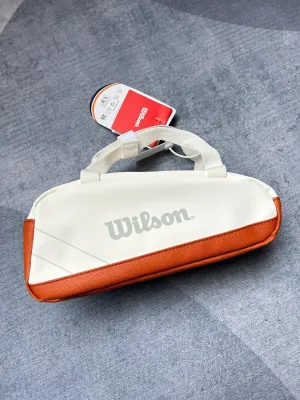
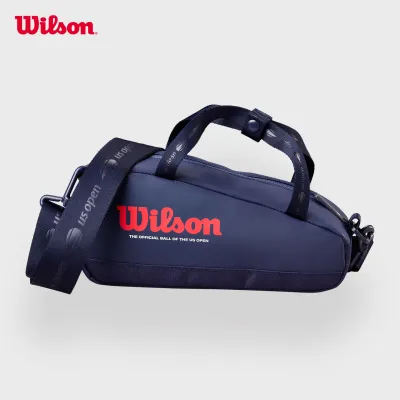
Prices are valid at publication and may change. Please refer to the product page for the latest price.
Competitive players, tournament participants, and coaches who are on the court daily need the highest capacity options, typically rated for nine to fifteen racquets. While you may not actually carry fifteen racquets, this volume is essential for organizing a comprehensive array of gear. Daily play demands space for multiple pairs of shoes, training aids, medical kits, warm-up gear, and extensive hydration supplies. A larger bag ensures that everything remains organized and accessible during long tournament days where you might spend several hours waiting between matches.
When calculating your required capacity, always account for the physical volume of your non-racquet gear. A bag rated for six racquets will comfortably hold three racquets alongside a pair of shoes, a towel, and a change of clothes. If you fill every racquet slot with a frame, you will have very little room left for anything else. Therefore, it is wise to choose a bag with a rated racquet capacity that is roughly double the number of racquets you actually plan to carry, leaving the remaining compartments free for your personal gear and accessories.
Key Features to Evaluate in Wilson Tennis Bags
To ensure your tennis bag performs well over time, you must evaluate specific structural and material features against your local playing conditions. In the Philippines, weather resistance is a primary concern. High humidity can weaken racquet strings and grip tape, while sudden rain showers can quickly soak unprotected gear. When browsing Wilson bags, check the manufacturer specifications for water-resistant outer shells or coated polyester fabrics. Look for durable, wipe-clean materials that can withstand being placed on damp concrete or dusty court benches.

Compartment layout is another critical factor that directly impacts how well your gear is protected. High-end Wilson bags often feature specialized compartments with thermal lining, designed to shield your racquets from extreme temperature fluctuations. This is particularly important if your bag will sit in a hot car trunk or under the direct sun during midday matches, as extreme heat can cause string tension to drop rapidly. Additionally, look for ventilated shoe compartments. Keeping your court shoes separate from your clean clothes and towels is essential for hygiene, especially when dealing with damp, clay-stained, or sweaty footwear after an intense session.
Carrying comfort should never be overlooked, especially when transporting a fully loaded bag. Evaluate the strap design and carrying styles available on different models. Backpack-style straps are highly recommended for larger bags, as they distribute weight evenly across both shoulders, reducing strain on your back before and after play. Look for adjustable, padded shoulder straps with breathable mesh lining to help manage heat buildup against your body. For lighter loads, a traditional over-the-shoulder strap or dual carry handles may suffice, but ensure the attachment points are reinforced with heavy-duty stitching to prevent tearing under load.
Wilson Bag Categories by Player Profile
Wilson organizes its tennis bag lineup into distinct categories based on capacity, structural design, and intended use. Because specific model names and aesthetic collections change from season to season, it is most effective to search for bags based on their capacity profiles and structural categories. Understanding these categories allows you to identify which style of bag aligns with your playing habits and storage requirements.
Casual and Social Players (1-2 Racquet Capacity)
For casual and social players, the primary goals are simplicity, portability, and ease of use. Wilson offers compact options in this category, including tennis backpacks and slim sling bags. These designs typically feature a dedicated rear compartment that holds one or two racquets, leaving the main compartment free for a light jacket, a water bottle, and personal items like keys and a phone.
These compact bags are ideal for players who travel to the court by motorcycle, public transit, or bicycle, as they maintain a low profile and do not restrict movement. When evaluating these smaller bags, check for side slip pockets that can securely hold a water bottle or a can of tennis balls. The focus here is on basic organization and lightweight comfort, making them perfect for quick, hassle-free trips to the court.
Regular and Club Players (3-6 Racquet Capacity)
Regular club players need a bag that balances increased storage capacity with everyday carrying comfort. This is where the classic three-pack and six-pack racquet bags, as well as larger duffel-style bags, become the standard choice. A six-pack bag provides the ideal middle ground, offering two main compartments that allow you to separate your racquets from your extra apparel and gear.
When looking at this category, verify that the bag has sufficient structural support to maintain its shape even when it is not fully packed. Soft, unstructured bags can sag, making them uncomfortable to carry and causing your gear to shift around inside. Look for models with reinforced side panels or semi-rigid shells that protect your racquets from external impacts while keeping the bag upright when placed on the ground.
Competitive and Tournament Players (9+ Racquet Capacity)
For competitive players, tournament competitors, and coaches, a high-capacity bag is an indispensable piece of equipment. These bags, typically designed as nine-pack, twelve-pack, or fifteen-pack options, are engineered to handle heavy loads and provide maximum organization. They feature multiple large compartments, allowing you to dedicate specific sections to racquets, clean apparel, dirty gear, and accessories.
Because these bags can become exceptionally heavy when fully loaded, you must carefully check the weight distribution features. Look for adjustable backpack straps with chest connectors or sternum straps that help stabilize the load across your torso. Advanced thermal protection compartments are standard in this tier, so verify that at least one major compartment is fully lined with temperature-regulating material to safeguard your high-performance string setups from tropical heat.
What to Verify Before Purchasing
Before finalizing your purchase of a Wilson tennis bag, there are several practical details you should verify to ensure a satisfactory buying experience. First, check the current retailer specifications for the exact dimensions and empty weight of the bag. A bag that is too large may not fit comfortably in your car trunk or locker, while a bag that is excessively heavy when empty will only add unnecessary strain to your shoulders. Pay close attention to the material details, ensuring the fabric matches your expectations for durability and weather resistance.
Next, verify the warranty terms and return policies offered by the seller. Authorized Wilson retailers typically provide a manufacturer warranty against material defects and workmanship issues, such as broken zippers or torn seams. Understanding the return policy is equally important, especially if you are purchasing online, as it allows you to inspect the bag’s size, strap comfort, and compartment layout in person before committing to keeping it.
Finally, compare prices in Philippine Pesos (₱) across authorized sports retailers in the Philippines. Prices can vary depending on the specific collection, material quality, and retailer promotions. Be cautious of deals that seem unusually low on unauthorized online marketplaces, as counterfeit tennis gear is common. Purchasing from established, authorized local sports stores or official brand outlets ensures you receive an authentic product backed by a genuine warranty, protecting your investment and ensuring your gear remains safe on the court.
Frequently Asked Questions (FAQ)
How do I clean and maintain a Wilson tennis bag?
To maintain the appearance and durability of your Wilson tennis bag, always check the care label inside the bag before applying any cleaning method. Generally, you should avoid machine washing or submerging the bag in water, as this can damage the structural materials, thermal linings, and water-resistant coatings. Instead, use a soft cloth dampened with lukewarm water and a mild, non-abrasive soap to spot-clean any dirt or stains on the exterior.
After playing in humid conditions or on dusty clay courts, wipe down the exterior and allow the bag to air-dry completely in a shaded, well-ventilated indoor area. Never place your tennis bag in a clothes dryer or expose it to direct, intense sunlight for extended periods to dry, as extreme heat can warp the synthetic materials and degrade the zippers. To prevent odors from developing inside the bag, avoid leaving damp towels, sweaty apparel, or wet shoes inside the compartments overnight.
Can I use a Wilson tennis bag for other sports or gym sessions?
Yes, many Wilson tennis bags offer excellent cross-functional utility, but you should carefully assess the compartment layout to ensure it fits your non-tennis gear. Backpack models and duffel-style bags are particularly versatile, making them suitable for gym sessions, travel, or other racket sports like badminton and squash. The dedicated shoe compartments and accessory pockets are highly useful for organizing gym clothes, toiletries, and personal electronics.
However, keep in mind the limitations of racquet-specific or thermal-lined pockets. While a thermal-lined compartment is excellent for protecting tennis racquets from heat, it may not offer the ideal shape or ventilation for general storage. Additionally, larger multi-racquet bags (such as nine-pack or twelve-pack models) are highly specialized and may feel excessively bulky or awkward to carry if you are only using them for a standard gym workout or a weekend trip.
Community discussion
Share your experience or ask a question. Comments are reviewed before publication.