
Choosing your first fitness accessory is a critical step toward building a sustainable home workout routine. The right choice depends entirely on your primary exercise goals, physical baseline, and workout environment. By matching your equipment to your immediate needs, you can avoid unnecessary purchases and focus on building consistency.
Quick Answer: Matching Your First Fitness Accessory to Your Goals
To quickly identify the best starting point, map your primary fitness objective to the accessory designed to support it. If your routine centers on floor exercises, core work, or stretching, a cushioned yoga mat is your essential foundation. For building strength, improving mobility, or rehabilitation without heavy weights, resistance bands offer the most versatile, low-impact solution.
If you want high-intensity cardiovascular conditioning and have sufficient vertical clearance, a jump rope delivers rapid results in a compact form. Finally, if you are already lifting heavy weights and find your grip strength limiting your progress, fitness gloves provide targeted support. Your optimal first purchase depends entirely on your current physical baseline and the specific exercises you plan to perform today.
Products mentioned in this guide
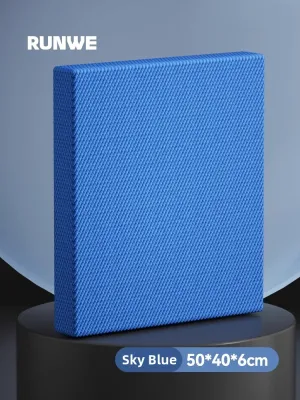
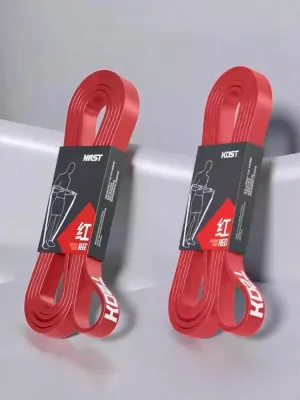
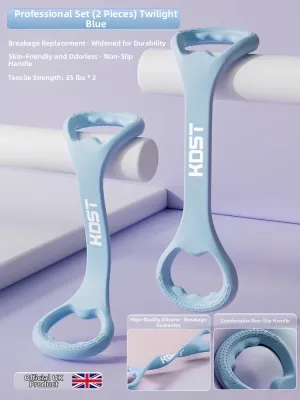
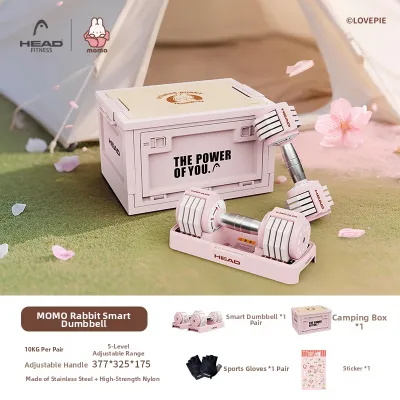
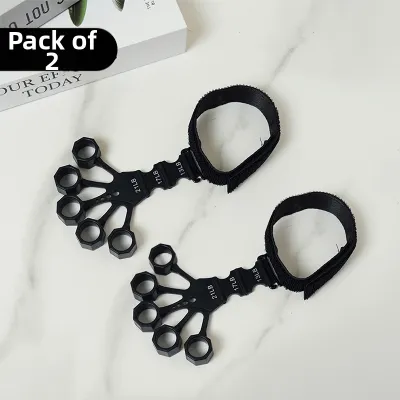
Prices are valid at publication and may change. Please refer to the product page for the latest price.
Assess Your Current Fitness Level and Available Space
Before purchasing any workout equipment, evaluate the physical environment where you will exercise. In many homes in the Philippines, especially apartments or shared living spaces, floor space and ceiling height are primary constraints. Measure your available floor area to ensure you can lie down fully extended without hitting furniture. If you are considering dynamic movements like jumping rope, check your ceiling clearance to avoid damaging light fixtures or fans.

Noise and impact are critical factors when living in multi-story buildings or shared households. High-impact exercises like jumping rope can transmit significant vibration and noise through concrete or wooden floors, potentially disturbing neighbors or family members. If you must exercise indoors in a shared space, low-impact options like resistance bands or a yoga mat are much more practical and quiet.
Your current physical baseline should also dictate your choice. If you experience joint sensitivity, particularly in your knees or wrists, jumping rope on hard tile or concrete floors without proper shock absorption can cause discomfort. Conversely, a thick, supportive mat can protect sensitive joints during floor exercises. Assess your cardiovascular endurance and grip strength honestly; starting with equipment that matches your current capacity prevents injury and keeps you motivated.
Tropical humidity is another local factor to consider. High humidity levels mean you will likely sweat heavily during indoor workouts. This makes slip resistance and material breathability key factors for any accessory you choose, as sweat can quickly turn a smooth floor or a basic mat into a slipping hazard.
Yoga Mat: The Foundation for Floor and Stability Work
A yoga mat serves as the literal foundation for a wide range of low-impact, bodyweight-based fitness routines. If your immediate goals involve improving flexibility, strengthening your core, or practicing Pilates and yoga, this accessory should be your first purchase. It defines your personal workout zone and provides a clean, dedicated space for floor-based movements.
When evaluating yoga mats, check the product specifications for thickness and density. Mats typically range from ultra-thin travel options to thick, cushioned versions. For floor work, core exercises, and kneeling postures, a thicker mat provides essential cushioning for your knees, elbows, and spine. However, if your routine includes many standing balance poses, a slightly thinner, firmer mat offers better stability, preventing your feet from sinking and compromising your alignment.
Material selection is highly important in warm, humid climates. Standard foam mats can become slippery when wet, which increases the risk of sliding during dynamic movements. Look for mats featuring textured surfaces or materials designed to maintain grip when exposed to moisture. Checking the manufacturer’s cleaning instructions is also vital, as humid conditions require regular sanitization to prevent mold and odor buildup.
Resistance Bands: Versatile Strength and Rehabilitation
Resistance bands are highly versatile tools for individuals focusing on muscle toning, progressive strength training, or physical rehabilitation. Unlike heavy iron weights, bands provide continuous tension throughout an exercise, which is gentler on the joints while still challenging the muscles. They are lightweight, highly portable, and easily stored, making them excellent for small living spaces or travel.
Most manufacturers use a color-coded system to indicate different resistance levels, ranging from extra-light to extra-heavy. When purchasing, look for multi-band sets that allow you to progress as your strength improves. Beginners should start with lighter bands to master proper form before moving to higher resistance levels. Always verify the manufacturer’s specifications to understand the estimated tension equivalent for each color.
Safety is paramount when using elastic materials under high tension. Before every workout, perform a visual inspection of the bands, checking for micro-tears, discoloration, or small cracks that could lead to snapping. If you use door anchors, ensure the door frame is sturdy, closes securely in the direction of the pull, and that the anchor is positioned exactly as instructed by the manufacturer. Never exceed the recommended stretch limits or weight ratings specified in the product manual.
Jump Rope: High-Intensity Cardio in Compact Spaces
For those prioritizing cardiovascular conditioning, agility, and efficient calorie burning, a jump rope is an exceptionally cost-effective first purchase. It requires minimal storage space and offers a highly demanding workout that can be completed in short sessions. If your primary fitness goal is to improve endurance or warm up before other exercises, the jump rope is an excellent candidate.
However, jumping rope requires specific environmental conditions to be safe and effective. You must have adequate vertical clearance, free from ceiling fans, low-hanging lights, or overhanging tree branches if exercising outdoors. Additionally, jumping repeatedly on hard, unyielding surfaces like concrete or ceramic tile can place significant stress on your ankles, knees, and hips. To protect your joints, look for shock-absorbing surfaces, such as outdoor grass, a dedicated rubber gym mat, or wooden flooring.
Proper sizing is critical to prevent tripping and maintain correct posture. To adjust a new jump rope, follow the manufacturer’s instructions: typically, you stand on the center of the rope with one foot and pull the handles upward. For beginners, the handles should comfortably reach your armpits. Many modern jump ropes feature adjustable screws or clipping mechanisms in the handles, allowing you to customize the length to your exact height before trimming any excess cable.
Fitness Gloves: Grip Support for Heavy Lifting
Fitness gloves serve a specific, targeted purpose and are rarely the necessary first purchase for absolute beginners. Their primary function is to protect the skin of your palms from friction, preventing calluses and blisters during heavy pulling movements, such as deadlifts, pull-ups, or heavy dumbbell rows. They can also improve grip security when sweat makes metal handles slippery.
If your current routine consists primarily of bodyweight exercises, light dumbbell workouts, or machine-based gym routines, you can safely skip purchasing gloves. In these scenarios, developing natural grip strength and skin conditioning is often more beneficial. Using gloves prematurely can sometimes prevent your hands from adapting to basic contact surfaces, delaying the natural development of grip endurance.
If you decide that gloves are necessary for your routine, prioritize fit and breathability. In warm climates, fully enclosed gloves can trap heat and sweat, leading to discomfort and odor. Look for designs with open-back ventilation, moisture-wicking fabrics, and adjustable wrist closures that secure the glove without restricting your natural wrist mobility. Ensure the padding is concentrated in the high-friction areas of the palm without being so thick that it interferes with your ability to wrap your fingers securely around a bar.
How to Decide: A Step-by-Step Selection Checklist
To finalize your decision, follow this sequential selection framework to ensure your first purchase matches your actual needs:
- Define Your Primary Goal: Determine whether you need joint cushioning (yoga mat), progressive resistance (bands), intense cardio (jump rope), or hand protection (gloves).
- Measure Your Space: Confirm you have the physical clearance, ceiling height, and floor type required for your chosen accessory.
- Assess Physical Limitations: Choose low-impact options like mats or bands if you have joint sensitivities, or high-impact options like ropes only if your joints can handle the stress.
- Compare and Budget: Look for durable, safety-tested options from authorized retailers. Compare prices in ₱, prioritizing high-quality materials and secure construction over aesthetic designs or unnecessary accessories.
If you are still undecided, consider delaying your purchase. Starting with zero-equipment bodyweight routines—such as push-ups, squats, and planks—is an excellent way to establish a consistent habit. Once you have committed to a regular routine for a few weeks, you will have a much clearer understanding of which accessory will truly enhance your workouts.
Frequently Asked Questions (FAQ)
Can I use a standard yoga mat for high-intensity interval training (HIIT)?
Standard yoga mats are designed for static stretching and low-impact floor work. They typically lack the lateral stability and durability required for high-intensity interval training (HIIT), which involves rapid, multi-directional movements. Performing HIIT on a soft yoga mat can cause the material to stretch, tear, or slip underfoot, increasing your risk of injury. For high-impact workouts, check the manufacturer’s specifications for a dedicated utility or training mat designed to withstand rapid footwork and athletic shoes.
How often should I replace my resistance bands?
The lifespan of resistance bands depends heavily on usage frequency, storage conditions, and exposure to heat and humidity. Because elastic materials degrade over time, you should inspect your bands before every use. Look for signs of wear such as fading, micro-tears, small cracks, or loss of elasticity. If you notice any structural compromises, replace the band immediately to prevent it from snapping during exercise. Following the manufacturer’s guidelines for storage—such as keeping them out of direct sunlight and away from sharp objects—will help maximize their lifespan.
Community discussion
Share your experience or ask a question. Comments are reviewed before publication.