
Finding a suitable XDS mountain bike requires matching the frame geometry, suspension design, and component specifications to your physical measurements and local trails. Choosing a model based solely on aesthetics or component tiers can lead to an uncomfortable or inefficient ride.
In the Philippines, riders face diverse environments, from steep, paved mountain climbs to muddy, root-filled singletracks. The high humidity and frequent tropical downpours also mean that your equipment must withstand wet, gritty conditions. By evaluating your riding style and local terrain first, you can narrow down the XDS lineup to the category that will serve you best.
Diagnose Your Primary Riding Terrain and Style
To choose the right bike, you must first define your primary riding style. Cross-country (XC) riding focuses on speed, climbing efficiency, and endurance. If your typical weekend ride involves long climbs on fire roads, paved provincial highways, or smooth dirt paths, an XC-oriented bike is an appropriate match. These bikes feature steeper frame angles that place the rider in an efficient pedaling position, maximizing power transfer.
Products mentioned in this guide
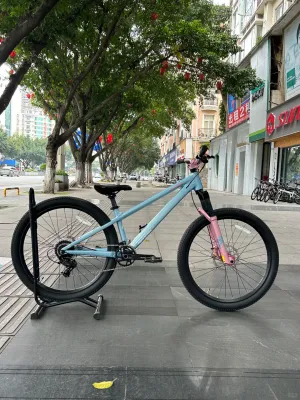
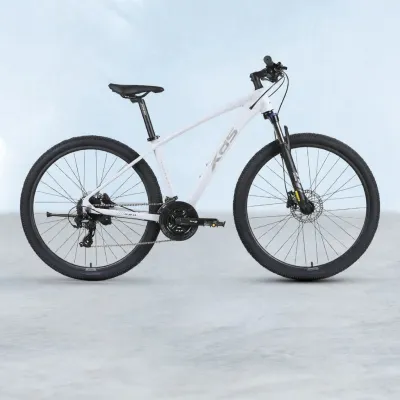
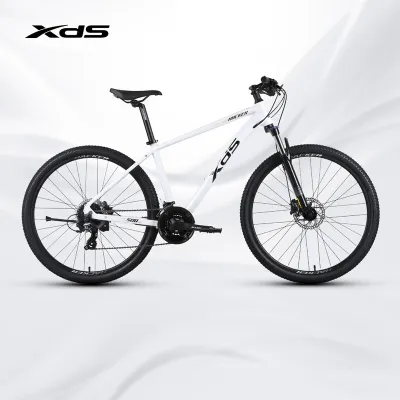
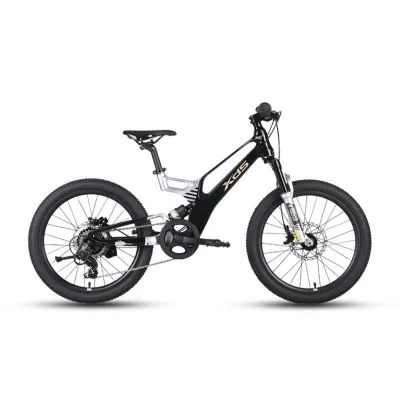
Prices are valid at publication and may change. Please refer to the product page for the latest price.
Trail riding, on the other hand, prioritizes versatility and fun over pure climbing speed. If you prefer exploring technical singletracks with moderate rock gardens, drops, and flowing descents, a trail bike offers a more balanced geometry. These models feature a slightly slacker head tube angle, which provides greater stability when descending while still maintaining reasonable climbing capabilities.
Enduro riding is designed for those who live for steep, technical descents but still need to pedal to the top of the mountain. If your local trails consist of steep downhill runs, large jumps, and highly technical obstacles, an enduro-focused setup is necessary. These bikes have long wheelbases, very slack head angles, and robust frames built to absorb heavy impacts.
Evaluating the ratio of climbing to descending on your usual routes is crucial. If your rides consist of 80% climbing on paved or gravel roads followed by a quick descent, a lightweight, efficient climber is suitable. Conversely, if you spend equal time climbing and descending technical terrain, prioritizing suspension performance and frame durability over absolute weight savings will yield a safer and more enjoyable experience.
Align Component Choices With Your Experience Level
Your experience level and long-term cycling goals should dictate the complexity of your bike’s components. The first major decision is choosing between a hardtail and a full-suspension frame. Hardtails are excellent for developing fundamental riding skills, as they force you to choose clean lines and use your body to absorb trail feedback. They are also lighter, less expensive, and require significantly less maintenance, making them highly practical for riders in humid, muddy environments where pivot bearings can wear out quickly.

Full-suspension bikes offer increased comfort, traction, and control on technical terrain. The rear shock keeps the rear wheel glued to the ground, improving braking performance and climbing traction over loose rocks and wet roots. However, this added capability comes with increased weight, a higher initial cost, and the need for regular suspension linkage maintenance.
Wheel size is another critical factor that influences how the bike handles. The 29-inch wheel is the modern standard for rolling over obstacles easily, maintaining momentum, and providing a large contact patch for traction. It is highly suited for taller riders and those focusing on cross-country efficiency. Conversely, 27.5-inch wheels offer greater agility, quicker acceleration, and a more playful feel, making them a popular choice for smaller riders or those who enjoy tight, twisty trails.
Braking and shifting components must match the demands of your terrain to ensure safety. Hydraulic disc brakes are essential for riding in tropical climates, as they provide consistent stopping power even when the rims are covered in mud or water. For shifting, a modern 1x (one-by) drivetrain simplifies gear management by eliminating the front derailleur, reducing weight, and minimizing the risk of dropped chains on bumpy descents.
Navigate XDS Mountain Bike Specifications and Series
When browsing XDS mountain bike specifications, you must look past marketing terms and focus on verifiable build details. Frame material is the foundation of the bike’s performance. XDS is widely recognized for its aluminum manufacturing capabilities, producing lightweight alloy frames that offer an excellent balance of strength and affordability. If you prioritize weight savings and have a larger budget, carbon fiber frames offer high stiffness and vibration dampening, though they require more careful handling to avoid impact damage.
Suspension fork travel must align with your diagnosed riding style. An entry-level XC bike typically features 100mm of front travel, which is sufficient for absorbing road vibrations, gravel bumps, and light trail chatter. Trail bikes generally step up to 120mm or 140mm of travel to handle larger drops and rougher terrain. Ensure the fork features an adjustable rebound setting and a lockout lever, which allows you to stiffen the suspension for efficient climbing on paved roads.
Geometry charts provided by the manufacturer are more important than simple frame sizes like small, medium, or large. Pay close attention to the “reach” (the horizontal distance from the bottom bracket to the center of the head tube) and the “stack” (the vertical distance between the two points). A longer reach provides stability at high speeds, while a shorter reach offers a more upright, comfortable cruising position.
Always verify the component brands listed on the XDS spec sheet. Look for reputable drivetrain and braking components from established manufacturers. Ensure that the hubs, bottom bracket, and headset use sealed cartridge bearings, which offer better protection against dust, water, and mud compared to loose-ball systems.
Execute Pre-Purchase Fit and Safety Verifications
Before finalizing your purchase at an authorized dealer, you must perform physical checks to ensure the bike fits your body and is safe to ride. Start with a standover height check: straddle the top tube with both feet flat on the ground. You should have at least one to two inches of clearance between your body and the frame tube on an XC bike, and slightly more on a trail bike, to prevent injury if you need to dismount quickly on uneven ground.
Next, assess the reach and saddle height. When sitting on the saddle with the pedal at the lowest point of the stroke, your leg should have a slight bend (approximately 80 to 90 percent extension). While holding the handlebars, your elbows should be slightly bent, and your back should be at a comfortable angle—not overly stretched out or cramped.
A thorough pre-delivery inspection is vital for your safety. Check that all bolts, especially on the stem, handlebars, and suspension linkages, are tightened to the manufacturer’s specified torque values. Spin both wheels to ensure they run true and do not rub against the brake pads. Squeeze the brake levers to confirm they feel firm and do not pull all the way to the grip, which would indicate air in the hydraulic lines.
Finally, clarify the warranty terms with the authorized dealer. A legitimate XDS frame is backed by a manufacturer’s warranty against structural defects. Ensure the dealer registers your frame’s serial number, which is typically stamped on the underside of the bottom bracket shell, and understand their policy regarding free initial tune-ups, as new cables and spokes naturally stretch during the first few weeks of riding.
Frequently Asked Questions (FAQ)
Should a beginner choose a hardtail or full-suspension XDS mountain bike?
For most beginners, a hardtail XDS mountain bike is the more practical and rewarding choice. Hardtails are generally lighter, less expensive, and require far less maintenance because they lack rear suspension pivots, linkages, and shocks. This simplicity allows new riders to focus on learning essential skills, such as weight distribution and line choice, without the bike’s rear suspension compensating for poor technique. Additionally, a hardtail at a given price point will typically feature higher-quality components, such as a better drivetrain or fork, than a full-suspension bike in the same price range.
How do I verify if an XDS mountain bike is authentic and locally supported?
To ensure your XDS mountain bike is authentic, always purchase directly from an authorized local dealer. Inspect the frame for high-quality, smooth welds and clean, under-clearcoat decals that cannot be easily peeled off. Every genuine XDS frame features a unique serial number stamped under the bottom bracket shell; you can cross-reference this number with the dealer’s official registry. Authentic bikes also come with a dedicated owner’s manual and a clear warranty card. Purchasing from an authorized source guarantees access to genuine replacement parts, such as proprietary derailleur hangers, and ensures your warranty is honored locally.
Community discussion
Share your experience or ask a question. Comments are reviewed before publication.