
Choosing the right XP2 shuttlecock model depends on matching your skill level, playing frequency, and local court conditions to the shuttlecock’s material and speed rating. Beginners and casual players generally benefit from durable synthetic nylon models that withstand off-center hits, while intermediate and advanced players require the precise flight path and tactile feedback of genuine feather models. By evaluating how often you play and where your games take place, you can select a model that balances performance with longevity, ensuring you do not waste money on fragile options before your technique is ready.
Assess Your Badminton Skill Level and Playing Frequency
Evaluating your current badminton skill level is the first step in finding a shuttlecock that matches your play style. Beginners typically struggle with consistent racket-face contact, often hitting the shuttlecock on the frame or off-center. This mechanical inconsistency puts immense physical stress on the shuttlecock’s skirt, meaning durability must be your primary concern. If you are still mastering basic clears, drops, and serves, your priority should be a forgiving design that can survive frequent miss-hits without losing its shape.
As you transition to an intermediate level, your stroke consistency improves, and you begin to generate more power. You can reliably hit the sweet spot of your racket, which allows you to focus more on flight stability and control rather than pure survival of the gear. Advanced players, by contrast, possess highly refined stroke techniques, demanding immediate tactile feedback and precise flight trajectories for tight net play and high-speed smashes. At this stage, even minor deviations in flight path can disrupt competitive play.
Products mentioned in this guide
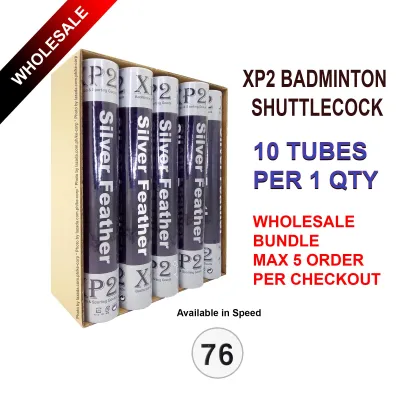
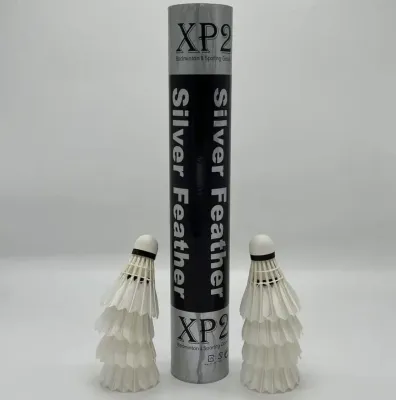
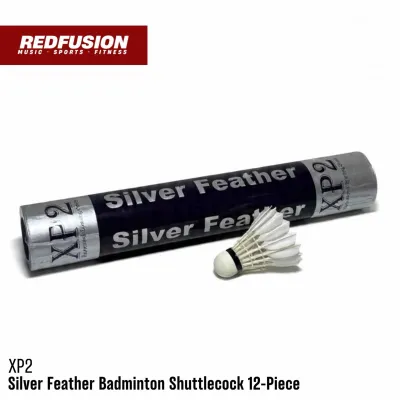
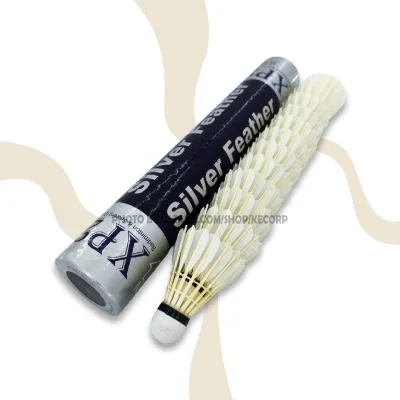
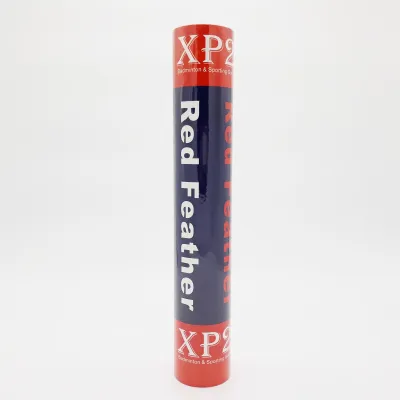
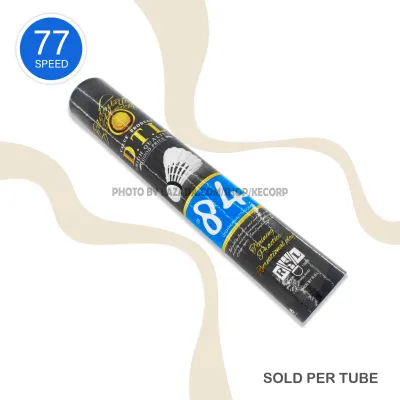
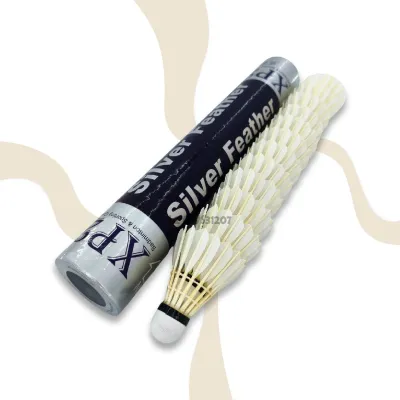
Prices are valid at publication and may change. Please refer to the product page for the latest price.
Your weekly playing frequency also dictates your gear requirements. Casual players who hit the court once a month or for backyard recreation do not need to worry about rapid wear and tear, making cost-effective options ideal. Regular players heading to the court two to three times a week will quickly notice the financial toll of fragile gear, requiring a careful balance between unit cost and lifespan. Competitive players training daily or playing in local tournaments must prioritize tournament-grade flight consistency, accepting that high-performance models will need frequent replacement.
Finally, your playing environment plays a decisive role in your selection. Indoor badminton courts in the Philippines, often subjected to high humidity and minimal wind interference, allow for precise flight dynamics. Outdoor spaces, such as barangay streets or open-air parks, introduce unpredictable wind currents and rough concrete surfaces. Outdoor play demands heavy, highly durable synthetic models that can cut through breezes and survive contact with asphalt, whereas indoor courts are better suited for delicate feather or high-grade nylon models.
Decode XP2 Shuttlecock Materials and Speed Ratings
Understanding the technical specifications printed on XP2 shuttlecock packaging prevents costly purchasing mistakes. The most fundamental distinction lies in the skirt material, which is either natural feather or synthetic nylon. Natural feather models, typically crafted from duck or goose feathers, offer unparalleled flight precision, a steep drop angle, and a crisp sound upon impact. However, they are inherently fragile and can degrade rapidly under heavy smashes or off-center hits, making them best suited for structured indoor games.

Synthetic nylon shuttlecocks serve as a highly durable alternative, designed to mimic the flight of natural feathers while offering significantly longer lifespans. The nylon skirt resists tearing and bending, allowing a single shuttlecock to survive multiple intense sessions. While nylon models do not decelerate as sharply as feathers at the end of their flight path, their cost-effectiveness makes them the standard choice for practice sessions, physical education classes, and recreational outdoor games.
When examining an XP2 tube, you will also find a speed rating, which is typically indicated by a number or a descriptive label such as slow, medium, or fast. This rating refers to how quickly the shuttlecock travels through the air under specific environmental conditions. In warm, humid tropical climates like the Philippines, air density is lower, which naturally causes shuttlecocks to fly faster and farther. Consequently, players in these regions generally require a slower speed rating (often designated as speed 76 or “slow”) to maintain proper court boundaries and prevent shots from constantly flying out of bounds.
To evaluate durability claims objectively, look past generic marketing buzzwords like “indestructible” or “professional grade.” Instead, inspect the structural descriptions on the packaging, focusing on the connection point between the skirt and the cork base. High-quality models feature double-stitched binding or reinforced synthetic cages that prevent the skirt from separating from the cork during high-velocity impacts. Checking these physical specifications ensures you select a model engineered for structural integrity rather than relying on promotional promises.
Match Your Player Profile to the Right Shuttlecock Category
To streamline your selection process, you can match your player profile to a specific category of XP2 shuttlecocks. Beginners and casual players should focus almost exclusively on high-durability synthetic nylon models. At this stage, spending a premium on a tube of delicate feather shuttlecocks is impractical, as a single miss-hit can break a feather and ruin the flight dynamics instantly. A durable nylon model ensures you can focus on developing proper grip, footwork, and swing mechanics without the constant distraction of replacing damaged gear.
Intermediate and regular players require a more balanced approach that bridges the gap between durability and performance. If you play regularly in local clubs, look for mid-range synthetic models with modified skirt designs or entry-level feather shuttlecocks. These options provide a more realistic flight trajectory and better tactile feedback, allowing you to practice advanced techniques like drop shots and slice serves. This category offers a reasonable lifespan of one to two games per shuttlecock, making it financially sustainable for players who hit the court multiple times a week.
Advanced and competitive players must prioritize flight precision and control above all else. For high-level training and tournament play, natural feather shuttlecocks are non-negotiable. The unique aerodynamic drag of natural feathers allows for sharp net tumbles, precise clears to the baseline, and explosive smashes that decelerate predictably. While these models require a higher budget due to their shorter lifespan, they provide the authentic feel and performance necessary for competitive success.
Your choice of shuttlecock should not remain static as your skills and playing environments evolve. If you transition from casual outdoor recreation to structured indoor club play, you should upgrade from heavy nylon models to lighter, more responsive options. Conversely, if you are an advanced player practicing high-repetition smash drills where flight precision is secondary to muscle memory, switching temporarily to high-grade nylon shuttlecocks can save significant gear costs. Always assess the primary goal of your session before opening a new tube.
Pre-Purchase and On-Court Verification Checklist
Before purchasing or opening a new tube of XP2 shuttlecocks, performing a quick physical inspection can save you from using defective gear. Start by checking the packaging for clear speed ratings and manufacturing details. Ensure the tube is sealed tightly and has not been subjected to crushing forces during transit, as deformed packaging often leads to bent skirts inside. If you are buying natural feather models, look for storage recommendations on the label, as feathers require proper humidity levels to prevent them from becoming brittle.
Once you open the tube, conduct a visual and physical check of an individual shuttlecock before hitting it onto the court. Examine the skirt alignment to ensure all feathers or synthetic ribs are evenly spaced and free of pre-existing cracks or bends. Gently press the cork base with your thumb; it should feel firm and resilient, without any soft spots or crumbling material. The adhesive binding the skirt to the cork should be clean and uniform, with no loose threads or gaps that could cause the head to separate during a rally.
During gameplay, pay close attention to how the shuttlecock behaves in the air to determine when it needs to be replaced. A healthy shuttlecock should spin smoothly and travel along a predictable, stable arc. If you notice the shuttlecock wobbling, spinning erratically, or falling abruptly during a clear, it is a clear sign of structural damage. Additionally, if a smash or clear suddenly feels unusually heavy or lacks its characteristic crisp sound, stop play immediately to inspect the skirt for broken feathers or cracked nylon ribs. Continuing to play with a damaged shuttlecock ruins the quality of your rally and can lead to bad habits as you try to compensate for poor aerodynamics.
Frequently Asked Questions (FAQ)
How do temperature and altitude affect shuttlecock speed?
Air density is highly sensitive to environmental factors like temperature and altitude, which directly alters shuttlecock flight. In hot, humid conditions common in tropical regions, the air is less dense, offering less aerodynamic resistance. This causes the shuttlecock to fly faster and farther than it would in a cold, dry climate. High-altitude locations also feature thinner air, resulting in increased speed. To compensate for these environmental changes, players should select a slower speed rating (such as speed 76) in hot or high-altitude venues, and a faster speed rating (such as speed 78) in air-conditioned or sea-level courts to maintain standard flight distances.
What are the visual signs that a shuttlecock is no longer usable?
A shuttlecock is no longer usable when its physical structure compromises its flight path or speed. For natural feather models, look for broken, frayed, or missing feathers along the skirt, as even a single damaged feather causes the shuttlecock to wobble and lose speed rapidly. For synthetic nylon models, check for deep cracks along the ribs or a permanently deformed skirt shape that prevents it from expanding properly in mid-air. Additionally, inspect the cork base; if the outer casing is cracked or the cork feels soft and mushy, the shuttlecock will no longer bounce cleanly off your racket strings and should be discarded.
Community discussion
Share your experience or ask a question. Comments are reviewed before publication.