
Choosing the right swim cap is essential for protecting your hair from harsh pool chemicals, reducing hydrodynamic drag, and ensuring a comfortable swim. In the tropical climate of the Philippines, where outdoor pools are subject to intense sun and high water temperatures, your swim gear must withstand both chlorine and environmental heat. Yingfa offers a diverse range of swim caps designed for different skill levels, hair types, and training intensities.
To select the ideal model, you must evaluate how the cap’s material, shape, and size align with your specific swimming activities. Whether you are a competitive athlete training for a meet or a recreational swimmer enjoying a weekend dip, understanding these variables will help you make an informed choice.
Quick Decision Guide for Yingfa Swim Caps
To help you quickly identify the most suitable option, this guide categorizes caps based on primary swimming goals, hair volume, and material characteristics. Matching these factors early prevents discomfort and premature wear of your gear.
Products mentioned in this guide
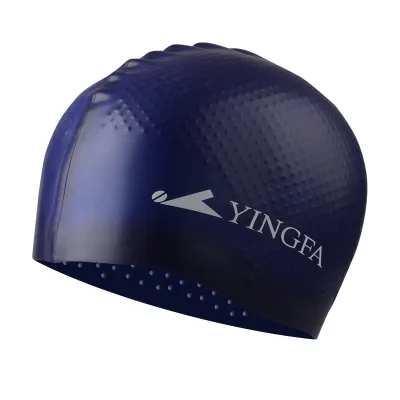

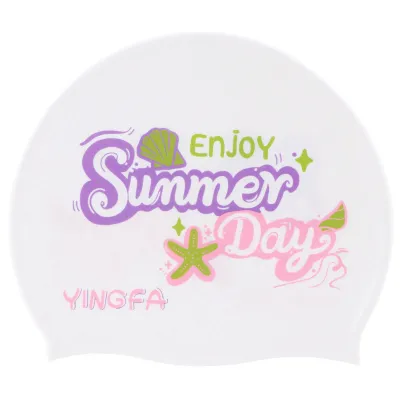
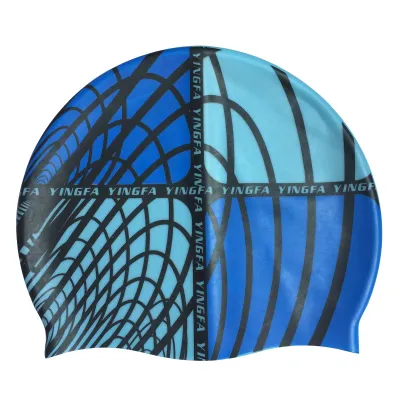
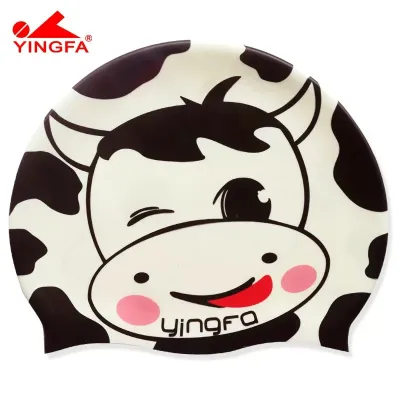
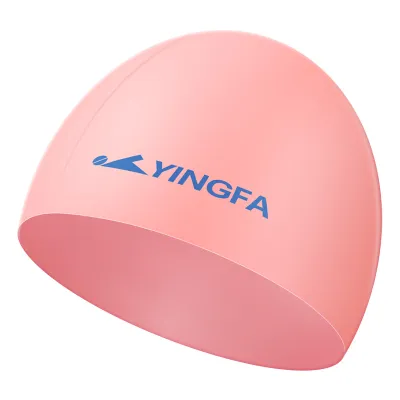
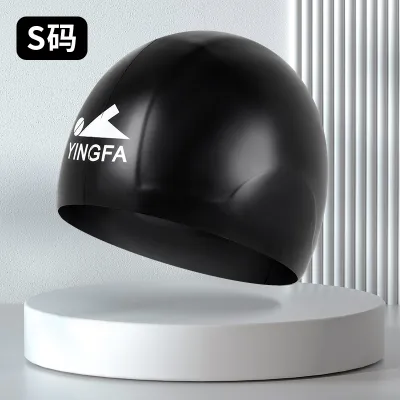
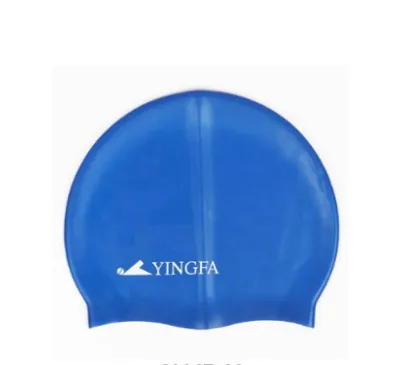
Prices are valid at publication and may change. Please refer to the product page for the latest price.
Material and Hair Volume Matrix
- Short to Medium Hair (Daily Training): Standard silicone caps offer a balanced combination of durability and water resistance. They stay firmly in place during active lap swimming.
- Long or Thick Hair (Fitness & Laps): Long-hair silicone caps feature an expanded rear pocket. This design accommodates buns and ponytails without pulling on the scalp.
- Casual Recreation & Water Aerobics: Lycra or fabric blend caps prioritize comfort and breathability. They are easy to put on and do not squeeze the head.
- Competitive Racing: 3D molded silicone caps provide a seamless, wrinkle-free fit. This shape minimizes drag and optimizes hydrodynamics.
Activity-Based Selection For high-intensity training and competitive racing, hydrodynamic efficiency is paramount. A snug, pre-molded silicone cap reduces resistance in the water, helping you maintain optimal body alignment. Conversely, for casual fitness, water aerobics, or swimming lessons, comfort is the primary concern. A fabric cap prevents the overheating often experienced in warm outdoor pools while keeping hair neatly out of your face.
Understanding the Trade-offs Every swim cap material involves a compromise between comfort, durability, and water exclusion. Highly water-resistant materials like silicone require a tight fit, which can feel restrictive during long sessions. Lightweight materials like latex offer excellent breathability but are highly susceptible to tearing. Fabric caps provide high comfort and ease of use but allow water to saturate your hair completely.
Comparing Yingfa Swim Cap Materials
The material of your swim cap dictates its flexibility, lifespan, and level of protection against chlorinated water. Yingfa utilizes three primary materials to cater to different swimming environments and user preferences.

Silicone Caps Silicone is the most popular material for modern swim caps due to its high durability and resistance to chlorine degradation. It is highly elastic, allowing it to stretch over various head shapes while maintaining its original form over time. The thick structure of silicone provides a reliable barrier against pool water, keeping your hair relatively dry compared to other materials.
For swimmers in tropical regions, silicone is highly resilient against the combined effects of intense UV rays and pool chemicals. However, because silicone creates a tight seal, it can trap heat during intense workouts in warm outdoor pools. It can also pull on dry hair during application, so wetting your hair before putting on the cap is highly recommended to ease the process.
Latex Caps Latex caps are significantly thinner and lighter than silicone alternatives. This thin profile offers excellent breathability, making latex a traditional choice for long-distance outdoor swimming in warm climates. The material provides a snug fit that conforms closely to the scalp, minimizing drag.
The primary limitation of latex is its durability. It is highly susceptible to tearing from sharp fingernails, hairpins, or rough handling. Additionally, latex can degrade quickly if exposed to direct sunlight or if stored while damp. Swimmers with latex allergies must avoid this material entirely and opt for silicone or fabric alternatives.
Lycra and Fabric Blends Lycra and other synthetic fabric blends are designed primarily for comfort and ease of wear. These caps are made from soft, stretchable textiles that do not pull on your hair or apply intense pressure to your forehead. They are incredibly easy to put on and take off, making them ideal for children, beginners, and casual recreational swimmers.
While fabric caps offer excellent UV protection and keep hair neatly contained, they are highly permeable. Water flows freely through the fabric, meaning your hair will be fully wet within seconds of entering the pool. They do not protect your hair from chlorine absorption, but they do prevent hair from floating into your eyes and face during water exercises.
Matching Design Features to Your Swimming Activity
Beyond material composition, the physical construction and shape of a swim cap play a critical role in how it performs in the water. Selecting the right design ensures that your cap remains secure without causing headaches or slipping.
3D and Ergonomic Designs Standard flat swim caps are constructed from two flat pieces of material joined together, which naturally creates wrinkles on the top of the head when stretched. These wrinkles create micro-turbulences that increase hydrodynamic drag. Yingfa’s 3D molded caps are manufactured using a three-dimensional mold that mimics the natural, rounded shape of the human head.
This ergonomic design eliminates wrinkles, providing a highly smooth surface that allows water to flow seamlessly over your head. The even distribution of tension also reduces localized pressure points, preventing the common cap headache during extended training sessions. This design is highly recommended for competitive swimmers and fitness lap swimmers aiming to optimize their pace.
Long-Hair Specific Models Swimmers with long, thick, or highly textured hair often struggle with standard caps sliding off or squeezing too tightly. Long-hair specific models address this issue by incorporating extra volume at the back of the cap. This asymmetrical design provides dedicated space for a bun or ponytail without stretching the front band of the cap.
By relieving tension on the forehead and temples, these caps stay securely in place during vigorous swimming, flip turns, and dives. The reinforced lower edge helps grip the base of the skull, preventing the cap from riding up as you move through the water.
Basic Flat Caps For casual lap swimming, water aerobics, or general pool recreation, a basic flat cap is a highly practical choice. These caps are straightforward, cost-effective, and easy to pack. While they do not offer the advanced hydrodynamic benefits of 3D molded models, they provide reliable hair management and basic protection from chlorine.
In early morning training sessions or cooler indoor pools, flat silicone caps also assist in thermal retention. By trapping a thin layer of air and moisture against your scalp, they help maintain body temperature, allowing you to focus on your stroke technique.
Sizing, Fit, and Pre-Purchase Checks
To ensure your swim cap performs as expected, you must verify the sizing and product specifications before making a purchase. A poorly fitting cap can either slip off constantly or cause intense discomfort.
Measuring Head Circumference Although many swim caps are labeled as one size fits all, head shapes and sizes vary significantly. To find your correct size, use a flexible measuring tape to measure the circumference of your head. Place the tape across the middle of your forehead, just above your ears, and around the widest part of the back of your skull.
Compare your measurement with the manufacturer’s sizing guidelines on the product listing. If your measurement falls near the upper limit of a size range, or if you have high-volume hair, selecting a larger size or a dedicated long-hair model will ensure a more comfortable fit.
Verifying Material and Quality Indicators When browsing options on online marketplaces, carefully read the product descriptions and specifications. High-quality silicone caps should specify 100% premium silicone to ensure maximum elasticity and tear resistance. Look for details regarding the thickness of the material and whether the cap features reinforced, non-slip interior textures that help keep it in place.
E-commerce Platform Considerations Because swim caps are classified as personal hygiene items, most e-commerce platforms and online sports retailers enforce strict return policies. Once the packaging is opened or the cap is tried on, returns are typically not accepted unless there is a clear manufacturing defect.
To avoid purchasing an incorrect item, verify the seller’s reputation, read customer feedback regarding fit and durability, and double-check the material specifications before checking out. If you are unsure about sizing, contacting the seller directly for clarification is a prudent step.
Frequently Asked Questions (FAQ)
Do Yingfa swim caps keep your hair completely dry?
No swim cap is entirely waterproof. While silicone and latex caps provide a highly effective barrier against water, seepage will naturally occur around the edges, especially near the ears and the nape of the neck during active swimming. Fabric caps, such as those made of Lycra, are highly permeable and will allow water to saturate your hair immediately, though they still protect your hair from direct sun exposure and keep it contained.
How should you clean and store a silicone or latex swim cap?
To maximize the lifespan of your swim cap, rinse it thoroughly with fresh, cool water after every use to remove chlorine, salt, and pool chemicals. Allow the cap to air dry completely in a shaded, well-ventilated area, keeping it away from direct tropical sunlight and heat sources which can cause the material to crack or degrade. For latex caps, apply a light dusting of talcum powder or cornstarch to the interior before storing them long-term to prevent the sides from sticking together and tearing.
Community discussion
Share your experience or ask a question. Comments are reviewed before publication.