
Finding the right yoga mat material is not about finding a single universal option, but rather matching a material’s physical properties to your specific style of practice, your body, and your environment. In warm, humid tropical climates where sweat is a constant factor, a mat that offers reliable traction under moist conditions behaves very differently from one designed primarily for dry, air-conditioned studio settings. By understanding how materials like TPE, PVC, natural rubber, and cork handle moisture, wear, and weight, you can select a surface that supports your balance and protects your joints.
Material Profiles: TPE, PVC, Natural Rubber, and Cork
Thermoplastic Elastomer (TPE) is a synthetic blend that is lightweight, flexible, and often recyclable. It offers a moderate dry grip and a soft, cushioned feel underfoot. Because many TPE mats feature a closed-cell structure, they do not absorb sweat, making them easy to wipe clean after a humid session. However, you should verify the manufacturer’s specifications regarding heat exposure, as prolonged direct sunlight in tropical environments can degrade synthetic blends over time.
Polyvinyl chloride (PVC) is the traditional material for yoga mats, known for its exceptional durability and dense cushioning. It resists tearing and maintains its structural integrity through years of daily use. While PVC is not biodegradable, many modern formulations are free from harmful phthalates. When shopping, check the product label for non-toxic or Oeko-Tex certifications to ensure the material meets safety standards.
Products mentioned in this guide
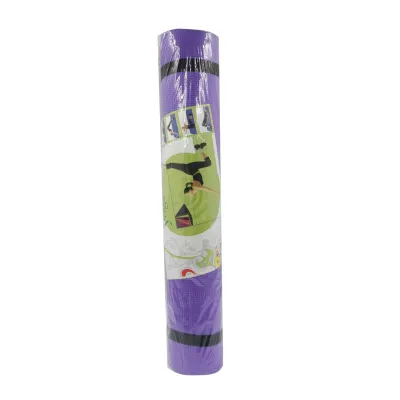
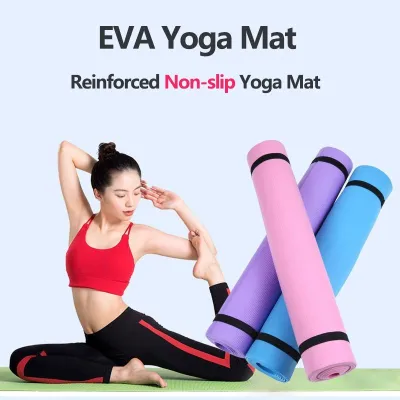
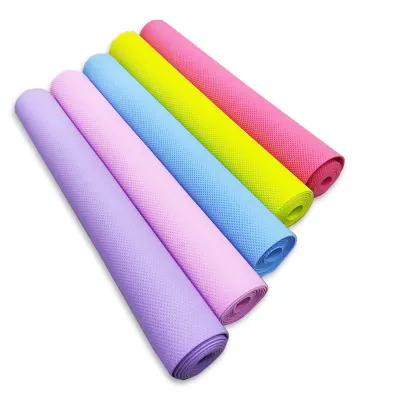
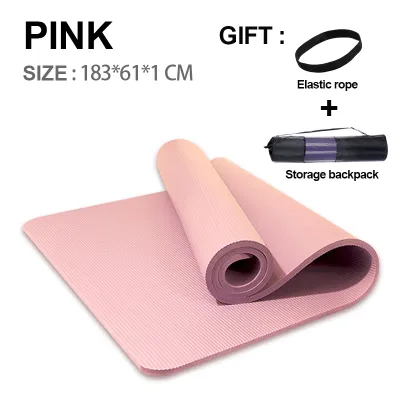
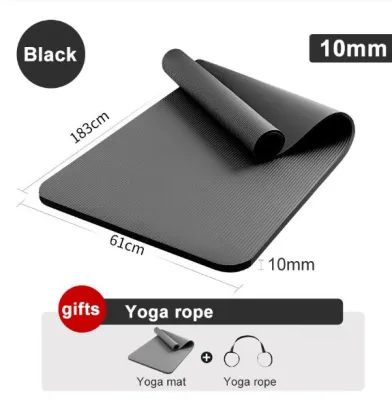
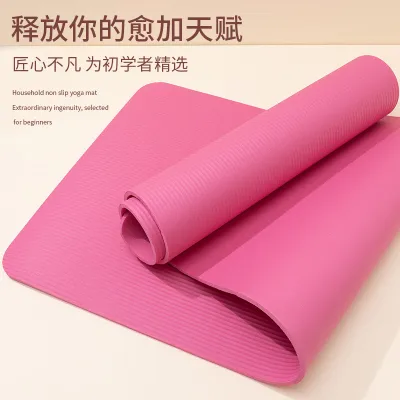
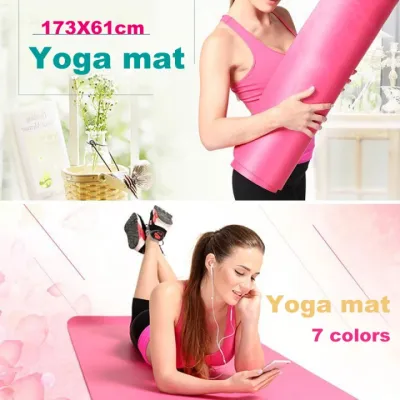
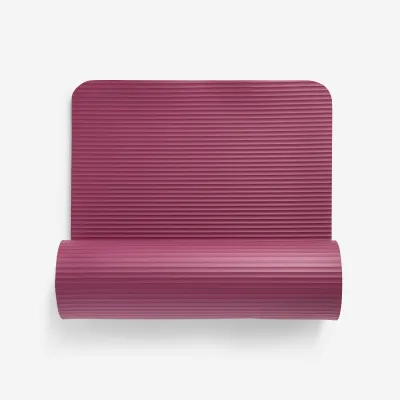
Prices are valid at publication and may change. Please refer to the product page for the latest price.
Sourced from rubber trees, natural rubber provides an open-cell structure with heavy-duty stability and an inherently high-traction surface. It is highly biodegradable and offers excellent grip even during intense, sweaty transitions. The trade-off is its weight; natural rubber mats are significantly heavier than synthetic alternatives. Additionally, anyone with a latex sensitivity must check the product packaging, as natural rubber contains latex proteins that can trigger allergic reactions.
Cork mats feature a natural cork top layer bonded to a backing material, usually TPE or natural rubber. Cork contains natural compounds that resist mold and mildew, which is highly beneficial in humid climates. Its unique surface texture actually becomes grippier when wet, making it excellent for sweaty practices. However, cork requires gentle handling and specific cleaning routines to prevent the natural wood fibers from drying out, cracking, or flaking over time.
Comparing Key Performance Dimensions
The way a mat responds to moisture is critical for safety during dynamic transitions. Closed-cell materials like PVC and standard TPE provide excellent dry grip but can become slippery water slides once sweat pools on the surface. Conversely, open-cell natural rubber and porous cork absorb moisture or use it to increase surface friction, providing reliable traction without requiring a separate yoga towel.

PVC leads in longevity, often lasting for years without showing signs of compression or wear. Natural rubber and cork are biodegradable, meaning they naturally break down over time when exposed to air, sweat, and sunlight. To preserve these natural materials, you must avoid harsh chemical cleaners, alcohol-based sprays, or soaking them in water, as these practices strip natural oils and accelerate degradation.
If you frequently commute to studios or travel, weight is a major consideration. TPE mats typically weigh under one kilogram, making them highly portable. Natural rubber mats of equivalent thickness can easily exceed two and a half kilograms, which provides excellent floor stability but makes carrying them long distances a chore. Cork sits in the middle, offering a natural feel with moderate weight depending on the backing material used.
| Material | Grip Type | Durability | Weight | Eco-Friendliness | Best For |
|---|---|---|---|---|---|
| TPE | Moderate (Dry) | Moderate | Very Lightweight | Recyclable | Travel & Gentle Flows |
| PVC | High (Dry) | Very High | Moderate to Heavy | Low | High-Impact & Longevity |
| Natural Rubber | High (Wet & Dry) | Moderate | Heavy | Biodegradable | Dynamic & Hot Yoga |
| Cork | High (Wet) | Moderate | Moderate | Highly Renewable | Hot Yoga & Humid Spaces |
Matching the Mat to Your Practice Style
In high-temperature environments or intense Vinyasa classes where sweating is inevitable, managing moisture is your primary safety concern. Natural rubber and cork hybrid mats excel here because their surfaces maintain traction when wet. A cork mat’s grip actually improves as you sweat, reducing the need to constantly reposition a towel. If you choose a closed-cell PVC or TPE mat for hot yoga, you will need to pair it with a high-absorbency microfiber yoga towel to prevent slipping.
Dynamic practices that involve rapid transitions, jump-backs, and precise foot placement require a highly stable foundation. Natural rubber is often the preferred choice for these styles because its weight keeps the mat completely flat on the floor, preventing the corners from curling up during movement. The high-traction surface allows you to hold wide stances, like Warrior II, without your feet slowly sliding outward.
If your practice involves holding poses for long periods on the floor, or if you have sensitive knees and wrists, cushioning is your top priority. Thicker PVC mats (around 6mm) or high-density TPE mats provide excellent compression resistance, preventing your joints from pressing directly against the hard floor. When evaluating joint support, look for high-density materials that do not fully compress or “bottom out” when you place your full weight on a single knee or elbow.
For yogis on the move, heavy mats are impractical. Lightweight TPE mats or ultra-thin natural rubber travel mats (around 1.5mm to 2mm) are designed to fold or roll tightly into a backpack. If you practice outdoors on grass or concrete, ensure the underside of the mat has a durable, easy-to-clean texture that can withstand rougher surfaces without tearing.
Final Decision Framework and Purchasing Checklist
To finalize your choice, use these straightforward decision rules based on your primary practice needs:
- Choose Natural Rubber if you require heavy-duty, reliable grip for dynamic flows and do not mind carrying a heavier mat.
- Choose TPE if you prioritize a lightweight, budget-friendly, and easily portable mat for gentle or travel-based practice.
- Choose PVC if you need maximum joint cushioning, long-term durability, and practice primarily in dry, air-conditioned spaces.
- Choose Cork if you prefer natural, sustainable materials and want a surface that naturally handles sweat and humidity.
Before purchasing, run through this verification checklist to ensure the mat fits your physical requirements and lifestyle:
- Thickness: Verify if the mat is 3mm to 4mm for standard balance, 5mm to 6mm for joint cushioning, or under 2mm for travel.
- Weight: Check the product specifications; mats over 2kg can be tiring to carry without a dedicated strap or bag.
- Allergy Warnings: Ensure the product label explicitly states "latex-free" if you have a known sensitivity to natural rubber.
- Care Instructions: Read the manufacturer's cleaning guidelines to ensure you have the appropriate space and supplies to maintain the material.
Whenever possible, visit a local sports store to feel the surface texture in person. Individual skin dryness, sweat chemistry, and even local humidity levels can significantly affect how grippy a material feels to your specific touch.
Frequently Asked Questions (FAQ)
How do I clean a cork or natural rubber yoga mat without damaging it?
Natural materials require gentle care to prevent premature breakdown. Wipe down your cork or natural rubber mat using a soft cloth dampened with water and a few drops of mild, non-oil-based soap. Avoid soaking the mat entirely, putting it in a washing machine, or using harsh chemical sprays, as these can strip the natural rubber or cause the cork to flake. Always allow the mat to air dry completely in a shaded, well-ventilated area away from direct sunlight before rolling it up.
Is a thicker yoga mat always better for joint support?
Not necessarily. While thickness provides a physical barrier, the density of the material is what prevents your joints from bottoming out against the hard floor. A thin, high-density natural rubber mat can offer better joint protection and significantly more stability than a thick, low-density foam mat that squishes completely flat under pressure. Furthermore, overly thick mats (above 6mm) can make standing balance poses more difficult by reducing your connection to the floor.
Why does my new TPE or PVC mat feel slippery at first?
New synthetic mats often have a thin film of manufacturing residue or release agents left on the surface from the molding process. This film can make the mat feel slippery during your first few sessions. To resolve this, refer to the manufacturer’s break-in instructions. Many brands recommend gently wiping the surface with a mild dish soap solution and a damp cloth, then letting it air dry completely to strip away the residue and reveal the mat’s true grip.
Community discussion
Share your experience or ask a question. Comments are reviewed before publication.