
The ideal yoga mat material depends entirely on your practice style, sweat levels, and where you roll out your mat. If you practice dynamic flows in a humid climate, natural rubber or cork provides the reliable grip you need when wet. For restorative practices or budget-conscious beginners, lightweight TPE or durable PVC offers excellent cushioning. Choosing the right material requires balancing traction, weight, durability, and environmental impact to match your personal routine.
Assessing Your Practice Needs Before Choosing a Material
Your primary style of yoga dictates the level of grip and cushioning required. Dynamic flows like Vinyasa demand high traction to prevent your hands and feet from sliding, whereas slower, floor-based styles like Yin prioritize comfortable cushioning to support your joints during long holds. If you frequently travel or commute, a heavy mat can quickly become a burden, making a lightweight option highly desirable.
In warm, humid climates, sweat is an inevitable part of any active session, which means you must consider how well a material handles moisture. Additionally, budget constraints and personal values—such as a preference for biodegradable, sustainably sourced materials—will help narrow down your choices. Physical sensitivities are also critical; some individuals have severe latex allergies, which immediately rules out certain natural materials, while others require high-density support for joint comfort.
Products mentioned in this guide
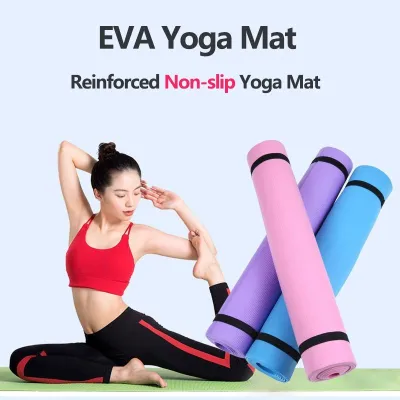
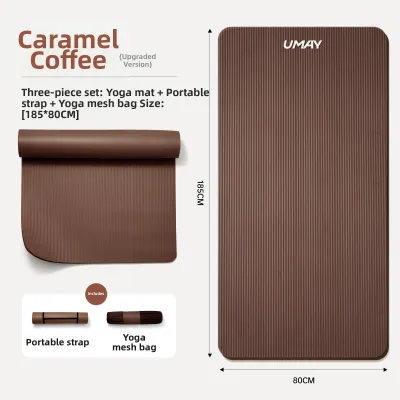

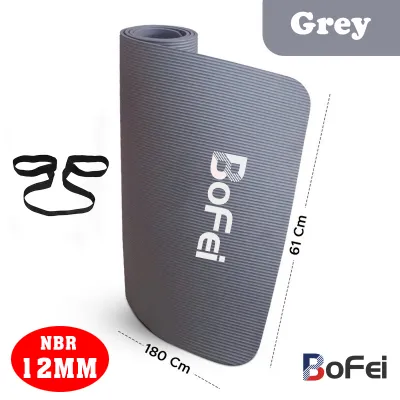
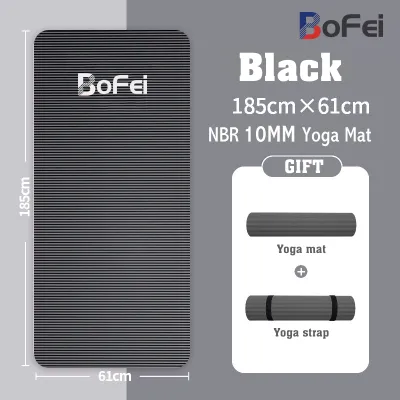
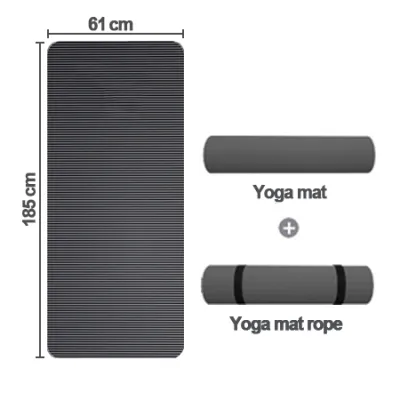
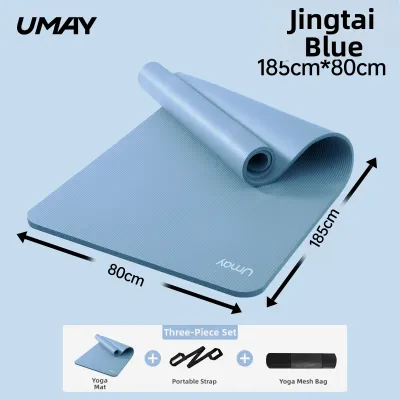
Prices are valid at publication and may change. Please refer to the product page for the latest price.
Comparing the Four Main Yoga Mat Materials
PVC (Polyvinyl Chloride) Mats
Polyvinyl Chloride, commonly known as PVC, is the traditional material used to manufacture classic yoga mats. These mats are highly favored for their exceptional durability and budget-friendly price points, making them a common choice for beginners. A high-quality PVC mat can withstand years of daily use without flaking, tearing, or losing its shape, even under intense wear.

When shopping, check the manufacturer’s labels for safety and construction details, looking for options explicitly labeled as phthalate-free and closed-cell. Closed-cell mats do not absorb moisture, making them incredibly easy to wipe clean after a sweaty session, though sweat will pool on the surface and require a towel. The primary drawback of PVC is its environmental footprint, as the material is not biodegradable and requires a break-in period to achieve its optimal, non-slip grip.
TPE (Thermoplastic Elastomer) Mats
Thermoplastic Elastomer, or TPE, serves as a popular middle-ground material that blends the benefits of synthetic engineering with improved eco-credentials. TPE mats are typically made from a blend of plastic and rubber polymers, resulting in a product that is fully recyclable at the end of its lifespan. When purchasing, verify the recycling claims and material composition on the product tag to ensure you are getting a genuine TPE blend.
One of the most significant advantages of TPE is its incredibly lightweight nature, offering comfortable cushioning without adding unnecessary bulk to your gear. However, TPE has distinct limitations when exposed to extreme conditions. The material is sensitive to high heat and direct sunlight, which can cause it to degrade or warp over time. Furthermore, in high-sweat conditions, the surface can become slick, requiring the addition of a microfiber towel to maintain traction.
Natural Rubber Mats
Natural rubber mats are highly regarded by dedicated yogis for their exceptional, dry-surface grip and sustainable origins. Harvested from rubber trees, this material is fully biodegradable and free from synthetic plastics, making it an excellent choice for environmentally conscious practitioners. Before purchasing, always confirm the absence of synthetic fillers and check for explicit latex allergy warnings, as natural rubber naturally contains latex proteins.
The open-cell structure of natural rubber is what gives it such exceptional traction, allowing the mat to absorb tiny amounts of moisture to keep the surface dry and slip-free. However, the trade-off for this high performance is weight, price, and maintenance. Natural rubber mats are significantly heavier than synthetic options and carry a higher price tag, often costing several thousand pesos (₱). Because the open-cell structure absorbs sweat, these mats require regular, careful cleaning to prevent the buildup of odors.
Cork and Hybrid Surface Mats
Cork yoga mats offer a unique, natural alternative by combining a thin layer of sustainably harvested cork with a supportive base material. The standout feature of cork is its natural antimicrobial properties, which help resist mold, mildew, and unpleasant odors. This makes cork an exceptionally hygienic option, especially in warm, humid environments where bacteria thrive.
Unlike synthetic materials, cork actually becomes grippier as it gets wet because the natural waxy substances in cork react to moisture. To ensure stability, cork surfaces are laminated to a base layer, typically made of natural rubber or TPE, which determines the mat’s overall weight. To keep a cork mat in top condition and prevent cracking, never fold it; always roll it loosely with the cork side facing outward and clean it gently.
How to Verify Grip, Durability, and Eco-Credentials
With so many marketing claims surrounding yoga mats, it is crucial to know how to verify a product’s actual performance and quality. To test traction, perform a simple hand-slip test in a Downward-Facing Dog position, applying forward pressure on both dry and slightly damp surfaces. To estimate the lifespan of a mat, inspect its physical construction closely. Check the edge binding for fraying layers and press your thumb firmly into the material; a durable, high-density mat will resist deep compression and spring back immediately.
When evaluating environmental claims, look past vague buzzwords like “green,” “natural,” or “eco-friendly.” Instead, search for recognized third-party certifications printed on the packaging or manufacturer’s website. Certifications such as OEKO-TEX Standard 100 ensure the material is free from harmful levels of toxic chemicals, while the Forest Stewardship Council (FSC) certification guarantees that cork or rubber was harvested from responsibly managed forests.
Matching the Material to Your Practice Environment
Your typical practice environment should ultimately dictate which material you choose. If you primarily practice hot yoga, power flows, or exercise in warm, non-air-conditioned spaces, open-cell natural rubber or cork is highly recommended. These materials manage sweat effectively, though you may still want to pair them with a specialized microfiber yoga towel to absorb excess moisture and protect the surface.
For outdoor practices, travel, or shared gym spaces, closed-cell TPE or PVC mats are much more practical because their non-porous surfaces prevent dirt and moisture from soaking into the core. Regardless of the material you select, establishing a proper cleaning and storage routine is vital to protect your investment. Avoid leaving any yoga mat in a hot car trunk or in direct sunlight, as UV rays and extreme heat will rapidly degrade rubber, TPE, and cork. Allow your mat to air dry completely in a shaded, well-ventilated area before rolling it up.
Frequently Asked Questions (FAQ)
Can I use a natural rubber yoga mat if I have a latex allergy?
No, you should avoid using a natural rubber yoga mat if you have a known latex allergy. Because natural rubber is harvested directly from rubber trees, it contains the natural latex proteins that trigger allergic reactions. Even with protective clothing or towels, contact with the mat can cause skin irritation or respiratory discomfort. If you are sensitive to latex, opt for safe synthetic alternatives such as TPE or high-quality, phthalate-free PVC mats.
How do I clean a cork yoga mat without damaging the surface?
To clean a cork yoga mat safely, wipe the surface gently with a soft cloth dampened with water and a tiny drop of mild dish soap. Avoid using harsh chemical cleaners, bleach, or abrasive scrubs, which can break down the natural cork binders and cause the surface to flake. Never submerge a cork mat in water, soak it in a tub, or put it in a washing machine. Always allow the mat to air dry completely in a flat, shaded position before rolling it up with the cork side facing outward.
Is a thicker yoga mat always better for joint support?
A thicker yoga mat is not automatically better for joint support, as material density is far more important than thickness alone. A very thick but soft, low-density foam mat can bottom out under your weight, leaving your joints pressing directly against the hard floor. Conversely, a slightly thinner mat made of high-density natural rubber or dense PVC provides firm, stable resistance that keeps your joints properly cushioned and supported. When choosing a mat, check the specifications for high density to ensure stable support during weight-bearing poses.

Community discussion
Share your experience or ask a question. Comments are reviewed before publication.