
A Xiaomi walking pad can absolutely fit into a small condominium unit, provided you plan your layout with precision. Because these devices are designed specifically for compact urban living, their folding mechanisms and low profiles make them highly adaptable to limited square footage. However, simply having enough floor space to lay the machine down is not enough. To ensure a safe, comfortable, and sustainable home workout routine, you must evaluate active clearance zones, storage accessibility, and the unique structural constraints of multi-family residential buildings.
Assessing Your Condo Space for a Xiaomi Walking Pad
The first step in your space planning journey is identifying where the walking pad will live during use. In a typical compact condo, the most viable locations are the living room, a bedroom corner, or a dedicated work-from-home nook. Before committing to a purchase, you must locate the official manufacturer specifications for the exact model you intend to buy. Xiaomi offers several variations of its walking pad line, and their unfolded lengths, widths, and folding mechanisms differ. Some models fold completely in half, while others feature a non-folding deck with a folding handrail.
Evaluate your room’s shape and existing furniture layout. A long, narrow living room might easily accommodate a walking pad parallel to the sofa, whereas a square studio unit might require placing the machine diagonally or adjacent to a balcony door. Ensure that the proposed workout zone does not block primary traffic paths, emergency exits, or access to built-in wardrobes and kitchen cabinets. If you have to move multiple pieces of heavy furniture every time you want to exercise, the friction of setup will eventually discourage you from using the equipment.
Products mentioned in this guide
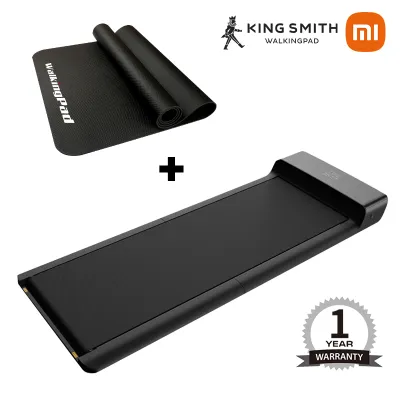
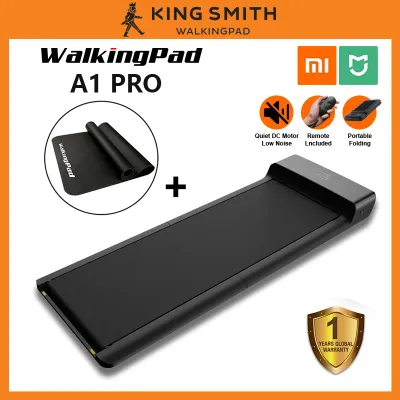
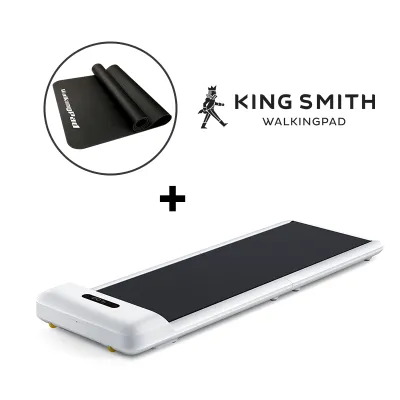
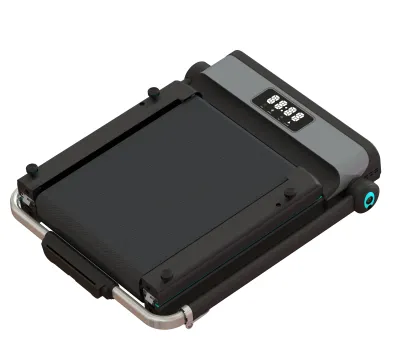
Prices are valid at publication and may change. Please refer to the product page for the latest price.
Measuring Footprint, Clearance, and Storage Space
To calculate the true space required, you must look beyond the physical dimensions of the walking pad itself. The active footprint consists of the machine’s physical frame plus the essential safety clearance zones. Operating a walking pad in a cramped space without proper clearance poses a significant safety risk. If you lose your balance or slip, you need adequate space behind and beside the machine to step off safely.

Most manufacturer user manuals recommend leaving at least 0.5 meters of open space on both sides of the running belt and a minimum of 1 to 1.5 meters of clear space directly behind the unit. Measure your room with these safety margins in mind. If your designated space cannot accommodate these clearances, you may need to rearrange your furniture or select a different area of the condo for your workouts.
Next, plan your storage strategy. If you intend to slide the unit under a bed or sofa when not in use, measure the vertical clearance from the floor to the bottom of the furniture frame. Keep in mind that some models have slightly thicker motor housings at the front, which may require more vertical clearance than the rest of the flat deck.
Additionally, map out the path to your nearest wall outlet. Walking pads draw a consistent amount of electrical power, and manufacturers generally advise plugging them directly into a grounded wall outlet rather than using lightweight extension cords or power strips. Ensure the power cord can reach the outlet without stretching tightly across a walkway, which creates a dangerous tripping hazard.
Navigating Condo Constraints: Weight, Noise, and Access
Condo living introduces shared structural and logistical realities that do not apply to single-family homes. Noise and vibration transmission are primary concerns when operating fitness equipment on upper floors. Even though walking pads are designed to operate quietly, the repetitive impact of your footsteps can transmit low-frequency vibrations through concrete floors, potentially disturbing neighbors living directly below you. To mitigate this, plan to place a high-density equipment mat beneath the machine to absorb impact energy.
Beyond acoustics, consider the physical logistics of getting the equipment into your unit. Before ordering from an online marketplace, verify the dimensions of your building’s service elevator, hallway corridors, and your front door frame. Walking pads are heavy, often weighing between 20 to 40 kilograms, and are shipped in large, bulky boxes. Ensure that you or a delivery team can safely maneuver the packaged unit through tight corners and narrow entryways.
Finally, review your condominium association’s house rules. Some properties have strict regulations regarding the use of heavy fitness equipment, noise levels, or specific hours during which residents may engage in high-impact activities. Proactively checking these guidelines can prevent potential disputes with building management and ensure your home workouts remain stress-free.
Integrating the Walking Pad into a Small Layout
Integrating a walking pad into a small condo requires a balance of functionality and aesthetics. One of the most effective strategies is dual-purpose placement. Positioning the walking pad under a height-adjustable standing desk allows you to walk while working, maximizing both your productivity and your floor space. Alternatively, placing the pad in front of a wall-mounted television or a tablet stand can make your daily steps more engaging.
To maintain a clean, clutter-free living environment, establish a practical daily routine for deploying and stowing the machine. If the process of retrieving, unfolding, and plugging in the walking pad is too cumbersome, you are less likely to use it regularly. Choose a storage spot that is easily accessible, such as a nearby closet or a designated space under a frequently used sofa.
In tropical climates like the Philippines, high humidity and dust accumulation can affect electronic equipment stored close to the floor. If you store your walking pad under a bed or sofa, make it a habit to clean the storage area regularly. This prevents dust bunnies and lint from entering the motor housing or sticking to the running belt’s lubrication, extending the lifespan of your machine.
Frequently Asked Questions (FAQ)
Do I need a special mat for a walking pad in a condo?
Yes, using a high-density equipment mat is highly recommended for condo residents. A proper mat serves multiple purposes: it protects your unit’s flooring (such as vinyl, laminate, or tile) from scratches and pressure indentations, prevents the walking pad from slipping during use, and significantly dampens the vibrations transmitted to the floor below. Check your specific walking pad’s manual for any manufacturer recommendations regarding mat thickness and material compatibility.
Can I store a Xiaomi walking pad upright?
Whether you can store your walking pad vertically depends entirely on the specific model’s design. Some models feature built-in standing feet and a structural frame designed to support upright storage against a wall, while other models must be stored completely flat. Always consult your user manual to verify if vertical storage is supported. If you do store it upright, ensure it is placed on a stable, level surface and secured with safety straps or wall anchors to prevent tipping, especially in homes with pets or high foot traffic.
Community discussion
Share your experience or ask a question. Comments are reviewed before publication.