
Finding a phone wrist holder that fits your device securely requires looking past the advertised screen size. Many runners purchase a holder labeled “fits up to 6.7-inch phones” only to find their device will not slide into the pocket or bounces violently with every stride. The screen size is a diagonal measurement of the display area alone, completely ignoring the physical frame, bezel thickness, and protective case of the phone.
To ensure a secure, bounce-free run, you must match the absolute physical dimensions of your phone—including its protective case—to the internal capacity of the wrist holder. A proper fit prevents the device from slipping, protects it from moisture, and ensures your arm movements remain natural and unrestricted. Understanding how different holder designs accommodate various phone shapes is the first step to making an informed purchase.
Modern smartphones feature diverse aspect ratios, varying bezel widths, and increasingly prominent camera bumps that alter the physical footprint of the device. For example, two phones with identical 6.1-inch screen sizes can differ by several millimeters in height and width due to their structural designs. These minor differences determine whether a phone slides smoothly into a pocket or stretches the seams to the point of tearing.
Products mentioned in this guide
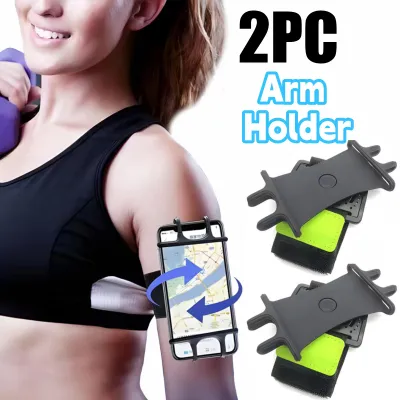
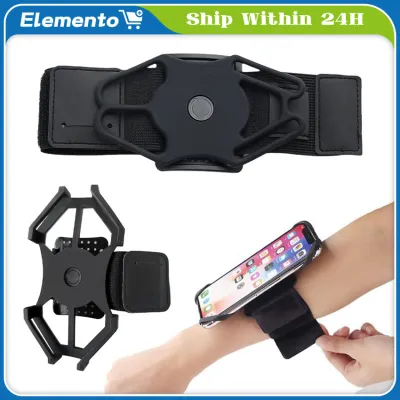
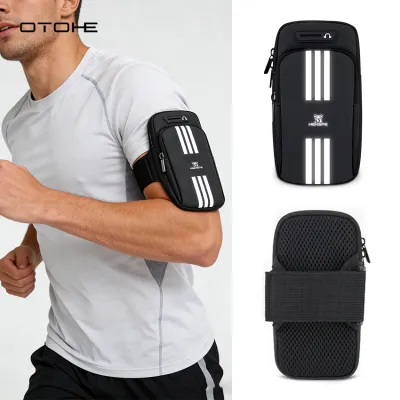
Prices are valid at publication and may change. Please refer to the product page for the latest price.
Furthermore, the protective cases we use daily add significant bulk that manufacturers rarely account for in their standard compatibility lists. A rugged, shockproof case can increase a phone’s thickness by up to 50% and add several millimeters to its width. If you plan to run with your case on, measuring the total combined dimensions is essential to avoid purchasing an unusable accessory.
How to Measure Your Phone for a Wrist Holder
Before browsing online marketplaces, you need to obtain the exact physical measurements of your device in the exact state you plan to run with it. Do not rely on the manufacturer’s official specifications sheet unless you run with a completely bare phone, which is highly discouraged due to drop risks. Grab a standard ruler, a tape measure, or a pair of calipers to record the true dimensions.
Length and Width
Place your phone, with its protective case securely installed, flat on a hard surface. Measure the absolute maximum length from the very top edge to the bottom edge, including any reinforced corners on your case. Next, measure the width from the left edge to the right edge at the widest point, which may include side buttons or integrated grip ridges.
Write these measurements down in millimeters, as most high-quality sports gear manufacturers list their internal pouch dimensions in metric units. Even a two-millimeter discrepancy can prevent a zipper from closing or cause a stretch fabric to constrict your wrist uncomfortably.
Thickness and Camera Bumps
Turn your phone on its side to measure its total thickness at the deepest point. Do not just measure the side frame; make sure to measure from the front screen protector to the outermost edge of the rear camera module. Modern multi-lens camera systems often protrude significantly, creating a high point that can snag on fabric or prevent a rigid holder from laying flat.
If you use a case with an integrated kickstand, a finger ring, or a card holder on the back, measure the thickness at that specific point. Rigid or semi-rigid wrist holders require the phone to sit flush against a backing plate, and any rear protrusion will cause the phone to wobble or sit unevenly, compromising security.
Weight Considerations
Weigh your phone on a kitchen scale with its case attached to understand the physical load you will be placing on your forearm. A standard smartphone weighs between 150 and 200 grams, but larger flagship models equipped with heavy-duty armor cases can easily exceed 280 grams.
This weight dictates the type of strap and structural support your wrist holder requires. A heavy device creates substantial kinetic energy with every arm swing, meaning a thin, elastic band will quickly stretch out and slide down your arm. Heavier setups require wider straps, reinforced backing plates, and highly secure fastening systems to distribute the load.
Comparing to Specs
When shopping, ignore generic compatibility claims like “compatible with all major smartphones” and look specifically for the manufacturer’s internal pouch dimensions. If a product listing only provides external dimensions, subtract at least 5 to 8 millimeters from the length and width to estimate the actual internal capacity.
If the seller does not provide internal dimensions, look for user-submitted questions or contact the manufacturer directly. Choosing a holder that matches your measured dimensions within a 2- to 3-millimeter margin ensures a snug fit that prevents internal shifting without putting excessive strain on the zippers or seams.
Wrist Holder Designs and Their Size Limits
Running wrist holders come in several distinct structural designs, each offering different levels of flexibility, security, and size tolerance. Selecting the right design depends heavily on how much your phone’s dimensions deviate from standard sizes and whether you prioritize quick screen access over maximum weather protection.

Stretchy Sleeves and Spandex Pouches
Stretchy sleeves are constructed from highly elastic fabrics like spandex, lycra, or polyester blends, designed to pull directly over your hand and sit snugly on your forearm or wrist. These holders do not use structured straps; instead, they rely entirely on the compression of the fabric to hold the phone flat against your skin.
- The Sizing Sweet Spot: These sleeves accommodate a moderate range of phone widths and thicknesses because the fabric naturally expands to wrap around the device. They are highly forgiving for phones with slim cases or slightly unusual aspect ratios.
- The Risks of Poor Sizing: If your phone is too large for the sleeve, it will overstretch the fabric, creating intense pressure against your arm that can restrict blood circulation during long runs. Conversely, if the phone is too small, the fabric will not stretch enough to generate the necessary friction, causing the phone to bounce, slide, and cause painful skin chafing.
- Material Degradation: Overstretching a spandex sleeve accelerates the breakdown of the elastic fibers, especially when exposed to salty sweat and tropical humidity. Within a few weeks of daily use, an overstretched sleeve will lose its recovery memory and fail to hold even smaller devices securely.
Adjustable Velcro and Strap Bands
Adjustable strap bands feature a semi-rigid central platform or pocket that holds the phone, secured to your arm by a separate, adjustable elastic strap with hook-and-loop fasteners. This design is highly popular because it allows you to customize the tightness of the band independently of the phone’s size.
- Broader Compatibility: Because the strap wraps around the outside of the platform, these holders can easily accommodate thicker devices, rugged cases, and even small external battery packs. The adjustable nature of the strap means you can wear the holder on your wrist, forearm, or even lower bicep depending on your comfort.
- Critical Limitations: The primary limitation is the physical width of the central platform or pocket. If your phone is significantly wider than the platform, the edges will overhang, making the setup unstable and prone to catching on your clothing or brushing against your body during your stride.
- Strap Length and Tension: If you have exceptionally slender wrists or are mounting a very thick phone, ensure the velcro strap has enough overlap to grip securely. A thick phone consumes more of the strap's length, leaving less velcro surface area to bond, which can cause the strap to pop open under the stress of a sprint.
Hard Cases and Clip-On Mounts
Mechanical wrist mounts utilize a rigid plastic or silicone bracket that clamps onto the corners of the phone, or a proprietary adapter plate adhered to your phone case that clicks into a mechanical receiver on the wrist strap. These systems offer the most secure physical connection and allow you to rotate the phone between portrait and landscape modes.
- Exact Dimensional Matching: These systems require absolute precision. Silicone corner-strap mounts have strict physical limits on how far they can stretch before the silicone tears or slips off the corners of the phone. Model-specific hard cases offer zero tolerance for aftermarket phone cases.
- Case Incompatibility: If you use a mechanical mount that requires a specific phone case, you must commit to using that case for all your runs. Universal clamp-style mounts often have maximum thickness limits of 10 to 12 millimeters, meaning thick, rugged cases will be rejected entirely.
- Vibration and Wear: While highly secure, mechanical mounts transmit all the vibrations of your stride directly to the phone's internal components. Over time, the plastic clips and locking teeth can wear down, especially when exposed to fine dust, sand, or salt from sweat, requiring regular inspection of the locking mechanism.
Beyond Dimensions: Ensuring a Secure and Comfortable Fit
While matching physical dimensions is critical, real-world running conditions introduce dynamic forces and environmental factors that affect how a wrist holder performs. A holder that fits perfectly on a stationary arm can quickly become a nuisance once you start sweating and moving at pace.
Weight Distribution and Balance
When you run, your arms act as pendulums, swinging back and forth to help balance your stride. Placing a heavy smartphone on your wrist or forearm adds weight to the end of that pendulum, increasing the centrifugal force and torque acting on your arm muscles.
To minimize muscle fatigue and prevent the holder from sliding down, look for designs with wide, padded straps that distribute the weight over a larger surface area. A strap that is at least 5 centimeters wide prevents the holder from cutting into your skin and helps damp the bouncing motion of heavier flagship phones.
Grip and Anti-Slip Features
Running in hot, humid tropical climates like the Philippines means you will sweat heavily within the first few minutes of your workout. Standard fabric backings will quickly absorb sweat, lose their friction, and begin sliding down your forearm or rotating around your wrist.
Look for wrist holders that feature interior silicone bead patterns, textured rubberized backings, or neoprene linings. These materials maintain their grip against wet skin or clothing, preventing the holder from shifting even during high-intensity intervals or long, humid trail runs.
Climate and Material Breathability
Neoprene is a popular material for sports bands because of its durability and water resistance, but it acts as an insulator, trapping body heat against your skin. In warm, humid environments, this can lead to localized heat rash, severe sweating, and painful chafing where the band contacts your skin.
For tropical running, prioritize lightweight, perforated fabrics, moisture-wicking nylon blends, or open-frame silicone mounts that maximize airflow. If you choose a fabric pouch, ensure it is machine washable, as sweat buildup will quickly lead to bacterial growth and unpleasant odors.
Screen Access and Protection
Consider how you interact with your phone during a run. If you constantly check your pace, change music tracks, or reply to messages, an open-face silicone mount or a holder with a highly sensitive, ultra-thin TPU screen cover is essential.
- Plastic Screen Covers: These protect your screen from sudden downpours and sweat, but they can severely reduce touch sensitivity. If there is an air gap between the plastic cover and your phone screen—which often happens if the holder is slightly too large—you will find yourself tapping repeatedly to register a single touch.
- Open-Face Designs: These provide direct, unobstructed access to your touchscreen and facial recognition sensors. However, they leave your screen completely exposed to rain, dust, and sweat, making them less suitable for running in unpredictable weather unless your phone has a high IP water-resistance rating.
Pre-Purchase Checklist for Your Specific Phone
Before finalizing your purchase of a phone wrist holder on any online marketplace or at a local sporting goods store, run through this practical checklist to ensure a perfect fit and avoid the hassle of returns.
- Step 1: Measure with Your Running Case
Use a ruler to measure the exact length, width, and thickness of your phone while it is inside the protective case you plan to use during your runs. Record these measurements in millimeters. - Step 2: Verify the Internal Dimensions
Check the product's detailed specification sheet for the "maximum internal dimensions" or "pouch size." Ignore vague marketing labels like "universal fit" or "fits all 6.7-inch phones" and ensure your measured dimensions are at least 2 to 3 millimeters smaller than the pouch's maximum capacity. - Step 3: Search User Reviews for Your Phone Model
Search the customer reviews on ecommerce platforms using your specific phone model name (e.g., "iPhone 15 Pro Max" or "Samsung S24 Ultra"). Look for feedback regarding how tightly the phone fits, whether the camera bump causes issues, and if the touchscreen remains responsive through the plastic cover. - Step 4: Check the Return and Exchange Policy
Because wrist shapes, forearm circumferences, and comfort preferences vary wildly from person to person, ensure the retailer offers a clear, hassle-free return policy. This allows you to test the fit and comfort of the holder in your living room before committing to a run outdoors.
Frequently Asked Questions (FAQ)
Can I use my phone case with a running wrist holder?
Yes, you can use a phone case with a running wrist holder, but it depends entirely on the design of the holder and the bulk of your case. Stretchy spandex sleeves and slim zippered pouches can easily accommodate thin, minimalist silicone cases, but they will reject thick, rugged armor cases or cases with integrated kickstands and card holders.
If you prefer using a heavy-duty, shockproof case, you should look for adjustable velcro strap bands with open-face silicone mounts or adjustable clamps, as these designs offer the physical flexibility needed to grip thicker profiles. Always measure your phone with the case on before purchasing, and never force a bulky case into a tight fabric pocket, as the excessive pressure can damage your phone’s screen or tear the holder’s seams.
Will a heavy, large phone cause the wrist holder to slide down my arm?
Yes, heavy flagship phones (especially those weighing over 200 grams) can easily cause a wrist holder to slide down your forearm during a run due to the constant downward force and momentum of your arm swing. This issue is amplified when you sweat, as the moisture reduces the friction between the band and your skin.
To prevent sliding, choose a wrist holder with a wide, padded strap (at least 5 centimeters) that distributes the weight, and look for interior anti-slip features like silicone grip beads or textured rubber linings. Additionally, try wearing the holder slightly higher up on your forearm where the muscle is wider, or look for designs that feature an integrated thumb-loop strap, which physically anchors the band and prevents it from sliding down past your wrist.
Community discussion
Share your experience or ask a question. Comments are reviewed before publication.