
Starting a running journey can quickly feel overwhelming when you are faced with walls of specialized gear, high-tech wearables, and compression apparel. However, the barrier to entry is far lower than marketing campaigns suggest. To run safely and comfortably, women only need two foundational investments: a properly fitted pair of running shoes and a high-support sports bra. Almost every other piece of running equipment for women is an optional upgrade that becomes useful only as your distance, frequency, and specific training goals evolve.
Quick Diagnostic: Where Does Your Current Gear Stand?
To determine where your current gear stands, listen to your body rather than retail trends. If you finish a run with sore arches, knee discomfort, or painful chafing along your ribcage, your gear is actively failing to protect you. Conversely, if you are running comfortably but feel limited by your phone bouncing in your hand or a lack of performance data, you are ready to look at targeted upgrades. Evaluating your gear through this lens ensures you spend your budget where it directly impacts your physical health.
Before spending money on new gear, take a moment to assess your physical feedback from recent runs. Are you experiencing persistent muscle soreness that outlasts a typical recovery window? Do you find yourself cutting runs short due to blisters or clothing irritation? Your training evolution—such as moving from casual jogging to structured distance training—should dictate your purchases. This step-by-step evaluation will help you prioritize your budget effectively, ensuring you only buy what serves your current athletic needs.
Products mentioned in this guide
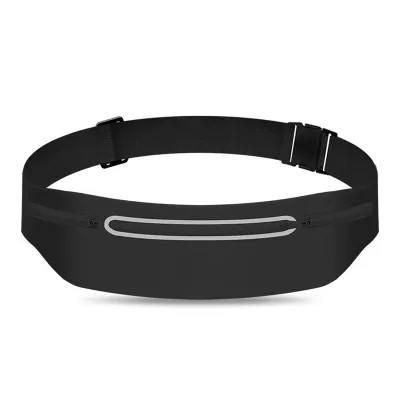
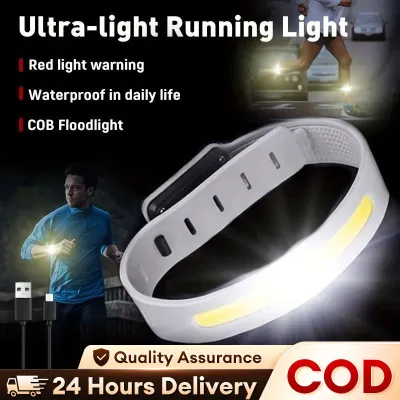
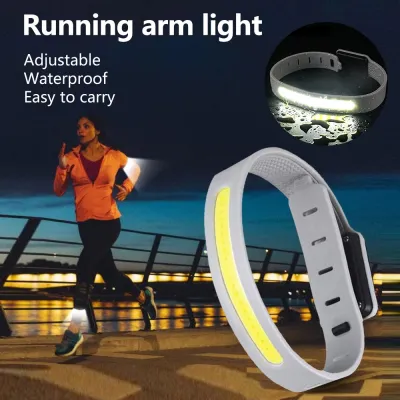
Prices are valid at publication and may change. Please refer to the product page for the latest price.
The Non-Negotiables: Essential Gear to Protect Your Body
Before browsing advanced fitness trackers or specialized hydration systems, you must secure the items that protect your joints, soft tissues, and skin. Running is a high-impact sport that subjects your body to forces several times your body weight with every stride. Investing in high-quality essentials is not about luxury; it is about preventing injury and ensuring you can maintain a consistent training routine without physical setbacks.

It is important to remember that “essential” does not mean buying the most expensive products on the shelf. Instead, it means finding gear that is correctly fitted to your unique anatomy and purpose-built for the mechanics of running. A budget-friendly, properly fitted shoe will always outperform a premium, high-end model that does not suit your foot shape or stride.
Properly Fitted Running Shoes
Running shoes are engineered specifically for forward linear motion, featuring specialized cushioning systems and heel-to-toe drops designed to absorb impact and guide your foot transition. This distinguishes them from flat-soled gym trainers or lateral-support court shoes, which can lead to shin splints or plantar fasciitis if used for high-mileage running. The right running shoe acts as a protective interface between your body and the pavement.
To assess the fit of a running shoe, look for several key indicators during your trial. There should be roughly a thumb’s width of space between your longest toe and the end of the shoe to accommodate natural foot swelling, which occurs as blood flow increases during a run. The heel must remain locked in place without slipping when you walk or jog, and the toe-box should be wide enough to let your toes splay naturally without pinching the sides of your feet.
When choosing your shoes, visit a specialized running store where staff can perform a gait analysis to observe how your feet land and roll. If you prefer shopping online, prioritize retailers with flexible return policies that allow you to test the shoes on a short treadmill run. Avoid buying shoes based solely on aesthetics, colorways, or brand popularity; focus entirely on how the shoe supports your natural stride.
High-Support Sports Bras
Breast tissue is supported primarily by skin and delicate Cooper’s ligaments, which can stretch permanently under the repetitive vertical, lateral, and figure-eight movement patterns of running. A standard everyday bra or low-impact yoga bralette does not offer the structural support needed to prevent tissue strain, upper back tension, and shoulder pain. A high-support sports bra is a critical piece of protective equipment for every female runner, regardless of cup size.
When shopping, you will encounter two main designs: compression bras and encapsulation bras. Compression bras press the breast tissue flat against the chest wall and are highly effective for smaller cup sizes (A to B). Encapsulation bras feature individual cups that surround and support each breast separately, making them highly recommended for larger cup sizes (C and above) to manage high-impact forces.
To evaluate the fit of a sports bra, use a simple checklist before heading out. The lower band should feel snug and sit level around your ribcage, as it provides about 80% of the bra’s total support. You should be able to fit two fingers under the shoulder straps comfortably without them digging in or slipping off. Finally, ensure there is no breast tissue spilling over the top or sides, and verify that the bra does not restrict your ability to take deep, full breaths.
Moisture-Wicking and Anti-Chafe Basics
In tropical, high-humidity environments, fabric selection directly affects your body’s ability to regulate temperature. Cotton is highly absorbent; it holds onto sweat, becomes heavy, sags, and creates intense friction against your skin. This leads to painful chafing in high-friction zones like the inner thighs, underarms, and along the lower band of your sports bra. Technical synthetic fabrics like polyester, nylon, and specialized blends are designed to pull moisture away from your skin so it can evaporate quickly.
To protect your skin, identify your personal high-friction areas early on. Applying a dedicated anti-chafe balm to these zones before you run creates a temporary, moisture-resistant barrier that allows skin to glide smoothly. Additionally, look for apparel featuring seamless construction or flatlock seams, which lay flat against the skin to minimize the risk of abrasion over longer distances.
Before purchasing any running apparel, get into the habit of checking the garment tags and feeling the interior seams. Avoid garments with prominent, thick seams in high-movement areas, and steer clear of heavy decorative elements that might rub against your skin. Investing in a couple of high-quality, moisture-wicking shirts and shorts will keep you comfortable and focused on your training.
The "Nice-to-Haves": Optional Upgrades and When to Buy Them
Once your foundational safety and comfort are secured, you will encounter a vast array of optional gear designed to track, enhance, or accelerate your running progress. While these items can make your runs more enjoyable, they are secondary. The best rule of thumb is to wait to purchase these upgrades until your training volume or environmental conditions expose a clear limitation that your basic gear cannot resolve.
These optional tools are excellent for refining your performance, analyzing your data, or speeding up your recovery, but they cannot compensate for poor shoe fit or inadequate physical preparation. Keep your budget focused on your primary needs first, and let your milestones justify your secondary purchases.
GPS Watches and Fitness Trackers
For beginners, a free smartphone app is more than adequate for tracking basic metrics like distance, duration, and approximate pace. Carrying your phone in a simple pocket or sleeve allows you to build a baseline without any financial outlay. You should consider upgrading to a dedicated GPS running watch only when you want to train by specific heart rate zones, need real-time pacing feedback without looking at a phone screen, or want to leave your phone behind entirely.
When evaluating GPS watches, focus on practical features rather than choosing the most expensive model with features you may never use. Check the battery life with GPS tracking enabled to ensure it matches your target distances, and verify that the watch’s companion app integrates easily with your existing phone ecosystem or preferred tracking platforms. A mid-range, reliable GPS watch is usually more than enough for recreational runners.
Recovery Tools and Massage Guns
Effective recovery does not require expensive electronic devices. Simple, low-cost tools like a standard high-density foam roller or a firm lacrosse ball are highly effective for myofascial release, helping to break up muscle tension and improve flexibility. These basic tools should be your first line of defense against muscle tightness and can easily be integrated into your daily post-run routine.
In contrast, percussive massage guns, compression boots, and electronic muscle stimulators are premium upgrades. While they offer convenient, targeted relief, they are luxury items rather than necessities. Consider investing in these high-tech recovery tools only if you are increasing your weekly mileage significantly, struggling with persistent muscle soreness that impacts your daily life, and have already maximized your basic stretching and hydration routines.
Specialized Accessories (Hydration Vests, Running Belts)
If your training runs are under 60 minutes and take place in moderate conditions, you generally do not need to carry hydration or nutrition with you. However, as your distance increases, carrying keys, cards, hydration, and energy gels becomes a logistical challenge. Running belts are a compact, low-profile solution for carrying small essentials close to your waist without bouncing.
As you transition to long runs exceeding 90 minutes, trail running, or training in extreme heat, a hydration vest becomes an essential carrying solution. These vests distribute weight evenly across your torso and allow you to carry larger volumes of water alongside nutrition and emergency gear. Choose a vest that fits snugly to prevent chafing and bouncing during your stride.
Self-Assessment: 4 Signs You Are Ready to Upgrade
Knowing when to transition from basic gear to specialized upgrades depends on specific physical, environmental, and training indicators. Use these four signals to guide your purchasing decisions.
- Signal 1: Persistent Joint or Skin Discomfort. If you begin experiencing new shin splints, knee pain, or severe chafing despite maintaining proper running form, your gear may be worn out. Running shoes typically lose their protective cushioning after 500 to 800 kilometers of use, while sports bras gradually lose their elasticity and supportive properties over time. Treat persistent physical discomfort as a diagnostic sign that it is time to replace your core essentials.
- Signal 2: Distance and Duration Milestones. Moving from short, casual runs to half-marathon or marathon training changes your body's fueling and hydration needs. If your training sessions regularly exceed 75 to 90 minutes, you can no longer rely on pre-run hydration alone. This milestone is your cue to upgrade from basic apparel to specialized carrying gear like running belts or hydration vests.
- Signal 3: Environmental and Climate Demands. Running in the intense tropical heat and high humidity of the Philippines introduces unique challenges. High sweat rates rapidly deplete hydration and electrolytes, while strong UV exposure increases the risk of sunburn and heat exhaustion. If you find yourself struggling with dehydration or overheating, it is time to upgrade to specialized gear such as lightweight UV-protective apparel, sweat-wicking headbands, and running belts that accommodate handheld flasks or soft bottles.
- Signal 4: Shift in Training Intent. If you decide to transition from casual jogging to structured interval training, heart-rate-based workouts, or trail running, your basic gear may limit your progress. Moving to technical trail running requires shoes with aggressive outsoles for grip on mud and rock, while structured speed workouts are much easier to manage with a dedicated GPS watch that offers interval timers.
Smart Budgeting: How to Prioritize Your Running Spending
To maximize the return on your investment, apply the “Core vs. Periphery” budgeting rule. Allocate approximately 70% to 80% of your initial running budget to your shoes and sports bras. These are the only items that actively protect your skeletal and soft-tissue health, making them the most critical areas to avoid cutting corners.
You can easily save money on the periphery of your gear. Basic moisture-wicking tops, shorts, and running socks do not need to carry premium brand logos to perform well. Budget-friendly athletic brands and general sportswear sections offer highly functional synthetic apparel at a fraction of the cost of high-end running brands, allowing you to build a rotation of training clothes without overspending.
Take a phased approach to your purchases. Start by buying only your shoes and a high-support sports bra, and run in them for at least a month to understand your body’s natural response to the sport. Only buy “nice-to-have” accessories, like running belts or GPS watches, when a specific training challenge arises that requires a gear-based solution. This prevents you from falling into the “starter bundle” trap of buying expensive, comprehensive gear packages before you even know if you enjoy the sport or what your specific biomechanical needs are.
Community discussion
Share your experience or ask a question. Comments are reviewed before publication.