
Neither wooden nor metal parallettes are universally superior; the right choice depends entirely on your grip preferences, training style, and workout environment. Wood generally excels in bare-hand comfort and natural moisture absorption, making it ideal for high-repetition calisthenics and gymnastics. Metal offers a traditional, rigid feel and maximum structural durability, often preferred by those who use chalk or prioritize a classic gym aesthetic. This guide breaks down the critical differences in grip, maintenance, stability, and value to help you select the best equipment for your specific needs.
Core Differences Between Wooden and Metal Parallettes
To understand which material suits your training, it helps to look at how they are physically constructed. Wooden parallettes are typically crafted from dense hardwoods like beech, birch, or maple. Because wood is highly workable, manufacturers can easily shape the bars into ergonomic, slightly oval, or contoured profiles. These shapes are designed to mimic the natural grip of professional gymnastics high bars, distributing pressure more evenly across your palms.
In contrast, metal parallettes are almost always constructed from straight, tubular steel or aluminum pipes welded to flat steel bases. This straight-bar design provides a highly consistent, rigid feel that many traditional strength athletes prefer. While metal bars lack the organic contouring of wood, they offer a uniform diameter throughout the entire length of the bar, which is excellent for standardizing your grip placement.
Products mentioned in this guide
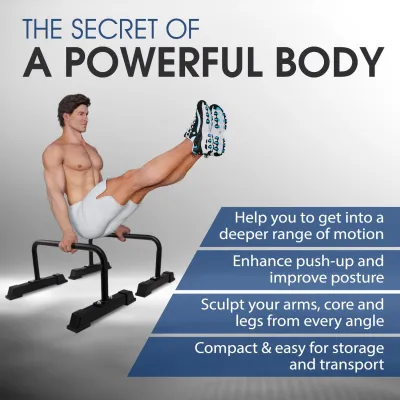
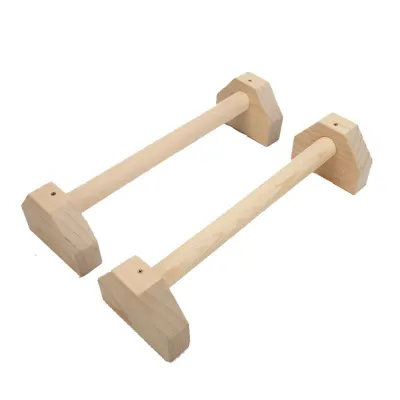
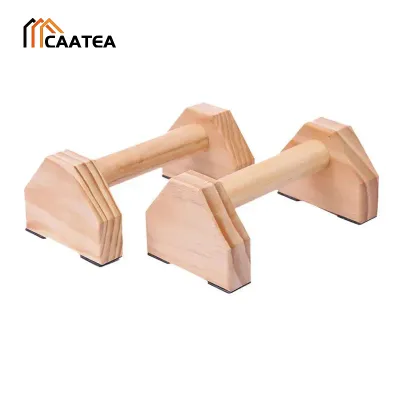
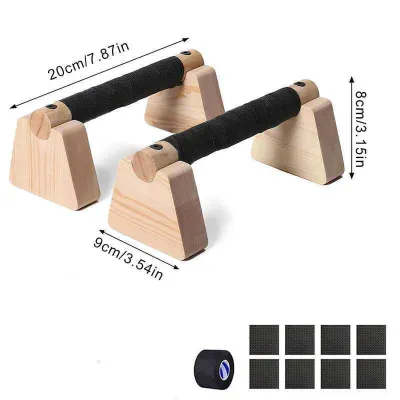
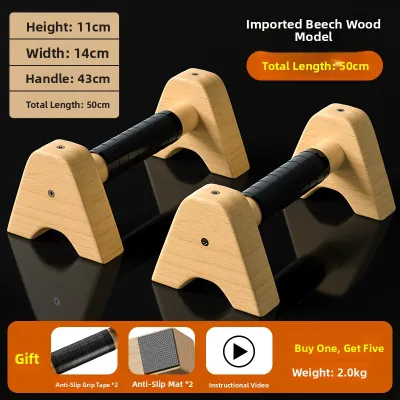
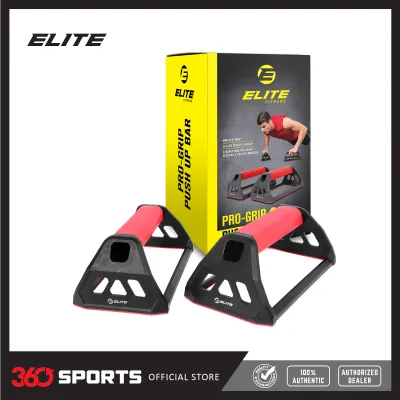
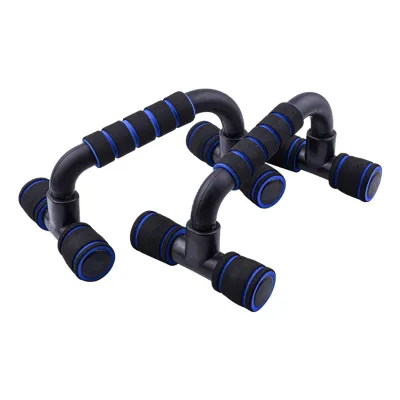
Prices are valid at publication and may change. Please refer to the product page for the latest price.
Weight and portability also differ significantly between the two materials. Wood is naturally lighter than steel, making wooden parallettes highly portable. If you frequently pack your gear in a backpack to train at a local park or move your setup between different rooms, wood offers a distinct advantage. Metal parallettes, particularly those made of heavy-gauge steel, provide a much heavier, anchored feel on the floor. This extra weight can make the equipment feel exceptionally solid, though it makes them less convenient to carry around.
Finally, the surface finishes of these materials create very different tactile experiences. Wooden parallettes are usually finely sanded to a smooth, natural finish, though some may feature a light, protective clear coat. Metal parallettes are almost always finished with a powder coating, paint, or textured knurling. This coating is essential not only for grip but also to protect the underlying metal from environmental exposure.
Grip and Comfort: Which Material Feels Better?
Grip is arguably the most critical factor when performing advanced calisthenics movements like handstands, planches, or L-sits. Wood possesses natural moisture-wicking properties that make it highly comfortable for bare-hand training. When your palms begin to sweat during an intense workout, the porous surface of unfinished or lightly sanded wood absorbs minor moisture. This natural absorption helps you maintain a secure hold without the immediate need to apply gym chalk, reducing the risk of slipping during critical transitions.

Metal behaves very differently under sweaty conditions. Smooth powder-coated or painted metal surfaces can become slick when wet, which often requires the frequent application of chalk to maintain a safe grip. While some metal parallettes feature aggressive knurling—similar to the textured grip on a barbell—this rough surface can be tough on your skin during high-volume training. If your hands rotate slightly on the bar during dynamic movements, knurled metal can quickly cause calluses or skin tears.
Temperature is another comfort factor to keep in mind. In air-conditioned home gyms or during cooler mornings, metal bars can feel uncomfortably cold to the touch, requiring a warm-up period before they feel comfortable in your hands. Wood, being a natural insulator, maintains a neutral, warm temperature regardless of the surrounding climate, allowing you to start your training immediately without cold palms.
To match your grip preference to your training style, consider how you prefer to train. If you prefer bare-hand training without chalk or gloves, wood offers a smoother, skin-friendly surface that minimizes friction blisters. For high-volume handstand practice, wood’s slight natural yield and ergonomic shapes can help reduce wrist strain. However, if you perform heavy weighted dips or dynamic releases where a solid, unyielding lock is required, textured metal paired with chalk provides a highly secure, non-slip interface.
Durability and Maintenance for Home Gyms
The longevity of your parallettes depends heavily on how well the material handles your training environment. Wood requires active protection from moisture and extreme humidity. In a tropical climate like the Philippines, leaving wooden parallettes in an open garage, outdoor patio, or high-humidity storage area can cause the wood to warp, swell, or develop mold over time.
To maintain wooden parallettes, you must wipe them down with a dry microfiber cloth after every session to remove sweat and skin oils. Periodically inspect the bars for any signs of splintering, hairline cracks, or wear on the protective finish. Storing them indoors in a dry, well-ventilated room is essential to preserving their structural integrity and ensuring they remain safe to use.
Metal parallettes are highly durable but are not entirely maintenance-free. The primary threat to metal equipment is rust, especially in humid environments or coastal areas. If the protective powder coating or paint chips due to contact with concrete or other metal gear, the exposed steel underneath can quickly begin to oxidize.
Maintaining metal parallettes involves checking the welds and bolt connections regularly to ensure no structural weak points are developing. If you notice scratches or chips in the paint, applying a rust-inhibiting touch-up paint can prevent corrosion from spreading. Unlike wood, metal can handle being stored in a garage gym, provided the coating remains intact and you wipe away pooled sweat after workouts.
Stability and Weight Capacity Checks
A common misconception is that heavier metal parallettes are inherently safer and more stable than lighter wooden ones. In reality, stability is a function of engineering and base design rather than material weight alone. A poorly designed metal set with a narrow base will tip over much faster than a well-designed wooden set with wide, stable feet.
When evaluating stability, look closely at the footprint of the parallettes. The wider the base feet are relative to the height of the bar, the more stable the unit will be during lateral movements like side-to-side transitions or dynamic swings. Look for models that feature wide T-bars or continuous flat steel bases that distribute weight evenly across the floor.
The quality of the non-slip padding on the bottom of the bases is also critical. High-quality rubber or silicone feet prevent the parallettes from sliding on smooth surfaces like tiles, hardwood, or polished concrete. Without proper grip pads, even the heaviest metal parallettes can slide during an L-sit, risking injury.
Before purchasing, use this checklist to verify safety and stability:
- Check the Base Width: Ensure the base width is at least half the total height of the parallettes to prevent tipping during lateral movements.
- Verify Weight Limits: Read the manufacturer's specifications to confirm the maximum weight capacity matches your body weight plus any added weight (like weighted vests or belts) you plan to use.
- Inspect the Feet: Look for thick, non-marking rubber pads that are securely attached to the base, rather than thin adhesive stickers that can easily peel off.
- Assess the Height: Taller parallettes (often called parallette bars or dip bars) require significantly wider bases than low-profile push-up parallettes to maintain the same level of stability.
Price and Value Considerations
Parallettes are available across a wide range of price points, and understanding what you are paying for can help you make a smarter investment. Wooden parallettes often command a premium price, especially those crafted from single pieces of hardwood or featuring precision joinery and ergonomic, CNC-machined contours. The cost reflects the manufacturing complexity of shaping, sanding, and finishing high-quality wood.
Metal parallettes offer a broader spectrum of pricing. Simple, mass-produced steel pipe parallettes are often highly budget-friendly, making them an accessible entry point for beginners. However, high-end metal options—featuring heavy-duty gauge steel, professional-grade powder coating, and precision welds—can easily match or exceed the price of premium wooden sets.
When deciding how much to spend, consider which features justify a higher price tag. Premium non-slip rubber feet, reinforced joints, and ergonomic bar shapes directly impact your safety and comfort during training. Investing in these details is generally more valuable than paying extra for aesthetic branding.
Because prices can fluctuate, it is highly recommended to check current listings on local online marketplaces and ecommerce platforms. Look for actual ₱ pricing, calculate potential shipping costs for heavier metal models, and read verified seller reviews to gauge the real-world durability of the product before finalizing your purchase.
Final Verdict: How to Choose Your Parallettes
To make your final decision, evaluate your primary training goals, your preferred workout environment, and how much maintenance you are willing to perform.
Choose Wood if:
- You prioritize a comfortable, skin-friendly grip for bare-hand training.
- You want natural sweat absorption without relying heavily on chalk.
- You prefer a lighter, more portable set of parallettes for indoor use or easy transport.
- You train primarily in dry, climate-controlled indoor spaces.
Choose Metal if:
- You train in high-humidity environments like outdoor patios or garage gyms where wood might warp.
- You prefer using gym chalk for a highly secure, high-friction grip.
- You want maximum structural durability that can withstand rough handling and outdoor surfaces.
- You prefer a heavier, more anchored feel on the floor.
Verify first if: Before checking out, always measure your training space, verify the manufacturer’s weight capacity against your current fitness level, and check that the base footprint is wide enough to support the specific dynamic movements you plan to perform.
Frequently Asked Questions (FAQ)
Are wooden parallettes strong enough for heavy athletes?
Yes, high-quality wooden parallettes are exceptionally strong and can easily support heavy athletes. When constructed from dense hardwoods like beech or birch and assembled with precision joinery or heavy-duty steel brackets, wood offers incredible structural integrity. However, because weight capacities vary significantly between brands and designs, you must always verify the manufacturer’s stated weight limit rather than relying on general material assumptions.
Can I use metal parallettes outdoors?
You can use metal parallettes outdoors, but you must take precautions against rust. Standard steel parallettes will quickly rust if exposed to rain, dew, or high humidity. If you plan to train outdoors or store your equipment in an open-air environment, look specifically for powder-coated, galvanized, or stainless steel variants. Even with these protective coatings, you should regularly inspect the bars for chips or scratches and store them indoors when not in use to prolong their lifespan.
Community discussion
Share your experience or ask a question. Comments are reviewed before publication.