
Choosing between wooden and plastic pull-up rings depends on your training environment, grip preferences, and how you manage moisture during intense workouts. While both materials allow you to perform pull-ups, dips, and muscle-ups, they offer vastly different tactile experiences and environmental tolerances.
Wooden rings are highly favored for indoor setups due to their natural texture and superior sweat absorption, which keeps your hands secure even without excessive chalk. Plastic rings, on the other hand, are virtually indestructible and thrive in high-humidity outdoor environments where rain and sun would quickly ruin wood.
Matching the ring material to your specific training style is crucial for long-term success. If you are setting up a home gym in a closed room, wood provides an ergonomic feel that reduces hand fatigue. If you plan to hang your rings from a tree branch in your backyard or an open-air garage exposed to tropical humidity, plastic offers the weather resistance needed to ensure safety.
Products mentioned in this guide
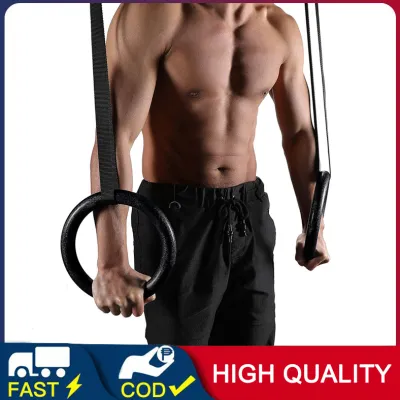
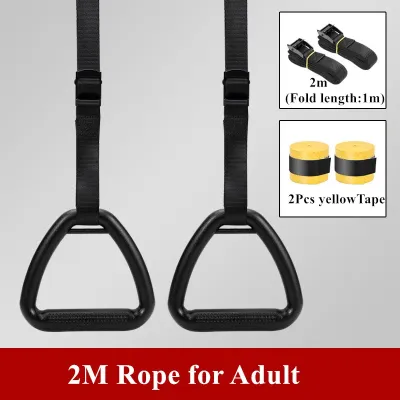

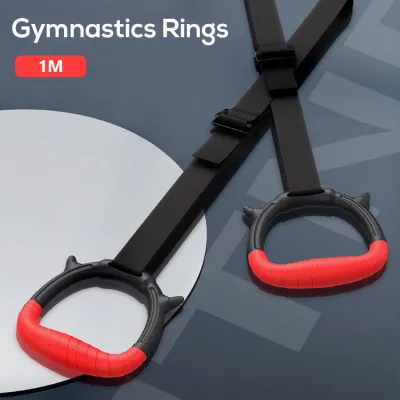
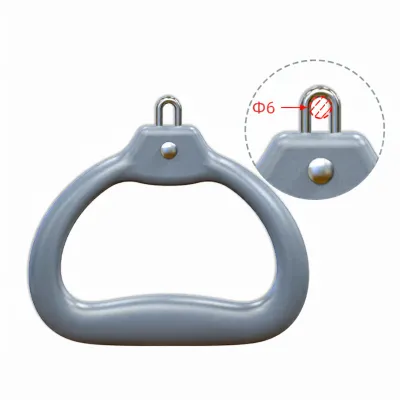
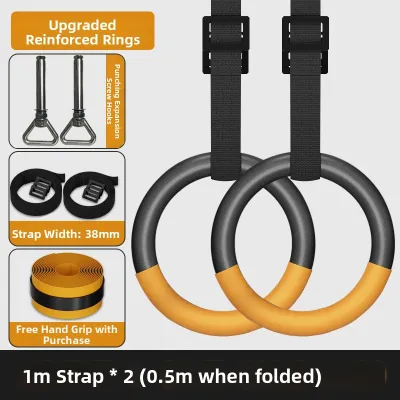

Prices are valid at publication and may change. Please refer to the product page for the latest price.
By evaluating grip comfort, environmental durability, physical dimensions, and cost against your personal fitness goals, you can select the ideal pair of rings that will support your strength journey for years to come.
Grip Comfort and Sweat Resistance
Wood’s natural porous texture is its greatest asset for grip comfort. The organic fibers of the wood absorb small amounts of moisture from your palms, preventing your hands from slipping during high-friction movements like muscle-ups or transitions. This natural tackiness reduces the need for constant reapplication of grip aids, allowing you to focus entirely on your form and repetition count.
In contrast, plastic is a completely non-porous material that does not absorb moisture. When you sweat, the moisture sits on the surface of the plastic, creating a slick barrier that can compromise your grip and safety. To maintain a secure hold on plastic rings, you will often need to rely heavily on gym chalk, grip tape, or specialized athletic gloves, which can alter the tactile feedback of the exercise.
The texture of plastic rings can vary significantly depending on the manufacturing process. Some plastic models feature molded-in textures or cross-hatched patterns designed to mimic a secure grip, but these can sometimes feel abrasive against the skin during rotational movements. Other models are completely smooth, which makes them highly dependent on external grip aids to prevent slipping.
When shopping for wooden rings, it is essential to check the manufacturer’s specifications regarding the surface finish. High-quality wooden rings are typically left unfinished or lightly sanded to preserve their natural porosity. Avoid wooden rings that have been coated with thick, glossy varnishes, as these seal the wood pores and make the surface just as slippery as smooth plastic when wet.
For those training in warm, humid climates, sweat management becomes a primary safety concern. If your hands tend to perspire heavily, the natural absorption of wood can prevent the sudden slips that lead to shoulder strain or falls. However, if you choose plastic, you must establish a reliable chalk routine and inspect the ring surfaces before every set to ensure adequate friction.
Durability and Environmental Resistance
Environmental factors play a massive role in the lifespan of your strength training equipment, especially in tropical regions characterized by high humidity and heavy rainfall. Plastic pull-up rings excel in these challenging conditions because they are completely impervious to water damage. You can leave plastic rings hanging from an outdoor rig, a balcony, or a backyard tree without worrying about rust, rot, or structural degradation.

Plastic is also highly resistant to ultraviolet (UV) radiation, though prolonged exposure to intense sunlight can eventually cause some color fading or minor surface chalking over several years. Despite this, the structural integrity of high-density plastic remains stable, making it the go-to choice for outdoor calisthenics parks and military-style obstacle courses where gear is left exposed to the elements year-round.
Wooden rings, conversely, are highly vulnerable to moisture, humidity fluctuations, and direct sunlight. When exposed to rain or persistent dampness, the wood fibers absorb water, causing the material to swell, warp, and eventually crack along the grain. Over time, this moisture absorption can lead to splintering, which poses a direct injury risk to your hands and compromises the structural safety of the ring.
Temperature changes also affect wood more dramatically than plastic. Rapid drying after a heavy rain can cause the wood to contract unevenly, leading to deep structural splits that can fail under load. If you choose to use wooden rings in a humid environment, you must commit to taking them down after every workout and storing them in a dry, climate-controlled indoor space.
Regardless of the ring material you select, you must also evaluate the durability of the accompanying suspension system. The straps are typically made of heavy-duty nylon, which resists moisture well, but the metal buckles can be prone to rust if left outdoors. Always inspect the buckle mechanisms for corrosion and verify the manufacturer’s maximum weight capacity to ensure your setup remains completely secure.
Ergonomics, Weight, and Handling
The physical dimensions and weight of pull-up rings directly influence how they feel in your hands and how they behave during dynamic exercises. Gymnastic rings generally come in two standard thicknesses: 1.1 inches (approx. 28 mm) and 1.25 inches (approx. 32 mm). The 28 mm size is the standard for competitive gymnastics and is often preferred by individuals with smaller hands or those focusing on high-repetition pull-ups.
The thicker 32 mm rings are commonly used in functional fitness and cross-training workouts. This larger diameter distributes the pressure more evenly across your palm, which can reduce joint strain during pushing movements like dips and push-ups. When choosing a material, verify that the manufacturer offers the specific diameter that matches your hand size and training focus.
Weight is another key differentiator between the two materials. Wooden rings are significantly lighter than their high-density plastic counterparts. This lightweight nature makes them highly portable and easy to pack in a gym bag, but it also means they can swing more freely in the wind or during rapid transitions, requiring greater core stability to control.
Plastic rings have a heavier, more substantial feel that can provide a sense of stability during static holds. The extra weight helps the rings hang straight and minimizes unwanted swinging when you are adjusting your position. However, this added mass can make them slightly more cumbersome to transport if you frequently travel or train in different outdoor locations.
To find the perfect fit, measure your hand from the base of your palm to the tip of your middle finger. If you have shorter fingers, a thinner wooden or plastic ring will allow you to wrap your hand completely around the surface, securing a stronger “false grip” for advanced movements. Larger hands will find the thicker profile of a 32 mm ring more comfortable and less fatiguing over long training sessions.
Price and Long-Term Value
When evaluating the financial aspect of your purchase, you will find that plastic pull-up rings generally occupy the entry-level price point in the market. In the Philippines, high-quality plastic rings typically range from ₱800 to ₱1,500, making them an incredibly cost-effective option for beginners, budget-conscious fitness enthusiasts, or those setting up a basic home gym.
Wooden rings are positioned as a premium option, with prices usually ranging from ₱1,500 to ₱3,000 or more, depending on the type of wood used (such as birch or maple) and the quality of the finish. While the upfront cost is higher, many athletes find that the superior grip comfort and reduced need for expensive chalk or grip tape justify the initial investment over time.
The long-term value of each material is closely tied to how well you maintain them and where you store them. Plastic rings require virtually zero maintenance; a simple wipe-down with a damp cloth to remove sweat and chalk residue is all that is needed to keep them in pristine condition. They can last for a decade or more without any loss in performance, even with minimal care.
Wooden rings require a bit more attention to preserve their value. Over months of heavy use, the wood can accumulate dirt, oils, and chalk buildup that smooths out the natural texture. To restore the original grip, you may need to occasionally sand the surface lightly with fine-grit sandpaper. If kept dry and properly maintained, high-quality wooden rings can easily match the lifespan of plastic models.
Before finalizing your purchase from an online sports retailer, always review the warranty terms and return policies. Look for brands that offer a clear warranty on both the rings and the strap buckles, as the hardware is often the first component to show wear. Investing in a set with robust, heavy-duty cam buckles will ensure you do not have to purchase replacement parts prematurely.
Decision Framework: Which Pull-Up Rings Should You Buy?
To make your final decision, you must weigh your training environment, grip preferences, and budget against the unique characteristics of each material. This structured framework will help you identify the best option for your specific fitness journey.
Choose wooden rings if:
- You primarily train indoors, in a home gym, or in a dedicated fitness facility.
- Your hands sweat heavily, and you want a natural, slip-resistant grip that minimizes the need for chalk.
- You are practicing advanced gymnastic movements, such as muscle-ups, front levers, or iron crosses, where a comfortable false grip is critical.
- You are willing to perform occasional light maintenance and store your gear in a dry, indoor environment.
Choose plastic rings if:
- You plan to set up your rings outdoors, such as on a backyard tree, a patio, or an open-air rig exposed to rain and humidity.
- You are looking for a highly durable, budget-friendly option under ₱1,500.
- You prefer a zero-maintenance piece of equipment that can be left outdoors year-round without degrading.
- You do not mind using chalk or grip tape regularly to manage hand sweat during intense workouts.
Before clicking buy, always verify that the included straps, buckles, and mounting hardware are compatible with your intended setup. Check the length of the straps to ensure they can reach high tree branches or tall ceiling beams, and inspect the buckle locking mechanism to guarantee it will hold your weight securely during dynamic movements.
Frequently Asked Questions (FAQ)
Can I use wooden pull-up rings outdoors?
Yes, you can use wooden pull-up rings outdoors, but you must not leave them exposed to the elements. Moisture, rain, high humidity, and direct sunlight will quickly warp, crack, and splinter the wood, ruining the rings and creating safety hazards. To use them outdoors safely, always take them down immediately after your workout and store them in a dry, indoor space. Check the manufacturer’s guidelines to see if they recommend any specific outdoor care.
Do plastic rings require more chalk than wooden ones?
Generally, yes. Because plastic is non-porous, it cannot absorb sweat, which causes moisture to pool on the surface and makes the rings slippery. To maintain a secure grip, you will likely need to apply gym chalk more frequently than you would with wooden rings. If you prefer not to use chalk, you can also wrap the plastic rings in athletic grip tape or wear specialized workout gloves to improve friction.
Are the straps and buckles the same for both materials?
The quality of the straps and buckles depends entirely on the brand and product package, not on the ring material itself. Both wooden and plastic rings are sold with various strap widths and buckle designs. When purchasing, look for heavy-duty nylon straps that are at least 1.5 inches wide and feature secure, rust-resistant steel cam buckles or carabiner locking systems to ensure maximum safety during your workouts.
Community discussion
Share your experience or ask a question. Comments are reviewed before publication.