
Selecting the right gear is the most critical decision you will make before stepping up to a heavy bag or slipping into a training ring. While many fitness enthusiasts search for general workout gloves to protect their hands, boxing training demands highly specialized equipment designed specifically for high-impact forces. Standard gym gloves built for weightlifting lack the structural design to shield your knuckles, stabilize your wrists, or prevent severe joint injuries during repetitive striking.
To choose the right workout gloves for boxing training, you must prioritize specific impact-absorbing padding, rigid wrist support, a secure thumb lock, and high breathability. Training in a tropical climate like the Philippines adds another layer of complexity, as high humidity and intense heat accelerate sweat buildup, which can quickly degrade materials and compromise your grip. Understanding how to evaluate these technical specifications ensures your hands remain fully protected throughout your fitness journey.
Identify Your Primary Boxing Training Focus
Before evaluating specific glove features, you must diagnose the exact nature of your training routine. Boxing workouts are highly diverse, ranging from high-intensity interval training (HIIT) cardio sessions to heavy bag power development and technical partner mitt work. Each of these activities places different physical demands on your hands and requires a specific style of glove.
Products mentioned in this guide
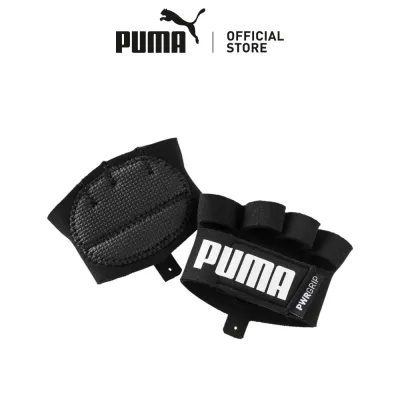
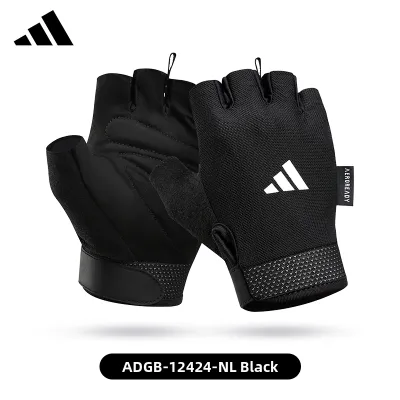
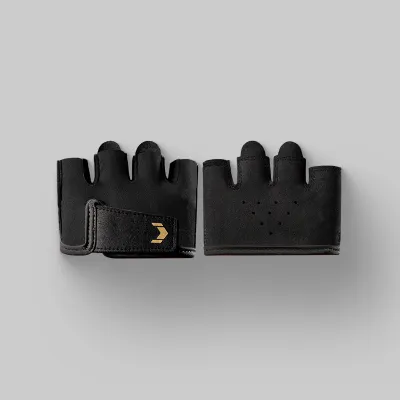
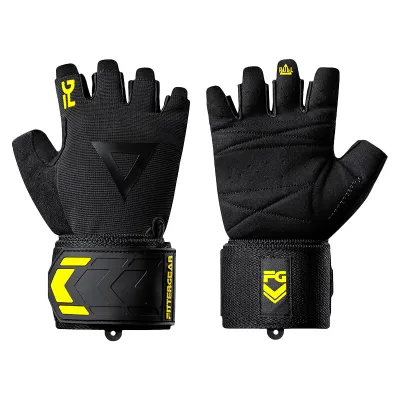
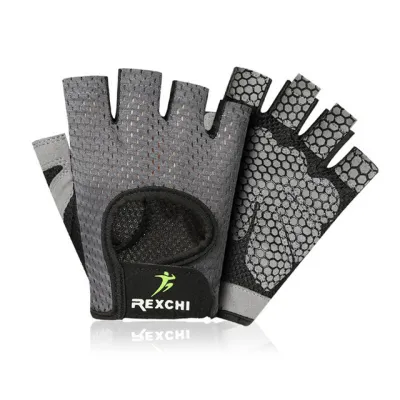
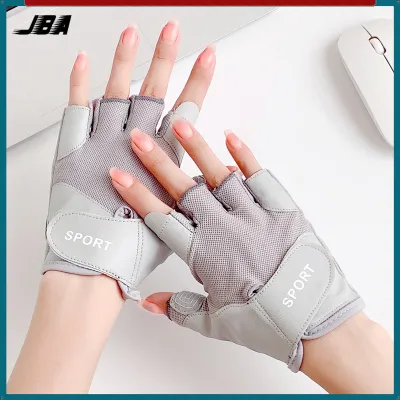
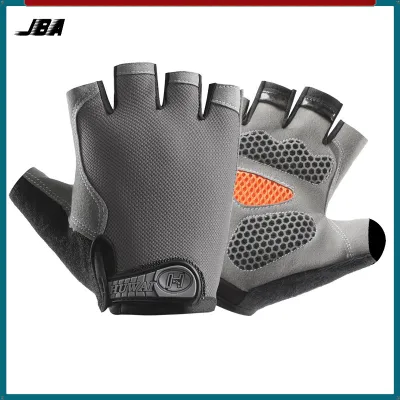
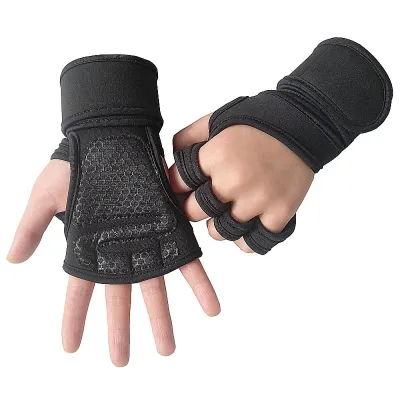
Prices are valid at publication and may change. Please refer to the product page for the latest price.
Heavy bag training is characterized by repetitive, high-impact strikes against a dense, resisting target. If your primary workout involves solo bag work, you need gloves with thick, dense padding designed to absorb maximum shock and protect your metacarpal bones from bruising or fracturing. In contrast, focus mitt training emphasizes speed, precision, and rapid combinations, which benefit from slightly lighter, more streamlined gloves that allow for quick hand movement and better tactile feedback.
If you are participating in high-rep cardio boxing classes that combine light punching with calisthenics like push-ups or burpees, your needs shift toward versatility and ease of use. For these hybrid workouts, look for lightweight fitness boxing gloves that are easy to slip on and off quickly. However, you must establish a clear boundary: standard weightlifting workout gloves, which leave the fingers exposed and feature thin palm padding, are entirely unsuitable for any form of striking.
To determine your baseline gear requirements, ask yourself these self-check questions:
- What is the primary target of your punches (e.g., a 100-pound heavy bag, soft focus pads, or empty air)?
- How many rounds do you typically perform in a single training session?
- Do you need to transition quickly between punching and other exercises during your workout?
Matching your glove category to your primary training focus is the first step toward ensuring safety and maximizing performance.
Evaluate Padding Density and Impact Protection
Once you have identified your training focus, the next priority is assessing the padding over your knuckles. The primary job of boxing workout gloves is to disperse the kinetic energy generated by a punch, preventing that force from traveling directly into the delicate bones of your hand.

Modern training gloves utilize various foam technologies to achieve this protection. High-quality options typically feature multi-layered foam systems, which combine layers of high-density polyurethane, latex, and sometimes gel inserts. This layered construction is highly effective because each material absorbs a different frequency of impact, distributing the shock evenly across the entire surface of the glove. Conversely, cheaper gloves often rely on a single block of low-density foam, which can bottom out easily under heavy impact, leaving your knuckles vulnerable to direct contact with the bag.
When evaluating a glove, pay close attention to the knuckle area and the thumb placement. The padding should form a thick, protective arch over your primary striking knuckles (the index and middle fingers). Additionally, look for an attached thumb design, where the thumb of the glove is securely stitched to the main fist compartment. This ergonomic placement prevents your thumb from flaring outward upon impact, reducing the risk of painful hyperextension, sprains, or accidental eye pokes during partner drills.
To verify the quality of the padding before your first workout, perform a simple physical check. Press your thumb firmly into the center of the knuckle padding. If you can easily push through the foam and feel the hard inner structure of the glove with minimal resistance, the padding is too soft and will not provide adequate protection for heavy bag training. Always check the manufacturer specifications to ensure the foam is rated for heavy bag or sparring impact.
Assess Wrist Support and Closure Mechanisms in Workout Gloves
Wrist injuries are among the most common ailments in boxing, often caused by the wrist bending or buckling upon impact. Your wrist joint must remain perfectly aligned with your forearm when landing a punch. The closure system of your workout gloves plays a pivotal role in maintaining this structural alignment.
There are two primary closure systems available for training gloves:
- Hook-and-Loop (Velcro) Closures: These are the industry standard for fitness and solo training. They allow you to put on and take off your gloves without assistance, making them highly practical for gym workouts. They also allow for quick tension adjustments between rounds.
- Lace-Up Closures: These provide the most secure, customized fit and unmatched wrist immobilization. However, they require a trainer or training partner to tie them securely, making them impractical for solo workouts or fast-paced fitness classes.
For most fitness enthusiasts, a wide hook-and-loop strap is the ideal choice. Look for straps that are at least two to three inches wide, made from rigid, non-elastic material. A wider strap acts like a splint, wrapping completely around the wrist joint to limit lateral movement. The cuff of the glove should also be stiff and elongated, extending several inches up your forearm to provide a solid foundation of support.
To test the effectiveness of the wrist support, put the glove on and secure the strap tightly. Attempt to bend your wrist forward, backward, and side-to-side. If the glove allows significant movement or flexes easily at the joint, it will not provide sufficient stabilization under heavy impact. The strap should feel snug and immobilizing without pinching your skin or cutting off blood circulation.
Check Fit, Grip, and Breathability for Humid Climates
Training in hot, tropical environments like the Philippines presents unique challenges for athletic gear. High humidity means your hands will sweat profusely, which can lead to slipping inside the glove, rapid material deterioration, and unpleasant odor buildup. Managing moisture and ensuring a proper fit are essential for long-term comfort.
A proper fit begins with an internal grip bar. This is a small, padded cylindrical insert positioned across the palm inside the glove. When you slip your hand in, your fingers should naturally curl around this bar, allowing you to form a tight, comfortable fist without straining your forearm muscles. Without a grip bar, your hand must work constantly to maintain a fist shape, leading to premature fatigue and cramping during high-rep workouts.
When sizing your gloves, never try them on with bare hands. You must always fit your gloves while wearing your standard hand wraps. Hand wraps add significant volume to your hand profile; a glove that feels perfectly snug on a bare hand will likely be painfully tight and restrict circulation once your hands are wrapped.
To combat the humid climate, look for specific ventilation features designed to keep your hands dry and cool:
- Mesh Palm Panels: These allow heat and moisture to escape continuously during your workout.
- Perforated Thumbs and Palms: Small ventilation holes help circulate air throughout the hand compartment.
- Moisture-Wicking Inner Linings: Synthetic fabrics that pull sweat away from your skin prevent your hands from sliding inside the glove.
Proper glove maintenance is vital in humid conditions to prevent mold and bacteria. After every training session, wipe down the exterior of the gloves with a damp cloth. Open the wrist straps as wide as possible and place the gloves in a well-ventilated, shaded area to air dry completely. Never leave damp gloves sealed inside a dark gym bag, and avoid exposing them to direct, harsh tropical sunlight, as extreme heat can dry out and crack both genuine and synthetic leather.
Diagnose Your Current Gloves: Signs It Is Time to Replace
Even the highest-quality workout gloves have a limited lifespan. Over time, the constant impact of striking compresses the internal foam, while sweat and moisture break down the stitching and lining. Training with worn-out gloves significantly increases your risk of hand and wrist injuries.
You should regularly inspect your gloves for visual and physical warning signs. Check if the knuckle padding feels lumpy, shifted, or significantly thinner than when first purchased. If you can feel your knuckles bottoming out against the bag during a workout, the foam has lost its structural integrity. Inspect the stitching along the seams, especially around the thumb and wrist strap, for fraying or parting threads. Additionally, if the hook-and-loop closure no longer stays securely fastened during movement, the glove is no longer safe to use.
Performance and comfort signals are equally telling. If you begin to experience unusual knuckle soreness, wrist joint discomfort, or hand fatigue after a standard workout, your gloves are likely failing to absorb impact properly. Persistent, foul odors that remain even after thorough cleaning and drying indicate deep-seated bacterial growth within the inner lining.
If your current gear exhibits any of these symptoms, do not attempt to push through the discomfort. Retire the compromised gloves immediately and upgrade to a supportive, fully padded pair to ensure your hands remain protected during every strike.
Frequently Asked Questions (FAQ)
Can I use standard weightlifting workout gloves for boxing training?
No, you should never use standard weightlifting gloves for boxing training. Weightlifting gloves are designed solely to improve grip and prevent blisters from metal bars; they feature exposed fingers and virtually no knuckle padding or wrist stabilization. Attempting to punch a heavy bag or focus pads with weightlifting gloves will result in severe impact injuries to your knuckles, fingers, and wrists.
Do I need to wear hand wraps under my boxing workout gloves?
Yes, wearing hand wraps is highly recommended for every boxing workout. Hand wraps serve as an essential foundational layer, securing the many small, delicate bones in your hand and stabilizing your wrist joint to prevent hyperextension. Additionally, wraps act as a sponge to absorb sweat during intense training in humid conditions, protecting the inner lining of your gloves from moisture damage and extending their overall lifespan.
Community discussion
Share your experience or ask a question. Comments are reviewed before publication.