
The best workout mat material depends entirely on your specific exercise routine, sweat levels, and training environment. For high-sweat sessions in humid tropical climates, natural cork and rubber offer excellent wet grip, while lightweight TPE suits casual floor exercises, and dense PVC provides the durability needed for intense cardio or weight training. Choosing the right material ensures your joints are protected, your feet stay anchored, and your mat survives daily wear without degrading.
Quick Guide to Choosing Your Workout Mat Material
Selecting a workout mat goes beyond picking a color or thickness; the core material dictates how the surface responds to pressure, moisture, and movement. The four primary materials dominating the market are Thermoplastic Elastomer (TPE), Polyvinyl Chloride (PVC), natural or synthetic rubber, and cork. Each of these options serves a distinct purpose, balancing cushioning, weight, durability, and grip differently.
If your routine consists of slow, controlled movements like restorative yoga, your priorities will differ wildly from someone performing rapid lateral jumps or lifting heavy weights. Sweat also plays a massive role, especially in warm climates where humidity can turn a smooth mat into a slippery hazard. By understanding the physical properties of these four materials, you can bypass marketing hype and select a surface that keeps you stable and safe.
Products mentioned in this guide
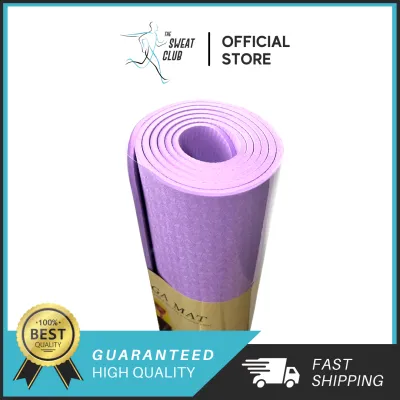
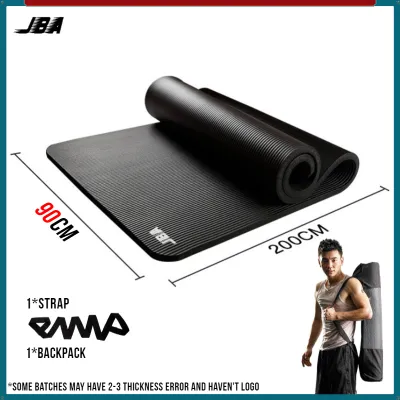
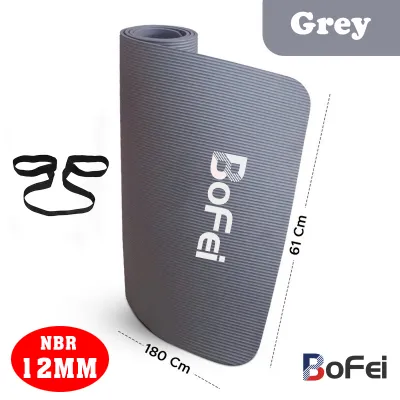
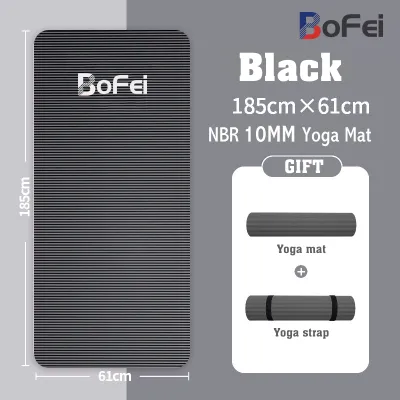
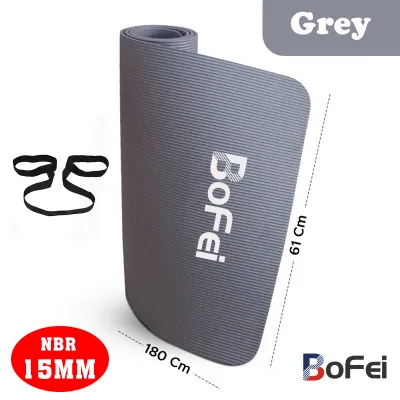
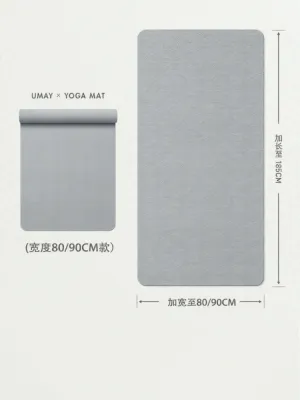
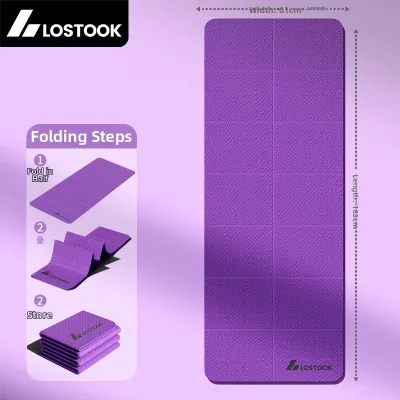
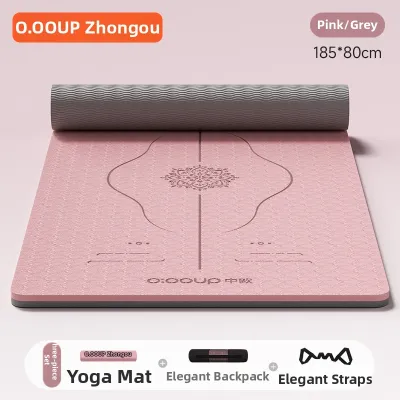
Prices are valid at publication and may change. Please refer to the product page for the latest price.
How to Match Mat Material to Your Exercise Type
Before comparing specific material specifications, you must define the physical demands of your typical workout routine. Low-impact and floor-based exercises, such as Pilates or gentle stretching, require a focus on thickness and joint support. For these movements, a mat that cushions the spine, knees, and hips against hard tile or concrete floors is essential, making moderate thickness a primary requirement.

High-intensity and dynamic movements, including HIIT, cardio, or plyometrics, demand surface stability and high resistance to tearing. When you perform rapid directional changes, a soft, stretchy mat can slide across the floor or bunch up under your feet, increasing the risk of joint strain. For these workouts, you need a dense, heavy material that anchors itself firmly to the ground and resists the abrasive force of athletic shoes.
High-sweat environments, such as hot yoga or intense home workouts in warm rooms, require careful attention to moisture management. Some materials feature a closed-cell structure that repels sweat, causing moisture to pool on the surface and create a slippery film. Other materials are open-cell or porous, absorbing moisture to maintain traction even when wet, though they require more diligent cleaning to prevent odor buildup.
Travel and portability needs should also influence your material choice, especially if you commute to a local gym or fitness studio. Heavy, dense mats can be exhausting to carry over long distances and may not roll tightly enough to fit into standard bags. If you are constantly on the move, prioritizing lightweight materials with good structural memory—meaning they lay flat quickly after being unrolled—will save you daily frustration.
TPE, PVC, Rubber, and Cork: Material Breakdown
To make an informed purchase, you must look closely at the physical structure, typical applications, and manufacturer specifications of each material.
TPE (Thermoplastic Elastomer)
Thermoplastic Elastomer, commonly known as TPE, is a synthetic blend of plastic and rubber polymers that offers a lightweight yet cushioned training surface.
- Observable traits: TPE mats are exceptionally light, easy to roll, and typically feature a closed-cell surface that does not absorb moisture or sweat.
- Best suited for: Beginners, light yoga, stretching, and general floor exercises where portability and basic cushioning are the primary requirements.
- What to check: Review the manufacturer's specifications for density and thickness, ensuring the mat is thick enough (typically 6mm or more) to protect your joints if you plan to use it on hard tile floors.
PVC (Polyvinyl Chloride)
Polyvinyl Chloride, or PVC, is a traditional synthetic plastic material known for its extreme durability and dense, supportive structure.
- Observable traits: PVC mats are relatively heavy, highly resistant to tearing or flaking, and often feature a textured, non-slip pattern molded into the surface.
- Best suited for: Heavy daily use, commercial gym environments, weight training, and high-intensity cardio routines where mat longevity is paramount.
- What to check: Examine the product labels for specific third-party safety certifications, such as OEKO-TEX or RoHS, to verify chemical safety and low emissions if you are sensitive to synthetic odors.
Natural and Synthetic Rubber
Rubber mats, whether harvested from natural trees or synthesized, provide a heavy, high-performance base designed for serious athletic training.
- Observable traits: These mats have a dense, solid composition that offers a firm ground connection, resists compression under heavy loads, and naturally grips the floor.
- Best suited for: Weightlifting, intense cross-training, dynamic yoga, and any routine where you need absolute stability without sinking into soft foam.
- What to check: Always verify the manufacturer's care instructions regarding UV exposure, as natural rubber degrades quickly in direct sunlight, and check for explicit latex allergy warnings if you have sensitive skin.
Cork and Cork-Blended Mats
Cork mats feature a natural wood-bark top layer bonded to a supportive base layer, offering a unique tactile experience that responds well to moisture.
- Observable traits: The surface feels warm and slightly textured, becoming noticeably grippier as it absorbs moisture or sweat during a workout.
- Best suited for: High-sweat workouts, hot yoga, and fitness enthusiasts who prefer natural, non-synthetic textures against their skin.
- What to check: Inspect the care guidelines to ensure you can maintain the porous surface without causing cracking, and verify the material used for the bottom base layer (usually TPE or rubber) to ensure it provides adequate floor grip.
How to Verify Material Claims and Care for Your Mat
When shopping on any online marketplace, it is easy to get lost in marketing buzzwords promising ultimate grip or absolute safety. To make a reliable decision, rely on objective manufacturer specifications such as measured thickness (usually in millimeters) and weight (usually in kilograms). A heavier mat of the same thickness generally indicates higher density, which translates to better joint support and less sliding during dynamic movements.
Proper cleaning and maintenance are critical to preserving the physical properties of your chosen material over time. Porous materials like cork and open-cell natural rubber should never be saturated with harsh chemical cleaners, bleach, or heavy oils, as these substances can break down the organic fibers and ruin the grip. Instead, use mild, highly diluted soap solutions recommended by the manufacturer, and always allow the mat to air-dry completely in a shaded, well-ventilated area.
Storage conditions are particularly important in tropical climates where high heat and humidity can accelerate material degradation. Never leave your workout mat inside a hot car or exposed to direct sunlight on a balcony, as UV rays can cause natural rubber to crumble, TPE to warp, and PVC to release strong odors. Roll your mat with the top surface facing outward to prevent the corners from curling, and store it in a cool, dry closet when not in use.
Frequently Asked Questions (FAQ)
Can I use a cork mat for high-intensity interval training (HIIT)?
Cork mats are generally not ideal for high-intensity interval training unless specifically rated for footwear use by the manufacturer. Because cork is a natural wood product bonded as a thin top layer over a rubber or TPE base, the friction and shearing forces from athletic shoes can cause the surface to chip or peel over time. If you plan to perform HIIT on cork, verify that the manufacturer explicitly supports shoe use and check that the base layer offers sufficient shock absorption for high-impact landings.
How do I know if a PVC mat is safe for indoor use?
To ensure a PVC mat is safe for indoor use, look for verified third-party testing certifications on the product packaging or the brand’s official website. Certifications such as OEKO-TEX Standard 100 or REACH compliance indicate that the material has been tested for harmful substances and heavy metals. Additionally, check the manufacturer’s instructions regarding initial off-gassing, as high-quality PVC mats may require unrolling in a well-ventilated space for a few days to eliminate harmless manufacturing odors before first use.
Community discussion
Share your experience or ask a question. Comments are reviewed before publication.