
Quick Answer: Which Archery Release Aid Should a Beginner Choose?
Selecting your first archery release aid is one of the most critical decisions you will make when setting up a compound bow. There is no single universal option that suits every archer perfectly; the right choice depends on your primary shooting discipline, physical hand size, and long-term goals.
For absolute beginners who prioritize safety, immediate ease of use, and budget-friendly options, the wrist strap release is the most highly recommended starting point. It secures directly to your wrist, making it virtually impossible to drop, and transfers the bow’s draw weight to your forearm.
If you want a clean, natural trigger feel without a strap binding your wrist and you plan to transition into field archery or outdoor hunting, an index finger handheld release offers an intuitive transition. It provides a familiar trigger mechanism while keeping your hands completely free between shots.
Products mentioned in this guide
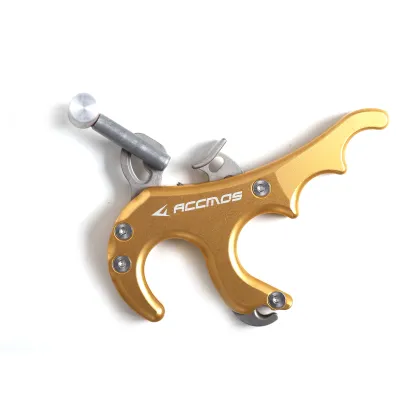
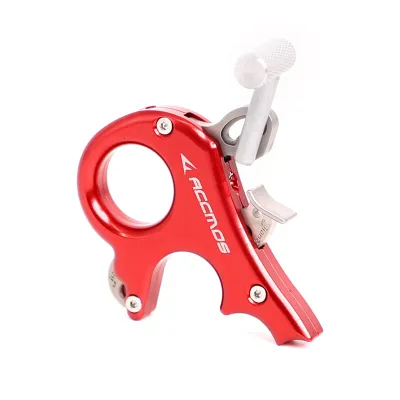
![[deveodo] Archery Compound Release Aid Finger Protect Pull Effortlessly Accessory Three-Finger Archery Grip Dispenser for Arrow Archery Compound Release](https://img.lazcdn.com/g/p/bb8aab1a25d2fefcd1dbbe524188ae92.jpg_400x400q80.jpg_.webp)
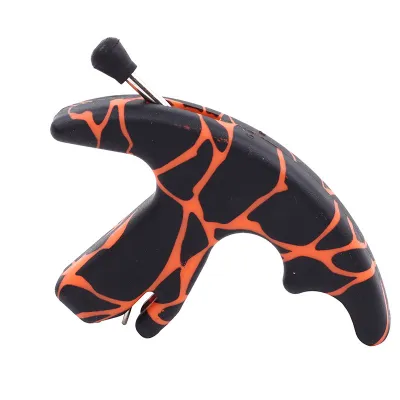
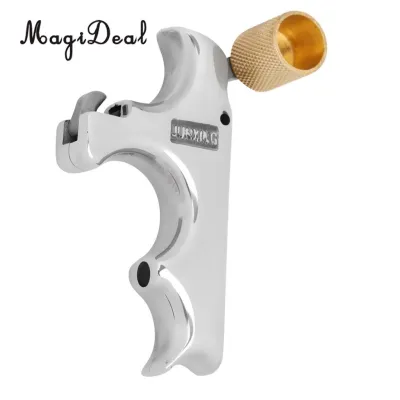
Prices are valid at publication and may change. Please refer to the product page for the latest price.
For beginners who are strictly focused on competitive target archery and want to build correct back-tension shooting habits from day one, starting with a thumb trigger handheld release is highly advantageous. This style helps prevent the early development of target panic by encouraging a surprise release.
Before purchasing any equipment, it is highly recommended to visit a local archery pro shop to test the physical feel of each release type in your hand. Hand sizes and finger lengths vary greatly, and testing different models under professional guidance is the best way to ensure a proper fit.
How the Three Main Release Mechanisms Work
Mechanical release aids are designed to provide a clean, consistent release of the bowstring, which is virtually impossible to achieve using bare fingers on a high-tension compound bow. By utilizing a mechanical sear and jaw system, these tools minimize lateral string deflection, resulting in tighter arrow groups and more consistent flight. Understanding how these three primary mechanisms operate is essential for identifying which style aligns with your physical capabilities.

Wrist Strap Releases
A wrist strap release secures around your wrist using a padded strap with either a buckle or a hook-and-loop fastener. This design connects a mechanical head—featuring either a dual-caliper or a single-jaw hook—to the wrist strap via a solid stem or an adjustable web strap. To operate it, you hook the caliper or jaw directly onto the bowstring’s D-loop.
The primary mechanical benefit of this design is that the wrist strap bears the entirety of the bow’s draw weight during the drawing phase. Your hand and fingers remain completely relaxed, allowing you to draw heavy poundage without experiencing early finger fatigue. Once you reach full draw and anchor, you activate the release by placing your index finger on the trigger and gently squeezing.
Index Finger Handheld Releases
Index finger handheld releases bridge the gap between wrist-worn systems and pure handheld target releases. These devices feature an L-shaped or T-shaped metal handle designed to be held directly in your hand. Instead of a strap transferring the load to your wrist, you wrap your fingers around the grooved handle or finger pegs to draw the bow.
The trigger mechanism is positioned so that your index finger rests naturally over it, similar to a firearm trigger. Because there is no wrist strap, you must support the entire holding weight of the bow through your fingers, hand, and forearm muscles throughout the draw cycle. This requires greater overall hand strength and consistent grip pressure, but it provides a completely free, unencumbered hand when you are not actively drawing.
Thumb Trigger Handheld Releases
Thumb trigger handheld releases are highly popular among target archers and are engineered to promote a disciplined shot execution. Similar to the index finger handheld, this release features a solid, contoured handle—typically designed for three or four fingers—that you grip directly. However, the trigger mechanism is a small barrel or post positioned specifically for your thumb.
The fundamental operating principle of a thumb trigger is distinct: it is not designed to be pressed actively by flexing your thumb. Instead, you wrap your thumb around the post, anchor securely, and then activate your upper back muscles to pull through the shot. This physical expansion naturally pulls the release handle backward against your stationary thumb, causing the trigger to break unexpectedly. This surprise release is the gold standard for maintaining consistent accuracy.
Comparing Learning Curve, Comfort, and Safety
Choosing a release aid is not just about understanding how the metal parts move; it is about how the tool interacts with your body, your mind, and the environment during hours of practice.
Learning Curve and Shot Execution
For beginners, the learning curve varies dramatically across these three styles. The wrist strap release has the shallowest learning curve because it feels instantly familiar to anyone who has handled a basic trigger-operated device. However, this immediate familiarity can be a double-edged sword. Because it is so easy to activate, beginners often develop the bad habit of punching the trigger—slapping the trigger the moment the pin floats over the bullseye. This anticipation of the shot creates a physical flinch, which frequently leads to target panic.
The index finger handheld offers a similar trigger action but demands much more attention to hand consistency. If your grip pressure varies or your hand rotates slightly from shot to shot, your anchor point will shift, leading to inconsistent horizontal impacts.
The thumb trigger handheld has a significantly steeper initial learning curve. It requires patience to learn how to set your hand angle, find a consistent jawline anchor, and execute the shot using back tension rather than thumb movement. However, investing time in this mechanism early prevents target panic and instills proper muscle memory that will benefit your archery form for years.
Comfort, Ergonomics, and Carry Convenience
Physical comfort is highly subjective but heavily influenced by environmental factors. In hot, humid tropical climates, such as outdoor ranges in the Philippines, wearing a padded wrist strap for several hours can lead to excessive sweating, skin irritation, and chafing. The strap also remains attached to your wrist constantly, dangling and clinking against other gear when you are retrieving arrows or adjusting your bow sights.
Handheld releases offer superior ergonomic comfort in this regard. Your hand remains completely bare and cool between shots, and you can easily slip the release into a pocket, a specialized hip pouch, or clip it directly to your bow’s D-loop if the jaw design allows. However, this convenience comes with a trade-off: handheld releases are small, precision-engineered tools. If you drop them in wet, muddy, or dusty conditions, debris can easily enter the internal sear mechanisms. In high-humidity environments, moisture buildup inside a handheld release can cause micro-corrosion, requiring diligent cleaning and dry storage to keep the trigger crisp and safe.
Safety and Accidental Misfires
Safety is paramount in archery, and each release type carries specific risk profiles that a beginner must understand. Wrist strap releases are inherently safer against physical loss or accidental dropping because they are buckled directly to your arm. You cannot accidentally drop a wrist strap release mid-draw, which protects both your expensive equipment and your physical safety.
In contrast, handheld releases carry a high risk of slipping out of a beginner’s hand during the draw cycle, especially when dealing with high draw weights or sweaty hands. If a handheld release slips mid-draw, it can result in a violent dry fire, which can shatter bow limbs, snap strings, and cause severe facial or hand injuries. To mitigate this, beginners using handheld releases must use a secure wrist lanyard.
Accidental misfires also occur when trigger sensitivity is set too light. With wrist strap and index finger releases, a nervous or premature finger placement on the trigger during the draw cycle can trigger an early release. Beginners must always keep their fingers completely behind the trigger until they are fully anchored and aligned with the target.
Quick Comparison: Wrist Strap vs Index Finger vs Thumb Trigger
The table below provides a quick, scannable overview of the core differences between the three main release aid types to help you evaluate your options.
| Feature | Wrist Strap | Index Finger Handheld | Thumb Trigger Handheld |
|---|---|---|---|
| Trigger Mechanism | Index finger or thumb lever | Index finger trigger | Thumb post/barrel |
| Learning Curve | Very low; highly intuitive | Low to moderate | Moderate to high |
| Best Suited For | Budget-conscious beginners, general recreation, bowhunting | Archers wanting a clean hand feel with familiar trigger action | Competitive target archery, 3D archery, long-term form development |
| Carry Method | Worn constantly on the wrist | Carried in pocket, pouch, or clipped to D-loop | Carried in pocket, pouch, or clipped to D-loop |
| Risk of Dropping | Extremely low (secured to wrist) | High (requires wrist lanyard for safety) | High (requires wrist lanyard for safety) |
Matching the Release to Your Archery Goals
Your choice of archery release aid should align with where you plan to spend most of your shooting hours and what you hope to achieve.
Target Archery and Range Practice
If your primary goal is to shoot tight groups on paper targets at a local range or participate in structured target competitions, precision is your absolute priority. In a controlled range environment, thumb trigger releases are highly favored by advanced archers and serious beginners alike.
The mechanics of a thumb trigger allow you to establish a very repeatable bone-on-bone anchor point by placing the knuckles of your index and middle fingers against your jawbone. This consistency is crucial for vertical and horizontal alignment. While a wrist strap release is perfectly fine for casual target shooting, 3D target events, or backyard practice, it lacks the specialized ergonomic design that helps eliminate the micro-movements of the hand during long, high-precision competitive rounds.
Bowhunting and Field Archery
For those venturing into field archery or planning to hunt, the requirements shift toward speed, reliability, and ease of use under variable outdoor conditions. Wrist strap and index finger releases excel in these environments.
When moving through dense brush or waiting in a blind, a wrist strap release is always ready, attached to your arm, and cannot be lost in the undergrowth. If you are shooting in cooler high-altitude regions where lightweight gloves might be necessary, a wrist strap’s index trigger is much easier to operate with covered fingers than a fine thumb post. While thumb triggers can certainly be used for field shooting, the lack of a distinct, tactile trigger click or the need for a highly deliberate back-tension pull can sometimes cause hesitation or missed opportunities in high-adrenaline, fast-moving field scenarios.
Decision Framework: Which One Fits You Best?
To finalize your decision, evaluate your personal profile against this practical framework:
- Choose a Wrist Strap if:
- You are on a strict budget and want a reliable, high-quality release without spending a premium (entry-level models typically range from ₱1,500 to ₱3,500).
- You are transitioning from traditional finger-shooting and want the easiest, most intuitive mechanical option.
- You prioritize maximum gear safety and want to eliminate any risk of dropping or losing your release in the field.
- You plan to shoot in varied outdoor conditions where quick deployment and hands-free convenience are essential.
- Choose an Index Finger Handheld if:
- You prefer the familiar feel of a firearm-style trigger pull but dislike having a strap permanently buckled to your wrist.
- You want a clean, bare-hand shooting experience and are willing to practice maintaining consistent hand and grip pressure.
- You are prepared to use a safety lanyard at all times to protect your gear from accidental drops.
- Choose a Thumb Trigger if:
- Your primary interest is competitive target archery, and you want to build professional-level shooting habits from day one.
- You want to proactively prevent target panic by learning how to execute a true surprise release using back tension.
- You have the patience to work through a steeper initial learning curve and are committed to practicing consistent anchor points.
- Verify first if:
- You have exceptionally small or large hands. Handheld releases come in varying sizes (three-finger vs. four-finger models) and offer different levels of trigger post adjustability. Always check the manufacturer's physical dimensions and adjustment specifications before purchasing to ensure the handle fits your hand comfortably.
Essential Safety and Setup Checks for Beginners
A mechanical release aid is a highly precise piece of engineering, but it is only as safe and effective as its setup and the archer using it. Before making any adjustments or using your equipment, always consult your bow manufacturer’s manual and the release aid’s instruction manual. Equipment cannot replace proper training, discipline, and regular inspection. Before taking your first shot, always perform these essential checks:
- Trigger Sensitivity Adjustment: Most quality release aids allow you to adjust both trigger travel and tension. For your first few weeks, set the trigger weight relatively heavy. A heavy trigger requires a deliberate, firm squeeze or pull, which prevents accidental misfires during the drawing phase. As you develop consistent draw mechanics and anchor control, you can gradually adjust the trigger lighter if desired.
- Mandatory Lanyard Use: If you choose a handheld index or thumb release, never draw your bow without a secure wrist lanyard attached to the release and looped around your wrist. Sweaty hands, fatigue, or a sudden slip can cause you to let go of the release, leading to severe equipment damage or personal injury.
- D-Loop Inspection: Regularly inspect your bow's D-loop for any signs of fraying, wear, or loose knots. The metal jaws of your release aid exert significant force on this small piece of cord. A worn D-loop can snap mid-draw, causing an immediate dry fire and sending the release head flying into your face or bow riser. If you notice any wear, stop shooting immediately and have the D-loop replaced by a qualified professional.
- The Danger of Dry Firing: Never, under any circumstances, draw your bow and activate your release without an arrow loaded and pointed at a safe target. Releasing a bowstring without the weight of an arrow to absorb the energy is called dry firing. This explosive release of energy can instantly shatter compound bow limbs, warp cams, snap strings, and cause catastrophic injury to the archer and bystanders. If you suspect your bow has been dry fired, stop shooting immediately and take it to a professional archery shop for a full safety inspection.
Frequently Asked Questions (FAQ)
Can I use a compound release aid with a recurve or traditional bow?
No, mechanical release aids are designed specifically for compound bows equipped with a D-loop. Traditional and recurve bows are designed to be drawn and released using fingers, a shooting tab, or a traditional thumb ring. Attempting to use a mechanical jaw release directly on a traditional bowstring can damage the string, cause dangerous slippage, and severely compromise your control and safety.
How do I prevent my handheld release from dropping?
To prevent dropping a handheld release, always attach a dedicated wrist lanyard or finger strap to the release body and secure it to your wrist before drawing. When you are not actively standing at the shooting line, never walk around holding the release loosely in your hand. Instead, store it securely inside a zippered pocket, a dedicated release pouch on your quiver belt, or clip it safely to your bow’s D-loop if the mechanism is designed to lock closed.
How should I maintain my release aid in humid weather?
In tropical, high-humidity environments, sweat and moisture can quickly accumulate inside the delicate internal sear mechanisms of your release. After every shooting session, thoroughly wipe down the exterior of the release with a clean, dry microfiber cloth. Avoid spraying heavy household oils, WD-40, or grease into the trigger housing, as these attract dust, dirt, and wax, which will gum up the sears and cause dangerous trigger slippage. If lubrication is needed, check your manufacturer’s instructions and use only a tiny drop of specialized, manufacturer-approved dry-film lubricant.
Community discussion
Share your experience or ask a question. Comments are reviewed before publication.