
Quick Answer: Which Pull-Up Hook Style Fits Your Training?
Wrist-style pull-up hooks are designed for heavy, low-repetition pulling where the primary goal is to bypass grip fatigue and lock onto the bar securely. Forearm-style hooks (or extended strap variants) wrap higher up the arm, distributing the load across a larger surface area to reduce localized wrist strain during high-rep calisthenics or endurance training.
The right choice depends on your specific training goals, your body weight, and your physical comfort. Before purchasing, you must verify the manufacturer’s rated weight capacity against your total working weight (including any added vests or plates) and assess your personal wrist mobility. In humid tropical environments, factors like sweat resistance and padding material also play a critical role in comfort and slip prevention.
Wrist vs. Forearm Hooks: Design and Grip Mechanics
To understand which hook style suits your workouts, it is essential to look at how each design alters the mechanics of your pull. When you perform a standard pull-up, your fingers, hands, and forearm muscles work in unison to hold your body weight against gravity. This constant tension can cause your grip to fail long before your target back muscles—such as the latissimus dorsi—are fully fatigued. Pull-up hooks act as mechanical bridges, transferring the load from your fingers to larger skeletal structures in your arms. However, the point where the hook anchors to your body changes the leverage and the stress placed on your joints.
Products mentioned in this guide
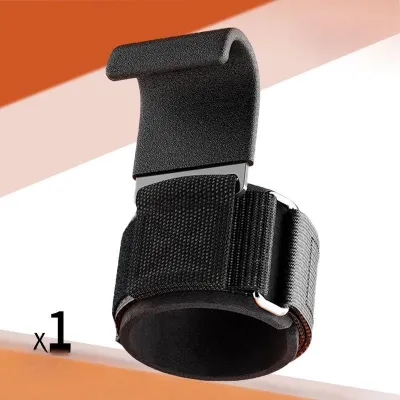
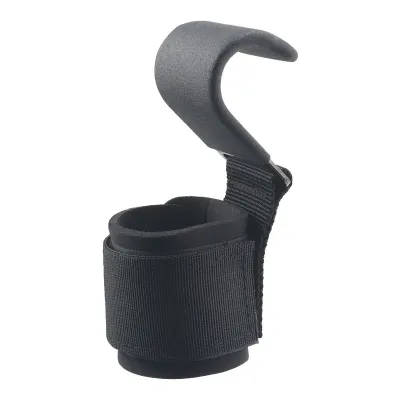
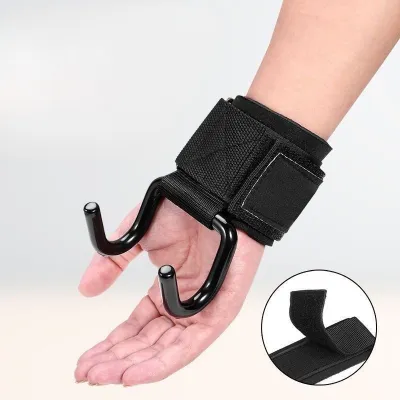
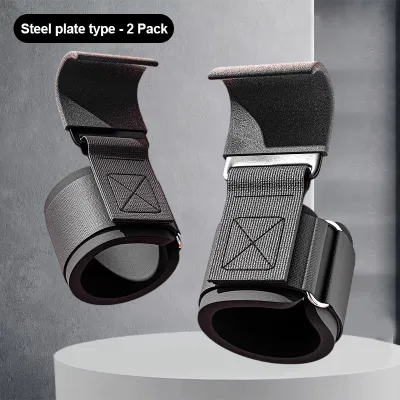
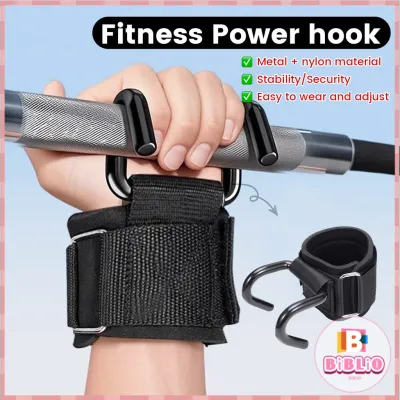
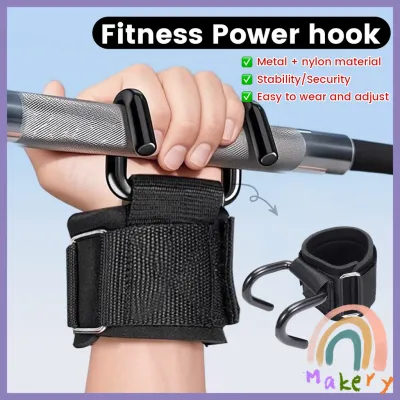
Prices are valid at publication and may change. Please refer to the product page for the latest price.

When you hang from a bar, your body weight creates a downward force that your hands must resist. In a standard unassisted pull-up, this force is absorbed by the muscles of the hand and forearm, particularly the flexor digitorum profundus and superficialis. When you introduce a pull-up hook, you introduce a rigid mechanical interface that takes over this holding force. The way this interface is anchored to your arm determines how the force is transmitted through your upper body.
Wrist-style hooks anchor directly around the wrist joint, resting the hook plate in the palm of your hand. This setup creates a short lever arm, keeping the load close to your natural grip line. While this provides an incredibly secure and direct connection to the pull-up bar, it concentrates the downward force onto the delicate bones and ligaments of the wrist, such as the carpal bones and the radiocarpal joint. If you have excellent wrist mobility and want a highly responsive feel that mimics a natural grip, this design aligns well with your anatomy. However, if you suffer from tight wrists or have a history of strain in this area, the direct pressure can lead to discomfort during longer sessions.
Forearm-style hooks, or those featuring extended wrapping straps, secure higher up the arm, wrapping around the lower forearm just above the wrist joint. By moving the anchor point upward, these hooks distribute the pulling force across a wider muscular and skeletal surface area, primarily targeting the radius and ulna bones and the surrounding muscle bellies. This design reduces the direct compression on the wrist joint itself, making it a popular choice for athletes who experience discomfort or stiffness when hanging. The trade-off is a slightly longer lever arm, which can alter your pulling path and require a brief adjustment period to find your balance on the bar. Because the anchor point is higher, the hook may feel slightly less responsive, but the reduction in localized joint stress is a significant benefit for many lifters.
Wrist-Style Pull-Up Hooks
Wrist-style hooks typically feature a rigid or semi-rigid metal hook covered in a non-slip coating, attached to a thick neoprene or nylon wrist strap. The hook itself rests snugly in your palm, ready to loop over the pull-up bar as soon as you raise your hands. This design is highly efficient for heavy, low-repetition strength training where your primary bottleneck is grip endurance. Because the hook sits close to your fingers, you retain a high degree of control over your hand positioning and can easily engage or disengage from the bar. However, because the entire load is transferred directly to the wrist joint, users must possess adequate wrist flexibility and joint strength to handle the localized pressure without discomfort.
Forearm-Style Pull-Up Hooks
Forearm-style hooks utilize a longer, reinforced wrapping mechanism that fastens securely above the wrist joint, often extending a few inches up the forearm. This configuration is highly beneficial for high-volume calisthenics, bodybuilding drop sets, or long endurance workouts where repetitive hanging can cause severe wrist fatigue. By spreading the load over the forearm muscles, these hooks minimize localized pinching and pressure points. The primary challenge lies in the initial setup; wrapping and adjusting the longer straps to achieve equal tension on both arms requires some practice. Additionally, the higher anchor point can slightly alter your hand’s natural relationship with the bar, requiring conscious effort to maintain proper shoulder and elbow alignment.
Critical Specifications to Verify Before Buying
Selecting the right pull-up hook requires careful inspection of product specifications, especially since these tools support your body weight high off the ground. Do not rely solely on aesthetic appeal; instead, systematically verify the following critical components:
- Weight Capacity: Always check the manufacturer's official maximum load rating. This limit must comfortably exceed your total training weight, which includes your current body weight plus any additional resistance you plan to use, such as a weighted vest, dip belt, or ankle weights. Keep in mind that dynamic movements can temporarily increase the force exerted on the hooks, so choosing a capacity with a conservative safety margin is highly recommended. For example, if you weigh 80 kg, ensure the hooks are rated for a capacity well above your combined weight.
- Padding and Ergonomics: In tropical climates where humidity and sweat are constant factors, the quality of the cuff padding is paramount. Look for high-density neoprene or breathable foam padding that measures at least 5mm to 8mm in thickness. Adequate padding prevents the heavy-duty straps from digging into your skin, reducing the risk of painful chafing, bruising, and nerve compression during heavy hangs. The padding should also feature moisture-wicking properties to prevent sweat accumulation, which can lead to skin irritation and slippage.
- Hook Material and Curve: Inspect the core material of the hook, which should be constructed from heavy-duty steel or reinforced alloy. The hook must feature a wide, slip-resistant coating—such as textured rubber or polyurethane—to grip the pull-up bar securely. Ensure the curvature of the hook is compatible with the diameter of your local gym's pull-up bars or home power racks, as hooks that are too narrow will not sit flush, leading to instability. A proper curve ensures that the hook wraps securely around the bar without wobbling or sliding sideways.
- Strap Durability: Examine the quality of the wrist straps, focusing on the width of the nylon webbing and the density of the stitching. Double or triple-reinforced box stitching at the connection points between the metal hook and the fabric strap is essential for long-term wear resistance. High-quality hook-and-loop fasteners (Velcro) should be wide and securely stitched to prevent accidental opening under load. Look for heavy-duty steel buckles or D-rings that allow you to cinch the strap tightly without bending or warping under tension.
Decision Framework: Choose Based on Your Training Needs
To help you finalize your choice, consider how your daily workout routine, physical condition, and training environment align with each design.
- Choose Wrist Hooks if: Your primary training consists of heavy, low-repetition strength movements, such as weighted pull-ups, heavy deadlifts, or shrugs. You prefer a direct, responsive connection to the bar that closely mimics your natural grip, and you have healthy, mobile wrist joints that can handle concentrated pressure.
- Choose Forearm Hooks if: Your workouts focus on high-volume calisthenics, high-rep bodybuilding sets, or passive hanging exercises. You frequently experience wrist fatigue, localized joint discomfort, or pinching when using standard grip aids, and you prefer a design that distributes weight across a larger surface area.
- Verify First if: You have any history of wrist, elbow, or shoulder injuries, such as carpal tunnel syndrome, tendonitis, or rotator cuff issues. Before introducing any grip-assist device into your routine, consult a physical therapist or sports medicine professional to ensure the altered loading mechanics will not aggravate your condition.
- Neither May Fit if: Your primary fitness goal is to build raw, functional grip strength for sports like rock climbing, obstacle course racing, or competitive powerlifting. Relying on hooks bypasses the active engagement of your forearm flexors, which can lead to a strength imbalance if you do not balance their use with dedicated, unassisted grip training.
Safety Checks and Proper Usage Limits
Using pull-up hooks safely requires strict adherence to equipment checks and operational limits. Before every workout session, perform a thorough visual inspection of your hooks. Look closely for any signs of fraying along the edges of the nylon straps, loose or unraveling stitching, or cracks and bending in the metal hooks. If you notice any structural degradation, retire the equipment immediately to prevent sudden failure while hanging.
Furthermore, pull-up hooks are strictly designed for static, controlled pulling movements. Never use them for dynamic, explosive, or kipping exercises (such as kipping pull-ups or muscle-ups). The sudden shock loads generated during dynamic movements can easily exceed the static weight rating of the hooks, and the rapid change in body angle can cause the hooks to slip off the bar entirely, leading to dangerous falls. Lastly, always listen to your body; if you experience sharp joint pain, numbness, or a tingling sensation in your hands or forearms during use, stop the exercise immediately and adjust the fit or consult a professional.
Frequently Asked Questions (FAQ)
Do pull-up hooks replace the need to train raw grip strength?
No, pull-up hooks do not replace the need for raw grip strength training. Because these tools bypass your forearm flexors to isolate your back muscles, relying on them exclusively can cause your natural grip strength to lag behind your overall back development. To maintain balanced physical progress, use hooks strategically for your heaviest or final sets, and incorporate dedicated grip-strength exercises—such as farmer’s carries, plate pinches, and unassisted hangs—into your weekly routine.
Can I use pull-up hooks for exercises other than pull-ups?
Yes, pull-up hooks are highly versatile and can be used for a variety of pulling exercises, provided the bar diameter matches the hook size. They are commonly used for lat pulldowns, seated cable rows, barbell shrugs, and deadlifts to help maintain a secure hold when your hands tire out. However, you should never use them for pushing exercises, overhead presses, or any movement that requires a rapid, emergency release of the bar, as the hooks can trap your hands and lead to injury.
How do I clean and maintain my pull-up hooks?
To clean your pull-up hooks, hand-wash the fabric straps and padding using cool water and a mild soap, then allow them to air-dry completely in a well-ventilated area away from direct sunlight. This is especially important in humid tropical climates to prevent mold, mildew, and unpleasant odors from sweat buildup. Avoid machine washing, tumble drying, or using harsh chemical detergents, as these can degrade the nylon fibers, weaken the stitching, and cause the metal hooks to rust or lose their protective coating.
Community discussion
Share your experience or ask a question. Comments are reviewed before publication.